What Is A Current Temperature Fault Monitor System?
Short-Circuit Ground Fault Indicator ensures fast fault detection and reliable electrical network protection for industrial safety.
The Current Temperature Fault Monitor System is widely used in industrial electrical environments today. It tracks current flow, temperature shifts, and fault signals in real time. Modern factories rely on stable energy conditions for safe production. Any abnormal rise in heat or current can damage equipment quickly. This system provides continuous visibility across critical electrical assets. Engineers use it to reduce unexpected shutdown risks. It also supports early intervention before failures expand. Industrial automation depends heavily on this type of monitoring structure. Safety teams integrate it into power distribution lines and control cabinets. With growing energy demand, system stability becomes essential for operations. The Current Temperature Fault Monitor System helps maintain balanced performance across complex networks.
Core Architecture of Current Temperature Fault Monitor System
The Current Temperature Fault Monitor System uses a layered architecture designed for precision monitoring. It combines sensing units, processing modules, and communication interfaces. Sensors collect real-time electrical and thermal signals from equipment. Processing units convert raw data into readable information. Control logic evaluates thresholds and system behavior patterns continuously. Communication modules transmit data to local or remote dashboards. Engineers design this structure for scalability in large installations. Each layer operates independently but remains synchronized through data flow protocols. Signal filtering reduces noise and improves accuracy. Industrial setups benefit from modular expansion capabilities. This structure ensures stable operation under heavy load conditions. The Current Temperature Fault Monitor System maintains efficiency through distributed intelligence across all connected components.
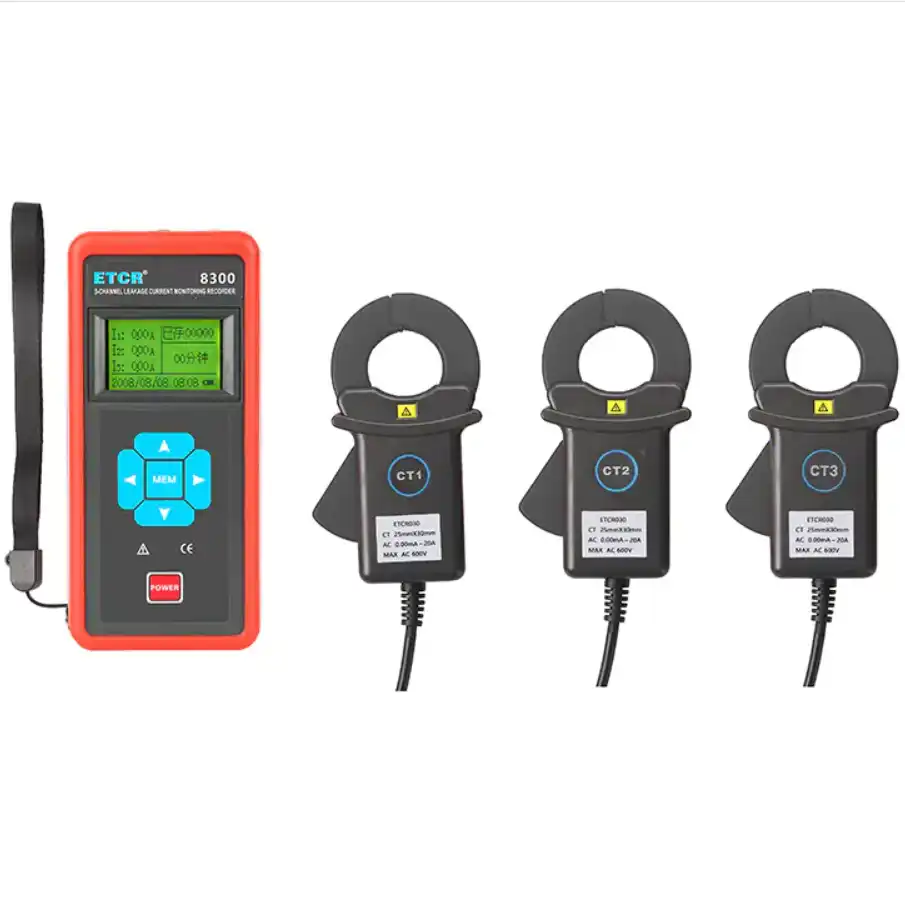
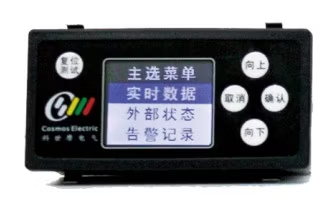
Key Components and Sensing Technologies
The system relies on high-precision sensors and durable monitoring hardware. Current sensors measure load fluctuations in electrical lines. Temperature probes detect heat variations in motors and transformers. Signal conditioning units refine raw sensor outputs into stable data. Fault detection modules evaluate irregular patterns in real time. Calibration processes ensure long-term measurement accuracy. Engineers select components based on environmental durability and response speed. Industrial environments often expose devices to vibration and heat stress. Reliable components maintain performance under such conditions. The Current Temperature Fault Monitor System integrates analog and digital sensing technologies for broader coverage. Each component contributes to stable system intelligence and operational reliability.
How the System Detects Electrical Faults
Fault detection relies on continuous signal comparison against predefined thresholds. When values exceed safe limits, alerts activate immediately. The system identifies overload, overheating, and short circuit conditions. Pattern recognition helps detect irregular behavior before failure occurs. Engineers configure thresholds based on equipment specifications. Real-time analysis reduces reaction delays significantly. Alarm systems trigger visual and digital notifications for operators. Automatic shutdown functions may activate in critical situations. Data logs support later diagnostic analysis. The Current Temperature Fault Monitor System improves detection speed through synchronized monitoring loops. This reduces equipment damage and improves operational safety across industrial environments.
Industrial Applications and Use Cases of Current Temperature Fault Monitor System
Industrial facilities use monitoring systems across multiple sectors. Power distribution networks depend on stable current and heat control. Manufacturing plants apply monitoring in motors and production lines. Energy storage systems require thermal balance for safe operation. Transformer stations use it to prevent overload conditions. Automation systems integrate monitoring for continuous machine protection. Renewable energy farms also rely on stable electrical oversight. Each application demands high reliability and fast response times. The Current Temperature Fault Monitor System supports these requirements through flexible configuration. Its adaptability makes it suitable for both small and large-scale infrastructure. Industrial operators value its ability to reduce risk and maintain uptime.
Data Communication and Remote Monitoring Features
Modern systems support multiple communication protocols for flexible integration. Wired connections ensure stable and secure data transmission. Wireless modules enable remote monitoring across large facilities. Cloud platforms store historical and real-time operational data. Dashboards display system status in a clear visual format. Alerts can be sent through mobile and desktop notifications. Engineers access performance data from centralized control centers. Remote access improves response speed during emergencies. Data encryption protects sensitive industrial information. The Current Temperature Fault Monitor System enhances operational transparency through continuous connectivity. This allows operators to manage systems even from distant locations efficiently.
Benefits and Performance Optimization Strategies
Industrial operators gain improved safety through continuous monitoring. Equipment lifespan increases due to reduced thermal stress. Maintenance costs decrease with early fault detection. Energy efficiency improves through optimized load distribution. System tuning helps align thresholds with real operating conditions. Predictive analysis reduces unexpected breakdowns. Operational stability increases across long production cycles. Engineers refine calibration to improve measurement accuracy. The Current Temperature Fault Monitor System supports proactive maintenance strategies. It helps organizations achieve consistent productivity. Reduced downtime contributes directly to cost efficiency. Performance optimization ensures long-term reliability in demanding environments.
Standards, Compliance, and Reliability Considerations
The Current Temperature Fault Monitor System must follow strict industrial safety standards. Electrical installations comply with international protection guidelines. Temperature tolerance levels are defined by equipment certification rules. Environmental durability ensures operation under heat and humidity stress. Long-term reliability depends on component quality and system design. Regular inspection schedules maintain performance consistency. Engineers apply redundancy strategies for critical infrastructure. Data accuracy must remain stable across operating conditions. Compliance reduces operational risks in industrial settings. Certification bodies evaluate system performance before deployment. Proper installation ensures safe integration with power systems. Reliability engineering strengthens system lifespan under continuous operation.
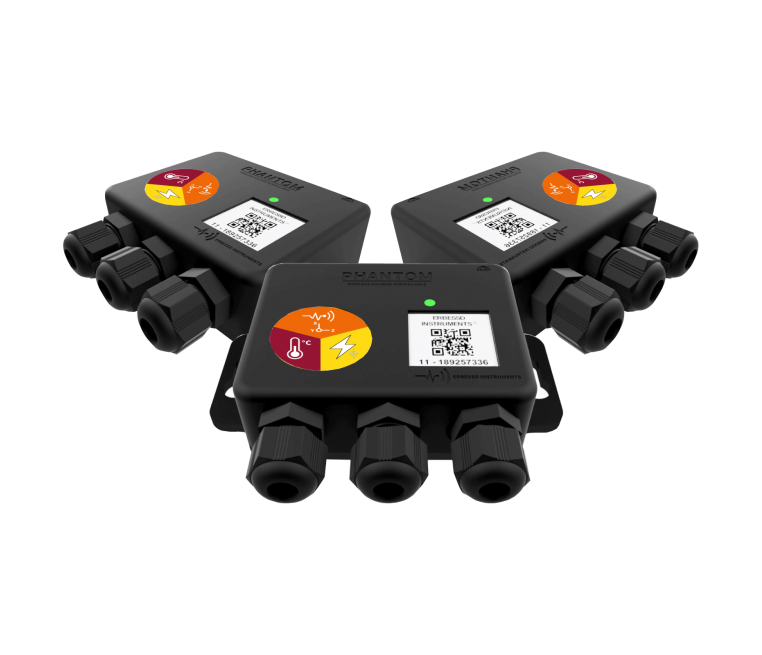
List of Key System Functions
- Real-time current monitoring across electrical lines
- Continuous temperature tracking in critical equipment
- Instant fault detection and alarm activation
- Data logging for historical performance analysis
- Remote monitoring through network integration
- Predictive analysis for early failure prevention
The Current Temperature Fault Monitor System integrates these functions into a unified structure. Each function supports operational stability in industrial environments. Real-time processing ensures fast decision-making. Combined monitoring reduces blind spots in electrical systems. Predictive tools enhance maintenance planning efficiency. These functions work together to maintain continuous system protection.
| Component | Function | Industrial Role |
|---|---|---|
| Current Sensor | Measures electrical load | Prevents overload damage |
| Temperature Probe | Detects heat variations | Protects thermal stability |
| Control Module | Processes system data | Triggers safety responses |
The table above shows key hardware roles inside monitoring systems. Each component performs a specialized function in real time. Integration between modules ensures synchronized performance. Accurate measurement depends on sensor quality and calibration. Industrial environments require durable and responsive equipment. Proper coordination reduces system failure risks significantly.
| Fault Type | Detection Method | Response Action |
|---|---|---|
| Overload | Current threshold monitoring | Alarm and load reduction |
| Overheat | Temperature sensor tracking | Cooling or shutdown |
| Short Circuit | Signal anomaly detection | Immediate disconnection |
This table explains how fault conditions are identified and managed. Detection speed plays a critical role in system protection. Automated responses reduce human reaction delays. Industrial safety improves through structured fault handling logic. Each response strategy aims to minimize equipment damage and downtime.
FAQ
What parameters does the system monitor in real time?
The system monitors electrical current, temperature levels, and abnormal signal patterns. It also tracks load variations across connected equipment. These parameters help identify early signs of system stress. Engineers configure thresholds based on operational requirements. Continuous tracking ensures immediate response to irregular behavior. Data accuracy remains essential for effective monitoring. The Current Temperature Fault Monitor System integrates multiple sensing inputs to maintain full visibility. This allows operators to detect inefficiencies before they escalate. Environmental factors like heat and vibration also influence readings. Stable parameter tracking supports safer industrial performance over long operating cycles.
How does it improve electrical safety in industrial systems?
Electrical safety improves through continuous monitoring and instant fault detection. The system identifies overload and overheating conditions quickly. Automatic alarms alert operators before damage occurs. Some configurations support immediate shutdown actions during critical faults. This reduces fire and equipment failure risks significantly. Engineers rely on accurate real-time data for decision-making. Maintenance teams respond faster due to early warnings. The Current Temperature Fault Monitor System strengthens protective layers in electrical infrastructure. It reduces exposure to dangerous conditions in industrial environments. Safety improves through both preventive monitoring and reactive protection mechanisms.
What maintenance is required for long-term operation?
Maintenance includes regular calibration of sensors and inspection of wiring connections. Engineers check temperature probes for accuracy drift. Dust and environmental buildup must be removed from hardware. Software systems require periodic updates for performance stability. Data logs help identify gradual performance changes. Preventive maintenance schedules reduce unexpected failures. Component replacement may be needed after long usage cycles. The Current Temperature Fault Monitor System depends on consistent upkeep for reliable operation. Technicians also verify communication links between modules. Proper maintenance ensures long-term accuracy and stable industrial performance across demanding environments.