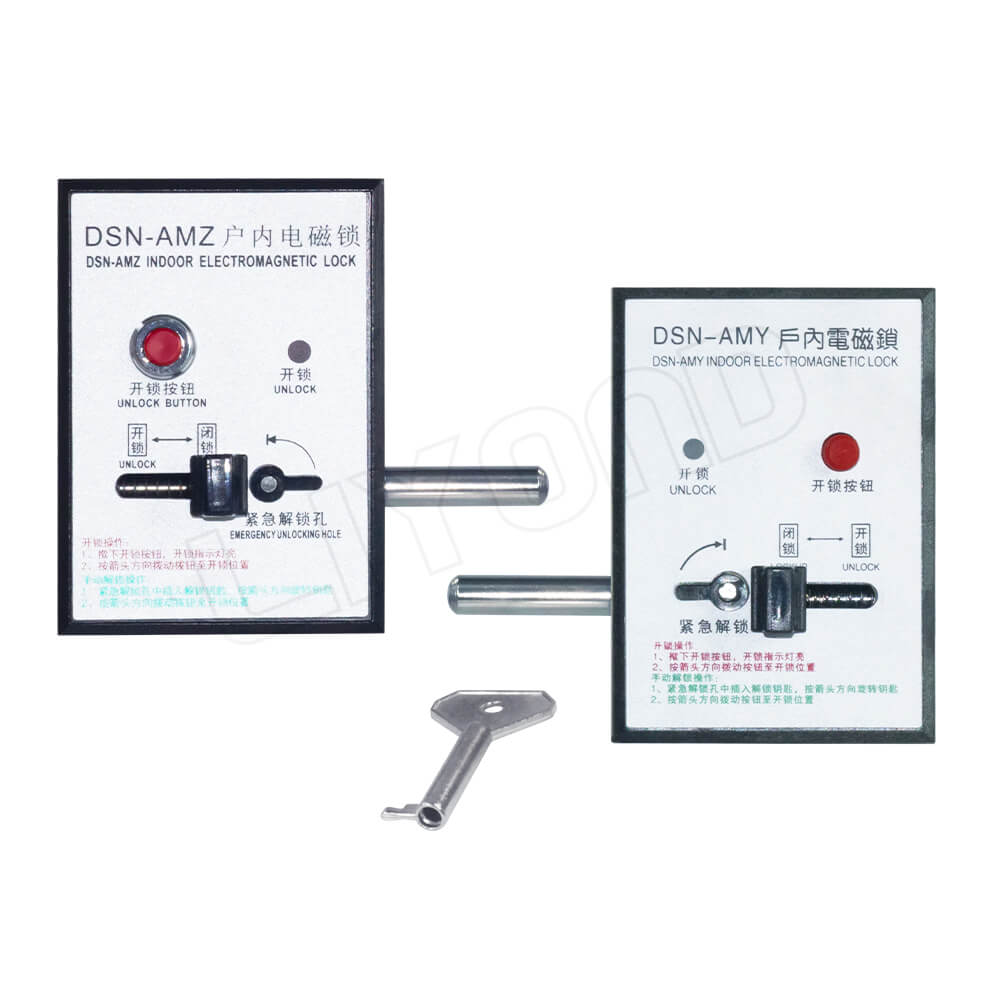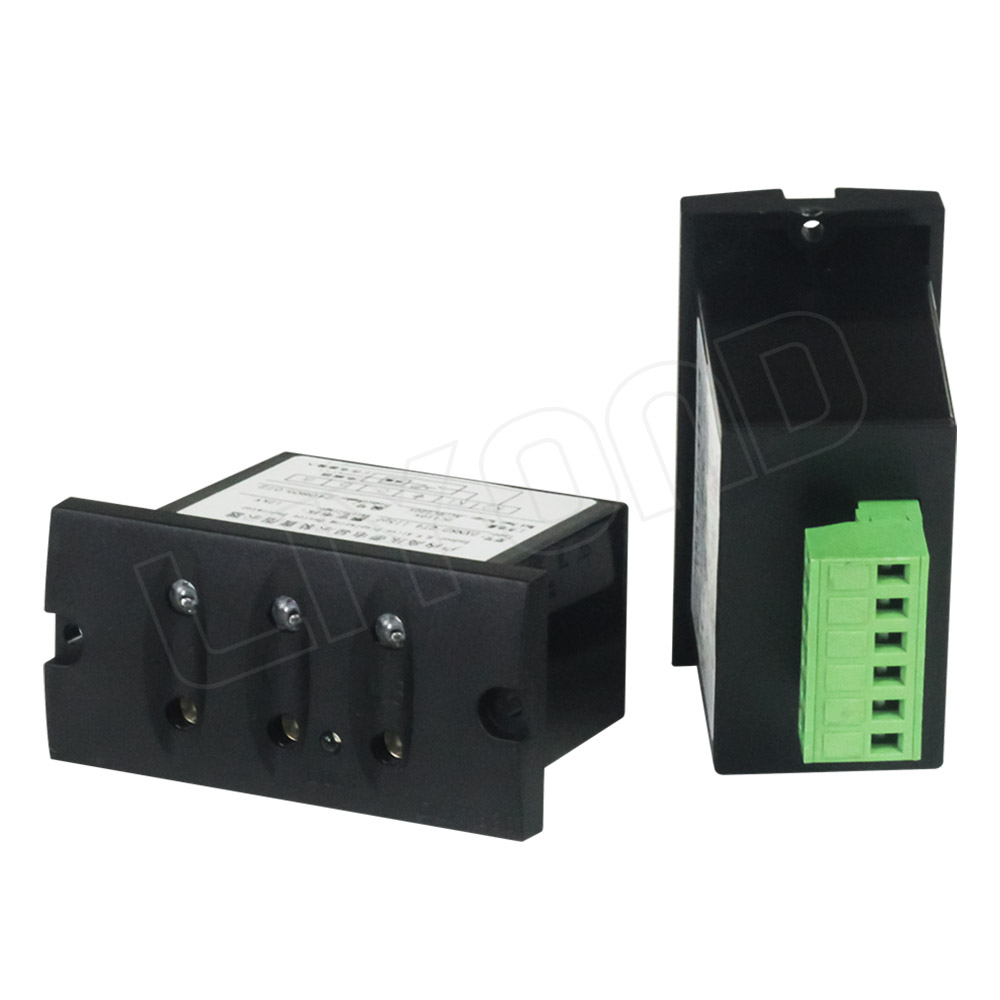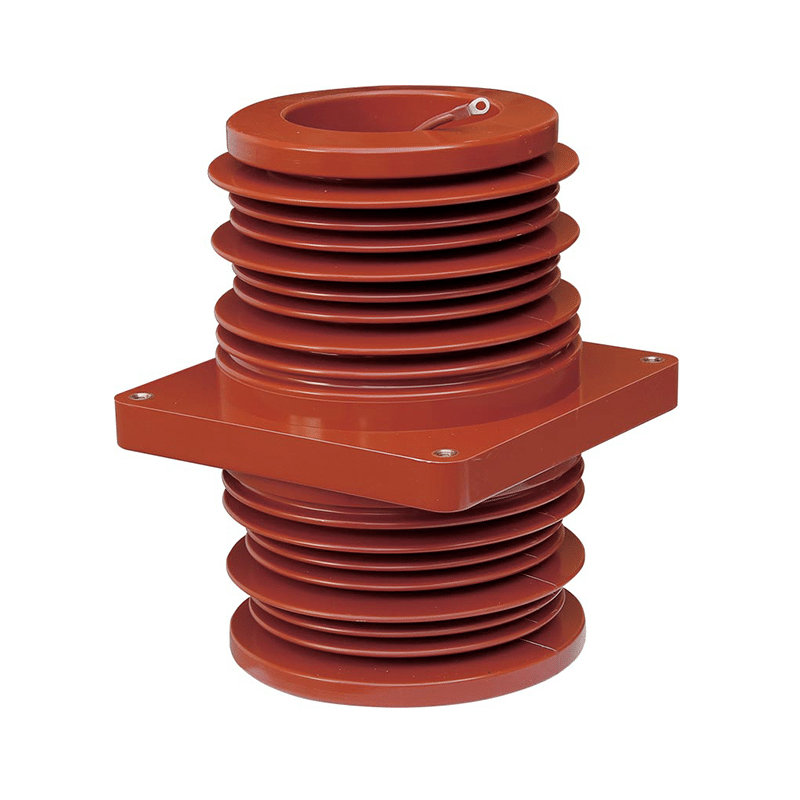

What Is An Live-Line & Ground Fault Indicator?
Industrial silicone heater solutions for stable thermal performance in demanding systems, precision heating for B2B applications.
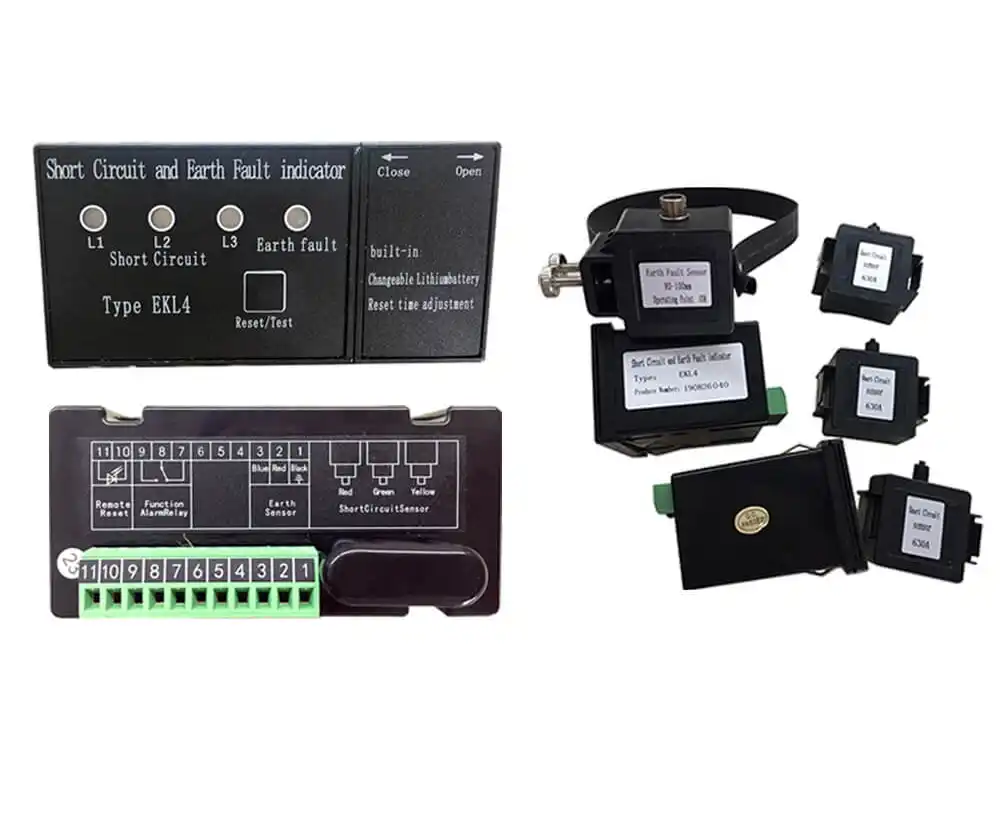
Live-Line & Ground Fault Indicator is a safety monitoring device used in electrical distribution systems. It detects energized line status and ground fault conditions in real time. The system helps operators identify abnormal current flow and voltage behavior in medium and high voltage networks. It plays a critical role in reducing outage duration and preventing equipment damage. Utility engineers rely on it for fast decision-making during fault conditions. In modern grid architecture, it supports stable energy transmission across complex distribution environments. It is widely applied in overhead lines, underground feeders, and compact substations where continuous monitoring is required for operational stability.
Operational Role in Electrical Safety Networks
Live-Line & Ground Fault Indicator is essential for maintaining electrical safety across distribution infrastructure. It continuously monitors conductor status and detects abnormal leakage currents. Operators use it to identify energized lines before maintenance activities begin. This reduces the risk of accidental contact and improves field safety. It also helps isolate faulted sections quickly in case of system failure. By providing immediate visual or remote signals, it reduces troubleshooting time. Utility companies depend on it to improve service continuity and reduce downtime. Its integration into modern grids supports safer energy delivery in both urban and rural power systems.
System Integration in Power Distribution Infrastructure
Live-Line & Ground Fault Indicator is integrated into feeders, substations, and pole-mounted equipment. It works alongside protection relays and switching devices to improve fault isolation speed. Engineers install it at strategic points in distribution networks to segment monitoring zones. This helps locate fault areas without manual line inspection. In complex grid environments, it supports automated switching operations. It also enhances coordination between field crews and control centers. Communication modules allow real-time transmission of fault signals. These features improve system transparency and reduce operational uncertainty in large-scale electrical networks.
Technical Working Mechanism and Detection Logic
Live-Line & Ground Fault Indicator operates using current sensing and voltage detection technology. It identifies line energization through electromagnetic field variation. When leakage or imbalance occurs, the system triggers a fault signal. The device processes electrical signals through internal filtering circuits to avoid false alarms. Signal thresholds are calibrated based on system voltage levels. Communication outputs may include visual indicators, relay contacts, or wireless alerts.
| Function Module | Technical Role | Detection Method |
|---|---|---|
| Voltage Sensor Unit | Detects live-line status | Electromagnetic field sensing |
| Ground Fault Module | Identifies leakage current | Residual current analysis |
| Signal Processor | Filters and validates events | Digital threshold comparison |
This structure ensures stable detection performance under variable load conditions. It also enhances accuracy in noisy electrical environments such as industrial feeders and long-distance transmission lines.
Core Components and Engineering Materials
Live-Line & Ground Fault Indicator is built with high insulation housing materials such as reinforced polymer composites. These materials resist UV radiation, moisture, and electrical stress. Internal sensing coils are designed for high sensitivity and stability. Electronic control boards manage signal interpretation and output transmission. Surge protection elements are added to prevent damage from lightning or switching spikes. Sealing structures ensure performance under rain, dust, and temperature variation. Each component is selected to maintain long-term reliability in harsh outdoor conditions. This engineering design supports continuous operation in critical power infrastructure without frequent replacement cycles.
Installation Strategy and Maintenance Requirements
Live-Line & Ground Fault Indicator must be installed at predefined network points based on load distribution analysis. Technicians mount the device on poles or line conductors using insulated brackets. Proper positioning ensures accurate detection coverage. Routine inspection checks include signal calibration and housing integrity verification. Maintenance teams also test communication channels to confirm alarm transmission accuracy. Safety procedures require de-energizing nearby sections during installation when possible. Fault diagnostics are performed using portable testers. These steps ensure stable performance and reduce operational risks in field environments.
Industrial Application Scenarios and Operational Value
Live-Line & Ground Fault Indicator is widely used across multiple energy sectors. It supports grid reliability in urban distribution systems and industrial plants. Renewable energy farms also use it for feeder monitoring. Emergency response systems rely on it for fast fault localization. Its applications improve system resilience and reduce restoration time.
- Overhead distribution line monitoring in urban grids
- Underground cable fault detection in industrial zones
- Renewable energy integration in wind and solar farms
- Critical infrastructure protection in hospitals and airports
Each application improves system visibility and operational safety. These benefits make it a key component in modern electrical engineering strategies.
Comparative Application Performance Analysis
| Application Area | Main Benefit | Response Efficiency |
|---|---|---|
| Urban Distribution Grid | Fast fault isolation | High |
| Industrial Facilities | Equipment protection | Medium-High |
| Renewable Energy Systems | Stable output monitoring | Medium |
Live-Line & Ground Fault Indicator enhances detection speed across all listed environments. It provides structured monitoring that reduces manual inspection requirements. This improves coordination between field engineers and control systems. The device also supports predictive maintenance planning through early fault detection data.
Operational Interpretation and System Value Expansion
Live-Line & Ground Fault Indicator strengthens grid intelligence by improving situational awareness in power networks. It reduces uncertainty during fault events and improves response coordination. Engineers can quickly identify affected sections and isolate faults. This reduces cascading failures and improves system stability. Data generated by the device supports long-term infrastructure optimization. Utility operators integrate this information into digital grid platforms for analysis. It also enhances asset management strategies by identifying weak points in distribution systems. This makes it a valuable component in modern energy infrastructure modernization programs.
Where Is a Live-Line & Ground Fault Indicator Commonly Used?
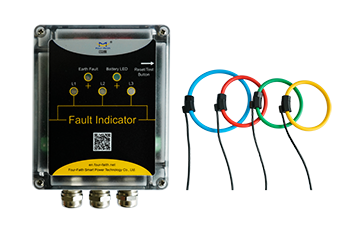
A Live-Line & Ground Fault Indicator is commonly used in medium and high voltage distribution systems. Utility companies install it on overhead lines to monitor grid status in real time. It is also used in underground cable networks where fault location is difficult. Industrial facilities apply it to protect internal power distribution systems and critical equipment. Renewable energy plants use it to monitor feeder stability from solar and wind sources. Transportation and infrastructure networks also rely on it for continuous power supervision. Its flexibility allows deployment across urban, rural, and remote electrical environments requiring reliable fault detection.
FAQ
What Is the Main Purpose of a Live-Line & Ground Fault Indicator?
A Live-Line & Ground Fault Indicator is designed to improve electrical network safety and visibility. It continuously checks whether a power line is energized while also detecting ground fault conditions. This dual function helps field engineers confirm safe working conditions before maintenance begins. It also supports rapid fault location during system disturbances. By showing real-time status, it reduces inspection time and improves decision accuracy. Utility operators use it to minimize outage duration and prevent equipment stress. In complex distribution networks, it becomes a key tool for maintaining stable and controlled energy delivery across different voltage environments.
How Does a Live-Line & Ground Fault Indicator Detect Electrical Faults?
A Live-Line & Ground Fault Indicator detects electrical faults through current imbalance and electromagnetic field sensing. It measures variations between normal operating current and abnormal leakage paths. When a ground fault occurs, the system identifies an unexpected current flow toward earth. Internal signal processing circuits compare measured values against preset thresholds. Once the limit is exceeded, the device activates an alarm output. This output may appear as a visual signal or remote communication alert. Filtering technology reduces false triggers caused by load fluctuations. This ensures stable detection performance even under unstable or high-load distribution conditions.