How Important Is Sensor Compatibility for Temperature Controllers?
Temperature controller sensors improve accuracy, stability, and performance with reliable compatibility for industrial control systems.
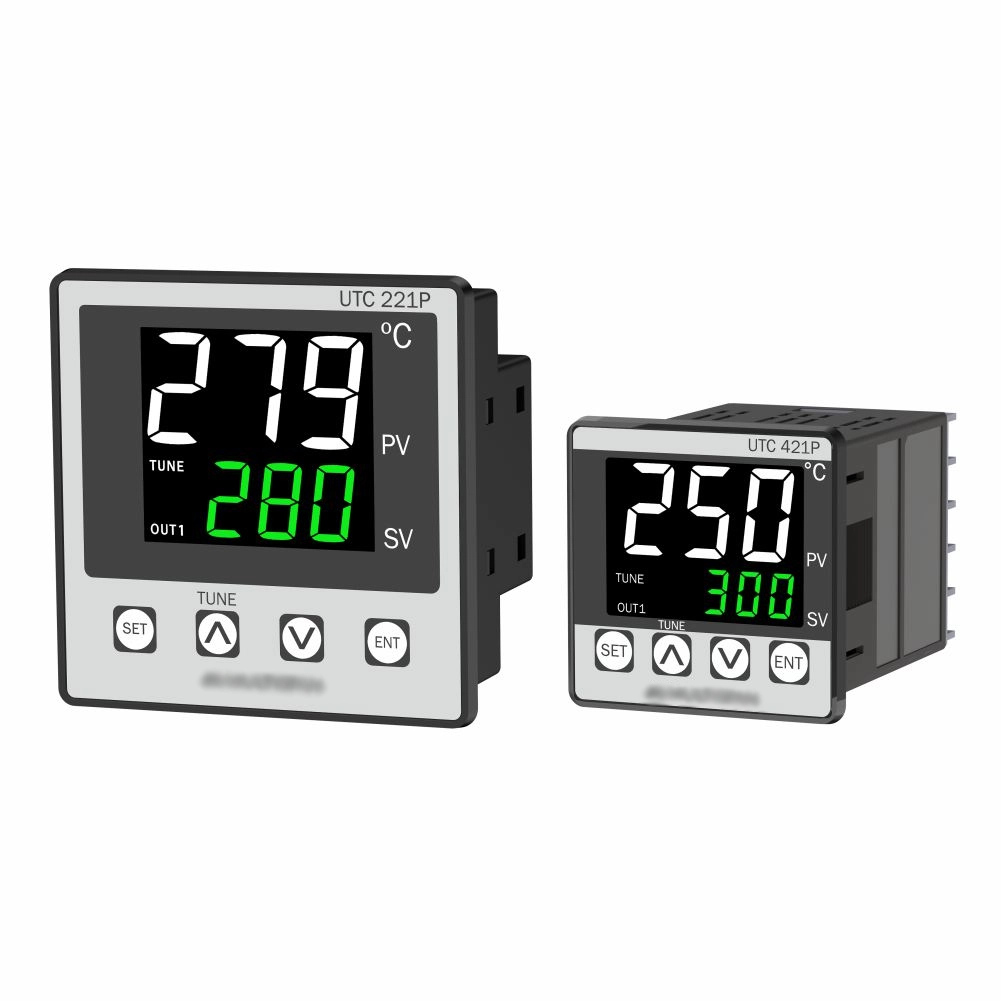
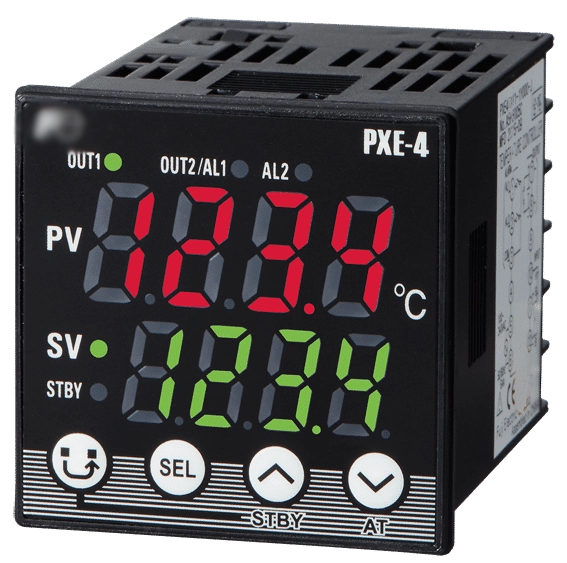
Temperature controller sensors play a critical role in modern temperature management systems. These components detect temperature changes and transmit signals to controllers. The controller then adjusts heating or cooling operations based on received data. Accurate measurement depends on proper sensor selection and system compatibility. Industrial equipment often operates under strict temperature requirements. Small measurement errors can affect product quality, energy efficiency, and equipment safety. Manufacturers use different sensor technologies for various applications. Each sensor type provides specific advantages in response speed, measurement range, and environmental resistance. Correct compatibility between sensors and controllers creates stable performance. It also reduces maintenance requirements and prevents unnecessary operational interruptions.
Why Temperature Controller Sensors Need Proper Compatibility for Reliable Performance
Compatibility between temperature detection devices and control units determines system accuracy. Temperature controller sensors must match the controller input specifications before installation. Different controllers support specific signal formats, including resistance signals and voltage outputs. Incorrect matching may cause inaccurate readings or unstable control cycles. Engineers usually check sensor type, wiring method, measurement range, and environmental conditions. These factors influence the final performance of temperature systems. Industrial users require reliable solutions because temperature fluctuations can damage sensitive processes. Proper compatibility allows controllers to interpret signals correctly. It also helps maintain consistent operation across different working environments. A suitable sensor connection improves system reliability and extends equipment service life.
How Different Sensor Technologies Affect Temperature Control Applications
Temperature measurement systems use several sensor technologies depending on operating conditions. Thermocouples provide wide temperature ranges and strong durability. They often support high-temperature industrial applications. RTD sensors offer excellent accuracy and stable resistance changes. They suit applications requiring precise temperature monitoring. Thermistors provide fast responses and compact designs. They are common in smaller electronic systems and appliances. Infrared sensors measure temperature without direct contact. They work well in environments where physical contact creates limitations. Selecting the correct sensor technology requires careful evaluation of application requirements. The following table compares major sensor types and their characteristics.
| Sensor Type | Main Feature | Temperature Range | Typical Applications |
|---|---|---|---|
| Thermocouple | High durability and wide range | Up to very high temperatures | Industrial furnaces, ovens, processing equipment |
| RTD | High accuracy and stability | Moderate temperature ranges | Laboratory equipment, automation systems |
| Thermistor | Fast response and compact size | Limited temperature ranges | Consumer devices, electronic equipment |
| Infrared Sensor | Non-contact measurement | Depends on sensor design | Moving objects, high-risk environments |
Key Parameters That Influence Sensor Compatibility
Several technical factors determine whether a sensor works correctly with a temperature controller. Engineers evaluate electrical signals, temperature limits, installation conditions, and required precision. Temperature controller sensors must provide compatible signals for accurate processing. The controller input channel should support the selected sensor output type. Resistance-based sensors require matching resistance curves. Voltage-based sensors need suitable input ranges. Environmental factors also affect sensor selection. Humidity, vibration, chemical exposure, and mechanical stress can reduce sensor performance. Industrial projects often require additional protection materials. Stainless steel probes, insulated cables, and reinforced housings improve durability. Proper parameter evaluation helps companies avoid system failures. The table below highlights important selection factors.
| Selection Factor | Impact on Performance | Recommended Consideration |
|---|---|---|
| Signal Compatibility | Ensures correct data transmission | Match controller input requirements |
| Temperature Range | Affects measurement reliability | Select sensors above operating limits |
| Response Speed | Controls adjustment efficiency | Choose based on process requirements |
| Environmental Protection | Improves service life | Consider moisture and chemical exposure |
Temperature Controller Sensors Support Better Industrial Process Control
Correct sensor matching supports stable industrial temperature regulation. Many production systems depend on accurate thermal management. Plastic processing machines require consistent barrel temperatures. Food production equipment needs controlled heating conditions. Laboratory instruments require precise environmental stability. Temperature controller sensors help these systems maintain expected operating conditions. The correct combination reduces unnecessary adjustments and improves energy efficiency. Poor compatibility can create delayed responses and unstable temperature cycles. Industrial operators often monitor sensor performance through calibration procedures. Regular inspections identify aging components before serious problems appear. Reliable temperature measurement supports continuous production and reduces unexpected downtime. Proper installation practices also improve overall system safety and operational confidence.
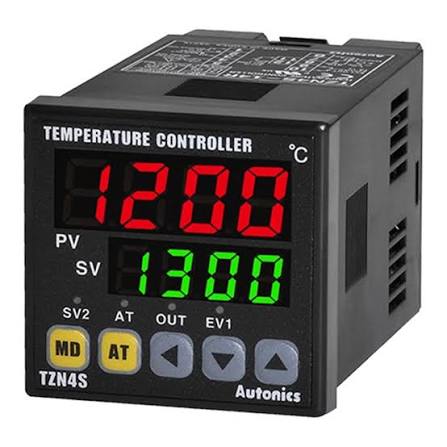
Important Factors Buyers Should Evaluate Before Selecting Sensors
Buyers should review several technical details before choosing temperature measurement components. A careful evaluation prevents compatibility issues after installation. Important considerations include:
- Controller input specifications and supported sensor models.
- Required temperature range for the operating environment.
- Accuracy requirements for the production process.
- Installation location and protection requirements.
- Maintenance frequency and replacement availability.
Each factor affects long-term performance and operating costs. Buyers should confirm technical documents before purchasing. Manufacturers usually provide resistance curves, wiring diagrams, and operating limits. These details help users select suitable products. A professional evaluation reduces installation risks. It also ensures that selected components can support future equipment upgrades. Proper planning creates more reliable temperature management systems.
Selecting Suitable Temperature Measurement Solutions for Different Industries
Different industries require customized temperature monitoring approaches based on their operational requirements. Manufacturing facilities often prioritize durability and rapid response. Medical equipment demands high accuracy and consistent stability. Food processing systems require reliable hygiene performance and precise thermal control. Energy equipment emphasizes safety and continuous operation. Selecting suitable temperature components requires evaluating specific application conditions. Engineers analyze operating temperatures, installation environments, and required control accuracy before making decisions. Modern systems often integrate advanced sensors with digital controllers. This combination improves automation efficiency and reduces manual adjustments. Proper selection also helps meet industrial standards. Reliable temperature solutions support effective process control and help businesses maintain consistent output quality while protecting valuable equipment.
Frequently Asked Questions
What Happens When Temperature Sensors Are Not Compatible With Controllers?
Incompatible sensors can create inaccurate temperature readings and unstable system performance. Controllers may receive incorrect signals because sensor outputs do not match input requirements. This situation can cause excessive heating, insufficient cooling, or frequent alarm conditions. Industrial processes may experience quality problems when temperatures cannot remain stable. Equipment components can also suffer damage from incorrect thermal management. Users should verify sensor type, electrical specifications, and operating range before installation.
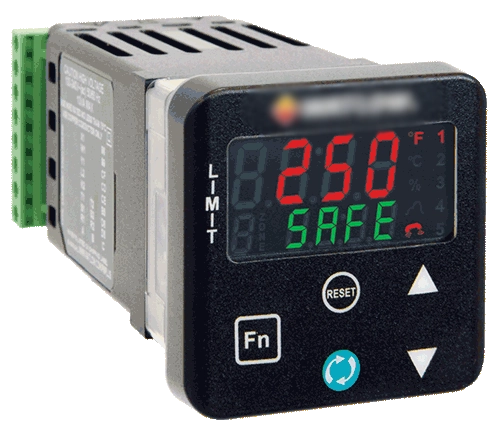
Proper compatibility testing helps prevent these problems. Professional technical support can also assist with selecting suitable sensor models for different control systems.
What Should Buyers Check Before Choosing Temp Controllers?
Buyers should evaluate several factors before choosing temperature controllers for industrial applications. The first consideration involves confirming the required temperature range and control accuracy. Users should also check input compatibility, output options, sensor support, and installation conditions. Different industries may require specific protection levels, response speeds, and communication functions. Environmental factors such as humidity, vibration, and chemical exposure can affect controller performance. Manufacturers usually provide technical specifications that help buyers compare suitable models. Reviewing product requirements before purchase reduces compatibility problems. Proper evaluation helps ensure stable operation, efficient temperature management, and longer equipment service life.
Which Temperature Sensor Type Works Best for Industrial Controllers?
The best sensor type depends on the industrial application requirements. Thermocouples work well in high-temperature environments because they offer strong durability. RTD sensors provide excellent accuracy for applications requiring precise measurement. Thermistors suit systems that need fast response and compact designs. Infrared sensors support non-contact temperature monitoring in special conditions. Engineers should evaluate temperature range, accuracy, response speed, and environmental factors before selection. No single sensor type fits every application. A suitable choice depends on equipment design and process requirements. Proper matching between sensors and controllers creates stable and efficient temperature management.