How To Restore Switchgear Electromagnetic Lock Force?
Switchgear electromagnetic lock repair improves magnetic retention, coil stability, and locking reliability in switchgear systems.
Why Holding Force Loss Happens In Industrial Locking Systems
Switchgear electromagnetic lock repair often begins after holding force drops below operational requirements. Industrial switchgear cabinets rely on electromagnetic locks for interlocking protection and personnel safety. Reduced magnetic retention usually develops from thermal stress, unstable voltage, or mechanical misalignment. Coil assemblies generate magnetic fields through copper windings and laminated cores. Excessive heat damages insulation varnish surrounding copper conductors. Damaged insulation increases resistance and weakens magnetic attraction strength. Moisture intrusion also accelerates oxidation on magnetic contact surfaces. Corrosion layers create microscopic air gaps between the armature plate and lock body. Even small gaps reduce magnetic efficiency significantly. Maintenance teams usually inspect coil temperature, terminal tightness, and mechanical wear before replacing assemblies. Early diagnostics reduce downtime and preserve original switchgear locking performance in demanding industrial environments.
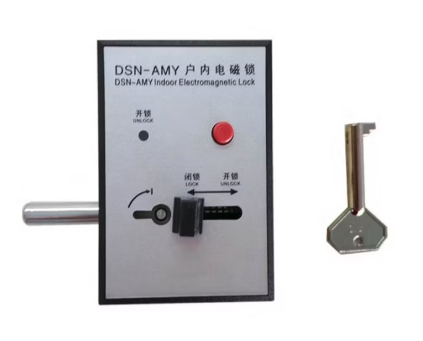
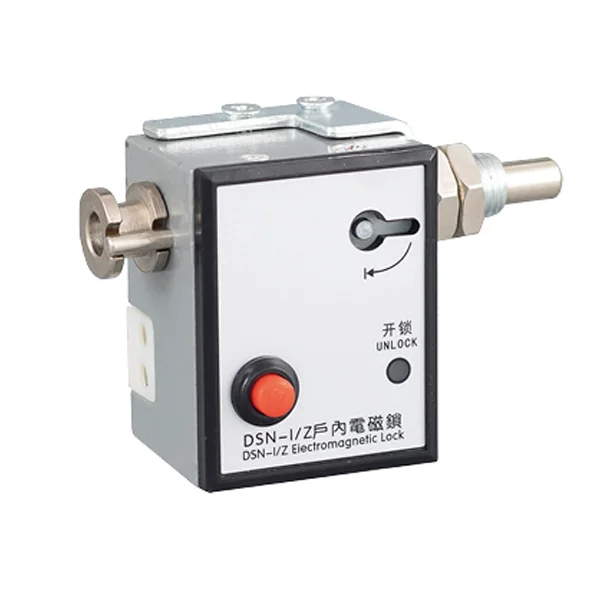
Switchgear Electromagnetic Lock Repair For Coil Performance Recovery
Switchgear electromagnetic lock repair frequently focuses on restoring stable coil operation inside medium-voltage switchgear systems. Electromagnetic coils convert electrical energy into magnetic attraction through tightly wound copper conductors. Elevated resistance inside windings lowers current flow and reduces holding strength. Technicians often measure resistance values using calibrated digital multimeters during maintenance inspections. Stable readings usually indicate healthy conductor continuity and proper insulation conditions. Burnt varnish odors commonly signal overheating inside the winding structure. Maintenance personnel also inspect bobbin deformation caused by thermal expansion. Excessive voltage fluctuations accelerate insulation aging and shorten coil lifespan considerably. Reliable industrial facilities normally install stabilized DC power supplies for lock circuits. Some manufacturers additionally apply Class F insulation materials because these materials tolerate higher operating temperatures. Proper coil restoration often returns magnetic retention performance without requiring complete lock replacement.
Internal Components That Affect Magnetic Retention Stability
Mechanical alignment directly affects magnetic attraction stability inside industrial locking assemblies. Armature plates must contact magnetic surfaces evenly during energized operation. Uneven pressure distribution creates localized air gaps that weaken retention force immediately. Return springs also influence contact consistency during repeated opening cycles. Weak spring tension may prevent proper armature positioning after disengagement. Maintenance technicians regularly inspect pivot pins, mounting brackets, and fastening hardware for movement. Loose mounting screws commonly create vibration-induced misalignment during switchgear operation. Surface contamination additionally reduces magnetic conductivity between metal contact faces. Oil residue, oxidation, and metallic dust interfere with direct surface engagement. Cleaning procedures usually involve non-abrasive solvents and lint-free cloth materials. Technicians avoid aggressive grinding because rough surfaces reduce magnetic efficiency. Accurate mechanical positioning improves locking stability and minimizes unnecessary operational stress across industrial switchgear installations.
Environmental Conditions That Reduce Electromagnetic Holding Capacity
Industrial switchgear rooms often expose locking systems to severe environmental conditions throughout daily operation. Condensation forms inside metal enclosures when temperature variations occur rapidly. Moisture accumulation gradually corrodes armature surfaces, terminal connections, and mounting brackets. Corrosion increases electrical resistance and weakens magnetic field generation efficiency. Dust contamination also creates serious reliability problems in high-load industrial environments. Conductive particles sometimes accumulate around coil terminals and insulation barriers. These deposits increase leakage current and create overheating risks inside lock assemblies. Chemical exposure presents another operational concern within processing facilities and coastal installations. Salt-laden air accelerates oxidation across exposed steel components rapidly. Maintenance teams frequently install enclosure heaters to reduce internal humidity levels. Proper ventilation systems additionally stabilize cabinet temperatures during continuous equipment operation. Environmental protection strategies significantly extend service life and maintain stable locking performance within industrial switchgear systems.
Electrical Testing Methods Used During Maintenance Procedures
Electrical diagnostics provide accurate information about operational conditions inside electromagnetic locking assemblies. Technicians normally isolate switchgear circuits before beginning inspection procedures. Lockout and tagout practices prevent accidental energization during maintenance activities. Current draw measurements often reveal internal coil degradation before complete failure occurs. Abnormally high current indicates insulation breakdown or partial short circuits inside windings. Infrared thermal cameras help identify overheating locations without dismantling assemblies. Thermal imaging frequently detects loose terminals producing excessive resistance heating. Voltage verification remains equally important during troubleshooting procedures. Stable DC voltage ensures consistent magnetic retention throughout equipment operation. Ripple voltage from defective rectifiers sometimes weakens holding force significantly. Maintenance personnel additionally inspect auxiliary contacts connected to interlocking control systems. Faulty contacts occasionally interrupt current flow and reduce magnetic performance unexpectedly. Comprehensive electrical testing reduces unnecessary compon
Switchgear Electromagnetic Lock Repair During Preventive Maintenance
Switchgear electromagnetic lock repair becomes more effective when incorporated into scheduled preventive maintenance programs. Industrial maintenance teams usually establish inspection intervals according to switching frequency and environmental severity. High-cycle applications require more frequent mechanical adjustment and electrical testing procedures. Technicians commonly lubricate moving pivots using non-conductive industrial grease formulations. Excess lubricant should never contact magnetic engagement surfaces because contamination weakens retention strength. Cleaning routines often include compressed air removal of metallic dust deposits. Maintenance personnel additionally verify terminal torque values using calibrated torque tools. Loose electrical terminals generate heat and accelerate insulation deterioration rapidly. Thermal cycling inside switchgear compartments may gradually loosen hardware connections over time. Many facilities also maintain detailed service records for each locking assembly. Historical maintenance data helps technicians identify recurring operational abnormalities efficiently. Preventive servicing generally lowers emergency downtime and preserves safe interlocking performance across industrial electrical infrastructure.
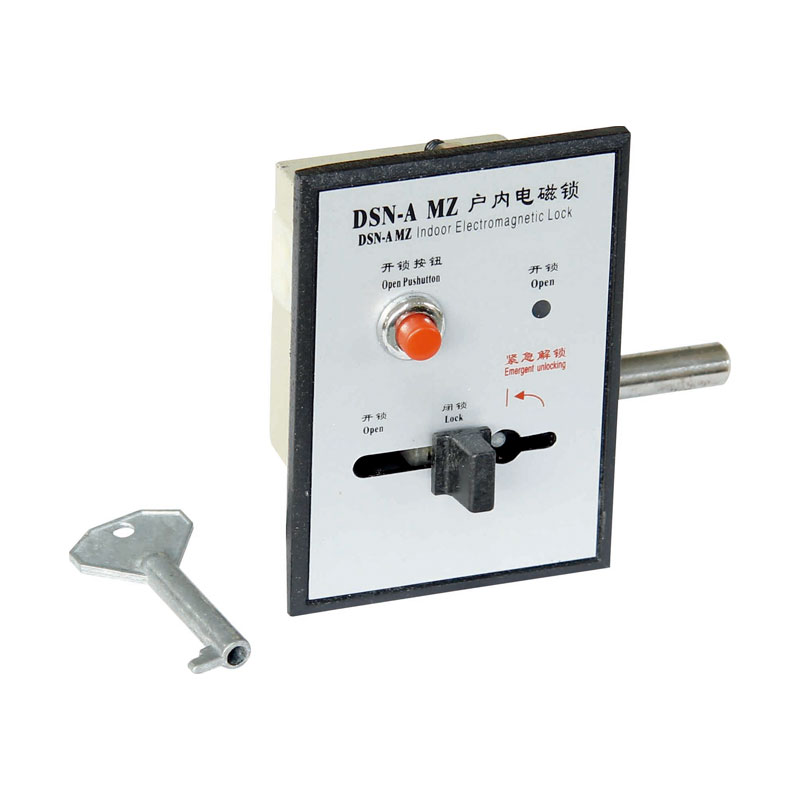
Recommended Diagnostic Checklist For Industrial Technicians
Industrial technicians often follow structured troubleshooting procedures before replacing electromagnetic locking components. Proper diagnostic sequencing prevents unnecessary disassembly and reduces maintenance time considerably. Common inspection priorities include electrical continuity, mechanical alignment, and environmental contamination assessment. The following checklist summarizes standard industrial inspection practices used during service operations.
- Verify incoming DC voltage stability
- Inspect coil resistance using calibrated meters
- Check armature alignment accuracy
- Remove oxidation from magnetic surfaces
- Tighten mounting hardware securely
- Inspect return spring elasticity
- Examine insulation for thermal damage
- Confirm auxiliary contact functionality
- Review maintenance history records
- Perform thermal inspection after energization
Accurate inspection documentation supports long-term reliability management within industrial switchgear systems. Maintenance supervisors frequently compare historical readings to identify progressive component deterioration trends. Consistent diagnostic procedures also improve operational safety during high-voltage equipment servicing activities.
| Inspection Area | Common Failure Indicator | Recommended Action |
|---|---|---|
| Coil Assembly | High resistance reading | Replace damaged winding section |
| Armature Plate | Uneven surface contact | Realign mounting structure |
| Power Supply | Voltage fluctuation | Inspect rectifier stability |
| Terminal Connections | Overheating marks | Retighten electrical terminals |
| Spring Mechanism | Weak return movement | Install replacement spring |
Common Replacement Parts Used In Lock Restoration Projects
Industrial restoration projects often require selective replacement of worn electromagnetic lock components. Coil assemblies remain the most frequently replaced electrical component during servicing operations. Manufacturers typically use enamel-coated copper conductors because copper offers stable conductivity and thermal performance. Armature plates also require replacement when severe corrosion affects surface flatness. Distorted contact surfaces reduce magnetic efficiency and increase operational instability. Return springs frequently weaken after repeated switching cycles within heavy industrial applications. Reduced spring tension negatively affects armature positioning during disengagement sequences. Technicians additionally replace insulation sleeves and terminal connectors during major refurbishment procedures. Damaged insulation materials increase short-circuit risks inside compact switchgear compartments. High-quality replacement parts generally comply with IEC insulation and thermal endurance standards. Maintenance departments often stock critical spare components to reduce equipment downtime during emergency failures. Proper component selection improves operational consistency and extends electromagnetic lock service life significantly.
| Replacement Component | Main Material | Primary Function |
|---|---|---|
| Electromagnetic Coil | Enamel-coated copper | Generate magnetic attraction |
| Armature Plate | Low-carbon steel | Provide magnetic contact surface |
| Return Spring | Spring steel | Restore disengaged position |
| Terminal Connector | Tinned copper | Maintain electrical continuity |
| Insulation Sleeve | Polyimide material | Prevent conductor short circuits |
Switchgear Electromagnetic Lock Repair Versus Full Lock Replacement
Switchgear electromagnetic lock repair usually costs less than complete assembly replacement in industrial facilities. Repair procedures often restore operational performance when failures remain limited to isolated components. Coil rewinding, surface cleaning, and spring replacement generally require shorter maintenance windows. Full replacement becomes necessary after severe structural deformation or extensive corrosion damage. Industrial operators frequently compare downtime costs before selecting restoration strategies. Replacement projects may involve additional compatibility verification with existing interlocking systems. Older switchgear panels sometimes contain discontinued locking models requiring custom modifications. Maintenance departments therefore prefer repair solutions whenever structural integrity remains acceptable. Restored assemblies often achieve reliable operational performance after proper electrical and mechanical servicing procedures. Many facilities additionally conduct load testing following restoration activities to verify holding force stability. Cost-effective maintenance planning helps industrial plants maintain operational continuity while controlling long-term equipment expenditure efficiently.
Long-Term Reliability Strategies For Switchgear Locking Systems
Reliable locking performance depends on continuous monitoring, stable operating conditions, and disciplined maintenance procedures. Industrial facilities usually combine thermal inspection programs with periodic electrical testing schedules. Continuous voltage stability prevents excessive thermal stress inside electromagnetic coil assemblies. Environmental sealing improvements also reduce contamination exposure within switchgear compartments effectively. Maintenance engineers often install anti-condensation heaters in humid operating environments. Corrosion-resistant coatings further protect exposed steel surfaces against moisture damage. Many industrial operators additionally use predictive maintenance software for inspection scheduling and historical trend analysis. Recorded operational data supports earlier detection of abnormal electrical or mechanical conditions. Proper technician training remains equally important for maintaining safe servicing practices. Experienced personnel recognize early failure indicators before operational reliability declines significantly. Strong preventive maintenance programs extend component lifespan and preserve stable switchgear interlocking protection across demanding industrial electrical systems.
FAQ
Can Low Voltage Reduce Electromagnetic Lock Holding Force?
Low voltage directly reduces magnetic field strength inside electromagnetic locking systems. Electromagnetic coils require stable current flow for proper magnetic attraction generation. Reduced voltage decreases current movement through copper windings and weakens retention capability immediately. Industrial power supplies sometimes experience ripple voltage, unstable rectification, or excessive cable resistance. These conditions lower effective operating voltage at the lock terminals. Weak magnetic attraction may allow unintended disengagement during vibration or switching activity. Maintenance technicians usually inspect rectifiers, cable connections, and terminal tightness during troubleshooting procedures. Facilities often install stabilized DC power systems to maintain consistent electromagnetic performance. Reliable voltage management significantly improves switchgear operational safety and locking stability during continuous industrial service.