Switchgear Interior Light: AC Or DC Type?
Choose between AC or DC power types for your switchgear interior light to ensure continuous substation panel illumination.
Selecting A High-Quality switchgear interior light
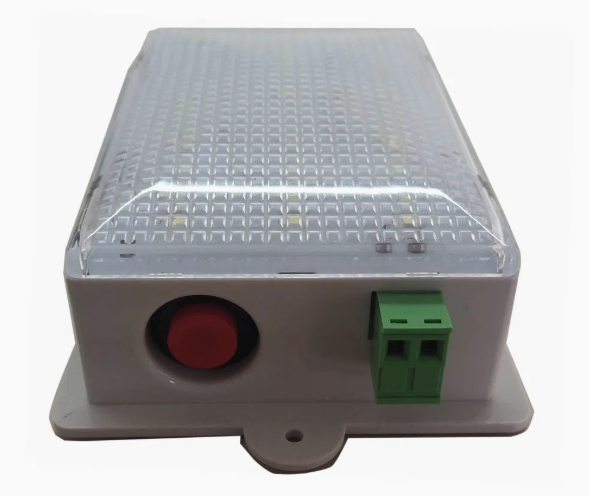
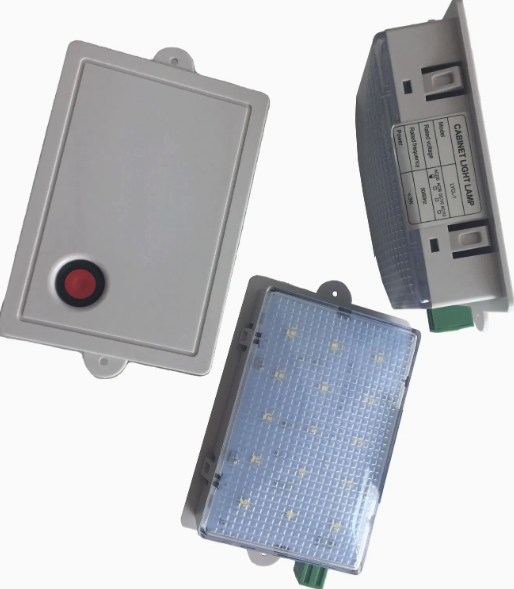
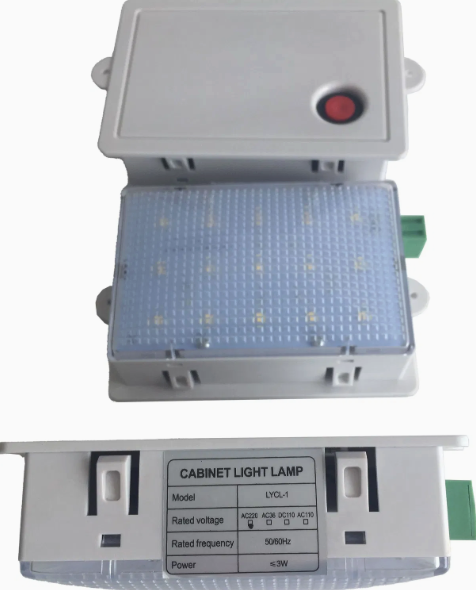
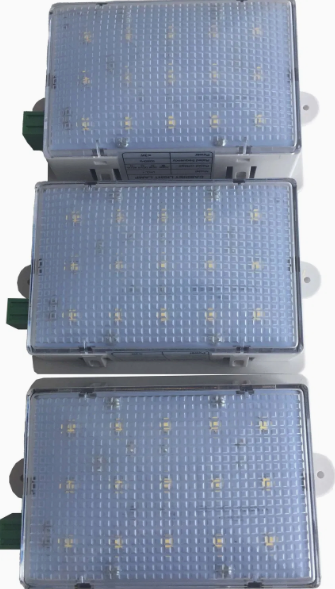
Modern power substations demand high reliability from every electrical accessory. Facility managers prioritize safety during routine maintenance procedures inside dense metal enclosures. Installing a durable switchgear interior light ensures clear visibility for on-site technicians. Operators must observe clear details to prevent hazardous errors during high-voltage switching tasks. Specialized equipment like the LL10-W Cabinet Light for Switchgear provides high-intensity illumination for heavy industrial environments. Reliable lighting minimizes human mistakes when engineers read complex circuit schematics. Robust fixtures endure constant vibrations and high ambient temperatures inside active panel spaces. Proper thermal design prevents pre-mature component degradation during extended operation. Selecting the correct auxiliary supply guarantees uninterrupted performance when main power fails. Engineers typically choose between alternating current and direct current power sources.
Designing Power Systems With switchgear interior light Fixtures
Auxiliary power networks distribute electrical energy to support vital substation safety functions. Standard designs utilize either station battery banks or low-voltage control transformers. Direct current networks supply critical control loads during complete alternating current power blackouts. These emergency batteries ensure that monitoring equipment and safety relays remain operational. Alternating current systems offer simpler installation steps and lower initial purchase costs. However, standard utility outages instantly disable standard alternating current lighting circuits. High-voltage facilities often implement a combination of both energy distribution strategies. Designers must evaluate localized safety protocols before finalizing their electrical distribution layouts. Every selection directly impacts the operational readiness of the entire distribution network. Maintenance crews require consistent illumination to troubleshoot critical panel faults safely.
| Parameter | Alternating Current (AC) | Direct Current (DC) |
|---|---|---|
| Voltage Stability | Prone to grid fluctuations | Highly stable battery output |
| Backup Availability | Requires dedicated UPS system | Direct connection to station batteries |
| Installation Cost | Low initial cabling expenses | Higher switchgear cabling costs |
Analysis Of Primary Auxiliary Power Metrics
Operational metrics displayed in the table highlight critical design differences between both power options. Alternating current systems provide immediate economic benefits for low-budget infrastructure projects. These configurations reduce overall installation costs by using common industrial wire gauges. Unfortunately, alternating current supplies lack inherent energy storage capabilities during emergencies. Direct current structures draw energy from robust, centralized substation battery banks. This connection ensures continuous service even when main transmission lines fail. Stable voltage outputs prevent excessive wear on sensitive internal lighting drivers. Consequently, direct current configurations extend the operational lifespan of switchgear accessories. Electrical engineers carefully balance these structural benefits against project budget limits. Safety considerations always dictate the final choice for extra-high-voltage applications. Robust emergency backup systems remain essential for maintaining substation operational integrity.
| Physical Spec | Standard Enclosure Light | Heavy-Duty Enclosure Light |
|---|---|---|
| Ingress Protection | IP20 or IP30 rating | IP54 or IP65 rating |
| Vibration Resistance | Basic commercial standard | High-grade industrial standard |
| Operating Temp Range | -10 to +40 degrees Celsius | -25 to +70 degrees Celsius |
Physical And Environmental Safety Specifications
Data compared in the second table illustrates how environmental factors influence physical housing designs. Heavy-duty components provide superior ingress protection inside dusty substation environments. High-voltage compartments accumulate airborne particles that can damage standard electronics. Therefore, selecting a rugged switchgear interior light prevents unexpected component insulation failures. Robust thermal engineering allows industrial fixtures to function in extreme climates. Sealed metal cubicles generate significant internal heat during peak electrical loads. Basic commercial devices quickly overheat and fail under these demanding conditions. Specialized industrial housings dissipate heat efficiently using integrated aluminum heat sinks. High vibration resistance also prevents mechanical damage during severe breaker operations. Switching actions create massive physical shocks that standard filaments cannot survive. Solid-state technologies withstand these shocks to maintain reliable local illumination. Facility managers prefer sealed light-emitting diode designs for long-term substation deployment.
- IEC 62271-1 Standard: Defines general requirements for high-voltage controlgear assembly environments.
- IEEE C37.20.2 Standard: Establishes rigid safety criteria for indoor metal-clad substation equipment.
- EN 60529 IP Code: Specifies precise liquid and solid particle ingress protection barriers.
Analyzing Substation Equipment Manufacturing Codes
Compliance with international engineering regulations ensures safe operation within power networks. Certified fixtures minimize electrical hazards by meeting stringent fire safety rules. These strict benchmarks prevent catastrophic short circuits inside high-voltage switchgear.
Manufacturers run intensive testing routines to satisfy extreme temperature limits. For example, IEC standards require specific clearance distances around hot light surfaces. Proper clearance prevents critical insulation breakdown between high-voltage buses and lighting wires. Likewise, American IEEE standards demand reliable physical separation inside metal-clad gear. Designing with certified components simplifies final equipment approval for project contractors. Global utilities reject non-compliant fixtures during formal substation inspection procedures. Investing in fully compliant equipment reduces operational risks for facility managers. Safe execution of routine maintenance checks depends directly on high physical standards.
Advanced Driver Technology and Electromagnetic Compatibility
High-voltage switching actions generate severe electromagnetic interference inside sealed equipment boxes. Sensitive solid-state control circuits require robust shielding against sudden magnetic surges. Modern LED driver units include advanced filter capacitors to block external noise. Poorly shielded electronics can malfunction or cause false sensor trips. Thus, selecting a high-quality switchgear interior light requires rigorous electromagnetic compatibility testing. High-performance drivers maintain stable lumen outputs despite severe utility voltage drops. For hazardous chemical plants, the CM-L3 Explosion-Proof Cabinet Light for Switchgear provides certified protection. This special fixture prevents volatile gas ignition by sealing all electrical contacts. Factory managers rely on these heavy-duty components to guarantee substation worker safety. Proper heat dissipation channels ensure that casing surfaces remain safely cool. Advanced driver thermal throttling automatically protects internal LEDs from destructive overheating.
Critical Emergency Operations And Black Start Scenarios
Complete substation utility blackouts test the overall resilience of power network hardware. Emergency operations require immediate access to critical controls without grid power assistance. Operators must navigate dark control rooms to perform manual recovery switching actions. During these crucial moments, independent auxiliary power systems provide invaluable assistance. Direct current fixtures continue shining because they connect straight to station battery banks. This immediate illumination allows technicians to quickly reset tripped protective lockouts. Swift manual intervention prevents cascading damage to expensive high-voltage transformers. Conversely, relying solely on AC supplies delays recovery times during major grid failures. Every substation design must prioritize reliable illumination during stressful emergency repair tasks. High safety margins protect both expensive utility investments and human lives.
Ensuring System Longevity Through Routine Inspections
Preventative inspection programs keep auxiliary substation systems running at peak safety levels. Technicians check individual panel compartments periodically to verify physical mount stability. Tight wiring connections prevent resistive heating and potential localized fire risks. Maintenance schedules include measuring individual fixture current draws to detect degradation early. Dust accumulation requires immediate cleaning to preserve designed cooling path efficiencies. Replacing weak batteries prevents unexpected backup failure during primary grid outages. Operators record inspection results in centralized plant database systems for tracking. These detailed records help predict auxiliary component failures before they disrupt operations. Experienced safety teams implement standardized checklists to maintain high inspection quality. Diligent substation maintenance ensures long-term power grid reliability and employee protection.
FAQ
What Voltages Supply Power To Industrial Panels?
Industrial electrical assemblies use standard control voltages to power secondary protection circuits. Common configurations include 110-volt or 220-volt alternating current utility supplies. Alternatively, heavy-duty applications utilize centralized station batteries supplying 110-volt or 220-volt direct current. Low-voltage systems sometimes operate on 24-volt direct current for increased safety. Choosing the best voltage depends on the design of your switchgear interior light fixture. Compatibility with existing station batteries prevents additional wiring expenses during system upgrades. Designers verify matching ratings to guarantee overall component stability during operations. Proper electrical matching prevents premature driver failure. Engineers choose voltage levels according to utility engineering codes.
How Does A Power Loss Impact Panel Illumination?
Standard alternating current systems go dark immediately when primary grid energy fails. This sudden loss of visibility creates dangerous conditions for operators during outages. Conversely, direct current circuits maintain continuous illumination by using backup battery banks. These auxiliary storage units deliver steady current without interruption. Sustained local visibility helps technical crews perform urgent recovery tasks safely. Technicians can quickly locate active relays and isolate faulty power lines. Battery-backed configurations ensure uninterrupted security during extreme blackout events. Therefore, critical facilities prefer direct current power for their control panels. Consistent backup power directly improves overall substation restoration times.
Which Ingress Protection Level Fits Enclosure Assemblies?
Industrial environments dictate different degrees of protection for internal electrical parts. Sealed enclosures in heavy manufacturing plants require high ingress protection ratings. Standard indoor facilities often utilize physical casings with IP3X or IP4X ratings. Outdoor installations demand tighter IP54 or IP65 seals to exclude water. Tighter barriers block harmful fine dust particles and moisture from settling inside components. Preventing particle build-up stops electrical tracking across terminal blocks. Robust sealing designs also protect personnel from accidental physical contact with live conductors. Selecting the right IP level ensures reliable operation for decades. Proper seals extend the physical operating life of all active devices.