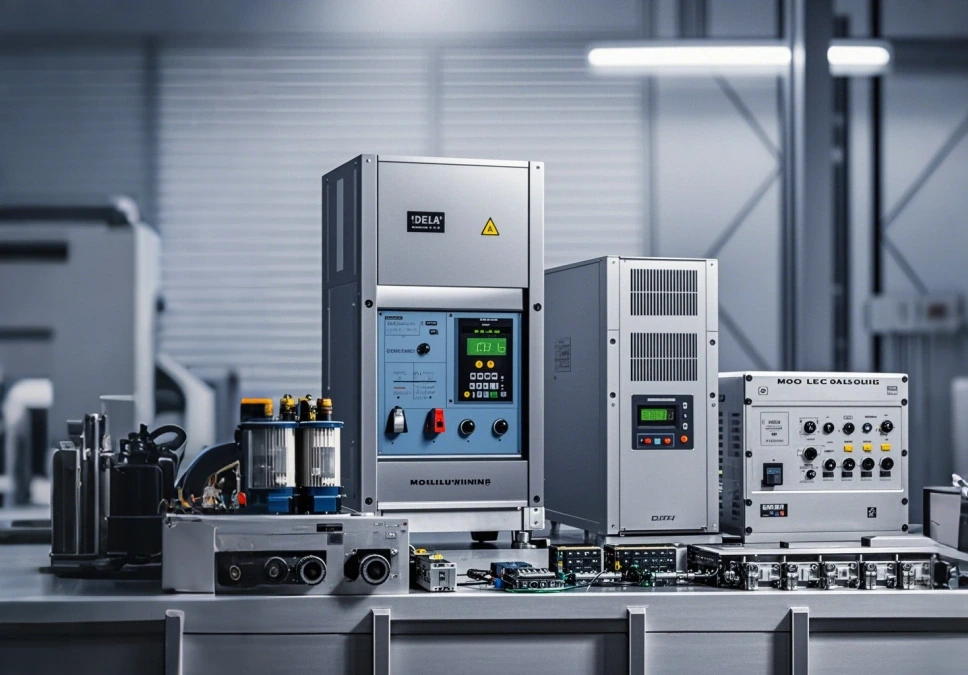
What Is A Dehumidifier For Switchgear Power Systems?
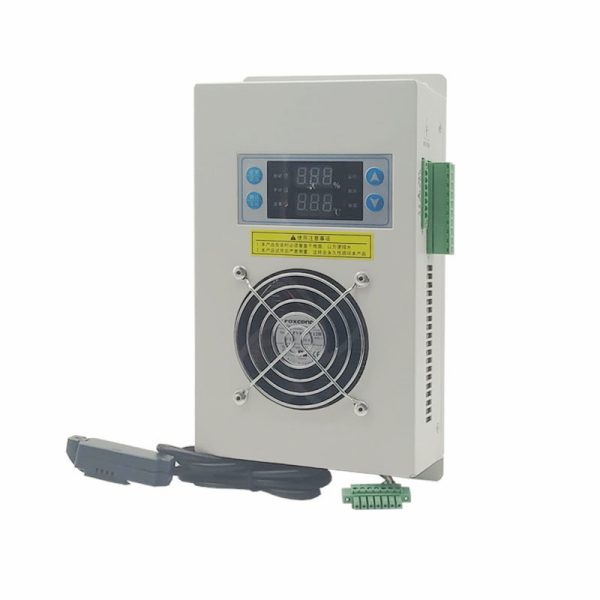
Dehumidifier for Switchgear for power system ensures stable moisture control in electrical cabinets for safety and reliability.
Definition and Core Function
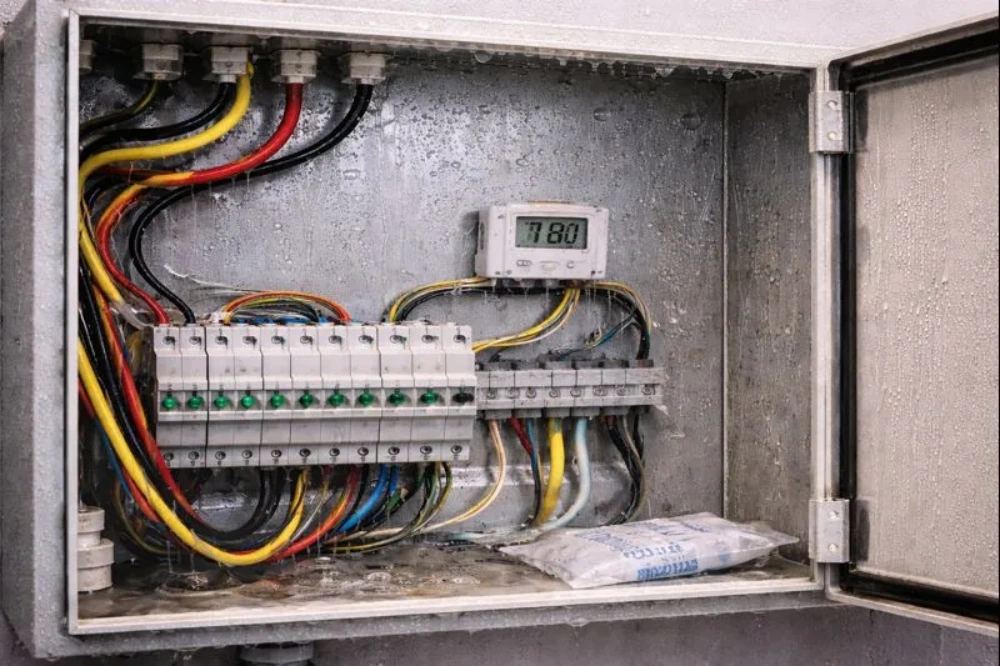
A Dehumidifier for Switchgear for power system is an industrial device that controls internal cabinet humidity. It protects electrical insulation and conductive parts from moisture damage. Power systems often face condensation in sealed metal enclosures. This device reduces humidity levels through active thermal regulation and airflow control. It maintains stable operating conditions for switchgear assemblies in substations and industrial plants. Moisture buildup can cause insulation breakdown and short circuits. Engineers integrate this system directly into switchgear cabinets for continuous protection. It operates automatically based on sensor feedback. The device ensures long service life for high voltage components. It also improves electrical safety in harsh environments. Reliable humidity control is essential for uninterrupted power distribution networks in modern infrastructure.
Importance of Dehumidifier for Switchgear for power system in Electrical Infrastructure
A Dehumidifier for Switchgear for power system plays a critical role in protecting electrical infrastructure. High humidity levels can severely degrade switchgear performance over time. Moist air leads to corrosion on metal contacts and busbars. It also increases the risk of dielectric failure in insulation systems. Electrical grids require stable operating environments for consistent energy distribution. Condensation inside cabinets often forms during temperature fluctuations. This creates hidden failure risks in power systems. Industrial operators rely on humidity control to avoid unplanned outages. Maintenance costs rise significantly without proper environmental protection. Stable humidity levels improve equipment lifespan and operational reliability. Therefore, controlled environments are essential for modern electrical networks and substations.
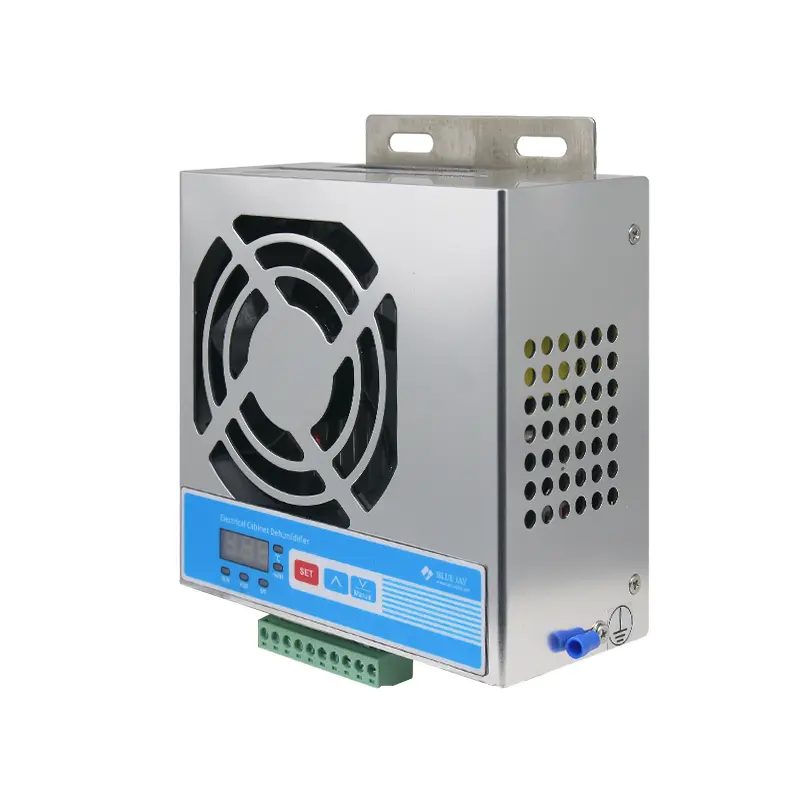
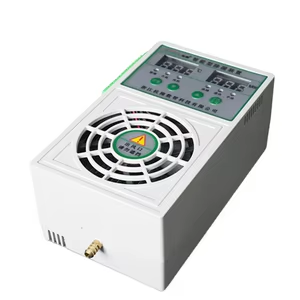
Working Principle of Switchgear Dehumidification System
The system operates by reducing moisture through controlled heat and airflow circulation. Sensors continuously measure internal humidity levels. When moisture exceeds limits, the system activates automatically. Warm air circulation prevents condensation on metal surfaces. Some units use thermoelectric modules for precise control. Others rely on resistive heating elements for stability. Moisture is either evaporated or redirected away from sensitive components. The process is fully automated and requires minimal manual intervention. Control relays ensure accurate response timing. This mechanism stabilizes internal cabinet conditions. It also prevents sudden humidity spikes during weather changes. The design ensures consistent protection for electrical assemblies in demanding environments.
Key Components of Industrial Dehumidifier Systems
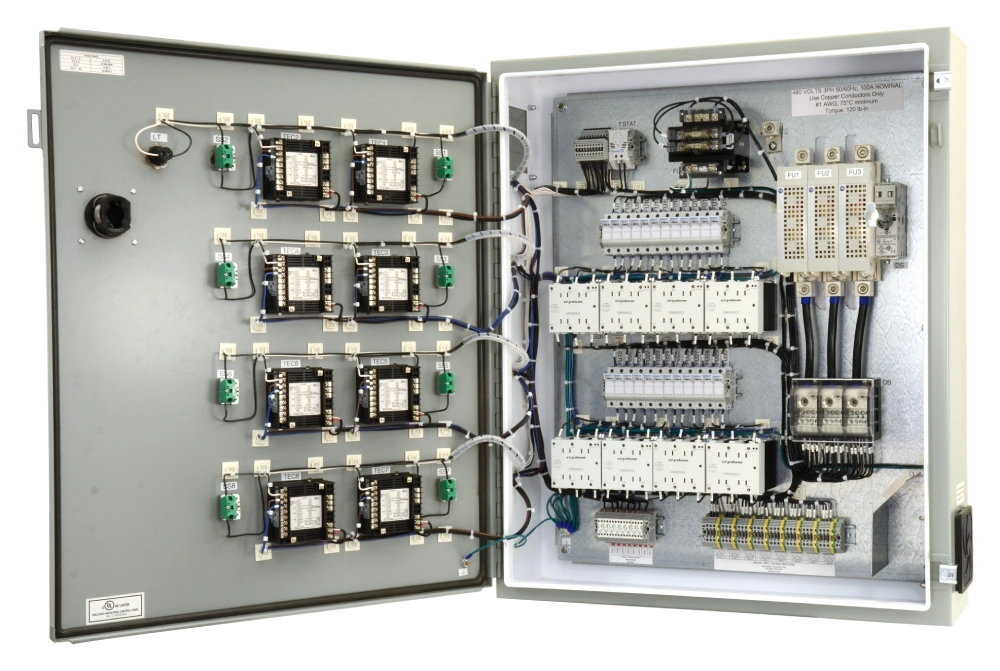
A Dehumidifier for Switchgear for power system includes several essential components for reliable operation. These parts work together to maintain controlled humidity levels inside electrical cabinets. The system design prioritizes durability and precision. Each component supports stable performance in industrial environments. Below are the main structural elements:
- Heating element for moisture evaporation control
- Humidity sensor for real-time environmental monitoring
- Control relay for automatic system activation
- Air circulation fan for uniform temperature distribution
- Drainage channel for condensed moisture removal
Each part plays a specific role in system efficiency. Sensors provide accurate feedback to the control module. Heating units respond instantly to humidity changes. Airflow components ensure even heat distribution. Drainage systems prevent water accumulation inside enclosures. Together, these elements create a stable protective environment for sensitive switchgear equipment.
Technical Parameters and Performance Standards for Switchgear Dehumidifiers
| Parameter | Typical Range | Industrial Requirement |
|---|---|---|
| Operating Humidity | 30% - 90% RH | Stable below 60% RH |
| Temperature Range | -25°C to 70°C | Continuous industrial duty |
| Power Consumption | 20W - 150W | Energy efficient operation |
| Response Time | Under 30 seconds | Fast humidity correction |
These parameters define system performance in real industrial conditions. Switchgear environments require fast response to humidity changes. Low energy consumption ensures long-term operational efficiency. Wide temperature tolerance allows deployment in harsh climates. Compliance with industrial requirements ensures stable performance in substations and control rooms. Engineers select models based on cabinet size and load conditions. Proper parameter matching improves reliability and reduces maintenance frequency.
Installation Guidelines for Switchgear Cabinets
A Dehumidifier for Switchgear for power system must be installed with precision to ensure safety and efficiency. Proper placement inside the cabinet improves airflow and moisture control. Units should be mounted away from high-voltage terminals. Wiring connections must follow electrical safety standards. Stable grounding is required for all installations. Cable routing should avoid interference with control circuits. Ventilation space must be maintained around the device. Technicians often follow structured steps during installation:
- Inspect cabinet sealing before mounting
- Fix unit on vibration-free surface
- Connect power supply with rated voltage
- Integrate humidity sensor in central zone
- Test system response after installation
Each step ensures reliable system performance. Incorrect installation may reduce efficiency or cause false readings. Proper setup guarantees stable humidity regulation in long-term operation.
Technical Standards and Compliance Requirements for Switchgear Systems
| Standard Type | Requirement | Application Area |
|---|---|---|
| IEC 61439 | Low-voltage assembly safety | Switchgear cabinets |
| IEC 60068 | Environmental testing | Humidity and temperature |
| IEEE C37 | Power system reliability | High voltage equipment |
| ISO 9001 | Quality management | Manufacturing process |
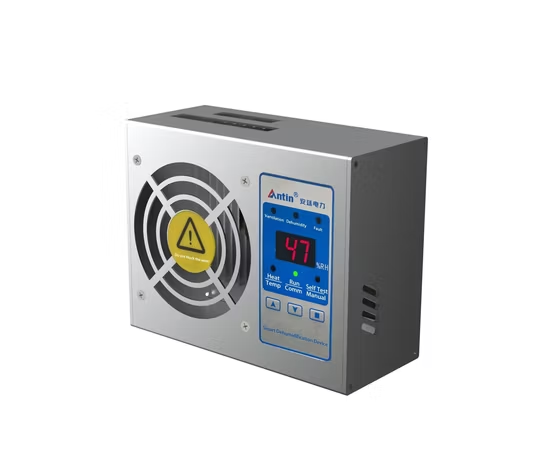
These standards ensure safe and consistent performance across electrical systems. Compliance reduces operational risks in power distribution networks. Manufacturers design equipment based on these international requirements. Testing procedures validate durability under extreme conditions. Standardization also improves interoperability between system components. It ensures long-term reliability in industrial environments. Engineers rely on these benchmarks during system selection and deployment.
Maintenance and Troubleshooting Practices
A Dehumidifier for Switchgear for power system requires regular maintenance for optimal performance. Routine inspection prevents unexpected system failures. Dust accumulation can reduce airflow efficiency.Sensors must be calibrated periodically for accuracy. Electrical connections should be checked for stability. Maintenance schedules depend on operational environment severity. Common troubleshooting steps include checking power supply stability.
Engineers also inspect heating elements for proper function. Faulty sensors may cause incorrect humidity readings. Cleaning internal components improves long-term reliability. Replacement of worn parts ensures continuous operation. Preventive maintenance reduces downtime risks. Proper servicing extends equipment lifespan significantly.
Benefits of Dehumidifier for Switchgear for power system in Industrial Applications
A Dehumidifier for Switchgear for power system improves operational reliability in electrical infrastructure. It reduces moisture-related failures in switchgear assemblies. Equipment lifespan increases due to controlled environmental conditions. Maintenance frequency decreases significantly in industrial systems. Energy efficiency improves overall operational cost structure. Safety risks from condensation are minimized effectively. System stability supports uninterrupted power distribution. Industrial operators benefit from reduced downtime. Component corrosion is significantly prevented over time. Electrical insulation performance remains stable under varying conditions. This creates a safer working environment for technicians. Long-term infrastructure reliability is greatly enhanced through humidity control.
Application Scenarios in Modern Power Systems
This system is widely used in multiple industrial environments. Substations rely on it for high voltage stability. Renewable energy plants use it in control cabinets. Manufacturing facilities apply it in automation panels. Data centers also benefit from humidity control systems. Each environment demands stable electrical performance. Moisture control ensures consistent operational efficiency. Harsh outdoor installations require additional protection layers. Indoor systems still face condensation risks during seasonal changes. Engineers deploy these systems in both small and large-scale grids. Reliable humidity management supports modern smart grid development. It ensures continuous energy flow across distributed systems.
FAQ
What humidity level is safe for switchgear operation?
Safe humidity levels for switchgear usually remain below sixty percent relative humidity. Higher levels increase risks of condensation and insulation breakdown. Electrical engineers design systems to maintain stable internal conditions. Industrial cabinets often include monitoring devices for continuous humidity tracking. When levels exceed safe thresholds, protective systems activate automatically. Maintaining controlled humidity ensures stable dielectric performance. It also reduces corrosion risks on metal components. Consistent environmental control improves overall system reliability in power networks. Operators often combine ventilation and dehumidification systems. This combination ensures long-term safety and stable electrical performance in demanding environments.
How does a dehumidifier protect electrical switchgear?
A dehumidifier protects switchgear by removing excess moisture from enclosed spaces. It prevents condensation on conductive surfaces and insulation materials. Moisture is a major cause of electrical failures in power systems. The device maintains stable humidity using heating and airflow control. Sensors detect environmental changes and trigger automatic adjustments. This process prevents corrosion on critical metal components. It also reduces the risk of short circuits and arc faults. Stable humidity levels improve insulation strength and electrical safety. Continuous operation ensures protection even during temperature fluctuations. This leads to longer equipment lifespan and reduced maintenance costs.
How often should switchgear dehumidifiers be maintained?
Maintenance frequency depends on environmental conditions and system load. In most industrial settings, inspection occurs every three to six months. High humidity environments may require more frequent checks. Technicians clean sensors and airflow components during maintenance cycles. Electrical connections are also inspected for stability and safety. Heating elements are tested for proper functionality. Any dust buildup is removed to maintain efficiency. Calibration ensures accurate humidity readings over time. Preventive maintenance reduces unexpected system failures. Proper servicing extends equipment lifespan and improves reliability. Consistent maintenance supports stable performance in critical power infrastructure systems.