What Is A Grounding Switch Controller Used For?
Grounding Switch Controller ensures safe grounding control, fault protection, and reliable switching in industrial electrical power systems.
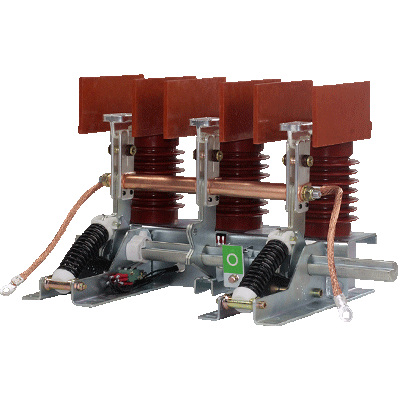
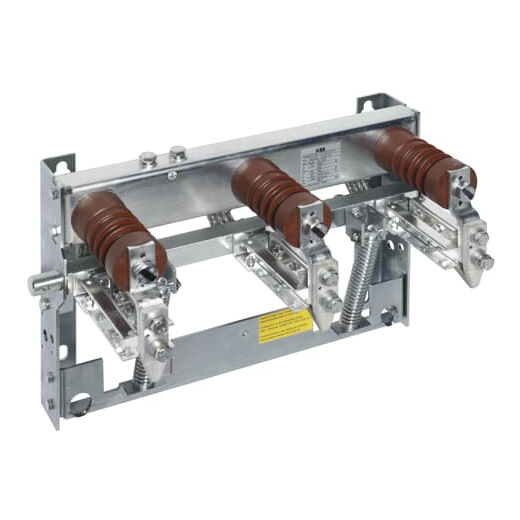
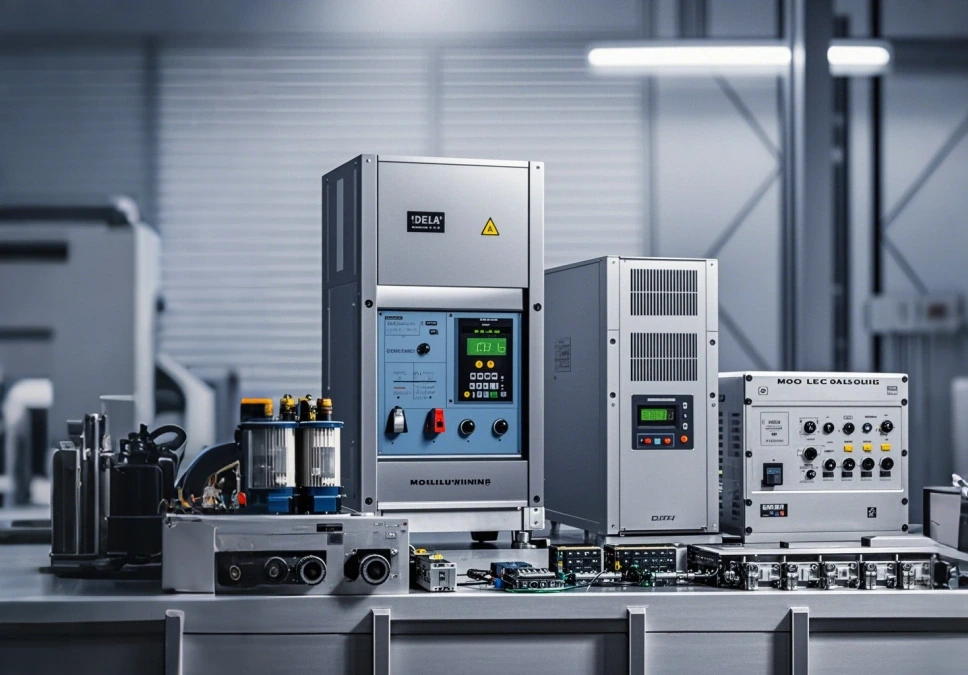
The Grounding Switch Controller is an essential device in high voltage power infrastructure. It manages grounding switch operations through coordinated electrical logic and timing control. Engineers apply it to ensure safe discharge of residual electrical energy during maintenance work. The device prevents accidental energization when equipment is isolated for servicing. It operates within substations and large transmission networks. System operators rely on it to maintain switching accuracy and operational safety. It integrates with switchgear assemblies to coordinate grounding actions. Remote and local control options improve operational flexibility in modern grids. Its logic design ensures stable sequencing during switching transitions. This controller improves reliability and reduces operational risk in electrical systems.
Grounding Switch Controller in Power System Safety and Protection
Electrical safety systems depend heavily on controlled grounding operations. The Grounding Switch Controller ensures fault energy is safely discharged before maintenance begins. It coordinates with protection relays to block unsafe switching sequences. This prevents arc flash incidents in high voltage environments. The system enforces strict interlocking rules during operation. Operators benefit from reduced manual intervention in complex switching tasks. Fault isolation becomes faster and more reliable in grid networks. It also prevents simultaneous energizing and grounding conditions. Safety performance improves through automated decision logic. These functions significantly enhance operational security in power systems.
Working Principle of Grounding Switch Controller
The working principle is based on coordinated signal processing and logic evaluation. Internal circuits analyze system status before permitting switching actions. Control signals are transmitted to grounding mechanisms through relay outputs. Feedback systems confirm execution after each operation. Interlocking logic blocks unsafe commands during energized states. Remote signals are processed through communication interfaces. Manual override is available for maintenance scenarios. Timing control ensures smooth switching transitions without electrical stress. Synchronization with protection systems enhances operational stability. This structured logic ensures reliable performance under fault and normal conditions.
Key Components and Internal Structure
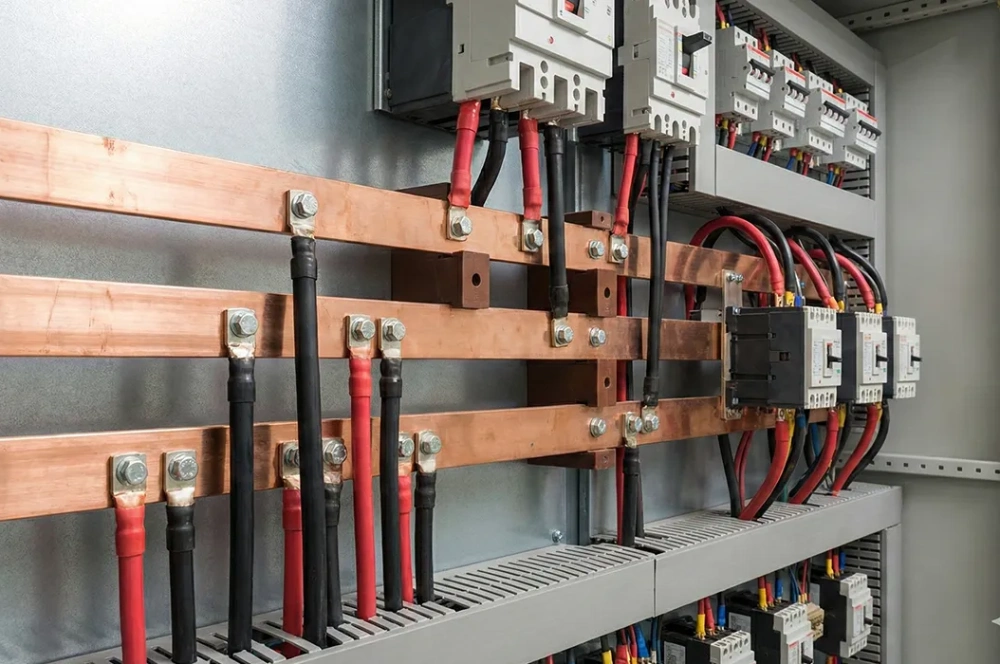
The system consists of multiple integrated modules working together. A central control unit executes switching logic and decision processes. Relay modules handle electrical isolation and signal transmission. Communication interfaces enable remote monitoring and control functions. Power supply units maintain stable internal voltage levels. Indicator systems display real-time operational status and alarms. Mechanical connectors link the controller to switching devices. Signal filters reduce electromagnetic interference for accuracy. Software logic coordinates switching sequences precisely. Below is a structural breakdown.
| Component | Function |
|---|---|
| Main Control Unit | Executes logic and switching commands |
| Relay Module | Manages signal isolation and transmission |
| Communication Interface | Supports remote monitoring and control |
| Power Supply Unit | Provides stable system voltage |
All modules work together to ensure stable and reliable operation. The architecture emphasizes redundancy and fault tolerance. This improves long term performance in demanding environments.
Industrial Applications
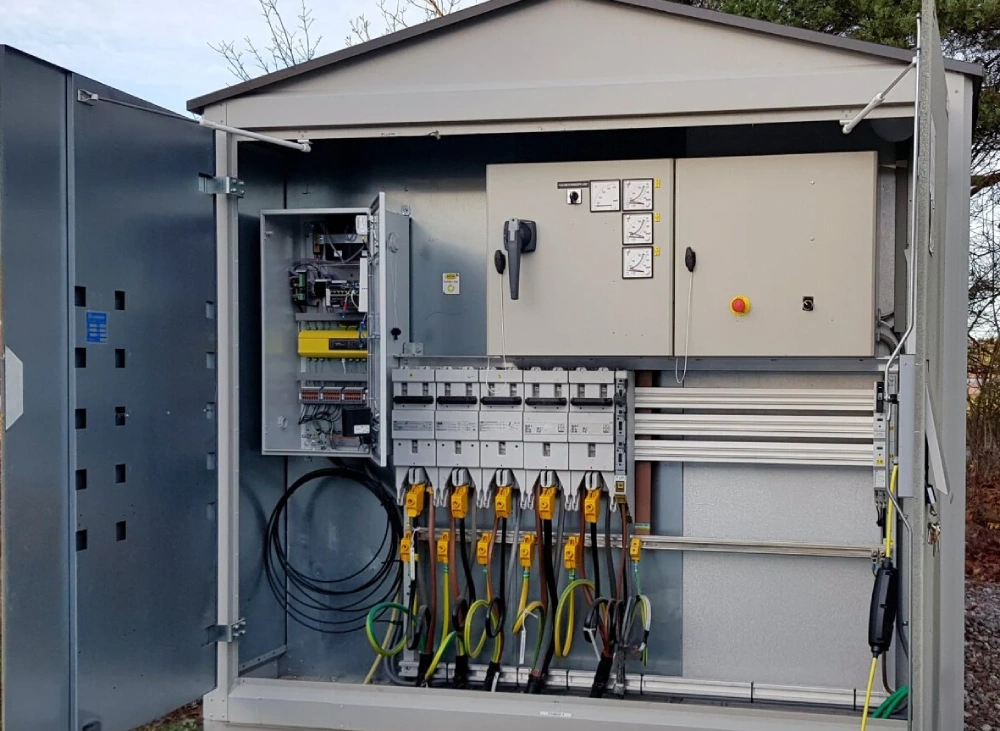
In industrial systems, the Grounding Switch Controller is widely used in substations. It ensures safe grounding during maintenance operations. Power plants integrate it into high voltage switching systems. Railway electrification networks depend on stable grounding coordination. Renewable energy plants use it for grid connection safety. Industrial factories apply it in distribution networks. It reduces downtime during inspection and repair cycles. Automation systems rely on it for coordinated switching behavior. Smart grids integrate it for remote operation. Its application continues expanding across global power infrastructure.
Grounding Switch Controller Standards and Compliance Requirements
Electrical grounding systems operate under strict international regulatory frameworks that define safety, performance, and interoperability requirements. IEC standards, especially IEC 62271 series, govern high-voltage switchgear design and testing. IEC 62271-102 defines earthing switch requirements, including mechanical endurance, interlocking safety, and operation under abnormal conditions. ANSI/IEEE C37 standards regulate switching equipment performance in North America, focusing on dielectric strength, short-circuit ratings, and operational reliability. ISO 9001 ensures consistent manufacturing quality and traceability across production systems. IEC 61000 addresses electromagnetic compatibility and signal stability in industrial environments. Together, these frameworks ensure global consistency and system reliability.
Before deployment, the controller must pass strict testing procedures. Dielectric tests verify insulation strength under high voltage stress. Temperature rise tests ensure thermal stability during continuous operation. Mechanical endurance tests confirm long cycle life under repeated switching. Short-circuit tests evaluate performance under extreme fault conditions. EMC testing ensures resistance to electrical noise interference. Certification bodies validate all results before approval. Compliance ensures predictable performance in critical infrastructure systems.
| Standard | Requirement Focus |
|---|---|
| IEC 62271-102 | Earthing switch safety, endurance, and interlocking design |
| ANSI/IEEE C37 | Switchgear performance and fault current handling |
| ISO 9001 | Manufacturing quality control and traceability |
| IEC 61000 | Electromagnetic compatibility and noise immunity |
These standards ensure uniform safety and performance across global systems. Manufacturers must comply with certification requirements before market release. This reduces operational risk and improves system reliability.
Installation and Wiring Considerations
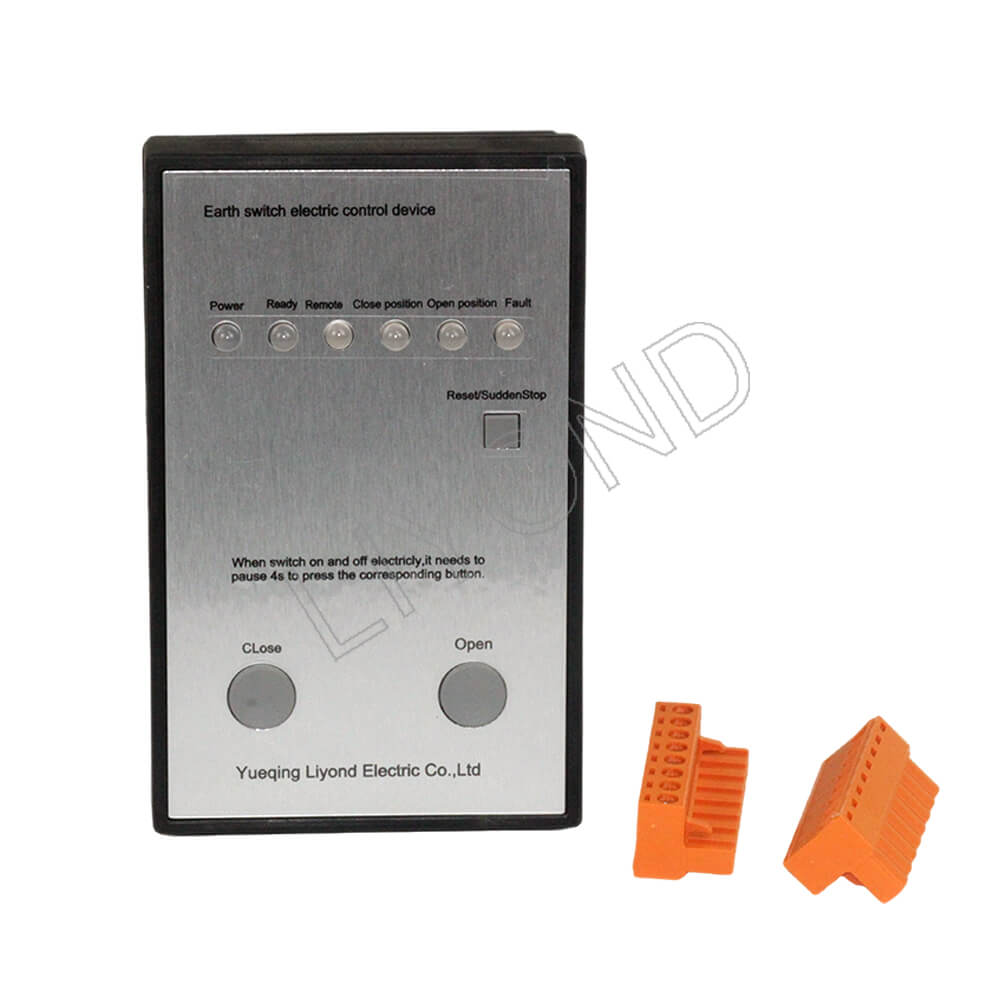
Proper installation is essential for stable performance. Engineers must ensure low electromagnetic interference environments. Wiring must be separated to avoid signal coupling issues. Secure terminal connections improve vibration resistance. Ground continuity must be verified before operation. Incorrect wiring may lead to switching failure. Protective enclosures prevent dust and moisture damage. Calibration ensures accurate signal processing. System testing confirms communication stability. Proper installation improves long term reliability.
Operation Modes and Control Logic
The system supports multiple operation modes. Local mode allows manual control during maintenance tasks. Remote mode enables centralized operation from control centers. Automatic mode integrates with protection systems. Interlocking logic prevents conflicting commands. Feedback systems confirm successful switching actions. Transition delays reduce electrical stress. Synchronization ensures coordinated operation across systems. Safety logic always overrides speed requirements. This improves operational stability in complex networks.
Maintenance and Troubleshooting
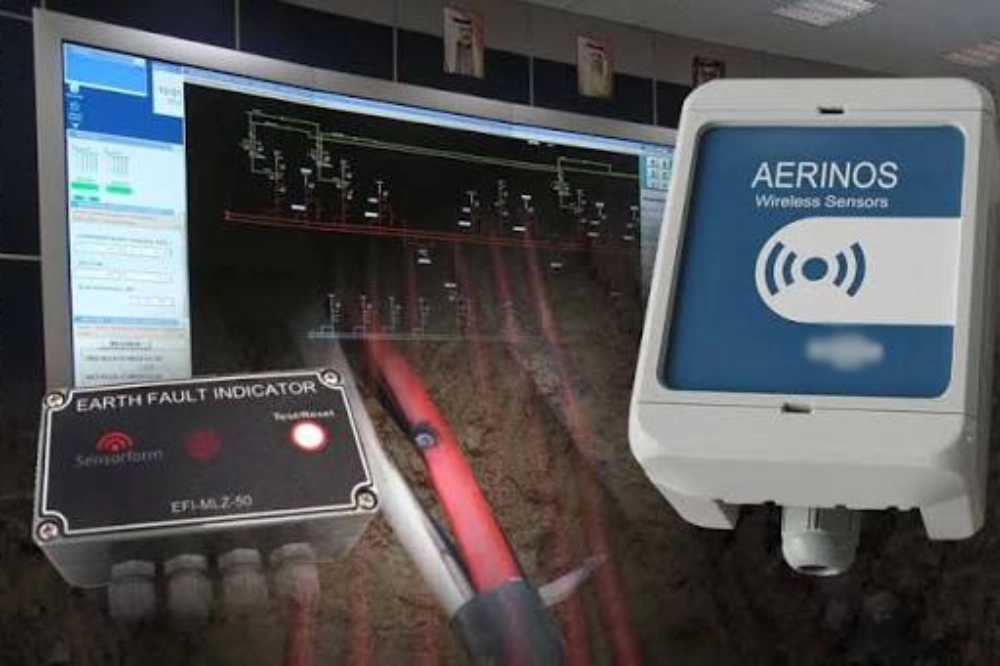
Regular maintenance ensures long term system stability. Technicians inspect relay contacts for wear. Communication systems are tested for signal integrity. Firmware updates improve system performance. Fault indicators help identify issues quickly. Voltage fluctuations may affect system behavior. Troubleshooting begins with signal path analysis. Power stability is verified during diagnostics. Preventive maintenance reduces unexpected downtime. Proper servicing extends equipment lifespan significantly.
Advantages in Modern Power Systems
Modern grids require precise switching control systems. The Grounding Switch Controller improves operational safety and accuracy. It reduces manual intervention in high risk environments. Automation increases switching speed and reliability. System downtime is significantly reduced. Fault isolation becomes more efficient. Integration with smart grids improves scalability. Engineers benefit from predictable system behavior. Operational risks are reduced significantly. It supports modern infrastructure development.
FAQ
What is the main function of a Grounding Switch Controller?
It manages safe grounding operations in electrical systems. It ensures equipment is discharged before maintenance begins. This prevents electrical hazards and accidental energization. It coordinates with protection relays for safe switching. Interlocking logic blocks unsafe operations. Operators can control systems locally or remotely. Feedback confirms successful switching actions. It improves safety in high voltage environments. Industrial systems rely on it for controlled isolation. Its function is essential in modern power networks.
How does it improve electrical safety?
Safety improves through strict switching logic control. It prevents grounding under energized conditions. Fault energy is discharged before access is allowed. Interlocking systems block unsafe commands. Automated sequences reduce human errors. Real time feedback ensures system awareness. Relay coordination improves fault protection. Arc flash risks are significantly reduced. Maintenance operations become safer. Overall system safety is greatly enhanced.
Selection Criteria
Selection depends on voltage level compatibility. Environmental conditions affect device durability. Communication protocols ensure system integration. Mechanical strength influences long term performance.Certification compliance is mandatory. System architecture compatibility must be evaluated. Maintenance accessibility improves efficiency. Cost performance balance is considered. Lifecycle reliability is a key factor. Proper selection ensures stable operation.
Conclusion
The Grounding Switch Controller is vital in high voltage electrical systems. It ensures safe grounding during maintenance and fault conditions. Automation improves system reliability and operational safety. Industrial applications continue to expand globally. Smart grid development increases its importance further. Engineers rely on its precision and stability. It reduces operational risks significantly. Future systems will demand higher integration. Its role in power infrastructure remains critical.
What factors affect selection?
Selection depends on voltage rating and compatibility. Environmental conditions influence durability requirements. Communication support affects integration capability. Mechanical strength ensures long term reliability. Certification compliance is required. System design compatibility must be checked. Maintenance requirements influence usability. Cost efficiency is considered during selection. Lifecycle performance is important. Proper selection ensures safe operation.