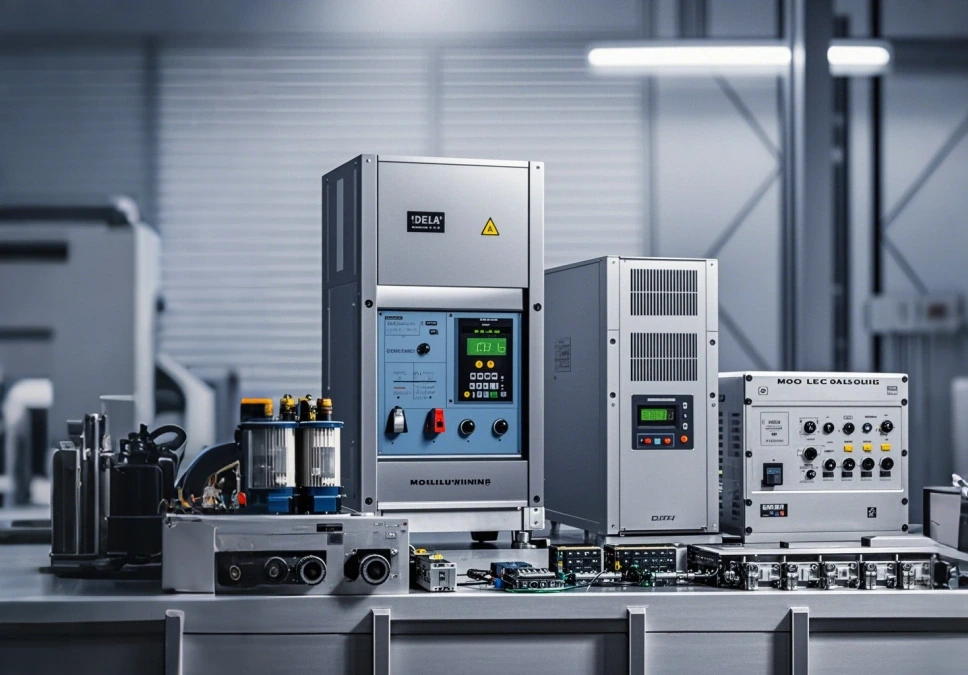
What Is A High Voltage Cabinet Lighting Lamp?
High Voltage Cabinet Lighting Lamp for industrial cabinets, covering design, safety, materials, and applications in high-voltage systems.
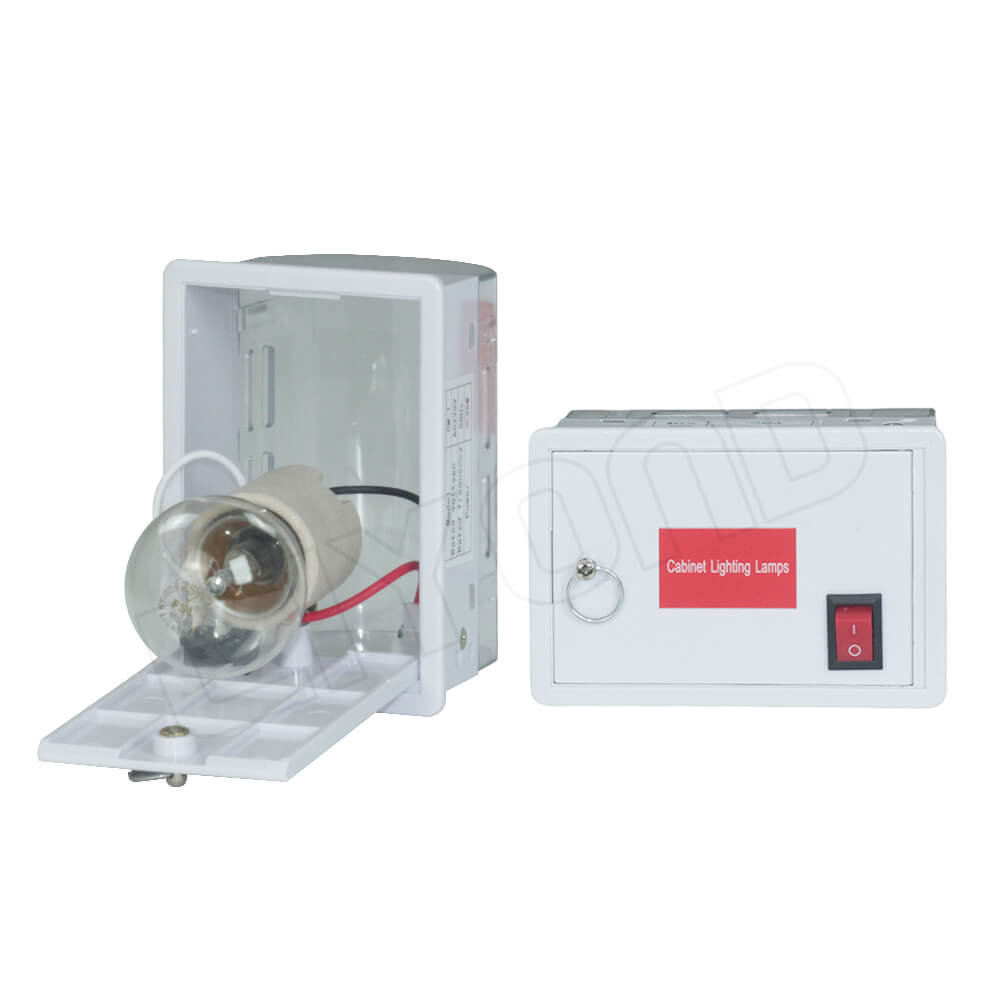
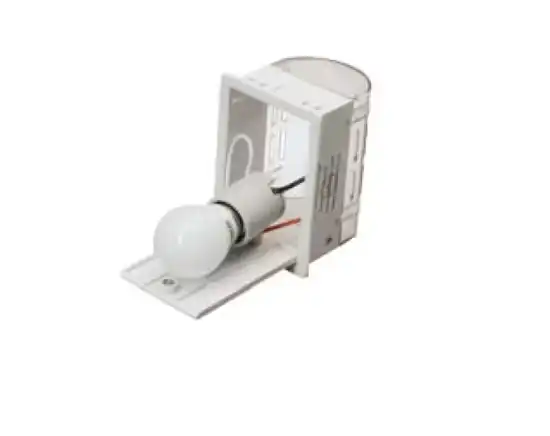
A High Voltage Cabinet Lighting Lamp is a specialized industrial illumination device designed for electrical enclosures operating under elevated voltage conditions. A High Voltage Cabinet Lighting Lamp is widely applied in control cabinets, switchgear systems, and automation panels where stable internal visibility is required for safe inspection and maintenance. It supports technicians during wiring checks, diagnostics, and fault isolation without compromising electrical safety. The system is engineered with insulation protection, thermal stability, and anti-interference structure to ensure reliable operation in demanding environments. Industrial facilities depend on this lighting solution to reduce downtime and improve operational accuracy. Its consistent performance under voltage fluctuation makes it essential in modern energy infrastructure and manufacturing automation systems.
Core Design Principles of High Voltage Cabinet Lighting Lamp
The design of a High Voltage Cabinet Lighting Lamp focuses on electrical insulation, compact structure, and thermal efficiency. Engineers prioritize dielectric materials that prevent leakage currents inside confined metallic environments. Optical diffusion systems are integrated to provide uniform illumination across dense cabinet layouts. Mechanical reinforcement ensures stability in vibration-heavy industrial zones such as power stations and production lines. Heat dissipation channels are embedded to maintain consistent performance during long operational cycles. The High Voltage Cabinet Lighting Lamp also requires electromagnetic shielding to prevent interference with sensitive control systems. Modular design allows flexible installation across different cabinet dimensions. Each structural decision contributes to long-term durability and operational safety in high-demand industrial environments where reliability is critical.
Electrical Architecture and Control Stability
The electrical architecture of industrial cabinet lighting systems is built around voltage regulation, surge protection, and isolated circuit design. Stable current drivers ensure that illumination remains consistent even under fluctuating power supply conditions. Isolation layers separate control circuitry from lighting modules to reduce electrical risk. Surge suppression components protect internal systems from transient voltage spikes. Wiring layouts are optimized to minimize electromagnetic interference within dense electrical cabinets. These systems are engineered for continuous operation in automation environments where uninterrupted visibility is required. High-grade conductive materials improve transmission efficiency and reduce energy loss. This structured architecture ensures operational stability and extends system lifespan in complex industrial installations where electrical reliability is a priority.
Material Engineering and Structural Durability
Material selection plays a critical role in determining system reliability in industrial lighting applications. Polycarbonate housings are commonly used for their high impact resistance and insulation capability. Aluminum heat sinks improve thermal dissipation and prevent overheating during continuous operation. Silicone sealing components protect internal electronics from dust and moisture ingress. Acrylic optical lenses ensure controlled light diffusion without glare. Copper-based conductive elements provide stable electrical performance under load variations. Adhesives used in assembly must withstand high temperatures without structural degradation. These materials collectively ensure long-term durability in harsh industrial environments. Engineers carefully evaluate chemical resistance and mechanical strength to ensure compatibility with demanding operational conditions.
| Component | Material Type | Function |
|---|---|---|
| Housing | Polycarbonate | Insulation and protection |
| Heat Sink | Aluminum Alloy | Thermal management |
| Lens | Acrylic | Light diffusion |
| Sealing | Silicone Rubber | Moisture protection |
Material engineering directly influences operational reliability and service life. Each component contributes to system stability under electrical and environmental stress. Polycarbonate ensures structural safety in high-voltage environments. Aluminum alloys maintain temperature balance during continuous operation. Silicone sealing prevents contamination from external elements. Acrylic lenses enhance visual clarity inside cabinets. These combined material choices ensure consistent performance in industrial applications where safety and durability are essential.
Safety Standards and Compliance Requirements
Safety engineering in industrial lighting systems follows strict compliance frameworks to ensure operational protection. Electrical insulation testing verifies resistance under high-voltage exposure conditions. Thermal endurance validation ensures stable performance during continuous heat cycles. Protection ratings such as IP65 define resistance to dust and moisture intrusion. Grounding systems prevent accidental current leakage into metallic cabinet structures. Certification processes often include third-party inspection to validate manufacturing quality. The High Voltage Cabinet Lighting Lamp must pass aging simulations to confirm long-term stability under industrial stress conditions. These safety requirements reduce operational risks and ensure reliable integration into sensitive electrical systems used in automation and energy infrastructure.
Installation Procedures and Engineering Practices
Installation of a High Voltage Cabinet Lighting Lamp requires structured engineering procedures to ensure safety and efficiency. Technicians begin by isolating the power supply and verifying zero voltage conditions. Mounting positions are selected based on cabinet geometry and maintenance accessibility. Wiring is routed through insulated channels to prevent interference with control circuits. Secure grounding is established before system activation. Installation angles are adjusted to achieve uniform internal illumination without glare. Cable management prevents mechanical stress during cabinet door movement. Functional testing confirms stable operation under load conditions. Proper installation significantly enhances system reliability and reduces long-term maintenance requirements in industrial environments.
High Voltage Cabinet Lighting Lamp Selection Criteria for Industrial Buyers
Selection of lighting systems for industrial cabinets depends on multiple technical and operational parameters. Voltage compatibility ensures integration with existing electrical infrastructure. Lumen output is evaluated based on cabinet size and inspection requirements. Thermal resistance determines suitability for continuous operation environments. Protection ratings indicate resilience against dust and moisture exposure. Maintenance accessibility is considered to reduce downtime during servicing. Supplier certification and manufacturing consistency are also critical evaluation factors. Lifecycle cost analysis helps determine long-term economic efficiency. Integration capability with automation systems enhances operational flexibility. These criteria ensure that selected systems meet industrial reliability and safety expectations across diverse applications.
Performance Benefits in Industrial Environments
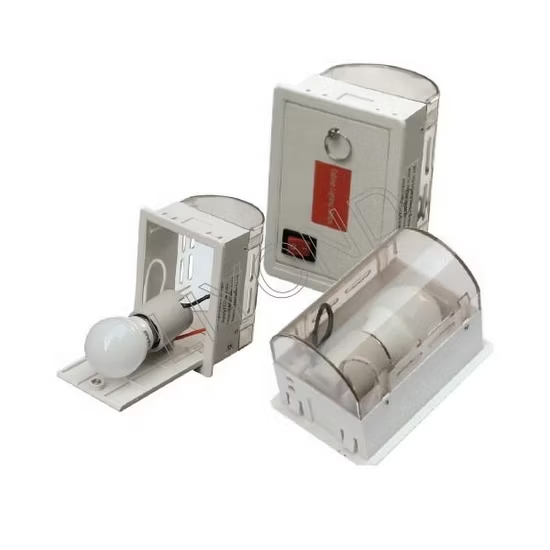
A High Voltage Cabinet Lighting Lamp delivers significant operational advantages in industrial environments requiring precision visibility. Stable illumination improves diagnostic accuracy during maintenance and inspection procedures. Energy-efficient design reduces overall power consumption in large-scale facilities. Compact structure allows integration into densely packed control cabinets. Low heat emission protects sensitive electronic components from thermal stress. Long service life reduces replacement frequency and maintenance costs. The High Voltage Cabinet Lighting Lamp also enhances workflow efficiency by providing consistent visibility during critical operations. Its reliability supports uninterrupted production processes in manufacturing, energy, and automation sectors where operational continuity is essential.
| Failure Mode | Cause | Mitigation Strategy |
|---|---|---|
| LED Aging | Thermal overload | Improved heat dissipation |
| Voltage Instability | Power fluctuation | Surge protection system |
| Moisture Ingress | Poor sealing | Enhanced IP-rated enclosure |
Failure analysis highlights the importance of preventive engineering in industrial lighting systems. Thermal overload accelerates component degradation if not properly managed. Voltage instability can damage internal circuits without protection modules. Moisture ingress leads to corrosion and electrical failure in harsh environments. Engineering improvements such as better heat dissipation, surge protection, and sealing significantly enhance system reliability. These strategies reduce downtime and improve long-term operational stability in industrial applications.
Maintenance Strategies and System Longevity
Maintenance strategies for industrial lighting systems focus on predictive inspection and scheduled servicing. Regular cleaning prevents dust accumulation that reduces illumination efficiency. Electrical connectors are inspected for corrosion or loosening over time. Thermal monitoring helps identify early signs of overheating. Driver circuits are tested for voltage stability under load conditions. Replacement schedules are based on operational hours rather than failure events. Preventive maintenance reduces unexpected downtime and improves system reliability. Engineers also conduct insulation resistance testing to ensure electrical safety. Proper maintenance planning extends operational lifespan and ensures consistent performance in demanding industrial environments.
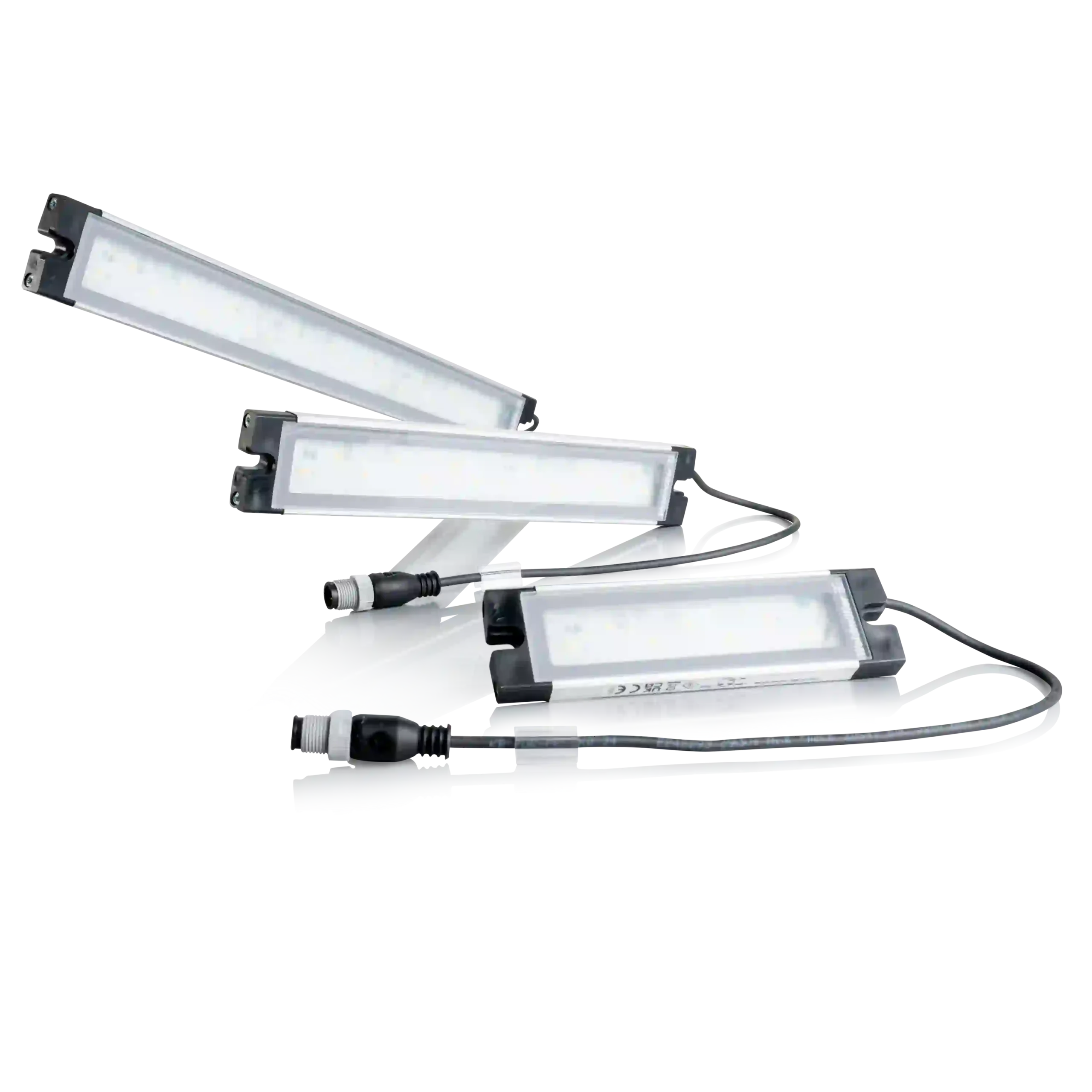
High Voltage Cabinet Lighting Lamp Application Value in Modern Industry
Industrial application of a High Voltage Cabinet Lighting Lamp spans across power generation, manufacturing automation, and transportation infrastructure systems. It supports inspection of switchgear units in energy facilities and monitoring of PLC cabinets in production lines. Renewable energy systems use it in inverter control panels for stable operation. Transportation signaling systems rely on consistent internal illumination for control reliability. These applications require stable lighting under high-voltage conditions where safety and precision are essential. The High Voltage Cabinet Lighting Lamp provides a reliable solution that enhances operational visibility and supports efficient system management across multiple industrial sectors.
Energy Efficiency Optimization in Industrial Lighting Systems
Energy optimization strategies focus on intelligent control systems and efficient LED driver design. Adaptive brightness control adjusts illumination based on cabinet access conditions. High-efficiency LED chips reduce power consumption while maintaining stable output. Circuit design minimizes energy loss during voltage conversion. Heat dissipation improvements reduce wasted energy caused by thermal buildup. Smart integration allows synchronization with industrial monitoring systems for automated control. These techniques reduce operational costs and improve sustainability in large-scale industrial environments. Energy-efficient lighting contributes to long-term environmental compliance and supports modern manufacturing efficiency goals.
FAQ
What industries use high voltage cabinet lighting lamps?
Industrial sectors such as power generation, automation manufacturing, and transportation infrastructure widely use high voltage cabinet lighting systems. Energy facilities depend on them for safe inspection of electrical switchgear. Manufacturing plants use them to monitor control cabinets and robotic systems. Renewable energy installations integrate them into inverter and distribution panels. Transportation systems apply them in signaling and control cabinets. These industries require reliable illumination in high-voltage environments where safety and precision are critical. The High Voltage Cabinet Lighting Lamp ensures stable visibility during maintenance and diagnostics, supporting operational continuity and reducing system downtime across industrial applications.
How to ensure safety during installation and operation?
Safety procedures begin with complete power isolation and voltage verification before installation. Insulated tools are required to prevent accidental electrical contact. Proper grounding must be established before system activation. Wiring should be routed away from sharp edges and heat sources. During operation, periodic inspection ensures connectors remain secure and free from corrosion. Surge protection devices help prevent voltage irregularities. Environmental sealing must be maintained to avoid moisture ingress. Operator training on electrical safety standards reduces risk exposure. These combined practices ensure safe and reliable operation in industrial environments where electrical hazards are present.
What factors affect the lifespan of cabinet lighting systems?
The lifespan of industrial cabinet lighting systems depends on thermal management, voltage stability, and material quality. Excessive heat accelerates LED degradation and reduces efficiency over time. Voltage fluctuations can damage internal driver circuits if not properly regulated. Poor sealing allows dust and moisture to enter, causing corrosion or short circuits. Frequent switching cycles may also reduce component longevity. High-quality materials improve resistance to mechanical and environmental stress. Proper installation and regular maintenance significantly extend service life. Engineers consider these factors during system design to ensure long-term reliability and reduce operational costs in industrial environments.