What Is a High-Voltage Contact Box Used For?
High-Voltage Contact Box supports safe switching, insulation, and reliable control in industrial power systems enhanced operational safety.
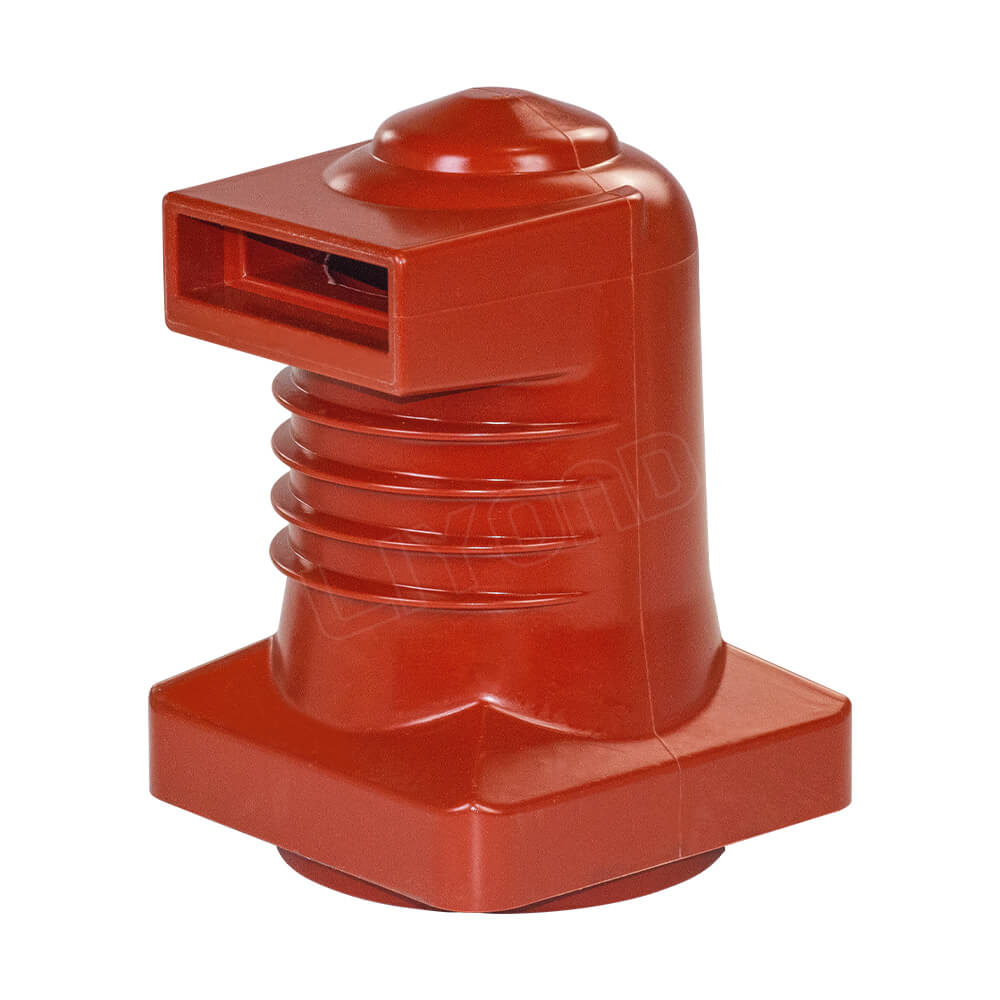
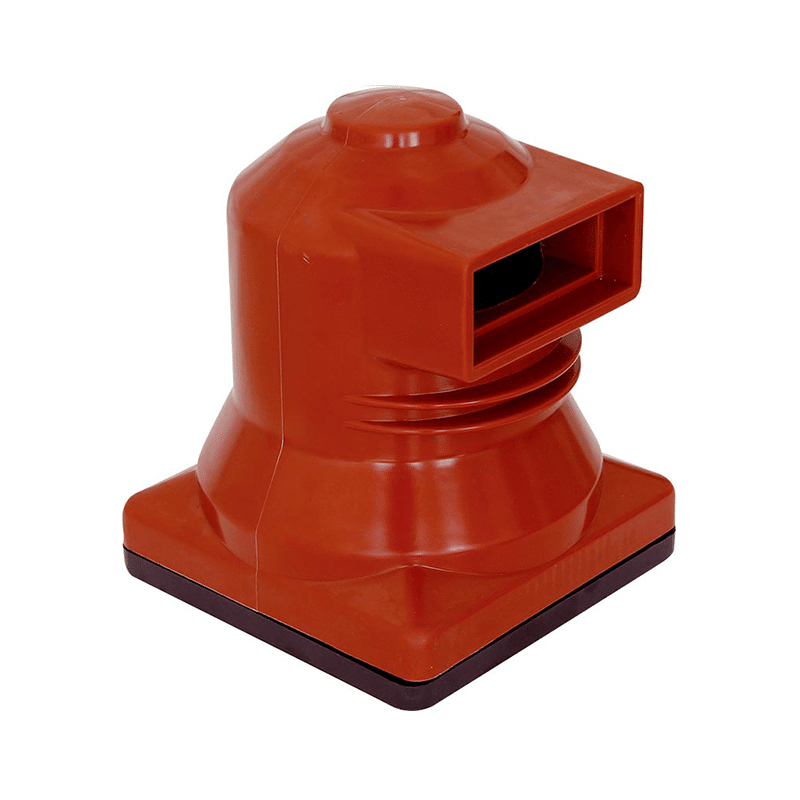
High-Voltage Contact Box serves as a critical unit in electrical distribution infrastructure across heavy industries. It enables stable current transmission under high-voltage stress conditions. Engineers apply this device in substations, grid networks, and industrial control environments. It supports safe conductor connection and controlled switching behavior. The system reduces electrical risk during load variation and fault events. Operators depend on stable performance to maintain continuous energy flow. Its structure combines conductive precision with insulation reliability. Mechanical design ensures durability in harsh operational climates. Maintenance planning improves long-term stability and reduces unexpected shutdown risks. Industrial networks rely on this equipment for secure energy routing and operational consistency across demanding applications.
Core Function in Electrical Systems
High-Voltage Contact Box manages controlled switching between high-voltage circuits in complex electrical networks. It regulates current flow during normal operation and fault conditions. The system ensures safe separation and reconnection of conductors. Arc suppression design reduces damage during switching cycles. Engineers integrate protective insulation layers to prevent leakage current. Thermal stability supports long-duration operation under heavy load. The device maintains system balance during sudden demand changes. Operators use it to isolate faults quickly and safely. Reliable switching improves grid efficiency and reduces downtime. Energy networks depend on precise electrical control for safe operation.
Internal Structure and Engineering Design
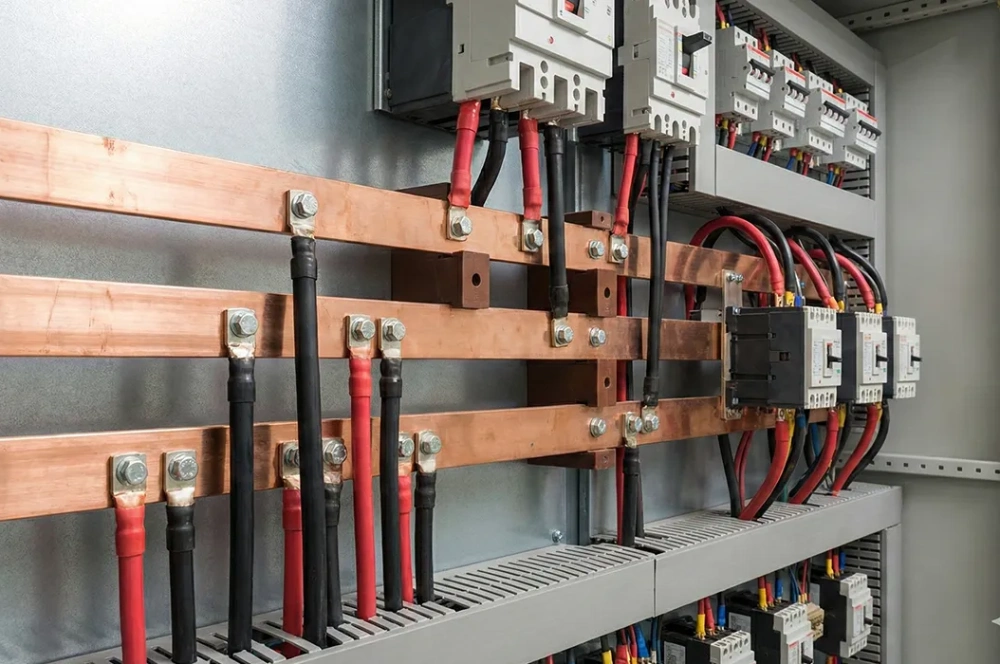
High-Voltage Contact Box includes conductive plates, insulation layers, arc chambers, and sealed housings. Each component supports controlled electrical behavior under stress conditions. Copper-based conductors ensure efficient energy transfer. Epoxy insulation improves dielectric strength across voltage gradients. Mechanical housing protects internal parts from moisture and dust exposure. Engineers design contact geometry to reduce resistance during switching cycles. Thermal buffers prevent deformation under heat expansion. Arc chambers safely dissipate electrical discharge energy. Structural alignment improves operational accuracy and reduces mechanical wear. Integrated sealing systems enhance long-term environmental resistance.
Key Materials and Performance Characteristics
High-Voltage Contact Box relies on advanced conductive and insulating materials for stable operation. Copper alloys provide high conductivity with minimal energy loss. Epoxy resin ensures strong insulation under high electrical stress. Stainless steel enhances structural strength and corrosion resistance. Silicone sealing materials block moisture and environmental contaminants. Composite insulation layers reduce dielectric breakdown risk. Thermal polymers support stable performance under heat cycles. Material compatibility improves long-term operational reliability. Manufacturing precision ensures uniform performance across production batches. Engineers select materials based on durability, conductivity, and safety requirements.
Safety Standards and Compliance Requirements
High-Voltage Contact Box must comply with strict international electrical safety standards for industrial deployment. IEC 62271 series standards define requirements for high-voltage switchgear and controlgear, including insulation levels, short-circuit performance, and operational safety margins. IEEE C37 standards regulate design, testing, and performance verification for medium and high-voltage switching equipment used in power systems. Certification processes based on these frameworks confirm compliance before system installation. High-voltage dielectric testing validates insulation integrity under extreme electrical stress conditions. Mechanical stress tests simulate real operational environments such as vibration, impact, and load fluctuation. Thermal cycling validation ensures structural stability during repeated temperature changes. Documentation systems maintain traceable production and test records for audit and quality assurance purposes. Safety compliance reduces operational hazards in industrial environments. Regulatory alignment ensures compatibility with global power infrastructure requirements and cross-border engineering projects.
| Material Type | Primary Role | Benefit |
|---|---|---|
| Copper Alloy | Conductive system | Low resistance energy transfer |
| Epoxy Resin | Insulation layer | High dielectric strength |
| Stainless Steel | Structural support | Corrosion resistance |
Material engineering directly influences electrical performance and system reliability. Proper selection reduces failure probability in long-term operation. Balanced integration of conductive and insulating materials ensures stable energy transmission. Industrial design prioritizes durability under continuous electrical load conditions.
Industrial Applications in Power Networks
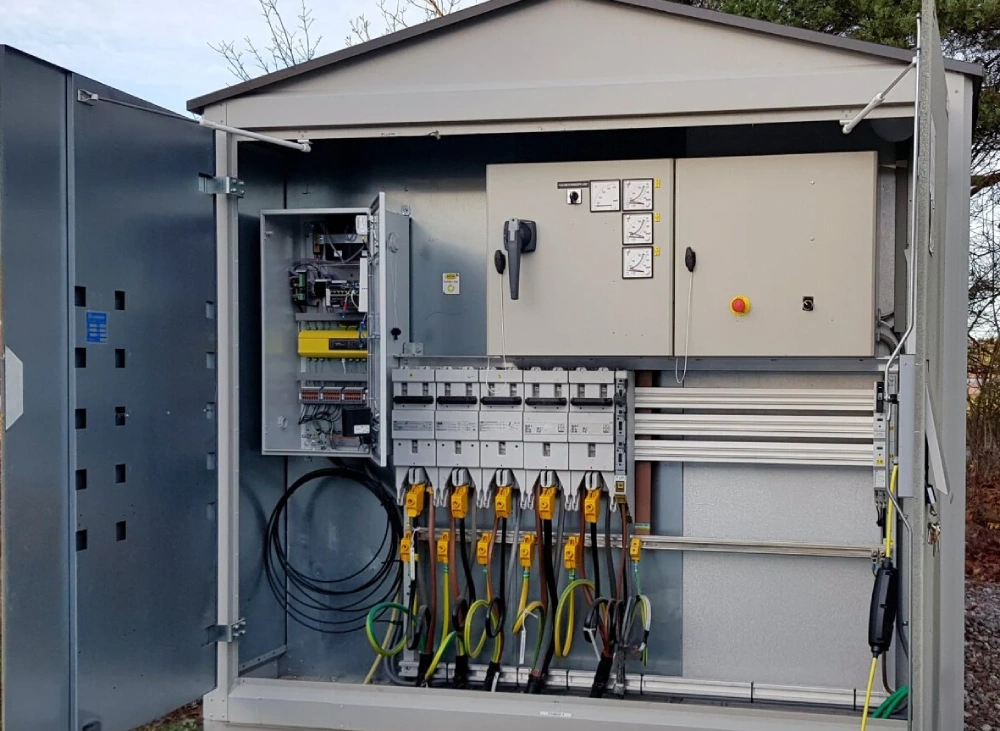
High-Voltage Contact Box operates across substations, renewable energy systems, and industrial power networks. It supports controlled energy distribution in high-load environments. Power plants use it for switching and isolation functions. Renewable systems integrate it into grid connection modules. Manufacturing facilities rely on it for heavy equipment power control. Railway systems use it for stable electrification management. Mining operations depend on durable switching performance in harsh environments. Data centers apply it for backup power stability. Grid expansion projects require scalable switching infrastructure. Engineers customize configurations based on system demand and load conditions.
| Application Area | Function | Requirement |
|---|---|---|
| Power Substation | Load switching | High fault tolerance |
| Renewable Energy | Grid integration | Voltage stability |
| Industrial Plant | Equipment control | Continuous operation |
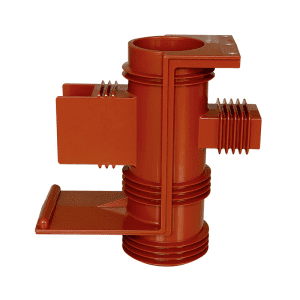
Application environments require precise electrical coordination for safe operation. Each sector demands specific performance characteristics and protection levels. Proper system design improves efficiency and operational stability. Engineering adjustments ensure compatibility with environmental and load conditions.
Installation and Operational Requirements
High-Voltage Contact Box installation requires strict alignment, grounding, and safety verification procedures. Technicians ensure secure mechanical mounting before electrical activation. Cable routing must avoid electromagnetic interference zones. Environmental protection ratings guide enclosure selection for different conditions. Humidity and temperature control improve long-term stability. Electrical insulation testing confirms system readiness before operation. Inspection procedures identify structural or connection issues early. Maintenance scheduling extends service life and reduces failure risks. Operational reliability depends on correct installation practices and consistent monitoring.
Performance Optimization Strategies
System optimization focuses on improving efficiency, thermal control, and switching stability. Advanced cooling design reduces heat accumulation during operation. Arc suppression technology minimizes contact wear during switching cycles. Engineers refine contact geometry to lower resistance levels. Material improvements enhance conductivity and durability balance. Vibration resistance ensures mechanical stability in dynamic environments. Monitoring systems track performance indicators in real time. Predictive maintenance reduces unexpected failures and downtime. Operational efficiency increases through continuous design improvements. Long-term stability depends on precise engineering optimization.
Failure Modes and Troubleshooting
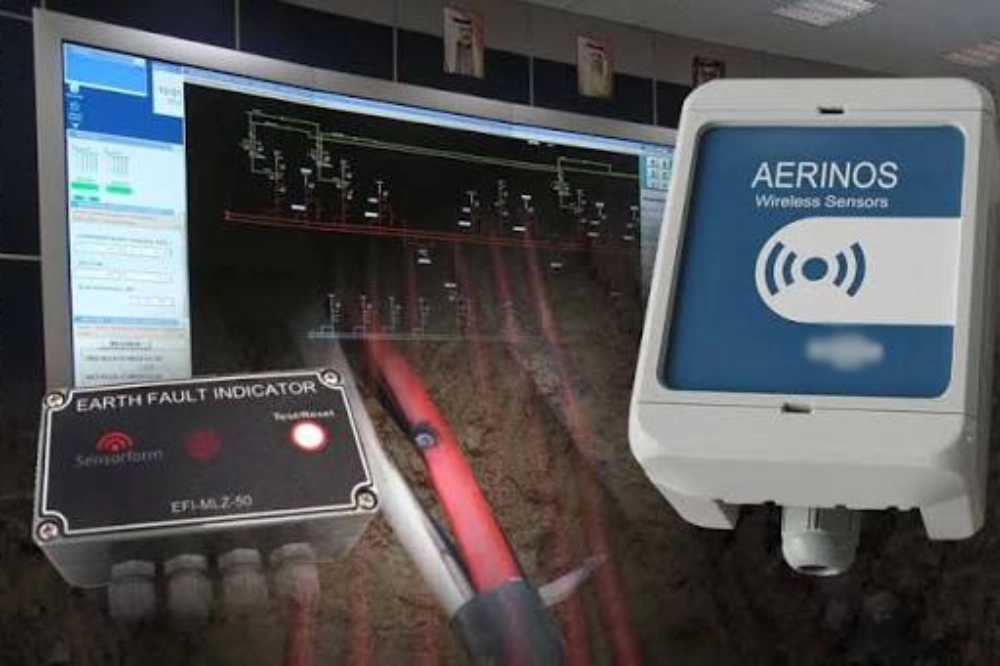
Electrical contact wear remains a common issue in high-voltage systems. Oxidation increases resistance and reduces efficiency over time. Insulation degradation may lead to leakage current risks. Overheating often indicates load imbalance or ventilation issues. Mechanical loosening affects connection stability and safety. Diagnostic tools help identify early-stage failures. Thermal imaging detects abnormal heat distribution patterns. Resistance testing verifies contact performance accuracy. Preventive maintenance reduces unexpected breakdown risks. Structured troubleshooting improves long-term system reliability.
Advantages in Modern Electrical Infrastructure
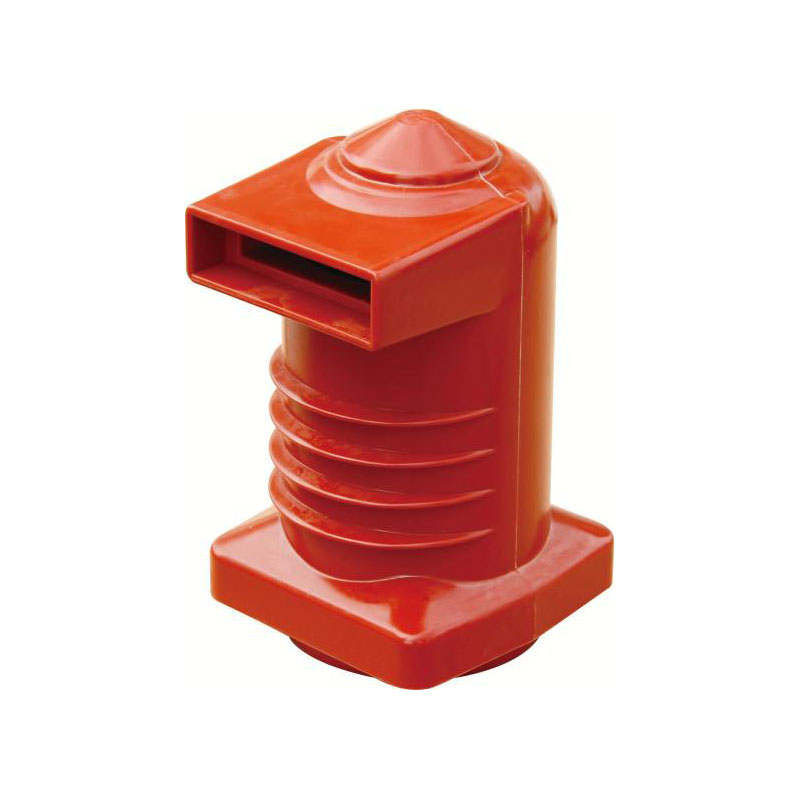
This system improves reliability and safety across high-voltage power networks. It enhances fault isolation speed during emergency conditions. Energy distribution becomes more stable and efficient. Maintenance requirements decrease due to durable design improvements. System downtime is significantly reduced under optimized conditions. Engineers achieve better control over complex load systems. Operational flexibility increases across large-scale grids. Infrastructure expansion becomes more scalable and efficient. Fault response time improves significantly in critical systems. Long-term operational cost efficiency benefits industrial operators.