What Is A Post Insulator Used For?
Post Insulator in power systems improves insulation strength, mechanical support, and grid reliability for industrial applications.
Post Insulator plays a key role in high voltage electrical infrastructure. It supports live conductors while preventing current leakage to grounded structures. Power engineers use it in substations and switching stations to maintain safe electrical separation. The device ensures stable operation under mechanical load and electrical stress. Modern grids rely on it to reduce outage risks and equipment failure. It must perform consistently under harsh outdoor conditions. Wind, pollution, and temperature changes all affect its behavior. Utility companies select designs based on durability and voltage rating. Long term stability is essential for safe energy transmission networks.
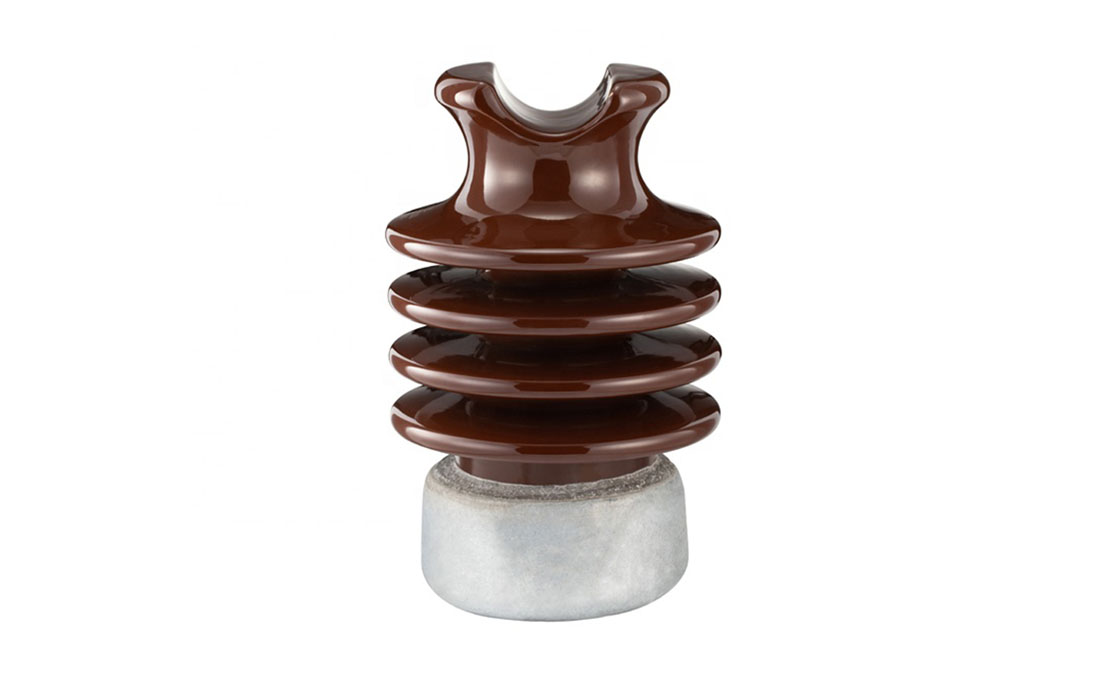

Post Insulator Working Principle in Electrical Insulation Systems
The working principle is based on high dielectric resistance and structural support. It prevents electrical discharge between energized conductors and grounded metal parts. Its shape increases creepage distance to reduce leakage current along surfaces. Electric field distribution is carefully optimized through engineering design. Environmental conditions like moisture and dust can impact insulation performance. Engineers design profiles to reduce contamination buildup and flashover risk. Mechanical strength ensures stable positioning under conductor tension. This dual function makes it essential in high voltage systems.
Key Materials Used in Post Insulator Manufacturing and Performance Impact
Manufacturers commonly use porcelain, composite polymers, and epoxy resin materials. Porcelain offers strong compressive strength and long service life. Composite materials are lightweight and perform well in polluted environments. Polymer surfaces often provide hydrophobic properties that reduce leakage current. Epoxy systems offer balanced electrical insulation and cost efficiency. Each material responds differently to temperature and humidity changes. Thermal expansion behavior affects long term structural stability. Material selection depends on voltage level, environment, and mechanical load requirements.
Mechanical Strength and Voltage Resistance Design of Post Insulator
Design must balance electrical insulation and structural load capacity. Engineers reinforce internal structures to handle conductor tension and wind force. Insulation geometry controls electric field distribution and flashover performance. Finite element analysis is often used to evaluate stress concentration. Outdoor installations require resistance to vibration and thermal cycling. Mechanical stability ensures long service life in demanding conditions. Proper design reduces failure risk under extreme electrical stress.
| Parameter | Porcelain Type | Composite Type |
|---|---|---|
| Dielectric Strength | High | Very High |
| Weight | Heavy | Light |
| Pollution Resistance | Medium | High |
| Mechanical Strength | Very High | High |
Mechanical Strength and Voltage Resistance Data Interpretation
Porcelain structures provide strong compressive performance in stable environments. Composite types reduce installation difficulty due to lower weight. Electrical performance remains reliable in both categories. Pollution resistance becomes critical in coastal or industrial zones. Engineers select materials based on environmental exposure conditions. Field testing confirms long term reliability under rated load. Proper selection improves system safety and reduces maintenance frequency.
Post Insulator Applications in Power Transmission and Distribution Networks
Power transmission systems depend heavily on insulation support devices. They are widely used in substations, circuit breakers, and disconnect switches. Distribution networks rely on them for safe voltage separation. Industrial facilities use them for internal power routing systems. Outdoor environments require high resistance to pollution and weather conditions. Design flexibility allows adaptation to multiple voltage levels. Proper installation improves system stability and operational safety.
- Substation busbar support systems
- Medium voltage distribution panels
- High voltage switching equipment
- Railway electrification systems
- Renewable energy grid integration
Each application requires specific mechanical and electrical ratings. Engineers evaluate load capacity, clearance distance, and environmental stress. Proper system design ensures long term reliability and reduced fault risk.
Post Insulator Applications in Transmission Systems Data Overview
Different grid environments require different insulation configurations. Urban systems prioritize compact design and space efficiency. Industrial zones demand high contamination resistance. Rural transmission lines focus on mechanical durability. Renewable energy systems require flexible integration options. Each scenario influences selection criteria. Engineering teams evaluate operational conditions before deployment. This ensures stable and safe power distribution across networks.
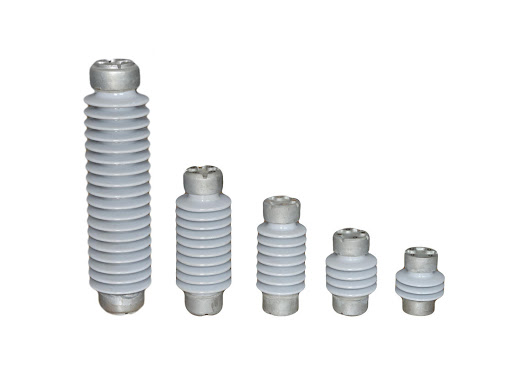
Post Insulator in Substation Equipment Integration and Structural Support
Substations require precise insulation layout and mechanical stability. Equipment spacing must meet electrical clearance requirements. Structural supports handle both static and dynamic loads. Thermal expansion must be considered in installation design. Vibration from switching operations can affect long term stability. Proper alignment prevents stress concentration and material fatigue. Engineers coordinate electrical and mechanical design for safe operation.
International Standards and Testing Requirements for Post Insulator
Global standards define strict performance requirements for insulation equipment used in high voltage networks. The IEC framework is the most widely adopted international system. IEC 60168 specifies test methods for insulators under power frequency conditions. IEC 60660 defines requirements for insulation coordination and electrical clearance. IEC 61109 applies to composite suspension and line insulators and influences polymer post designs. IEC 60273 provides guidance for dielectric properties of insulator materials. In North America, ANSI C29 series standards define dimensional, mechanical, and electrical requirements. ANSI C29.9 specifically covers polymer insulators used in outdoor applications. These standards ensure compatibility across transmission and distribution systems worldwide.
Impulse voltage tests evaluate surge resistance capability under lightning and switching events. Mechanical load tests confirm structural integrity under conductor tension and wind stress. Thermal cycling tests simulate extreme environmental temperature variations across seasons. Pollution tests assess performance in contaminated industrial or coastal environments. Each test is defined under IEC or ANSI procedural frameworks with strict acceptance criteria. Certification requires passing all mechanical and dielectric thresholds without breakdown or permanent deformation. Manufacturers must maintain batch consistency to meet compliance audits.
| Test Type | Standard Reference | Requirement | Purpose |
|---|---|---|---|
| Impulse Voltage | IEC 60060 / IEC 60168 | High Surge Levels | Flashover Resistance |
| Mechanical Load | IEC 61109 / ANSI C29 | Rated Force | Structural Stability |
| Thermal Cycling | IEC 62217 | -40°C to 70°C | Material Durability |
| Pollution Test | IEC 60815 | Salt Fog / Contamination | Environmental Resistance |
Standards and Testing Data Interpretation
Testing confirms reliability under extreme electrical and environmental conditions. Impulse testing ensures safe operation during voltage spikes. Mechanical evaluation validates load bearing capacity. Thermal cycling reveals material expansion behavior. Pollution tests simulate real world contamination exposure. Compliance ensures safe deployment in global power networks. Standardization improves interoperability across systems.
Installation Considerations for Post Insulator Systems in Industrial Projects
Installation accuracy directly affects performance and safety. Misalignment can create uneven stress distribution. Proper torque application prevents structural damage. Grounding systems must follow engineering specifications. Environmental sealing reduces moisture penetration risk. Electrical clearance distances must be strictly maintained. Inspection after installation ensures system integrity. Correct procedures improve long term operational reliability.
FAQ
What voltage levels can a post insulator support in substations?
Voltage capability depends on design class and insulation structure. Medium voltage models support standard distribution systems. High voltage versions are used in transmission substations. Extra high voltage applications require specialized designs. Creepage distance and insulation coordination affect performance limits. Environmental conditions influence real operating voltage capacity. Engineers select ratings based on safety margins. Testing ensures compliance with impulse and power frequency standards.
Maintenance Strategies and Lifecycle Performance of Post Insulator
Regular maintenance ensures stable long term operation. Cleaning removes surface contamination that increases leakage current. Thermal imaging detects abnormal heating patterns early. Mechanical inspections verify structural stability. Replacement schedules depend on environmental conditions. Predictive maintenance reduces unexpected failure risk. Monitoring systems improve operational efficiency. Proper maintenance extends service life significantly.
Engineering Value and System Reliability of Post Insulator
Post insulators provide essential electrical isolation and mechanical support. They ensure stable performance under high voltage stress. System reliability improves with consistent insulation quality. Advanced materials increase durability and reduce maintenance needs. Grid stability depends on reliable insulation systems. Proper design reduces risk of cascading failures. Long term performance defines engineering value in power infrastructure.
How does material choice affect post insulator durability?
Material selection directly impacts long term mechanical and electrical performance. Porcelain provides strong compressive strength and long lifespan. Composite materials perform better in polluted environments. Polymer surfaces reduce contamination related leakage current. Epoxy systems balance cost and insulation capability. Temperature changes influence structural stability over time. UV exposure affects outdoor material aging. Proper selection improves durability and operational reliability.
What are common failure modes of post insulators in industrial use?
Common failures include flashover, mechanical fracture, and surface tracking. Flashover occurs when contamination reduces insulation performance. Mechanical failure results from overload or installation errors. Surface tracking develops due to long term leakage current exposure. Moisture increases surface conductivity and risk of breakdown. Environmental pollution accelerates material degradation. Poor maintenance increases failure probability. Regular inspection reduces operational risks significantly.