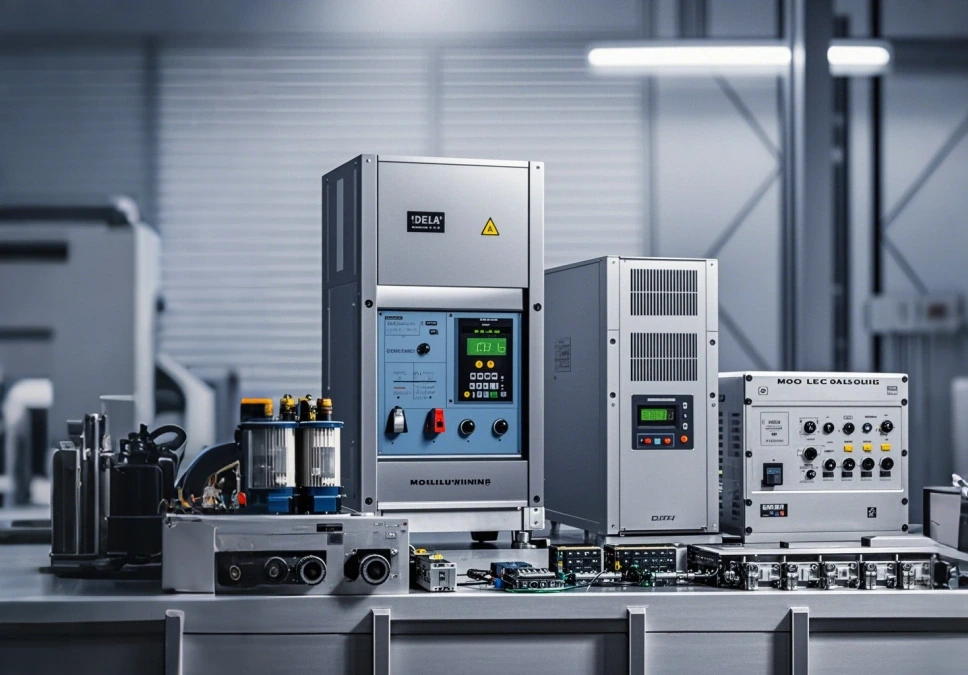
What Is An Industrial Grade Aluminum Alloy Heater?
Industrial grade Aluminum Alloy Heater delivers stable performance, durability, and efficient thermal control for B2B systems.
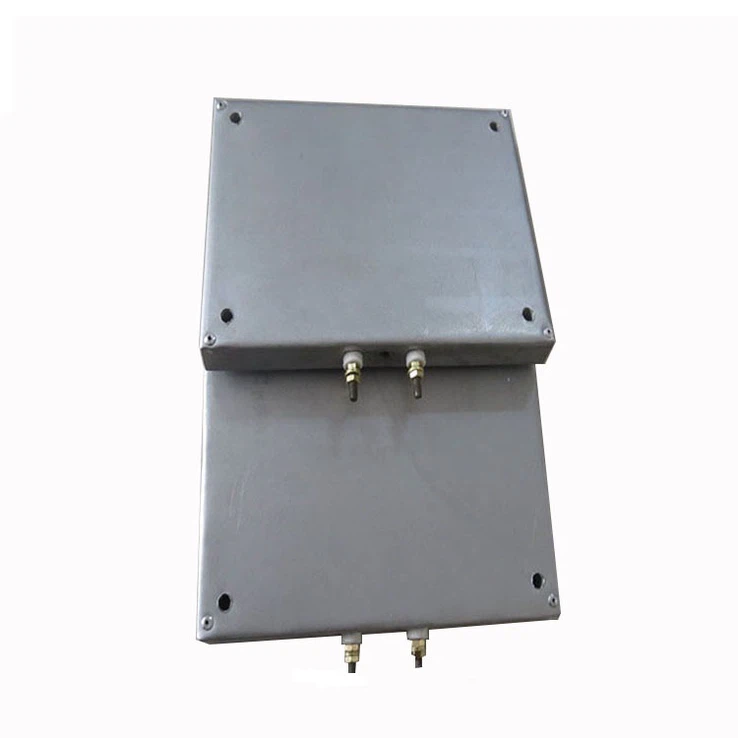
The industrial grade Aluminum Alloy Heater is widely used in modern industrial heating systems. It delivers stable thermal output for demanding production environments. Manufacturers rely on it to maintain consistent process temperatures. In B2B operations, precision heating directly impacts product quality and efficiency. This heating solution integrates aluminum alloy housing for improved heat distribution. Engineers design it for continuous operation under high load conditions. Industrial facilities often choose it for reliability and long service cycles. Thermal stability reduces production fluctuations and improves output consistency. Energy efficiency also plays a key role in operational cost control. This component supports automation systems in multiple sectors. Its structure enables fast heat response and controlled thermal balance. Many factories adopt it to improve manufacturing precision and reduce downtime.
Industrial Grade Aluminum Alloy Heater Material Composition and Structure
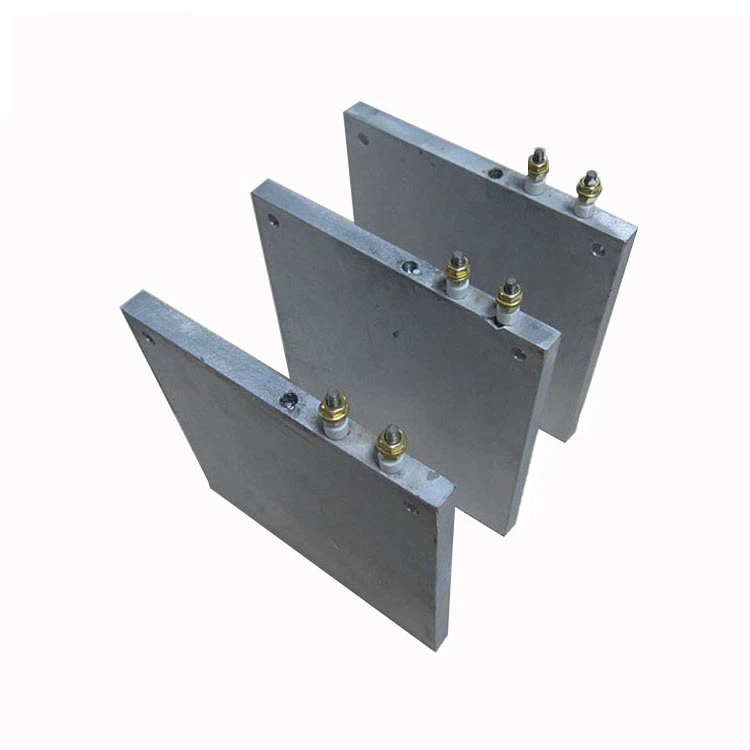
The industrial grade Aluminum Alloy Heater uses high-purity aluminum alloy as its core material. This structure enhances thermal conductivity and mechanical strength. Alloy elements such as silicon and magnesium improve durability under thermal stress. Engineers optimize density to balance weight and heat transfer efficiency. Internal resistance wires are embedded for uniform heat distribution. The outer shell resists corrosion and oxidation in harsh environments. Thermal expansion is controlled through precision alloy formulation. This ensures stable performance under repeated heating cycles. Industrial design standards require strict tolerance control during fabrication. The material also supports rapid heat dissipation after shutdown. Such characteristics reduce overheating risks in continuous production lines. Overall structural design prioritizes stability, efficiency, and long-term operational safety.
Industrial Grade Aluminum Alloy Heater Manufacturing Process
Production begins with CNC machining of aluminum alloy blocks into precise forms. Engineers ensure dimensional accuracy for consistent thermal behavior. Heating elements are then embedded into pre-designed channels. These channels distribute heat evenly across the surface. Insulation layers are applied to improve energy efficiency and safety. Each unit undergoes controlled assembly to avoid structural deformation. Quality control teams inspect electrical resistance values and insulation performance. Thermal cycling tests simulate real industrial operating conditions. Manufacturing follows strict industrial certification requirements for reliability. Surface finishing enhances corrosion resistance and mechanical durability. Automated testing systems verify output consistency across batches. Every stage focuses on precision, safety, and performance stability. Final products are calibrated before shipment to ensure industrial readiness.
Industrial Grade Aluminum Alloy Heater Thermal Performance Characteristics
Thermal performance depends on conductivity and structural design efficiency. Aluminum alloy enables rapid heat transfer across the heating surface. Temperature uniformity is maintained through embedded resistance layouts. This prevents localized overheating during continuous operation. Energy input is efficiently converted into usable thermal output. Systems are designed to minimize heat loss during transfer. Response time remains short even under variable load conditions. Industrial environments benefit from stable and predictable heating curves. Control systems integrate sensors for real-time temperature regulation. Efficiency improvements reduce overall power consumption in production cycles. Long operational stability supports high-demand manufacturing processes. Heat distribution consistency improves product quality in sensitive applications. Engineers prioritize both performance stability and energy optimization.
Industrial Applications of Industrial Grade Aluminum Alloy Heater
This heating system is widely used in plastic injection molding equipment. It ensures stable mold temperatures for consistent product shaping. Semiconductor manufacturing also relies on controlled heating precision. Packaging machinery uses it for sealing and thermal bonding processes. Automotive component production benefits from its stable heat output. Food processing equipment integrates it for controlled thermal treatment. Textile machinery uses it to stabilize fiber processing temperatures. Industrial automation systems depend on predictable thermal control. The heater performs well in continuous-duty environments. It supports both small-scale and large-scale production lines. Its adaptability makes it suitable for diverse industrial sectors. Engineers value its reliability in high-volume manufacturing settings. Thermal consistency improves operational efficiency across industries.
Industrial Grade Aluminum Alloy Heater Technical Specifications Overview
Typical specifications include voltage ranges from 110V to 480V. Power density is optimized for balanced thermal output and safety. Operating temperatures can reach up to 350°C in standard models. Thickness varies depending on application requirements and design constraints. Tolerance levels are maintained within strict industrial standards. Lifespan depends on operating cycles and environmental conditions. Electrical insulation strength ensures safe continuous operation. Resistance values are calibrated for uniform heating distribution. Mechanical strength supports vibration-heavy industrial environments. Thermal response time is optimized for fast production cycles. Surface treatment improves oxidation resistance and durability. These specifications ensure stable performance in demanding applications.
| Parameter | Standard Range | Industrial Benefit |
|---|---|---|
| Voltage | 110V - 480V | Flexible system integration |
| Max Temperature | Up to 350°C | High-heat process support |
| Power Density | 1.5 - 5 W/cm² | Stable energy distribution |
| Material | Aluminum Alloy | Efficient heat conduction |
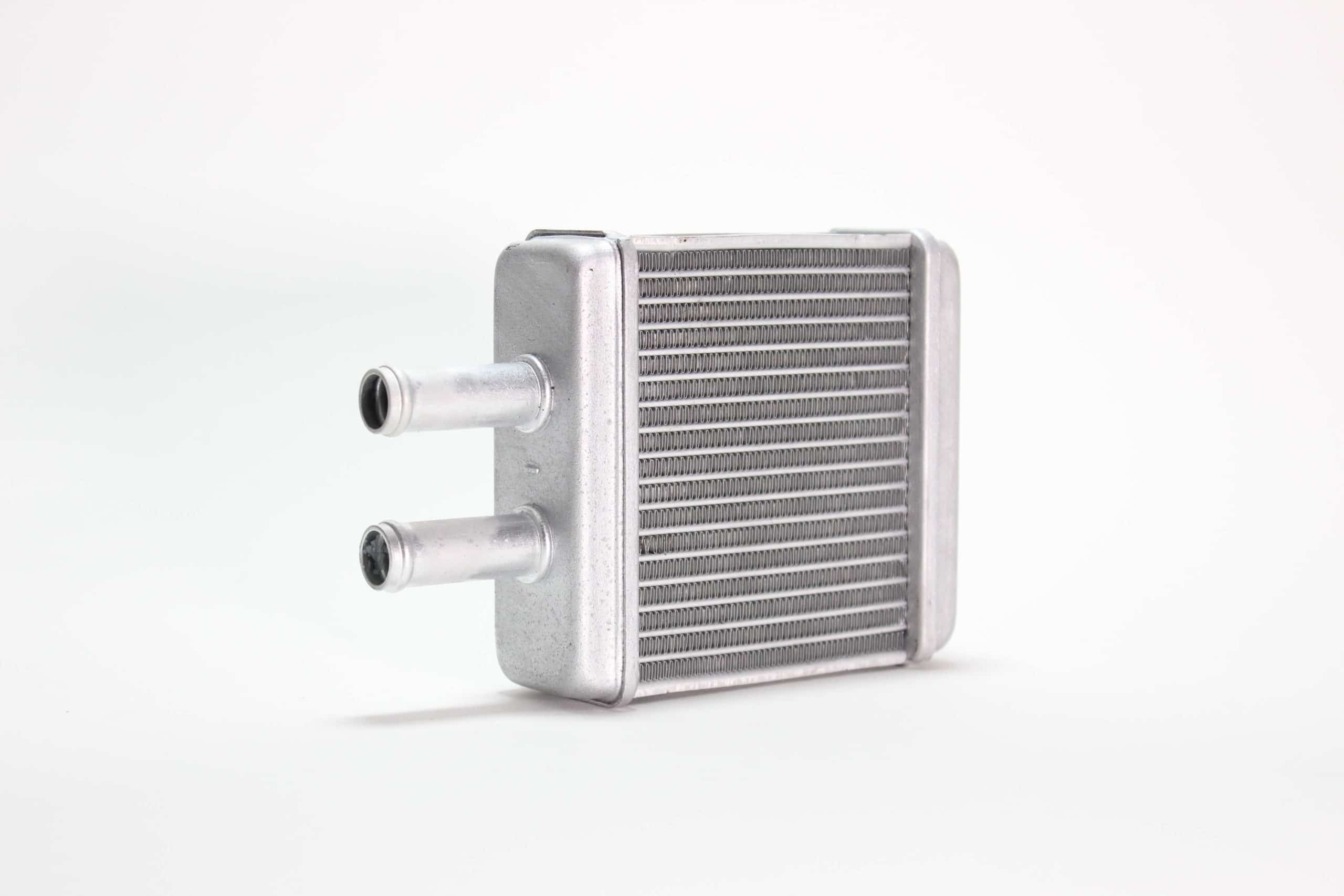
The specification profile highlights how engineered parameters support industrial performance. Voltage flexibility allows integration into different factory systems. High temperature capacity ensures compatibility with demanding processes. Power density control improves energy efficiency and prevents overheating. Material selection directly influences thermal responsiveness and durability. Engineers rely on these metrics to match application requirements precisely. Proper configuration improves both safety and long-term system reliability.
Installation and Safety Guidelines
Installation requires correct electrical wiring according to system voltage. Technicians must verify insulation resistance before activation. Thermal insulation layers should be properly secured during mounting.
Overheating protection systems must be integrated into control circuits. Grounding is essential to ensure operational safety. Installation environments should remain free from moisture exposure. Connection points must be tightened to avoid resistance loss. Regular inspection prevents electrical instability during operation. Safety sensors help monitor abnormal temperature rises. Proper installation improves long-term performance stability. Maintenance access should remain unobstructed for technicians. Industrial safety standards guide all installation procedures. Correct setup ensures efficient and safe heating operation.
Maintenance and Service Life Optimization
Routine cleaning removes dust and industrial residue from surfaces. Inspection cycles help detect early wear signs. Electrical connections should be checked for stability regularly. Thermal performance testing ensures consistent output quality. Cooling cycles must be observed to avoid structural stress. Preventive maintenance reduces unexpected system failures. Component replacement should follow manufacturer guidelines. Operating conditions directly influence service life duration. Stable voltage supply extends heating element lifespan. Environmental control minimizes corrosion risks. Monitoring systems help track long-term performance trends. Proper maintenance improves operational efficiency significantly. Long service life depends on disciplined inspection routines.
Comparison Between Aluminum Alloy Heater Types
Cast and machined designs show clear performance differences. Cast versions offer cost efficiency in large-scale production. Machined variants provide higher precision and thermal uniformity. Structural density affects heat distribution consistency. Machined systems often deliver faster thermal response. Cast structures perform well in standard industrial conditions. Durability varies depending on manufacturing accuracy and material quality. Application requirements determine the most suitable type. Energy efficiency differs based on structural optimization. Machined heaters often support more complex industrial systems. Selection depends on production precision needs and budget constraints. Engineers evaluate both thermal and mechanical performance factors. Proper selection improves overall system efficiency.
FAQ
What industries commonly use industrial grade aluminum alloy heaters?
Industrial heating systems rely on controlled temperature solutions across many sectors. Plastic molding, electronics manufacturing, and packaging industries use them extensively. Automotive production also integrates these heaters for stable thermal processing. Semiconductor facilities require precise temperature control for sensitive components. Textile and food processing industries benefit from consistent heating output. The industrial grade Aluminum Alloy Heater supports continuous operation in these environments. Its stable thermal behavior improves production accuracy and reduces defect rates. Engineers select it for reliability under high-demand conditions. The structure allows integration into automated production systems. Its adaptability makes it suitable for diverse industrial applications globally.
How long does an industrial aluminum alloy heater last in operation?
Service life depends on operating conditions and maintenance quality. Typical industrial usage ranges from several years of continuous operation. Stable voltage supply significantly extends component lifespan. Frequent thermal cycling may reduce long-term durability. Proper installation reduces mechanical and electrical stress. Regular inspection helps prevent premature failure. Cooling control systems also improve operational longevity. High-quality aluminum alloy improves resistance to thermal fatigue. Industrial environments with stable humidity enhance durability. Manufacturers often design units for long-duty production cycles. Replacement intervals vary based on workload intensity. Predictable maintenance schedules help maximize operational lifespan effectively.
What factors affect heating efficiency in aluminum alloy heaters?
Several technical and environmental factors influence efficiency performance. Material conductivity plays a major role in heat transfer speed. Structural design affects temperature uniformity across surfaces. Power density must be optimized for stable energy use. Installation quality directly impacts thermal performance consistency. Environmental temperature conditions influence heat dissipation rates. Electrical stability ensures consistent energy conversion efficiency. Insulation quality reduces unnecessary heat loss during operation. Control systems help regulate temperature fluctuations precisely. Load variation in production lines also affects efficiency levels. Proper maintenance ensures long-term performance stability. Engineers optimize these factors to achieve maximum thermal efficiency.
Conclusion: Industrial Heating Performance and Future Development Trends
Industrial heating systems continue evolving toward higher efficiency and automation integration. Aluminum alloy structures provide stable thermal performance for modern manufacturing. Engineers focus on improving energy utilization and temperature precision. Advanced control systems enhance operational reliability in production environments. The industrial grade Aluminum Alloy Heater remains essential in high-demand industries. Its adaptability supports future smart factory development. Material innovation further improves thermal conductivity and durability. Automation compatibility increases system intelligence and responsiveness. Industrial users benefit from reduced downtime and improved output consistency. Future designs will emphasize energy savings and digital monitoring. Continuous improvement strengthens its role in global manufacturing systems.