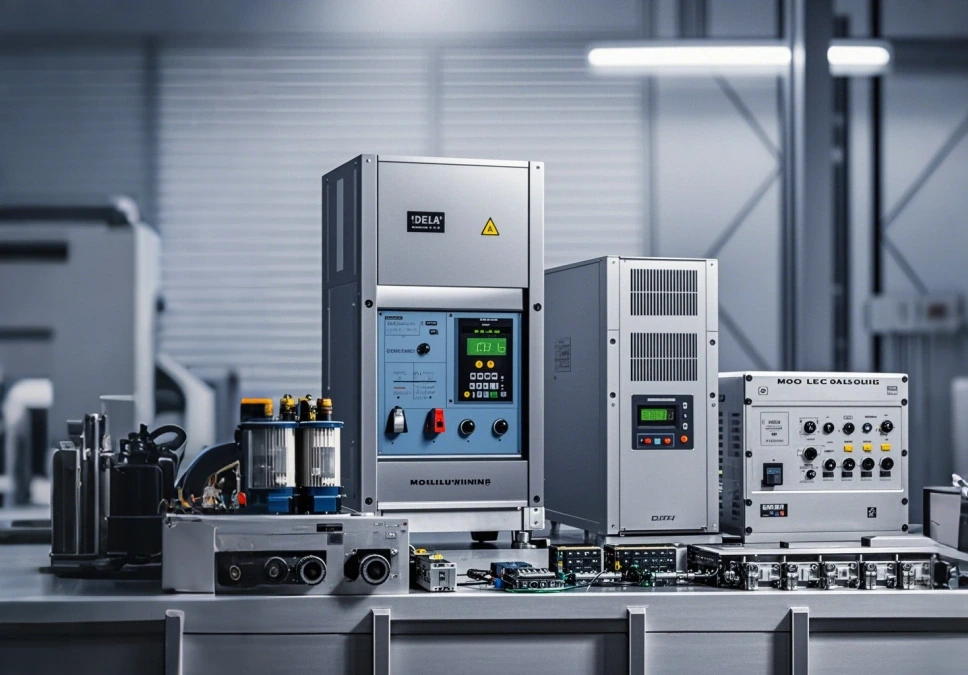
What Is An Industrial Mechanical Program Lock?
Industrial Mechanical Program Lock provides mechanical access control for industrial systems, ensuring safe, reliable operation.
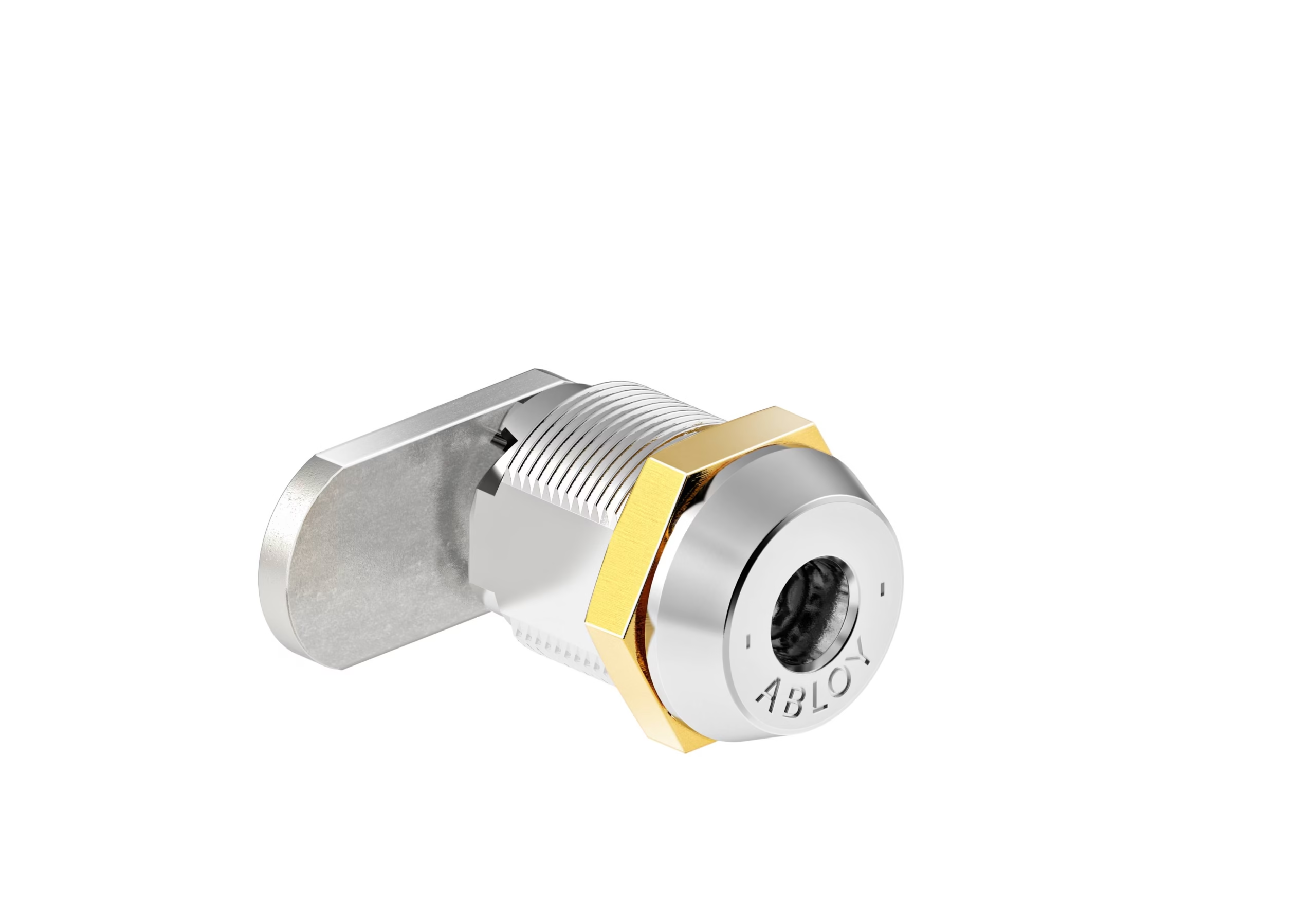
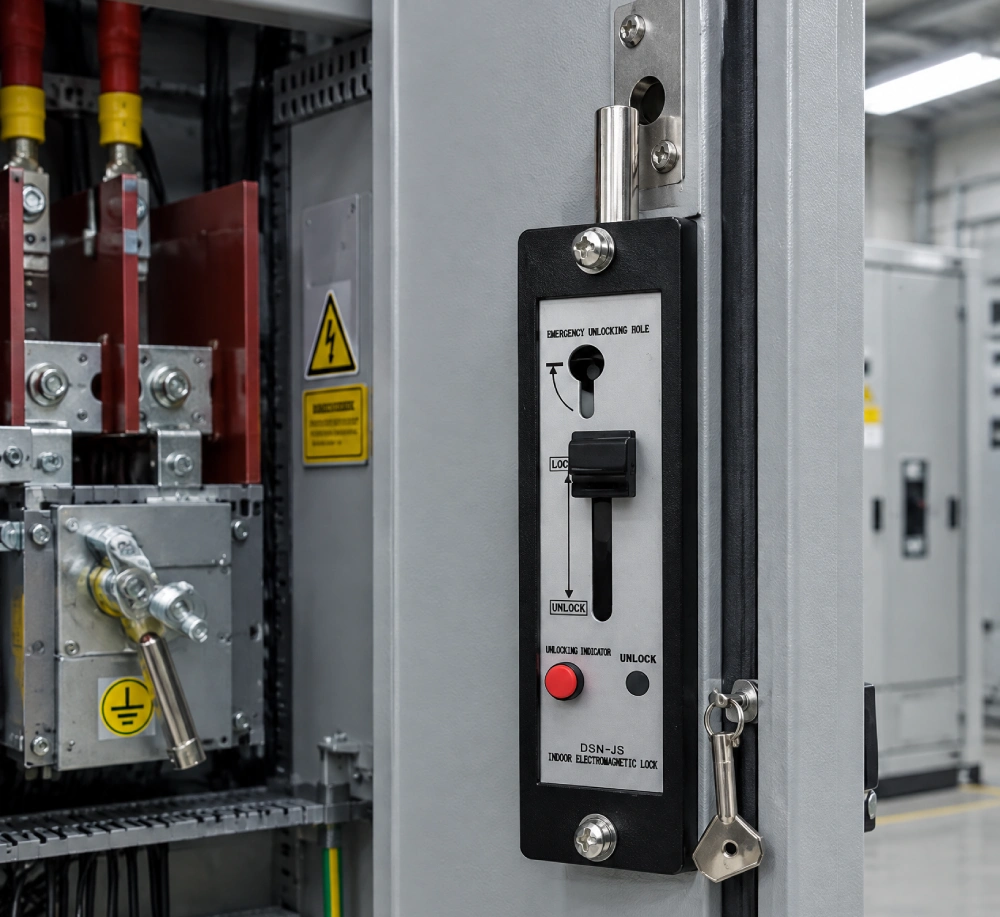
The industrial Mechanical Program Lock is a fully mechanical access control device used in industrial environments. It regulates machine operation through coded physical alignment. Engineers use it to prevent unauthorized activation of critical systems. The mechanism relies on precision-engineered internal components instead of electronics. It improves operational safety in high-risk production environments. It also supports stable performance under harsh conditions such as vibration and heat. Many factories integrate it into control panels and machinery interfaces. The system reduces dependency on electrical authentication systems. It ensures consistent access control even during power loss events. Industrial facilities prefer it for reliability and predictable mechanical behavior. This device plays a key role in modern industrial safety architecture. It is widely applied in manufacturing, energy, and heavy equipment sectors.
Core Structural Design of Industrial Mechanical Program Lock Systems
The industrial Mechanical Program Lock uses a layered mechanical architecture for secure operation control. The outer housing protects internal components from dust and impact. Inside, precision dials and coded cam wheels define access logic. Each component interacts through physical alignment rather than digital signals. Engineers design the lock body using high-strength alloys for stability.The structure supports long-term use under continuous industrial load. Mechanical indexing ensures only correct code sequences allow activation. Misalignment blocks system engagement completely. This structure reduces accidental operation risks in machinery environments. It also simplifies inspection and mechanical verification processes. Operators rely on tactile feedback during configuration. The system maintains accuracy even in high-vibration conditions.
Mechanical Coding Logic in Industrial Mechanical Program Lock
The industrial Mechanical Program Lock operates through multi-step mechanical coding logic. Each dial position corresponds to a defined mechanical state. Operators must align all internal code points correctly. The system validates alignment through physical engagement of cam profiles. Incorrect combinations prevent movement of the locking mechanism. This design eliminates reliance on electronic authentication systems. Engineers use indexed rotation systems for higher precision control. Each step follows a fixed mechanical ratio pattern. The lock responds instantly to mismatched configurations. It also reduces human error in operational settings. Industrial environments benefit from predictable mechanical behavior. The coding logic remains stable under temperature fluctuations and mechanical stress.
Material Engineering and Durability Standards
The industrial Mechanical Program Lock uses hardened stainless steel and industrial-grade alloys. These materials provide resistance to corrosion and mechanical wear. Manufacturers apply precision machining to maintain tight tolerances. This ensures smooth internal movement and long-term alignment stability. Surface treatments increase resistance to chemical exposure in factories. Components undergo stress testing before deployment. The structure supports repeated operation cycles without performance degradation. Engineers prioritize fatigue resistance in high-load environments. The locking mechanism maintains accuracy under continuous vibration. Material selection directly influences operational lifespan. Industrial users value durability in demanding production conditions. This ensures consistent safety performance across extended usage periods.
Industrial Application Scenarios and System Integration
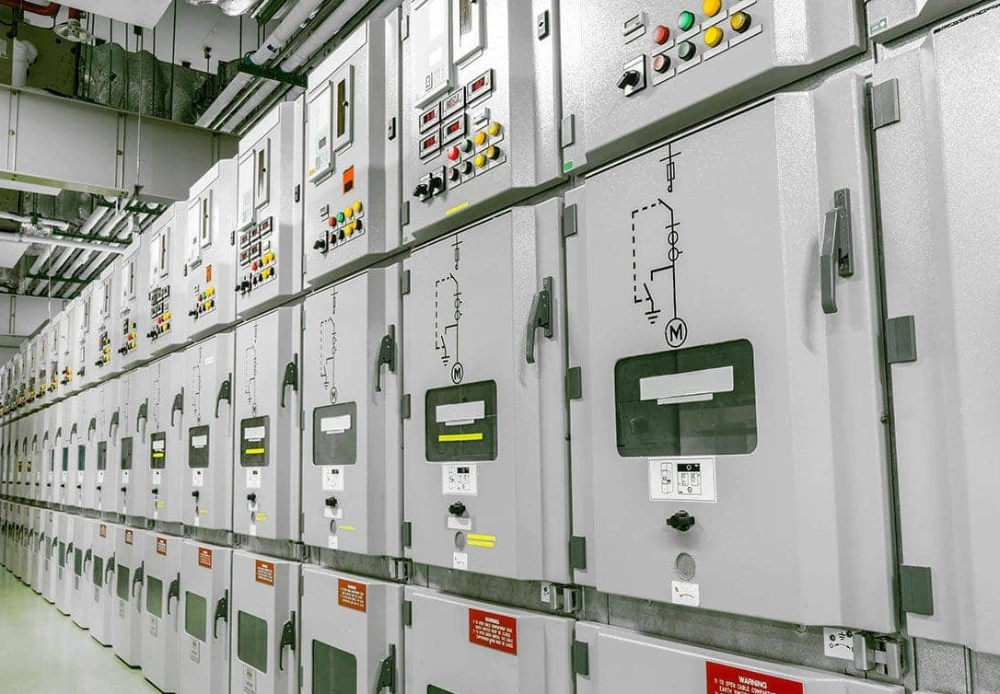
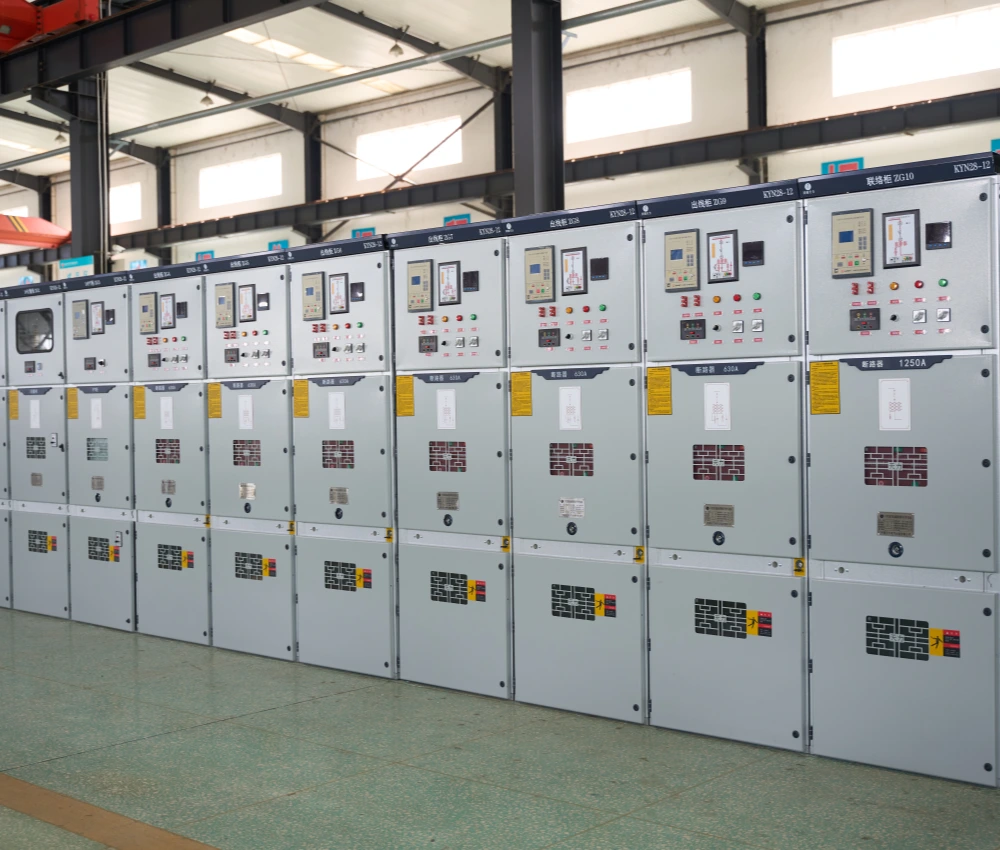
The industrial Mechanical Program Lock integrates into various industrial machinery systems. It controls access to automated production lines. Engineers install it in maintenance safety interlock panels. It also secures high-risk equipment operation zones. Many energy systems rely on it for controlled activation procedures. It supports workflow segmentation in complex factory environments. Operators use it during machine calibration and shutdown processes. The system prevents unauthorized process interruption. It enhances safety during equipment servicing procedures. Integration requires mechanical alignment with existing control structures. The lock adapts to both compact and large-scale machinery setups. It provides reliable physical authorization control in diverse applications.
Industrial Mechanical Program Lock System Performance Comparison
| Feature | Mechanical System | Electronic System |
|---|---|---|
| Power Dependency | None required | Requires continuous power |
| Environmental Resistance | High resistance to vibration | Moderate sensitivity to shock |
| Failure Risk | Low mechanical failure rate | Higher due to circuit issues |
| Maintenance Needs | Periodic lubrication | Software and hardware updates |
The comparison shows clear structural advantages for mechanical systems in harsh environments. Engineers prefer mechanical solutions when power instability exists. Electronic systems offer flexibility but require stable energy input. Mechanical designs reduce cybersecurity exposure risks. Industrial environments with heavy vibration benefit from physical locking systems. Maintenance planning remains simpler for mechanical configurations. Operational reliability becomes the key decision factor in system selection.
List of Key Operational Characteristics
- Physical code-based access control mechanism
- High resistance to electrical interference
- Stable performance in extreme environments
- Low dependency on external energy systems
- Suitable for continuous industrial operation cycles
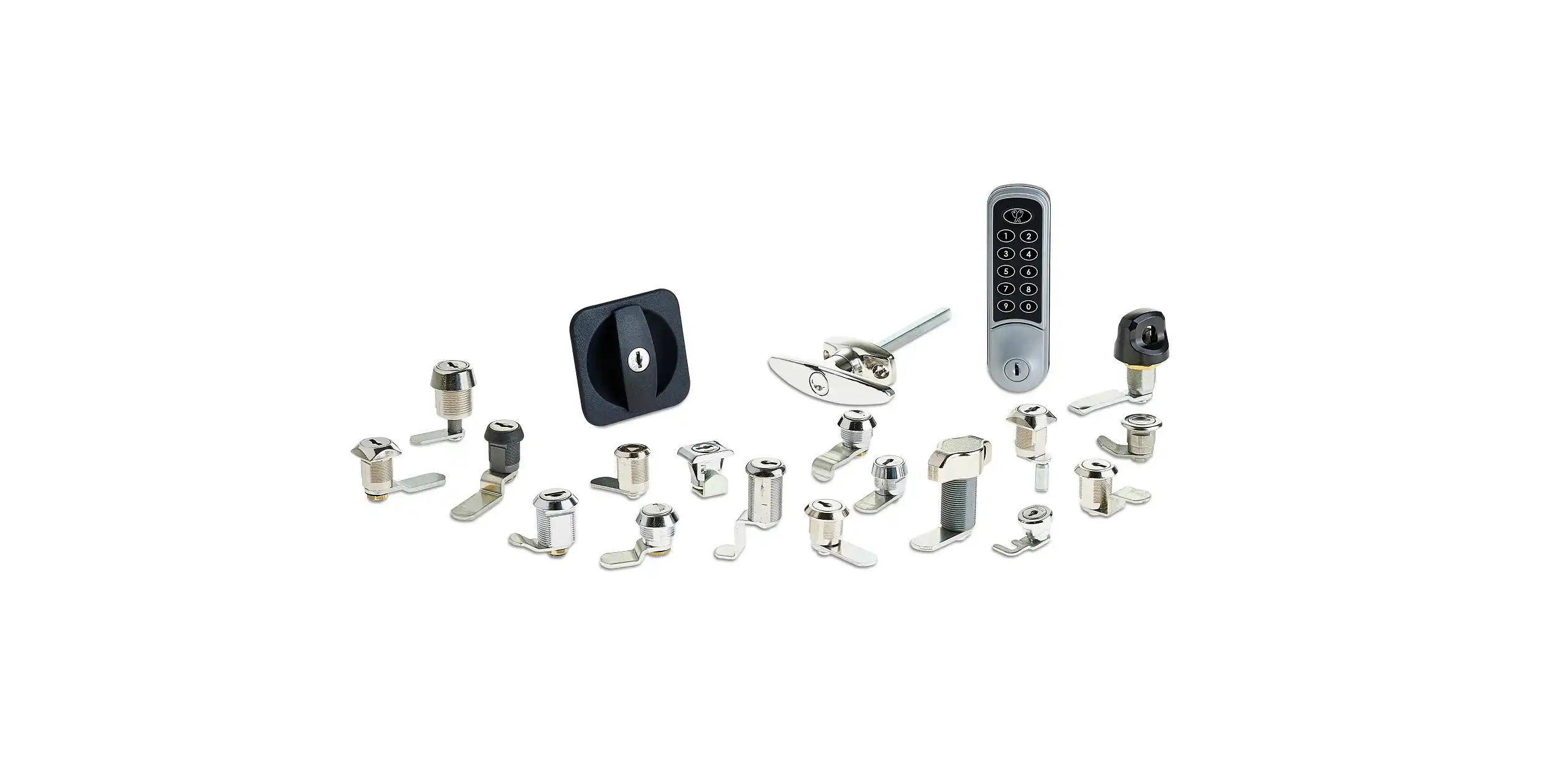
These characteristics define the functional value of mechanical locking systems. Engineers prioritize reliability and simplicity in industrial deployment. Each feature contributes to safer operational workflows. The absence of electronic components reduces failure complexity. Maintenance teams benefit from predictable servicing routines.
Maintenance Structure and Operational Longevity
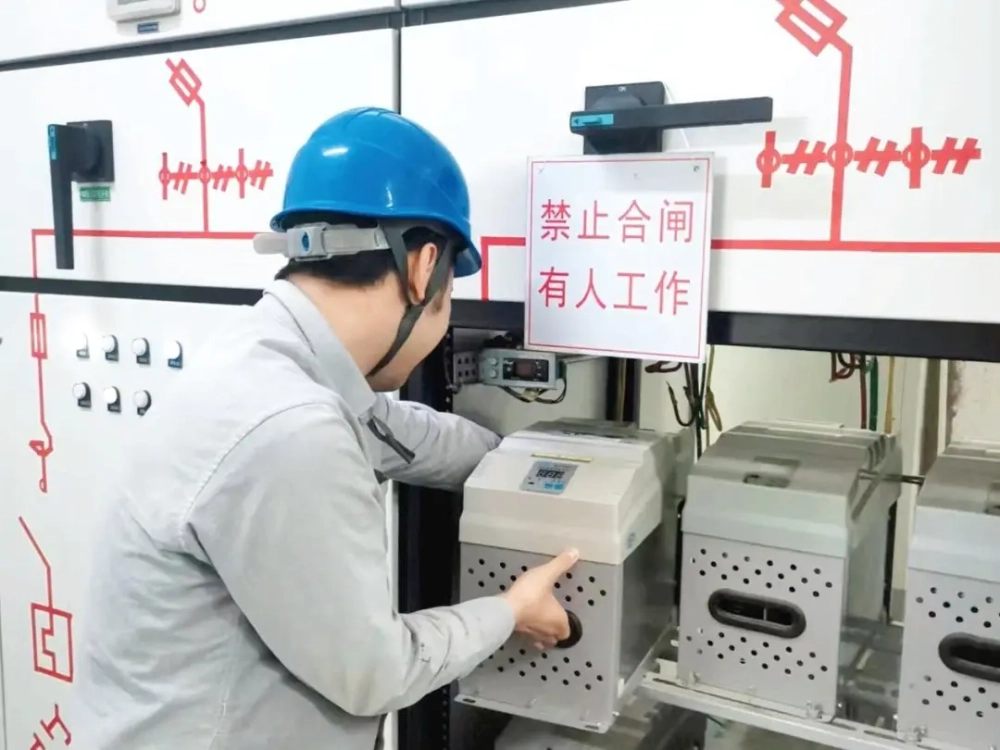
Proper maintenance ensures long-term stability of the industrial Mechanical Program Lock. Technicians apply lubrication to reduce friction between moving parts. Inspection schedules identify early wear patterns in cam systems. Calibration checks maintain accurate code alignment performance. Cleaning procedures prevent dust accumulation inside the housing. Environmental exposure influences maintenance frequency. High-temperature zones require more frequent inspections. Operators record mechanical response changes during routine checks. Replacement cycles depend on operational intensity. Preventive maintenance reduces unexpected system downtime. Proper care extends overall service lifespan significantly.
Procurement and Selection Criteria for Industrial Buyers
The industrial Mechanical Program Lock requires careful evaluation during procurement. Buyers assess material grade and structural durability first. Load capacity determines suitability for heavy machinery integration. Certification compliance ensures manufacturing consistency and safety standards. Suppliers must demonstrate production traceability. Engineering teams review tolerance accuracy before selection. Environmental compatibility influences final purchasing decisions. Buyers also evaluate long-term maintenance requirements. Cost efficiency plays a secondary but important role. Industrial users prefer suppliers with stable delivery capacity. Quality assurance systems reduce operational risk.
| Selection Factor | Requirement Level | Industrial Impact |
|---|---|---|
| Material Strength | High | Direct durability improvement |
| Precision Tolerance | Very High | Ensures locking accuracy |
| Environmental Resistance | High | Stable field operation |
| Supplier Reliability | Critical | Supply chain stability |
Selection criteria strongly influence long-term operational performance. Engineering teams prioritize precision and material strength above cost factors. Reliable sourcing reduces downtime risks in production systems. Each factor contributes to safer industrial integration.
Safety Compliance and Industrial Control Standards
Industrial safety frameworks govern the use of mechanical locking systems. Engineers integrate locks into controlled access zones. Compliance standards define installation and testing requirements. Mechanical systems support audit traceability through physical verification. Safety protocols reduce unauthorized machine activation risks. Regulatory bodies evaluate system reliability during certification. Industrial environments rely on structured safety documentation. Lock systems contribute to layered protection strategies. Physical security complements procedural safety measures. Compliance ensures operational consistency across facilities.
Operational Reliability and System Conclusion
The industrial Mechanical Program Lock delivers stable mechanical control for industrial systems. It ensures consistent performance without electronic dependency. Engineers value its resistance to environmental stress and operational wear. The system supports long-term safety in high-demand applications. It reduces operational complexity in access control management. Mechanical precision ensures predictable response under load. Industrial facilities adopt it for reliability and durability advantages. The design strengthens overall safety architecture in production environments.
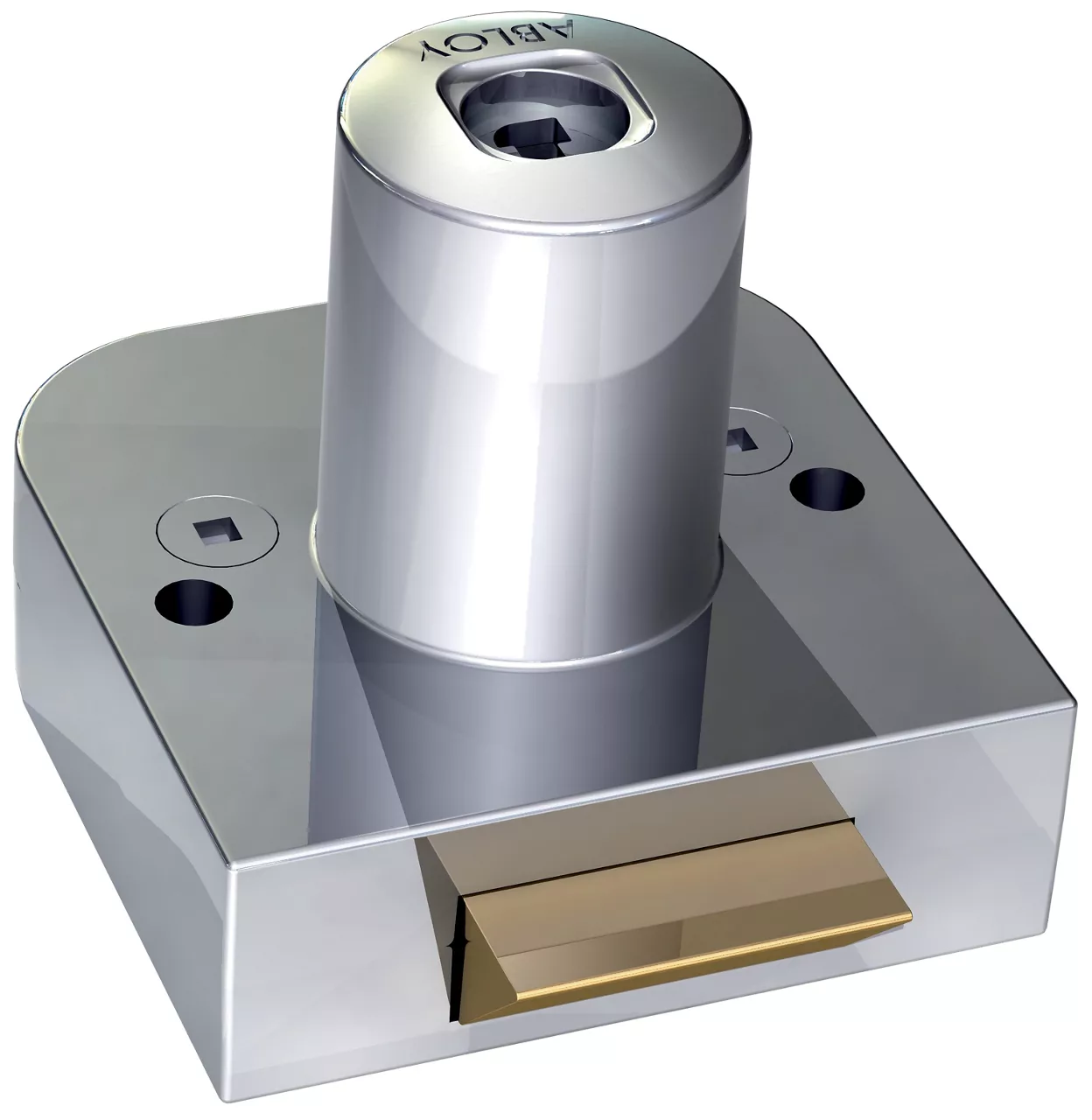
What maintenance practices ensure long-term operational stability?
Maintenance routines focus on preserving mechanical precision and reducing wear. Technicians apply lubrication to internal moving components on scheduled intervals. Regular inspections detect early signs of friction imbalance. Cleaning procedures remove dust accumulation from housing structures. Calibration checks confirm correct alignment of internal code positions. Environmental conditions influence maintenance frequency requirements. High-temperature or high-vibration areas demand shorter inspection cycles. Replacement of worn components prevents system degradation. Maintenance teams document all operational changes for tracking performance trends. Proper servicing extends functional lifespan significantly. It also reduces unexpected mechanical failure risks in industrial environments. Predictive maintenance planning improves reliability across continuous production systems. Consistent care ensures stable operation under demanding industrial workloads.