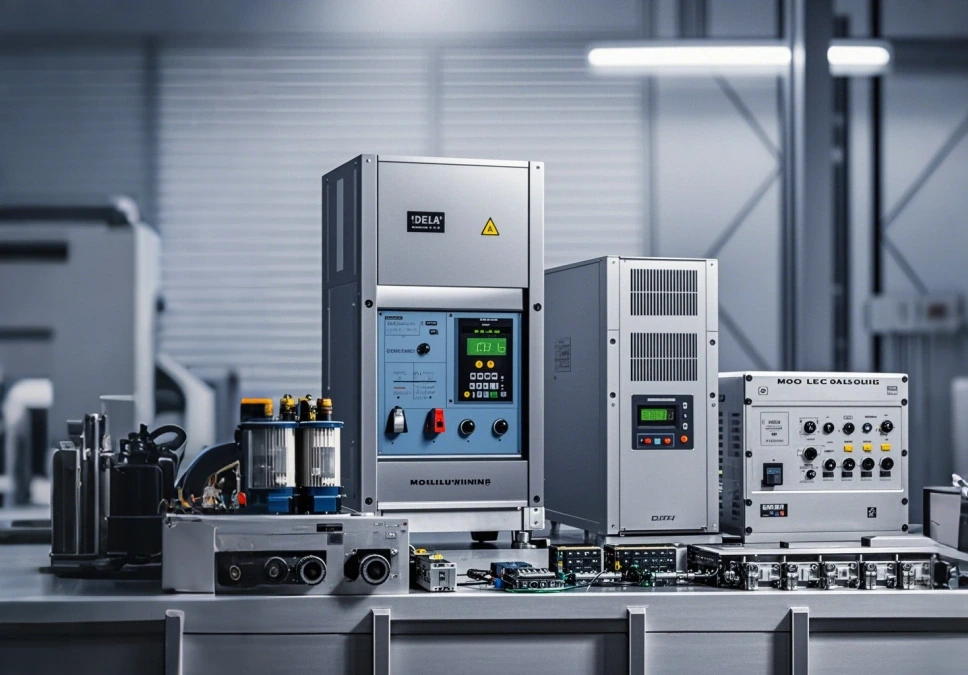
What Is An Industrial Silicone Heater?
Industrial silicone heater solutions for stable thermal performance in demanding systems, precision heating for B2B applications.
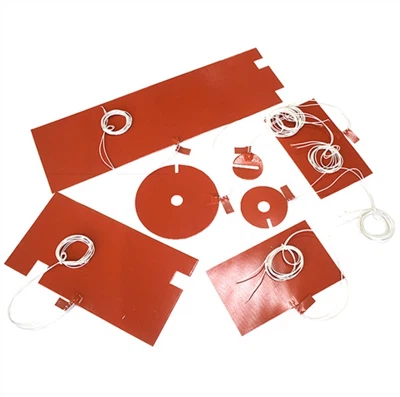
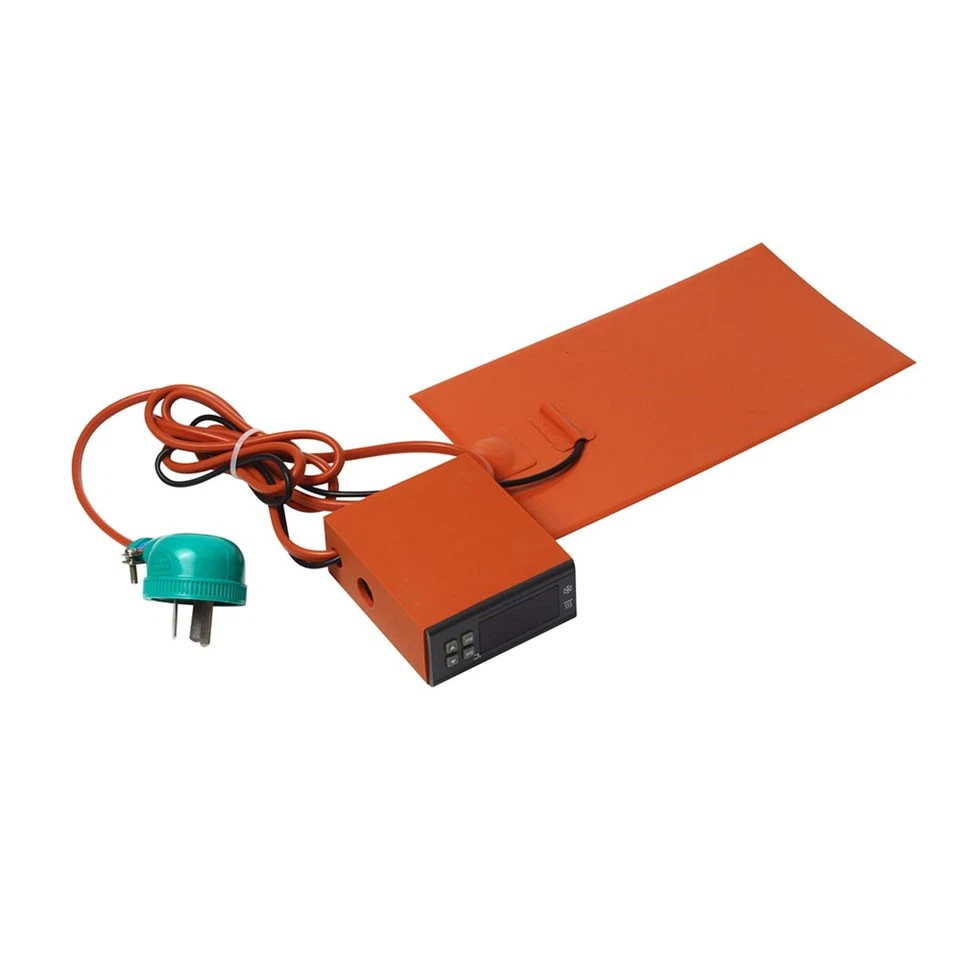
Industrial silicone heater refers to a flexible thermal device designed for controlled heating in industrial environments. It uses silicone rubber as the base insulation layer and integrates resistance heating wires for stable heat output. This equipment plays a critical role in maintaining consistent temperature across equipment surfaces, pipelines, and enclosures. Engineers select this system for its flexibility and reliability under continuous load conditions. Many B2B industries rely on it to stabilize production environments and reduce thermal fluctuation risks. Its structure supports efficient energy transfer while maintaining electrical safety in high-demand operations.
Industrial Silicone Heater Design Principles and Material Structure
The design of a heating system depends on thermal uniformity and electrical stability. Silicone rubber provides high dielectric strength and supports long-term thermal exposure without deformation.
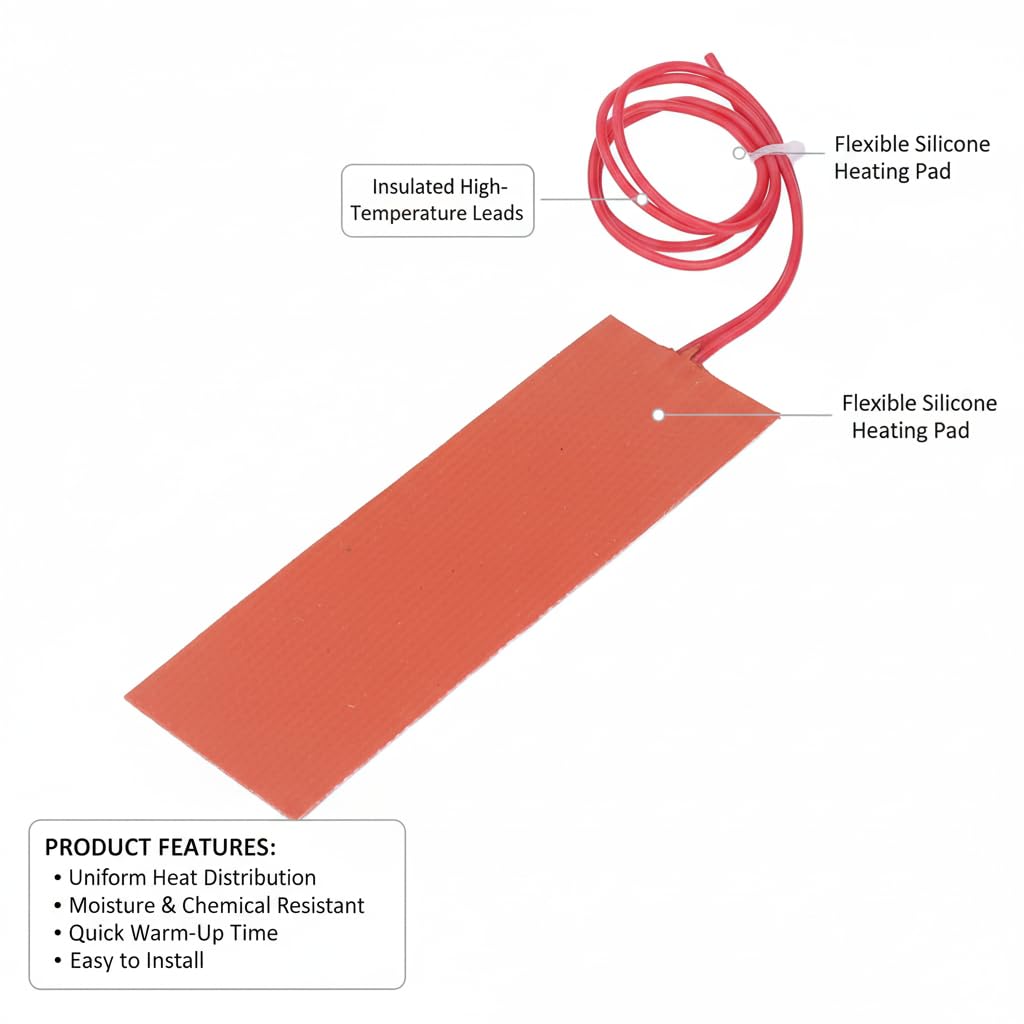
Manufacturers embed resistance wires in precise patterns to ensure even heat distribution across surfaces. Engineers also optimize spacing to prevent localized overheating. Adhesive backing layers improve installation stability on metal or composite surfaces. The industrial silicone heater benefits from this layered structure, which ensures consistent performance under mechanical vibration and thermal cycling. Designers also consider voltage compatibility and insulation thickness to match industrial operational standards.
Industrial Silicone Heater Performance Advantages in B2B Systems
Thermal efficiency defines performance quality in industrial heating systems. Rapid response time allows equipment to reach target temperature quickly without energy waste. Uniform heat distribution prevents structural stress in sensitive components. Flexibility enables installation on curved or irregular surfaces, improving integration across machinery. Electrical insulation reduces leakage risks in high-voltage environments. The industrial silicone heater performs well in continuous-duty cycles, supporting stable output in demanding production lines. Engineers value its predictable resistance behavior, which ensures consistent thermal output under fluctuating load conditions. These advantages improve operational reliability and reduce system downtime.
Industrial Silicone Heater Manufacturing Standards and Engineering Controls
Precision manufacturing ensures stable thermal output and safety compliance. Resistance tolerance typically remains within strict engineering limits to avoid energy imbalance. Power density calibration ensures each unit delivers consistent heat per surface area. Below is a simplified manufacturing specification overview:
| Parameter | Standard Range | Industrial Purpose |
|---|---|---|
| Voltage | 12V–480V | System compatibility |
| Power Density | 0.1–1.5 W/cm² | Thermal control precision |
| Insulation Resistance | ≥ 100 MΩ | Electrical safety assurance |
Quality control teams inspect insulation integrity and heating uniformity before shipment. Aging tests simulate long-term operation under thermal stress. The industrial silicone heater must pass electrical safety benchmarks aligned with international standards such as IEC and UL frameworks.
Industrial Silicone Heater Application Scenarios in Industrial Fields
Industrial environments demand stable thermal solutions for complex systems. Semiconductor equipment uses heating pads for wafer temperature stabilization. Chemical processing plants apply heating elements to prevent fluid crystallization in pipelines. Aerospace systems rely on auxiliary thermal control to maintain component performance under low temperatures. The industrial silicone heater integrates easily into these environments due to its flexible form factor and stable output.
Common application areas include:
- Tank heating for chemical storage systems
- Pipeline freeze protection in cold environments
- Electronics enclosure temperature regulation
- Aerospace sensor and actuator heating
Each application requires precise thermal balance to avoid material stress. Engineers adjust voltage and surface coverage to match operational load requirements.
Material Science Behind Industrial Silicone Heater Durability
Material stability determines long-term reliability in thermal systems. Silicone polymers maintain elasticity under repeated heating cycles. Their molecular structure resists breakdown even at elevated temperatures. Reinforcement fibers enhance mechanical strength and reduce tearing risk during installation. Moisture resistance prevents degradation in humid environments. Chemical resistance protects against oils and industrial solvents. The industrial silicone heater benefits from these properties, enabling long service life in harsh environments. Engineers often select silicone composites for systems requiring both flexibility and high thermal endurance under continuous operation.
Industrial Silicone Heater Installation Methods and Engineering Considerations
Proper installation ensures stable thermal performance and system safety. Surface preparation includes cleaning and degreasing to improve adhesion. Engineers align heating elements with target zones to maximize efficiency. Wiring configuration must match voltage requirements and load distribution standards. Below is a simplified installation workflow:
| Step | Action | Engineering Focus |
|---|---|---|
| Surface Prep | Clean and dry substrate | Adhesion reliability |
| Placement | Align heater layout | Heat uniformity |
| Connection | Attach wiring system | Electrical safety |
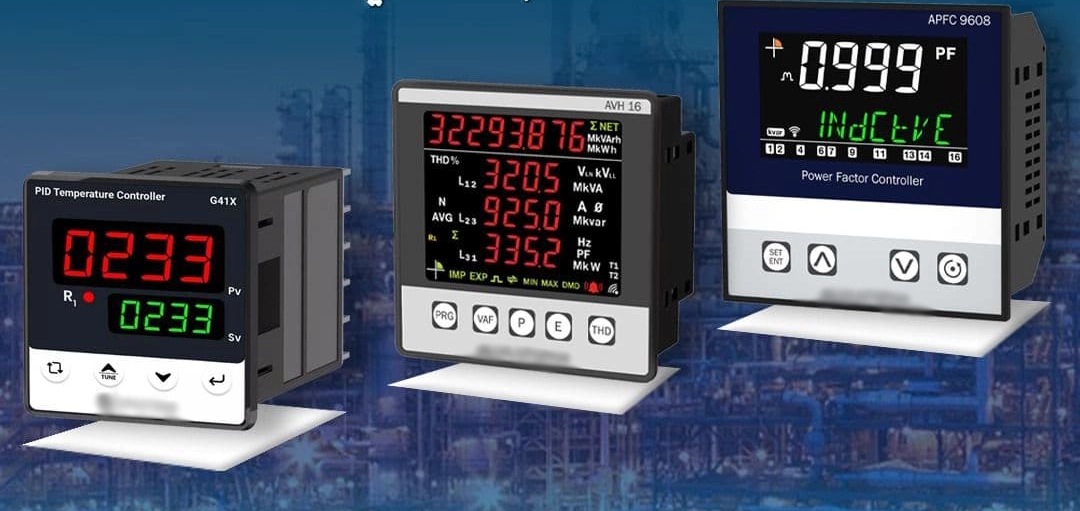
Thermal sensors often integrate into control loops for feedback regulation. The industrial silicone heater performs best when paired with automated temperature controllers that prevent overheating and energy waste.
Industrial Silicone Heater Cost Structure and Procurement Strategy
Cost factors include raw materials, labor, and customization requirements. Silicone quality directly affects durability and pricing. Resistance wire composition also influences thermal efficiency and production cost. Custom dimensions increase tooling and engineering expenses. Bulk orders reduce per-unit cost through optimized manufacturing cycles.Procurement teams evaluate supplier consistency and certification compliance before large-scale sourcing. The industrial silicone heater requires careful vendor selection to ensure stable supply chain performance. Long-term contracts often reduce procurement risk and stabilize pricing in fluctuating raw material markets.
Maintenance Practices for Industrial Silicone Heater Systems
Regular maintenance ensures stable performance across operational cycles. Engineers inspect insulation resistance to detect early degradation. Thermal cycling tests help identify fatigue in resistance wires. Surface wear evaluation prevents unexpected system failure. Replacement schedules depend on operating temperature and duty cycle intensity. Predictive maintenance systems monitor electrical load patterns to forecast potential issues. The industrial silicone heater benefits from structured maintenance planning, which extends operational lifespan and reduces downtime in critical industrial environments.
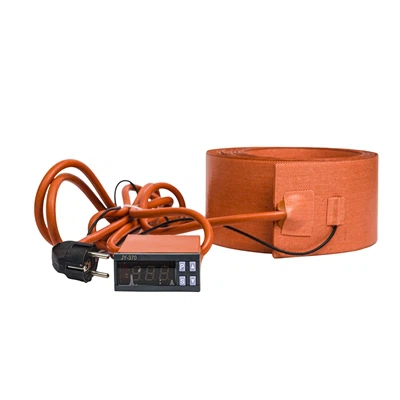
How to select the right industrial silicone heater specification?
Selection depends on surface area, required watt density, and operating voltage. Engineers first calculate heat loss from the target system. They then match power output to compensate for environmental conditions. Material compatibility also influences selection, especially for chemical or moisture exposure. Installation geometry determines whether flexible or shaped heating pads perform better. Control systems must align with heating response time requirements. Proper specification ensures energy efficiency, system safety, and stable thermal performance across long operational cycles.
FAQ
How long does an industrial silicone heater last?
Service life depends on operating temperature, duty cycle, and installation quality. Most units perform reliably for several years under stable industrial conditions. Controlled environments extend lifespan significantly. Frequent thermal cycling can reduce durability due to material stress accumulation. Proper voltage matching also prevents premature resistance wire fatigue. Regular inspection helps identify early wear signs. Maintenance programs improve operational stability and extend usable life. Engineers often design systems with redundancy to ensure continuous operation even during partial heating element degradation.
Can industrial silicone heaters operate in extreme temperatures?
These heating systems support a wide operational temperature range depending on silicone formulation and insulation grade. High-quality designs withstand both low ambient freezing conditions and elevated industrial heat exposure. Performance stability depends on proper voltage control and thermal distribution design. Extreme environments require reinforced insulation layers to prevent material stress. Engineers also integrate sensors to regulate output under fluctuating conditions. System reliability improves when combined with controlled feedback loops and protective housings designed for harsh operating environments.