What Is Capacitive Insulator Sensor?
Capacitive Insulator Sensor wholesale supports stable voltage detection, safe monitoring, and scalable supply for industrial power systems.
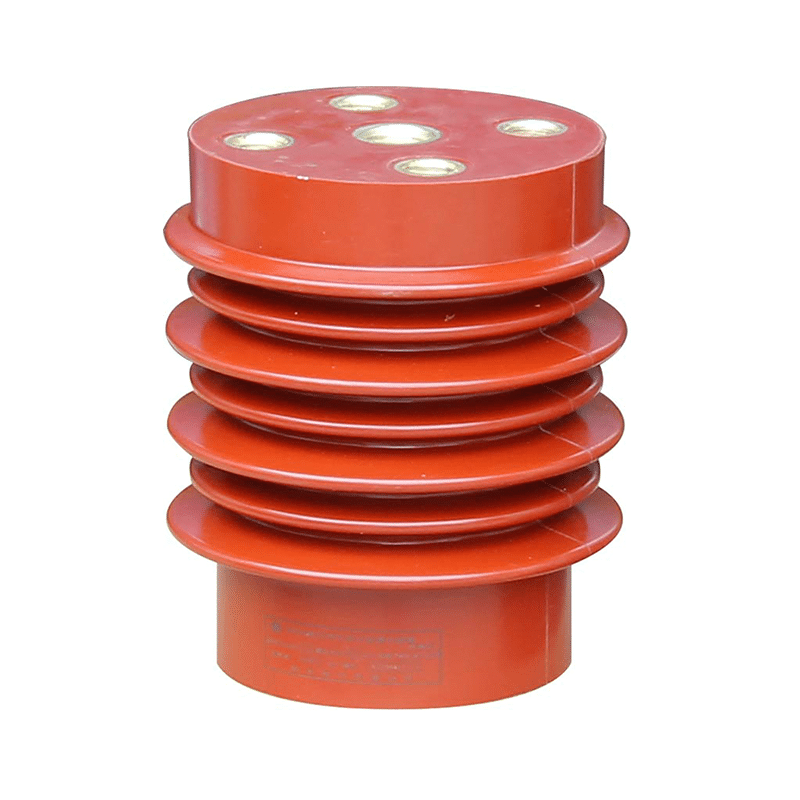
Capacitive Insulator Sensor Wholesale and Its Core Definition
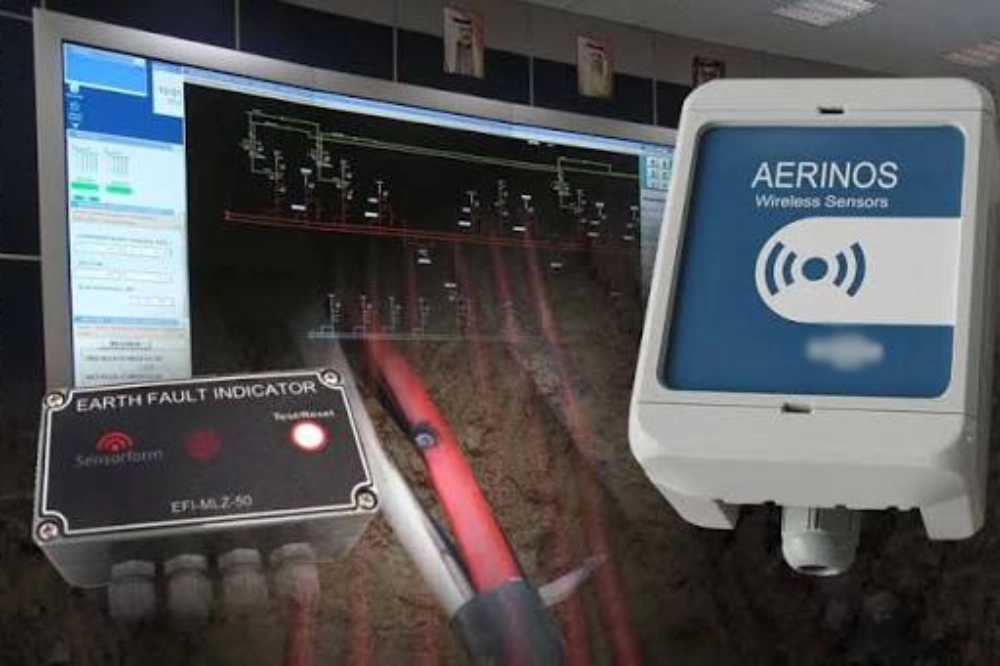
Capacitive Insulator Sensor wholesale refers to bulk procurement of sensors used in high-voltage detection systems. These devices measure electric field variations through capacitance changes. Such sensors operate without direct electrical contact. Manufacturers design them for safe monitoring of energized equipment. Industrial buyers prefer this technology for grid safety applications. Each unit detects voltage presence through dielectric interaction. Engineers integrate them into switchgear and transmission structures. Procurement teams often focus on consistency and certification. Large-scale sourcing ensures stable supply chains. Reliable suppliers offer standardized production and testing. Strong quality control improves deployment reliability. Many industries rely on these sensors for safety assurance.
Working Principle Behind Capacitive Insulator Sensors
Capacitive sensors function based on electric field coupling. A conductive electrode forms a sensing interface. Nearby energized conductors create an electric field. That field influences the capacitance value. Internal circuits detect small variations in capacitance. Signal processors convert these changes into readable outputs. Calibration ensures stable measurement under varying conditions. Insulation layers isolate the sensor from direct current. Engineers design the system for high sensitivity. Proper grounding improves measurement accuracy. Shielding reduces electromagnetic interference. Consistent signal output supports industrial automation systems. Accurate sensing depends on environmental stability.
Key Components and Structural Design Details
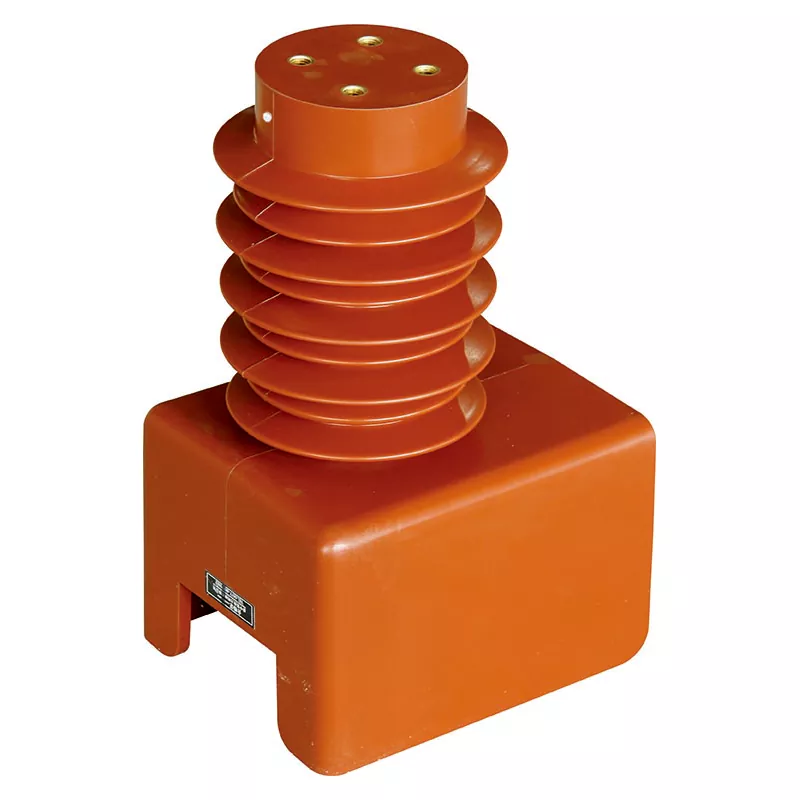
Each sensor includes electrodes, insulation layers, and processing circuits. The electrode acts as the primary sensing element. High-quality dielectric materials ensure stable capacitance response. Protective housing shields internal components from external damage. Engineers often use epoxy or polymer casings. Internal circuits amplify weak signals efficiently. Signal filters remove environmental noise interference. Connectors allow integration with monitoring systems. Structural design supports high-voltage insulation requirements. Compact layouts improve installation flexibility. Mechanical strength ensures durability in harsh environments. Proper sealing prevents moisture intrusion. Reliable design extends operational lifespan significantly.
Capacitive Insulator Sensor Wholesale Applications Across Industries
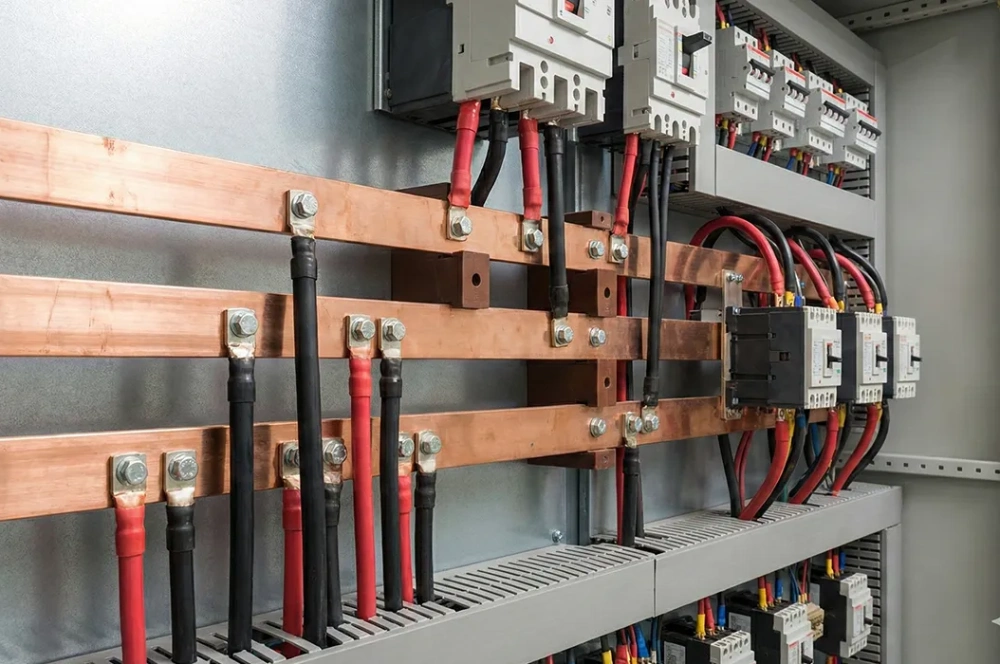
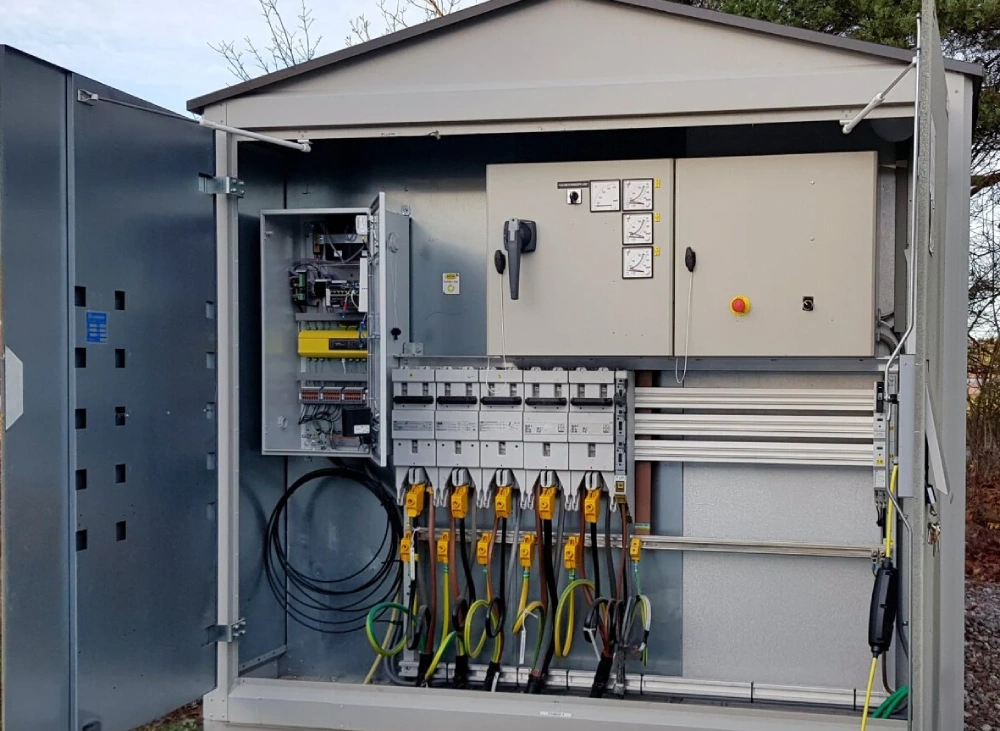
Capacitive Insulator Sensor wholesale supports large-scale deployment in critical sectors. Power transmission systems use these sensors for live line detection. Substations rely on them for safety monitoring. Industrial automation systems integrate sensors for equipment protection. Renewable energy installations also require voltage detection solutions. Smart grid infrastructure benefits from real-time sensing. Manufacturing plants use sensors to prevent electrical hazards. Railway electrification systems require stable monitoring solutions. Oil and gas facilities depend on safe detection technologies. Wide adoption reflects strong demand in B2B markets.
Material Selection and Performance Characteristics
Material selection directly influences sensor performance and durability. Engineers choose dielectric materials with stable permittivity. Common options include ceramics, polymers, and composite materials. Temperature resistance ensures operation in extreme environments. Moisture resistance prevents degradation over time. High-voltage tolerance remains a critical requirement. Mechanical strength supports long-term field use. Surface coatings improve environmental protection. Stable materials maintain consistent capacitance values. Aging resistance extends product lifecycle. Reliable material selection reduces maintenance frequency. Industrial buyers often evaluate materials during supplier selection.
Advantages Compared with Traditional Sensing Technologies
Capacitive sensors offer several advantages over traditional detection methods. Non-contact measurement improves operational safety significantly. Absence of direct connection reduces electrical risk. Sensors provide fast response to voltage changes. Maintenance requirements remain relatively low. Installation flexibility allows use in confined spaces. Energy consumption stays minimal during operation. Reliability remains high under stable conditions. Compatibility with automation systems enhances usability. Long service life reduces replacement costs. These benefits make them suitable for industrial applications.
Limitations and Technical Challenges in Real Deployment
Certain challenges affect real-world performance of these sensors. Environmental interference may impact measurement accuracy. Humidity and dust can influence capacitance readings. Improper installation reduces sensing reliability.Calibration requires technical expertise. Signal noise may affect output stability.
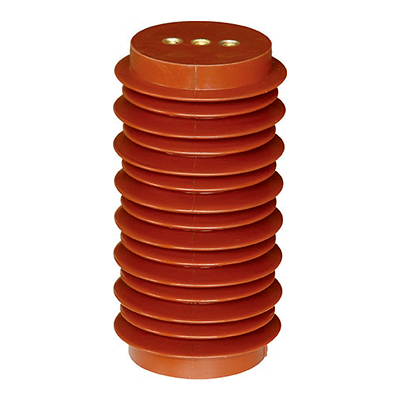
Shielding design must address electromagnetic disturbances. Detection range varies based on application conditions. High precision requires controlled environments. Maintenance teams must inspect sensors periodically. Awareness of these factors supports better implementation outcomes.
Supplier Evaluation in Capacitive Insulator Sensor Wholesale Market
Supplier selection plays a critical role in procurement success. Buyers evaluate manufacturing capabilities carefully. Quality control processes must meet international standards. Certifications such as ISO ensure production reliability. Testing procedures verify electrical performance. Transparent pricing builds trust in long-term cooperation. MOQ requirements influence purchasing strategies. Lead time affects project scheduling. Technical support improves deployment efficiency. Reliable suppliers offer consistent product quality. Strong partnerships reduce operational risks.
Technical Comparison of Capacitive and Other Sensors
| Sensor Type | Detection Method | Contact Requirement | Accuracy Level | Application Scope |
|---|---|---|---|---|
| Capacitive | Electric field sensing | Non-contact | High | High-voltage systems |
| Resistive | Current flow measurement | Contact | Medium | Basic circuits |
| Optical | Light signal detection | Non-contact | High | Precision instruments |
Performance Insights After Sensor Comparison
Capacitive sensors demonstrate strong advantages in safety-focused environments. Non-contact operation reduces direct electrical exposure risks. Optical sensors provide high precision but require controlled conditions. Resistive sensors remain cost-effective for simple applications. Industrial buyers often select capacitive technology for high-voltage monitoring. Each sensor type suits different operational requirements. Selection depends on accuracy, safety, and environment. Decision-makers evaluate performance metrics carefully. Balanced comparison supports effective procurement strategies.
Capacitive Sensor Performance Metrics in Industrial Use
| Parameter | Description | Typical Range | Impact on Performance |
|---|---|---|---|
| Voltage Range | Supported detection level | 1kV–500kV | Determines application scope |
| Sensitivity | Capacitance response rate | High | Affects detection accuracy |
| Temperature Range | Operating conditions | -40°C to 85°C | Ensures stability |
| Response Time | Signal processing speed | Milliseconds | Supports real-time monitoring |
Interpretation of Key Performance Metrics
Performance metrics define the reliability of capacitive sensors in demanding environments. Voltage range determines compatibility with high-voltage systems. Sensitivity affects detection precision under varying conditions. Temperature tolerance ensures stable operation across climates. Fast response time supports real-time monitoring systems. Engineers consider these parameters during system design. Procurement teams align specifications with application requirements. Balanced performance ensures efficient deployment and long-term reliability.
What factors affect the accuracy of capacitive insulator sensors?
Accuracy depends on several environmental and technical factors. Humidity levels can influence capacitance readings significantly. Temperature variations may affect dielectric stability. External electromagnetic interference can distort signals. Proper shielding reduces noise impact effectively. Installation position also plays a critical role. Calibration ensures consistent measurement performance. Material quality influences long-term stability. Surface contamination may reduce sensing precision. Engineers must consider these factors during deployment. Regular inspection helps maintain accuracy over time. Controlled environments improve reliability in critical applications.
How to choose a reliable capacitive insulator sensor wholesale supplier?
Supplier selection requires careful evaluation of multiple criteria. Manufacturing capability ensures consistent production quality. Certification standards confirm compliance with industry requirements. Testing procedures verify sensor performance before delivery. Transparent pricing builds trust in long-term cooperation. MOQ flexibility supports different purchasing scales. Lead time reliability affects project timelines. Technical support improves integration efficiency. Buyers often request samples for validation. Strong communication ensures smooth collaboration. Long-term partnerships reduce operational risks. Reliable suppliers contribute to stable supply chains and consistent product performance.
Key Purchasing Considerations for B2B Buyers
Industrial buyers must evaluate several technical and commercial factors. Voltage rating should match system requirements precisely. Detection distance affects installation flexibility. Compatibility with monitoring systems remains essential. Suppliers must provide consistent product quality. Pricing structure should remain transparent. Logistics capability influences delivery reliability. After-sales support improves operational efficiency. Buyers often compare multiple vendors before decisions. Strategic sourcing reduces procurement risks.
Future Trends in Capacitive Sensing Technology
Technological advancements continue shaping capacitive sensing solutions. Integration with IoT platforms enables remote monitoring. Miniaturization improves installation flexibility. Smart diagnostics enhance predictive maintenance capabilities. Data analytics supports system optimization. Energy infrastructure expansion increases market demand. Automation trends drive sensor adoption across industries. Research focuses on improving sensitivity and stability. Future developments will expand application scenarios significantly.
FAQ
How does a capacitive insulator sensor differ from a traditional voltage detector?
A capacitive insulator sensor detects voltage through electric field coupling without direct contact. Traditional voltage detectors often require physical connection to conductors. This difference improves safety during operation. Capacitive sensors rely on dielectric interaction, while conventional devices measure current flow. Non-contact detection reduces electrical hazards significantly. Installation flexibility also improves in complex environments. Capacitive sensors support continuous monitoring systems. Traditional detectors are often used for manual checks. Industrial systems prefer capacitive solutions for automation. The distinction lies in sensing method, safety level, and integration capability.