What Should Buyers Know About Aluminum Alloy Industrial Heater?
Compare aluminum alloy industrial heater options through power, heat transfer, installation, control, protection, testing, and maintenance.
What Makes An Aluminum Alloy Industrial Heater Different?
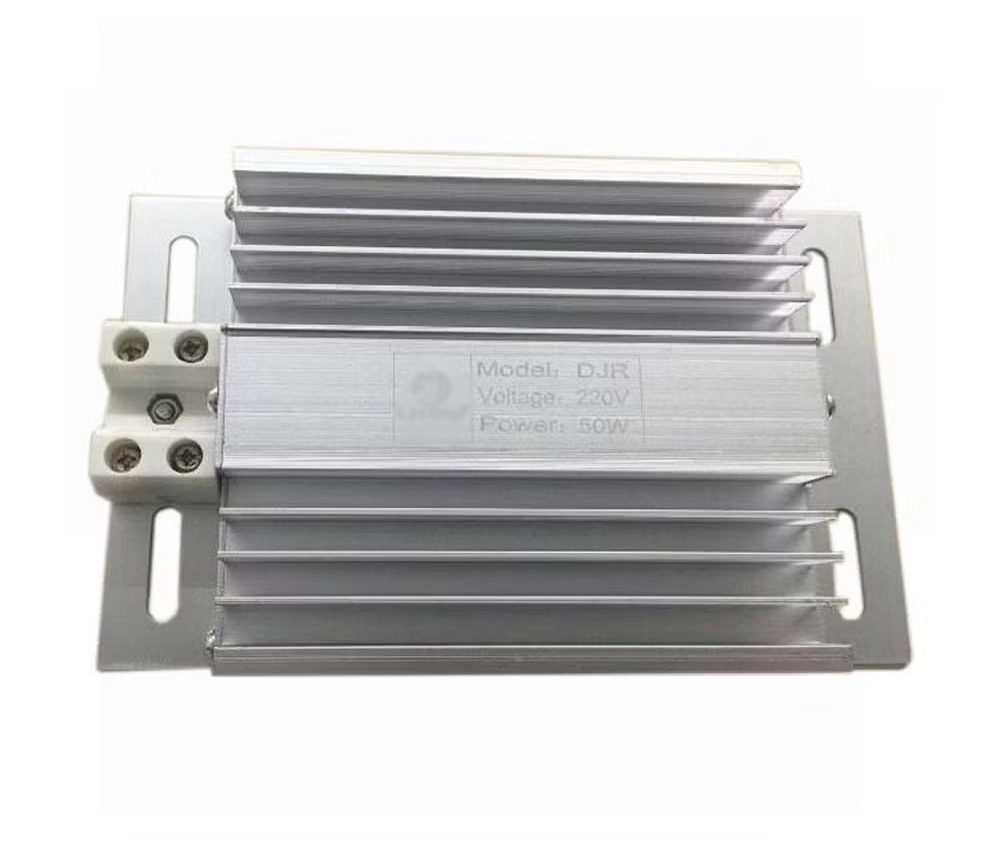
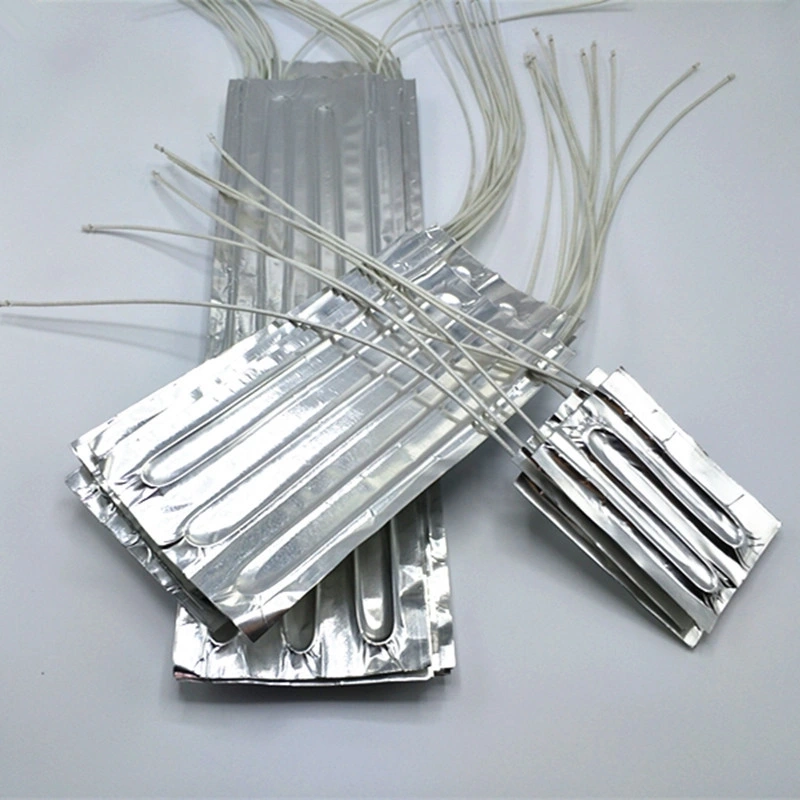
Industrial heating systems need stable thermal output under changing operating conditions. An aluminum alloy industrial heater combines an electric heating element with a conductive aluminum structure. This construction helps distribute generated heat across a broader surface. Aluminum also provides relatively high thermal conductivity and lower weight than many steel alternatives. These characteristics can simplify installation inside electrical cabinets and industrial equipment. However, aluminum construction alone does not determine heater quality. Buyers should also examine the heating element, insulation, terminals, mounting structure, and surface treatment. Corrosion resistance depends on the selected alloy and protective finish. Operating temperature also affects material selection and component durability. Therefore, buyers should evaluate the complete heater assembly rather than focusing only on the housing material. Application conditions should determine the required voltage, wattage, dimensions, temperature range, and control method.
How Does Aluminum Construction Affect Heat Transfer?
Heat transfer depends on the complete thermal path from the heating element to the surrounding equipment. Electrical resistance generates heat when current passes through the heating element. That energy then moves through insulation and into the aluminum structure. Aluminum spreads thermal energy efficiently across its surface because of its high thermal conductivity. A larger contact area can reduce concentrated hot spots under suitable installation conditions. Mounting pressure also affects conduction when the heater contacts a conductive metal surface. Loose mounting can create air gaps that increase thermal resistance. Excessive insulation between the heater and target surface can create similar problems. Engineers should therefore evaluate mounting geometry alongside electrical power. Temperature measurements should cover several points during validation testing. This method can reveal uneven heating that a single sensor might not detect.
Which Heating Elements Should Buyers Compare?
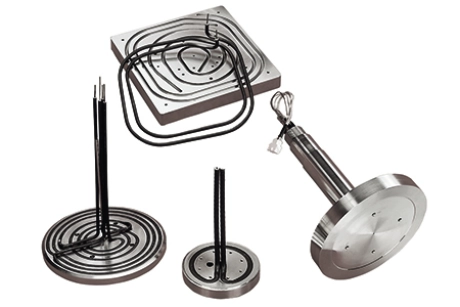
Heating element construction directly affects response time, temperature capability, durability, and operating stability. Resistance wire can provide compact heating within carefully designed aluminum structures. Tubular elements can offer stronger mechanical protection for demanding industrial applications. Insulation around the element must withstand the expected operating temperature. Magnesium oxide commonly provides electrical insulation inside tubular heating elements. Its structure also supports thermal transfer between the resistance element and outer metal sheath. Element diameter influences mechanical strength and thermal response. Terminal construction deserves similar attention because loose connections can create localized resistance heating. Buyers should check rated current, resistance tolerance, insulation resistance, and dielectric strength. Continuous operation tests can reveal thermal drift that short tests may miss. Consistent element quality also reduces performance differences between production batches. These factors become particularly important for equipment operating continuously or under frequent heating cycles.
How Should Buyers Match Heater Power To Equipment?
Required heating power should reflect actual heat loss rather than equipment volume alone. Heat escapes through cabinet walls, doors, ventilation openings, cable entries, and structural gaps. Ambient temperature creates another important variable because colder surroundings increase thermal demand. Engineers can estimate heat loss from the temperature difference and enclosure characteristics. Startup conditions may require additional capacity compared with steady-state operation. Excessive power can create higher surface temperatures and unnecessary control cycling. Insufficient power may prevent equipment from reaching its required internal temperature. Temperature control can reduce energy consumption after reaching the target range. The following values illustrate the main parameters that influence power selection.
- Rated voltage must match the available electrical supply.
- Heating power should reflect calculated thermal losses.
- Ambient temperature should include the lowest expected condition.
- Target temperature should reflect actual equipment requirements.
- Control strategy should prevent excessive temperature cycling.
These parameters should be reviewed together instead of selecting wattage from enclosure dimensions. A cabinet with significant ventilation may lose more heat than a larger sealed cabinet. Outdoor installations can also require additional capacity during cold startup periods. Engineers should validate calculations through temperature testing whenever practical. Measured results can reveal heat-loss assumptions that differ from actual field conditions. Buyers should also avoid operating heaters continuously at maximum capacity without a thermal reason. A suitable operating margin can improve control stability and component longevity.
What Installation Details Affect Heater Performance?
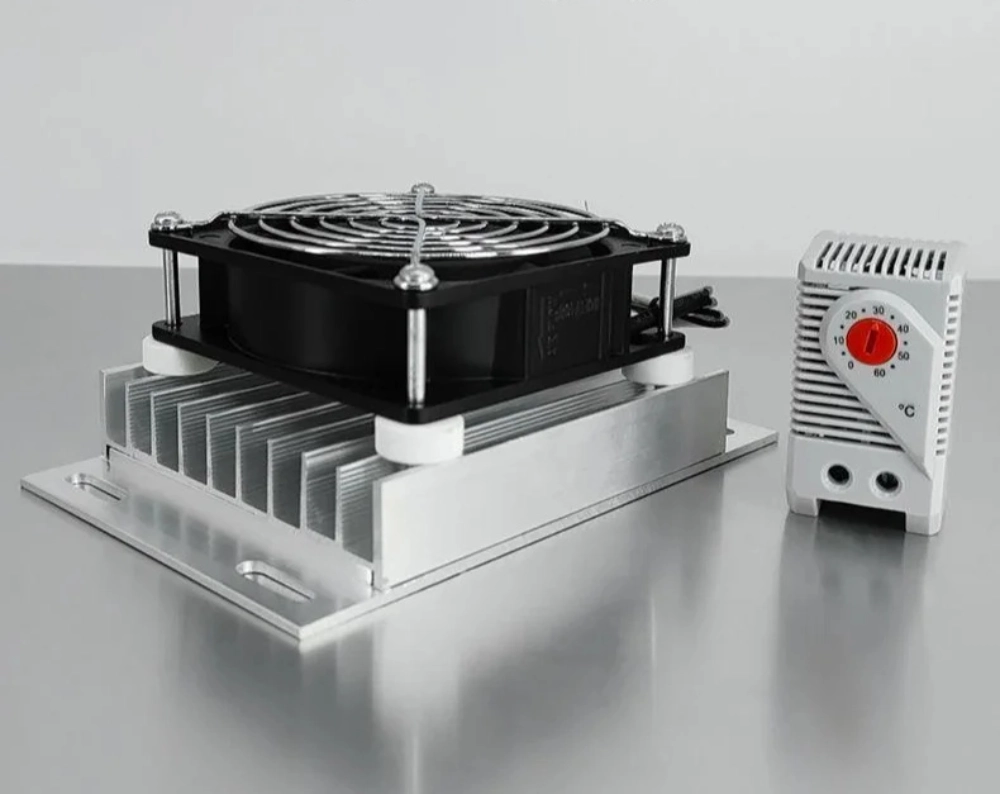
Installation geometry strongly influences heat distribution and operating reliability. The heating surface should maintain suitable clearance from temperature-sensitive components. Direct mounting onto conductive metal can improve heat transfer when the heater design supports that arrangement. DIN-rail mounting can simplify installation inside standardized electrical cabinets. Screw mounting may provide stronger retention for larger industrial assemblies. Cable routing also requires attention because wires should remain away from excessive surface temperatures. Ventilation should not remove heated air faster than the heater can replace it. Mounting holes need accurate alignment to prevent mechanical stress on the heater body. Buyers should verify available depth, width, terminal clearance, and maintenance access before ordering. The following comparison highlights common installation considerations.
| Installation Factor | Buyer Check | Potential Concern |
|---|---|---|
| Mounting method | Screw, DIN rail, or direct mounting | Mechanical incompatibility |
| Clearance | Distance from sensitive components | Local overheating |
| Contact area | Available conductive surface | Poor heat transfer |
| Terminal position | Wiring access and clearance | Installation difficulty |
| Ventilation | Airflow around the heater | Excessive heat loss |
Installation drawings should therefore form part of the purchasing specification. Accurate mounting dimensions can prevent costly cabinet modifications after delivery. Engineers should also verify terminal accessibility before finalizing the enclosure layout. Proper clearance reduces contact with plastic components, insulation, and sensitive wiring. Maintenance access is equally important for periodic electrical and thermal inspections. A technically suitable heater can still perform poorly when installation conditions remain unresolved.
How Should Buyers Evaluate Aluminum Alloy Industrial Heater Specifications?
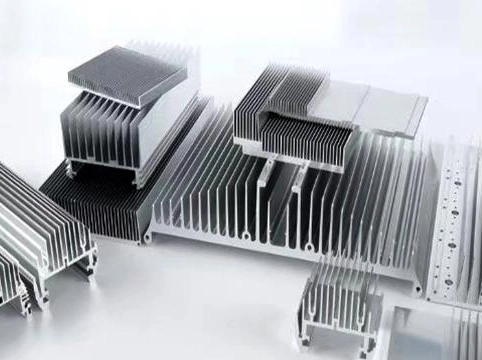
Specification sheets become more valuable when each parameter connects with an actual operating requirement. Rated voltage must match the available electrical supply. Rated power should correspond with calculated heat loss and expected temperature rise. Aluminum material specifications should identify the selected alloy or construction grade. Drawings should show mounting holes, overall dimensions, terminal locations, and clearance requirements. Temperature data should distinguish ambient temperature from heater surface temperature. Buyers should also examine insulation resistance and dielectric strength requirements. Environmental conditions may require additional attention to moisture, dust, vibration, or chemical exposure. The table below organizes the principal specification checks for industrial procurement.
| Specification | Why It Matters | Recommended Verification |
|---|---|---|
| Rated voltage | Ensures electrical compatibility | Nameplate and electrical test |
| Rated power | Determines heating capacity | Measured power output |
| Heating element | Affects durability and response | Resistance and material records |
| Surface temperature | Protects nearby components | Thermal testing |
| Insulation | Supports electrical safety | Insulation resistance testing |
| Mounting dimensions | Ensures installation compatibility | Engineering drawing inspection |
| Environmental rating | Addresses site conditions | Application-specific verification |
These specifications give engineering teams measurable criteria for supplier comparison. Test documents should identify methods, limits, and actual measured values where appropriate. Customized heaters require approved drawings before production begins. Buyers should also confirm whether quoted specifications apply to standard products or customized configurations. This distinction matters because modified dimensions can change thermal behavior. Clear technical documentation reduces communication errors between engineering, purchasing, and production teams. It also makes later batch inspections easier because inspectors can compare actual products with approved requirements.
What Should Buyers Check About Temperature Control?
Temperature control determines how consistently an aluminum alloy industrial heater maintains equipment within its required operating range. Basic thermostats can switch heating power around a defined temperature point. More advanced systems can use proportional control for tighter regulation. PID controllers adjust output according to temperature error and changing thermal conditions. Sensor selection also affects measurement accuracy. Resistance temperature detectors can provide stable readings across many industrial temperature ranges. Thermistors can offer rapid response in suitable lower-temperature applications. Sensor placement should represent the protected equipment rather than the heater surface alone. Over-temperature protection provides an additional safety layer when the primary controller fails. Buyers should verify controller relay ratings against actual heater current. Proper coordination reduces unnecessary switching and helps prevent contact overheating. Control logic should also account for startup conditions and expected ambient fluctuations.
What Does A Real Industrial Heating Case Reveal?
A practical cabinet application demonstrates why thermal design requires more than wattage selection. Consider an outdoor control cabinet installed near a coastal production facility. Nighttime temperature changes caused condensation around terminals and control components. Engineers added an aluminum heating assembly near the lower cabinet section. The system operated through a humidity controller and maintained a controlled temperature margin. Installation kept the heating surface away from sensitive wiring and plastic components. Technicians monitored internal temperature and humidity during repeated cold-night cycles. Measurements showed more stable cabinet conditions after the heating system operated continuously. However, the heater alone did not resolve every environmental variable. Sensor position, enclosure sealing, control logic, and mounting geometry also affected results. This case demonstrates why industrial heating should be evaluated as a complete thermal management system. Application testing remains valuable when environmental conditions differ from laboratory conditions.
What Quality Checks Should Buyers Request?
Industrial heater quality depends on measurable electrical, thermal, mechanical, and dimensional characteristics. Buyers should request defined production tests before approving larger purchase quantities. Incoming materials should meet documented specifications before assembly begins. Heating elements should maintain consistent resistance within approved tolerances. Aluminum components should maintain dimensions and surface quality across production batches. Electrical testing should confirm resistance, insulation resistance, and dielectric strength. Thermal testing should evaluate heat output and surface temperature under defined conditions. Mechanical inspection should verify mounting dimensions and terminal stability. Customized production requires additional first-article inspection before volume manufacturing. Buyers requesting DJR-S Aluminum Alloy Heater Series OEM/ODM should approve samples before mass production. Approved samples should define dimensions, power, voltage, terminal positions, and surface requirements. Production records should then demonstrate conformity with those approved specifications.
How Can Buyers Compare Industrial Heater Suppliers?
Supplier evaluation should cover production capability, technical support, quality control, and customization capacity. Buyers should request information about materials, engineering drawings, testing procedures, and production controls. Manufacturing capacity matters when projects involve repeated or seasonal demand. Customization capability becomes important when standard dimensions do not fit existing equipment. Suppliers should clarify minimum order quantities, sample procedures, lead times, and production schedules. Communication quality also affects engineering changes and approval cycles. Buyers should confirm whether suppliers can provide inspection records for completed batches. The following points can support a structured supplier review.
- Material traceability and incoming inspection procedures
- Heating element consistency and resistance control
- Electrical and thermal testing capability
- OEM and ODM engineering support
- Dimensional inspection and production records
- Sample approval and first-article procedures
- Packaging and shipment quality controls
These factors help buyers compare suppliers using measurable production information. Production samples should represent the same process used for volume orders. Engineering changes should receive documented approval before mass production begins. Buyers should also confirm whether test reports apply to the exact product configuration. For customized projects, clear technical communication reduces specification errors. A supplier should demonstrate control over both standard production and modified designs. Such evidence provides a stronger basis for evaluating production consistency than product appearance alone.
How Should Buyers Specify Industrial Heater Requirements?
A detailed technical specification helps suppliers quote accurately and reduces later engineering changes. Buyers should provide supply voltage, required power, target temperature, and operating conditions. Installation drawings should show mounting holes, available clearance, and cable-entry locations. Environmental information should include humidity, dust, vibration, and ambient temperature. Control requirements should identify thermostats, sensors, relays, or external controllers. Surface temperature restrictions should be stated when nearby components have limited thermal tolerance. Material requirements may include alloy selection, surface treatment, or corrosion resistance. Customized assemblies need approved drawings before production begins. Test requirements should define resistance tolerance, insulation resistance, dielectric strength, and thermal limits. Buyers seeking DJR-S Alloy Heater OEM/ODM should also specify terminal configuration and mounting details. Clear requirements allow suppliers to quote against measurable targets. They also make later inspection and batch acceptance more consistent.
How Can Maintenance Extend Heater Service Life?
Regular maintenance can preserve heating performance and electrical reliability over extended operation. Technicians should inspect terminals for discoloration, looseness, or abnormal heating. Dust accumulation can reduce effective heat transfer from exposed surfaces. Moisture requires special attention in outdoor cabinets and humid production environments. Temperature sensors should receive periodic verification because sensor drift can change control behavior. Controllers should also receive functional checks during scheduled maintenance. Insulation resistance testing can identify deterioration before electrical faults develop. Mechanical fasteners should remain secure because vibration can loosen mounting connections. Maintenance records should document measured resistance, temperature, and inspection findings. Trend data can reveal gradual deterioration that individual inspections may overlook. Replacement decisions should consider measured condition rather than arbitrary time intervals. Proper maintenance also confirms whether operating conditions remain consistent with the original heater specification.