How Can Suppliers Ensure Humidity & Temp Controller Quality?
Choose a humidity and temperature controller supplier with strict testing, advanced components, and stable manufacturing for quality.
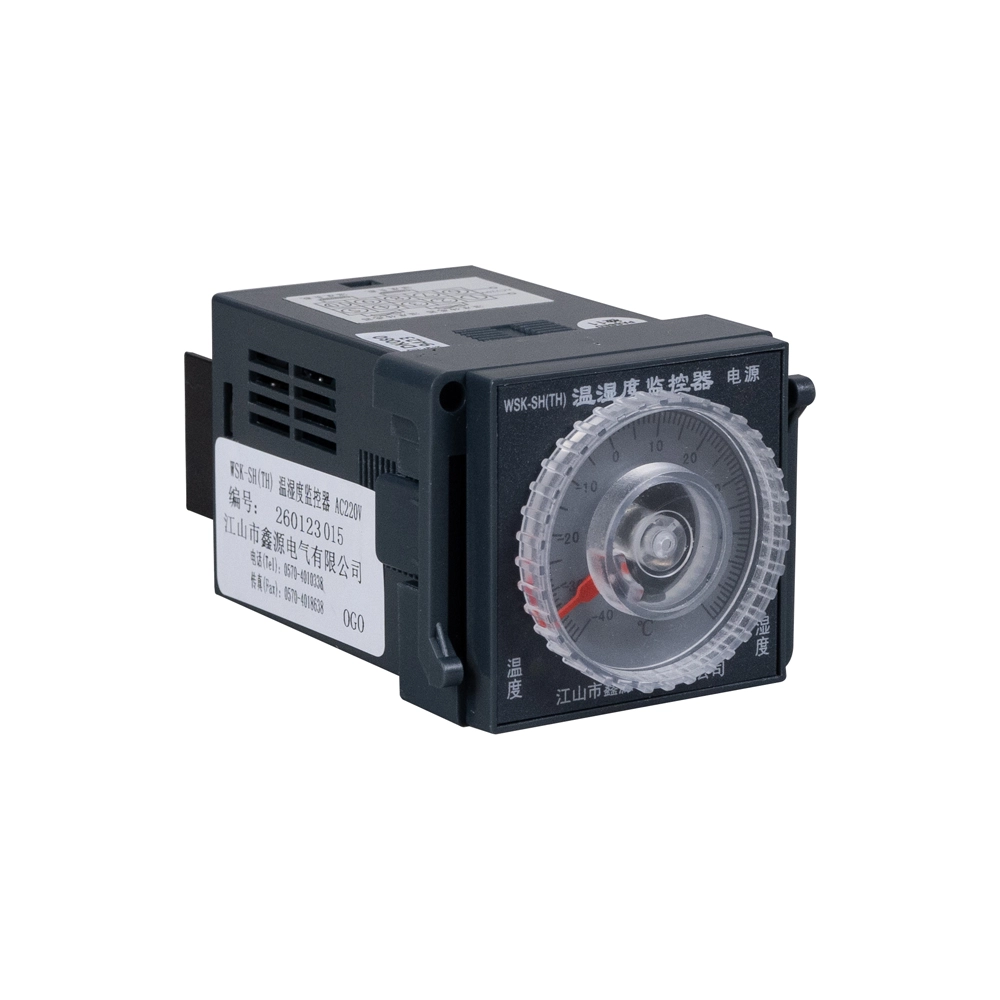
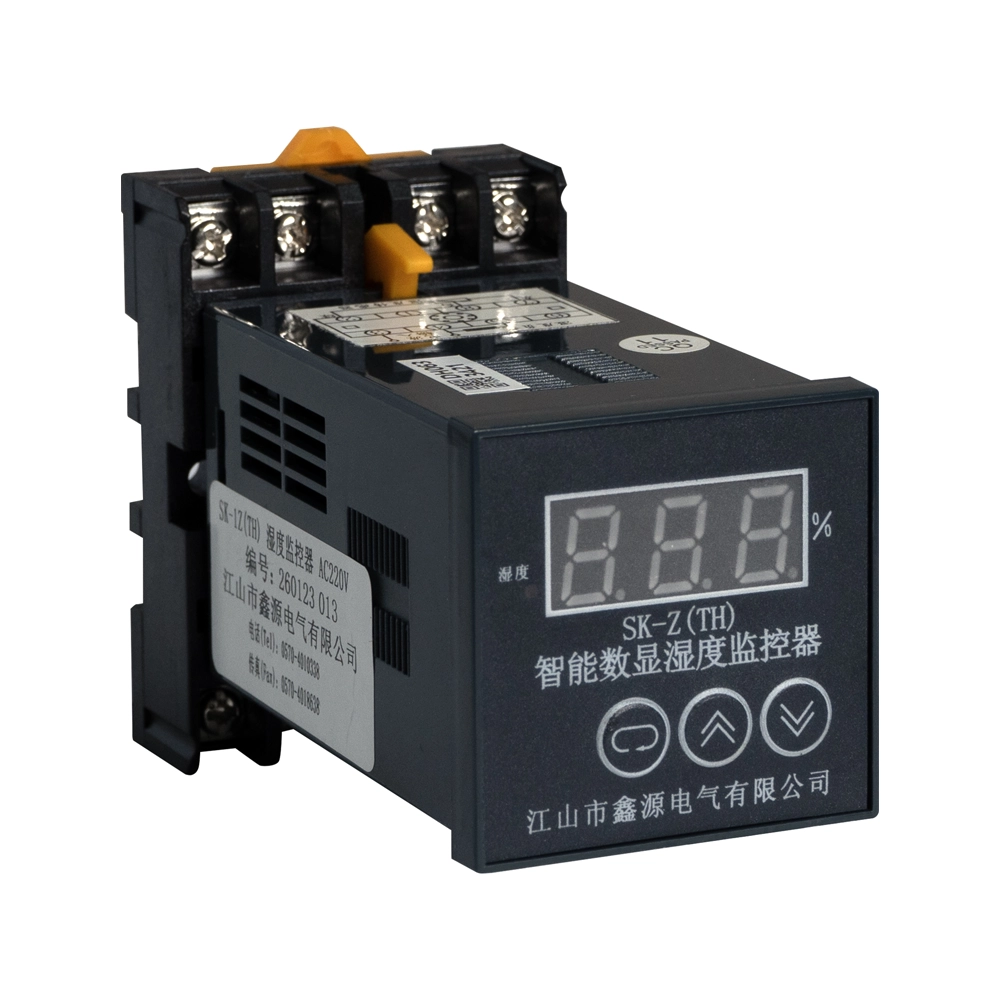
Quality Control Standards From A humidity and temperature controller supplier
Reliable environmental monitoring requires accurate equipment and professional manufacturing systems. A humidity and temperature controller supplier should establish strict quality procedures from component sourcing to final inspection. Modern controllers depend on precise sensors, stable electronic circuits, and durable housing structures. These elements determine measurement accuracy and operational stability in different environments. Quality management starts with raw material evaluation, continues through assembly control, and finishes with performance verification. Experienced manufacturers create clear inspection methods to reduce product variation. Strong production systems also help customers receive consistent solutions for industrial cabinets, storage facilities, laboratories, and automation equipment. Effective quality control builds confidence and supports long-term cooperation between suppliers and global buyers.
Advanced Components Improve Controller Accuracy And Stability
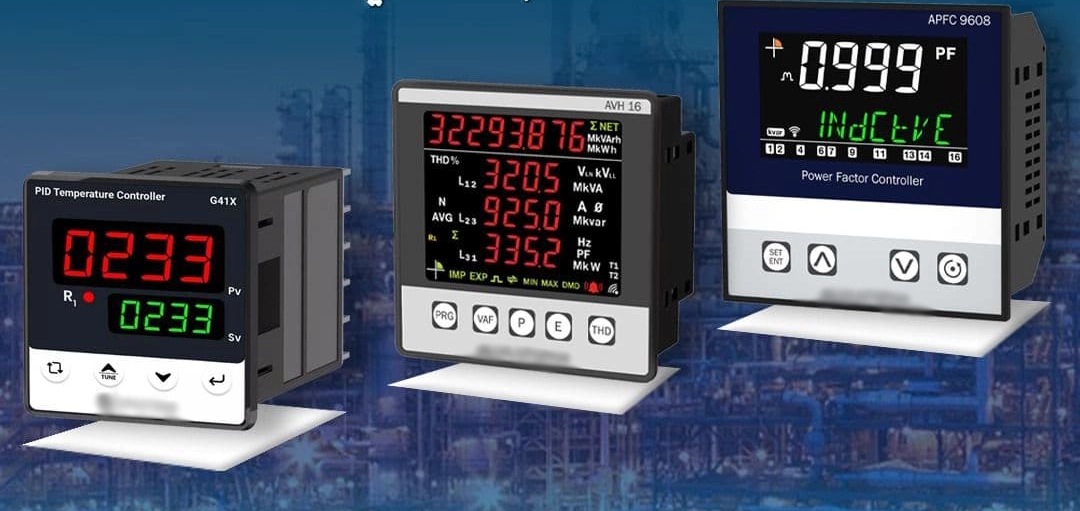
Core components directly influence controller performance and service life. Temperature sensors detect thermal changes through resistance variations or digital signals. Humidity sensors measure moisture levels through advanced sensing materials that react to environmental changes. Professional manufacturers select sensors based on accuracy, response speed, and operating conditions. Microprocessors handle calculations, data processing, and control commands. Display modules provide clear information for users during operation. Communication interfaces allow integration with monitoring platforms and intelligent systems. Relay components support reliable switching functions for connected devices. Careful component selection creates better performance because each part affects the complete control system. Suppliers with technical experience can optimize component combinations according to specific application requirements.
Manufacturing Experience Supports Consistent Production Quality
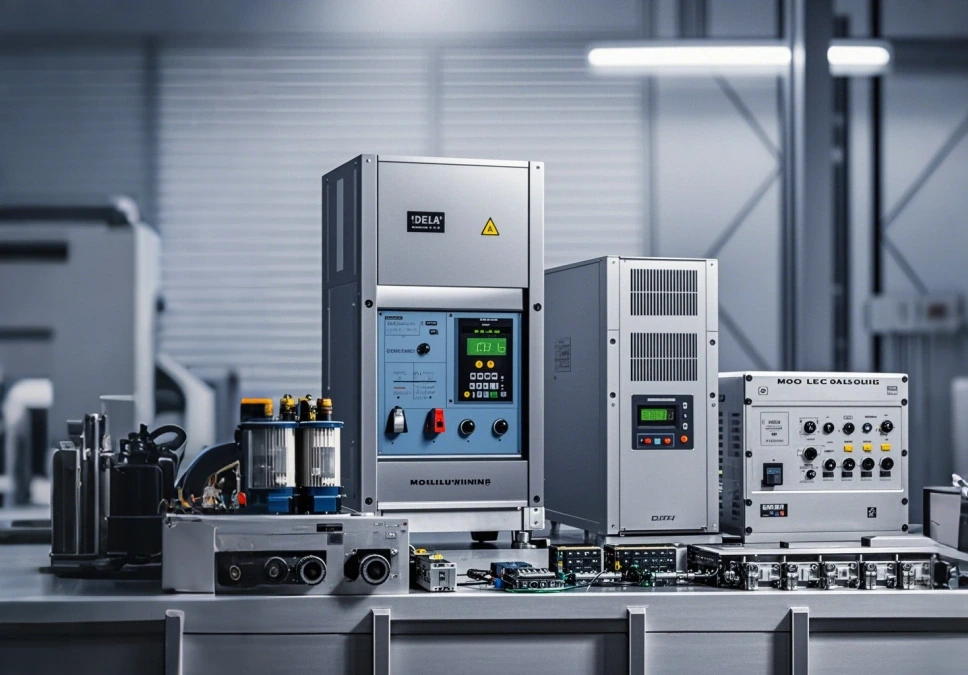
Production experience improves assembly accuracy and process management. Skilled workers apply precise methods for circuit installation, sensor placement, and protection requirements. Manufacturing facilities need advanced equipment for soldering, calibration, inspection, and functional testing. A humidity and temperature controller supplier with mature production experience can manage customized projects more effectively. Experienced teams identify possible defects during manufacturing stages and improve efficiency through process optimization. Stable production workflows reduce differences between individual units. Quality records also help factories analyze problems and improve future batches. Reliable manufacturing depends on trained employees, organized procedures, and continuous technical improvement. These factors create stronger product consistency and better customer satisfaction.
Testing Procedures Verify Long-Term Performance
Performance testing determines whether controllers can operate reliably under different environmental conditions. Professional factories usually perform temperature accuracy checks, humidity response tests, and durability evaluations before shipment. Temperature tests verify whether sensors maintain correct readings across wide ranges. Humidity tests evaluate detection stability in dry and moist environments. Long-term operation assessments examine circuit reliability during continuous use. Environmental simulation testing helps identify potential failures before products reach customers. Detailed inspection data provides evidence for quality evaluation and technical improvement. A professional manufacturer should maintain testing records because measurable results support better production decisions. Comprehensive verification reduces risks and improves confidence in product applications.
| Testing Category | Inspection Purpose | Quality Value |
|---|---|---|
| Sensor Calibration | Checks measurement accuracy | Improves environmental control |
| Response Testing | Evaluates adjustment speed | Supports stable operation |
| Durability Assessment | Reviews long-term performance | Extends service reliability |
Testing Data Creates Stronger Product Confidence
Inspection results help buyers evaluate product reliability before purchasing decisions. Manufacturers can use collected data to improve sensor calibration and circuit designs. Detailed records also support quality traceability during production management. Customers benefit when suppliers provide clear technical information and testing documentation. Reliable evaluation methods reduce uncertainty because product performance becomes easier to verify. Professional factories often combine manual inspection with automated testing systems to improve efficiency.
These practices help maintain consistent standards across different production volumes. Strong testing systems demonstrate manufacturing responsibility and create greater trust between suppliers and customers.
Certification Standards Improve Supplier Reliability
Industry certifications show whether products follow recognized safety and performance requirements. Electrical controllers often require compliance related to safety protection, electromagnetic compatibility, and manufacturing management. A reliable humidity and temperature controller supplier should prepare technical documents and testing reports for customer review. Certification processes normally include product examination, factory evaluation, and quality system verification. These procedures encourage manufacturers to maintain professional production standards. Buyers should check certification information before selecting products for commercial applications. Proper compliance reduces purchasing concerns and helps businesses choose dependable equipment. Suppliers with complete certification support usually demonstrate stronger technical management and market credibility.
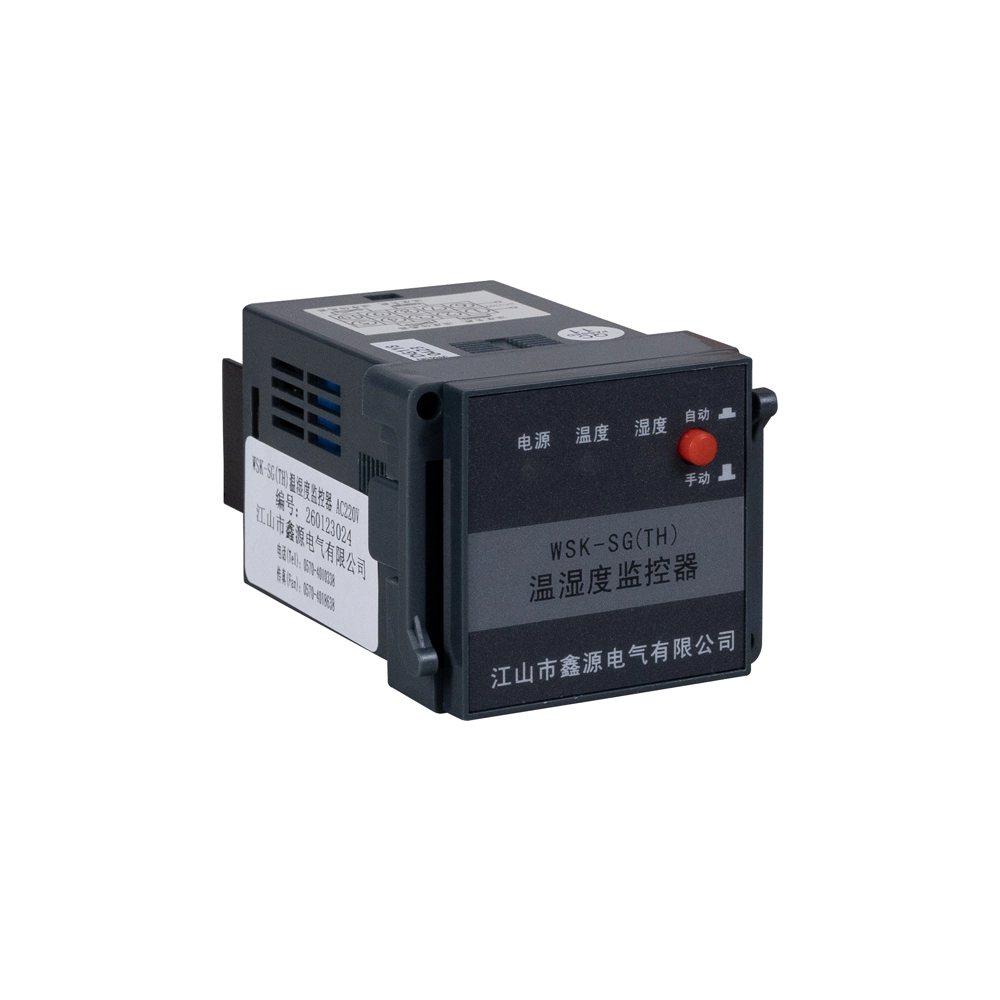
Key Factors For Choosing A Professional humidity and temperature controller supplier
Purchasers should evaluate several important points before establishing cooperation. Careful assessment helps companies avoid quality problems and improve purchasing efficiency. Important factors include:
- Product accuracy and measurement range.
- Manufacturing capability and production stability.
- Custom design and development support.
- Testing procedures and quality records.
- Technical communication and after-sales service.
These points help buyers compare different manufacturers more effectively. Strong suppliers provide complete solutions instead of simple product delivery. They combine technical knowledge, production resources, and customer support to meet changing requirements. A detailed evaluation process allows businesses to select partners with reliable capabilities and long-term cooperation value.
| Selection Factor | Key Information | Customer Advantage |
|---|---|---|
| Quality System | Production control and inspection records | More stable products |
| Customization Service | Flexible functions and designs | Better application matching |
| Technical Support | Installation and maintenance assistance | Improved operation experience |
Customization Capability Meets Different Application Requirements
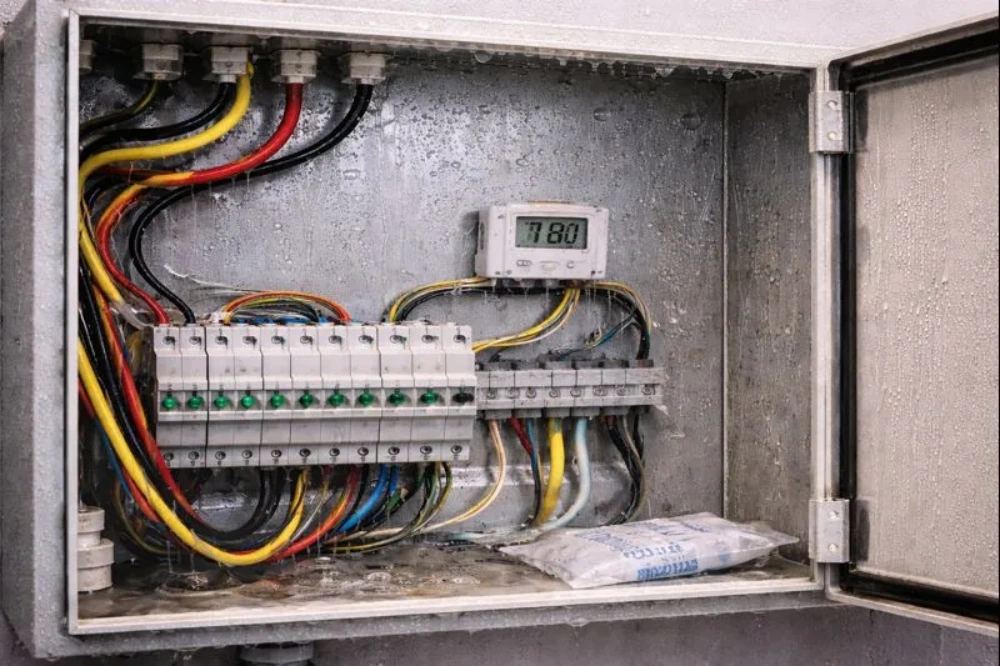
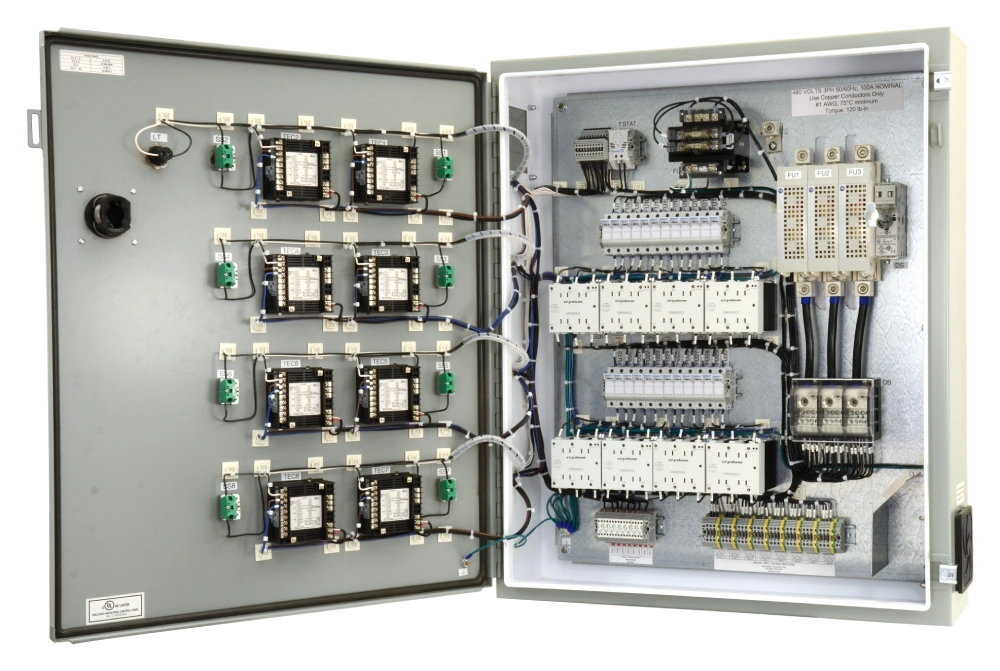
Different industries require specific control functions and installation structures. Industrial cabinets may need compact designs with protection features against dust and moisture. Laboratories often require high precision and stable monitoring performance. Storage systems may focus on continuous environmental management. A professional manufacturer can adjust sensor specifications, display methods, communication functions, and structural designs according to application needs. For cabinet protection applications, WSK Fixed Temperature and Humidity Controller for Cabinets provides stable monitoring performance and practical installation advantages. Customized solutions allow users to achieve better equipment compatibility. Flexible development capability also helps manufacturers respond to unique market demands and technical challenges.
Professional Support Creates Long-Term Cooperation Value
Technical service remains important after product delivery. Suppliers should provide installation suggestions, operation assistance, and maintenance information. Effective communication helps customers solve problems quickly during application. Technical teams with industry experience can recommend suitable configurations for different environments. Continuous feedback also allows manufacturers to improve future products and services. Reliable cooperation depends on transparent communication and consistent quality management. Customers prefer partners that provide support throughout the product lifecycle. Professional service creates additional value because it reduces operational difficulties and improves equipment efficiency.
Future Trends Influence humidity and temperature controller supplier Development
Smart technology continues to change environmental control solutions. Modern systems increasingly include digital communication, remote monitoring, and automatic adjustment functions. Energy efficiency has become another important consideration for industrial users. Manufacturers need to improve hardware performance and software functions to meet future expectations. Suppliers should focus on innovation while maintaining reliable production standards. Advanced monitoring features allow users to manage environmental conditions more effectively. Research investment and technical development help suppliers remain competitive. Future products will likely provide stronger connectivity, better accuracy, and more flexible control options.
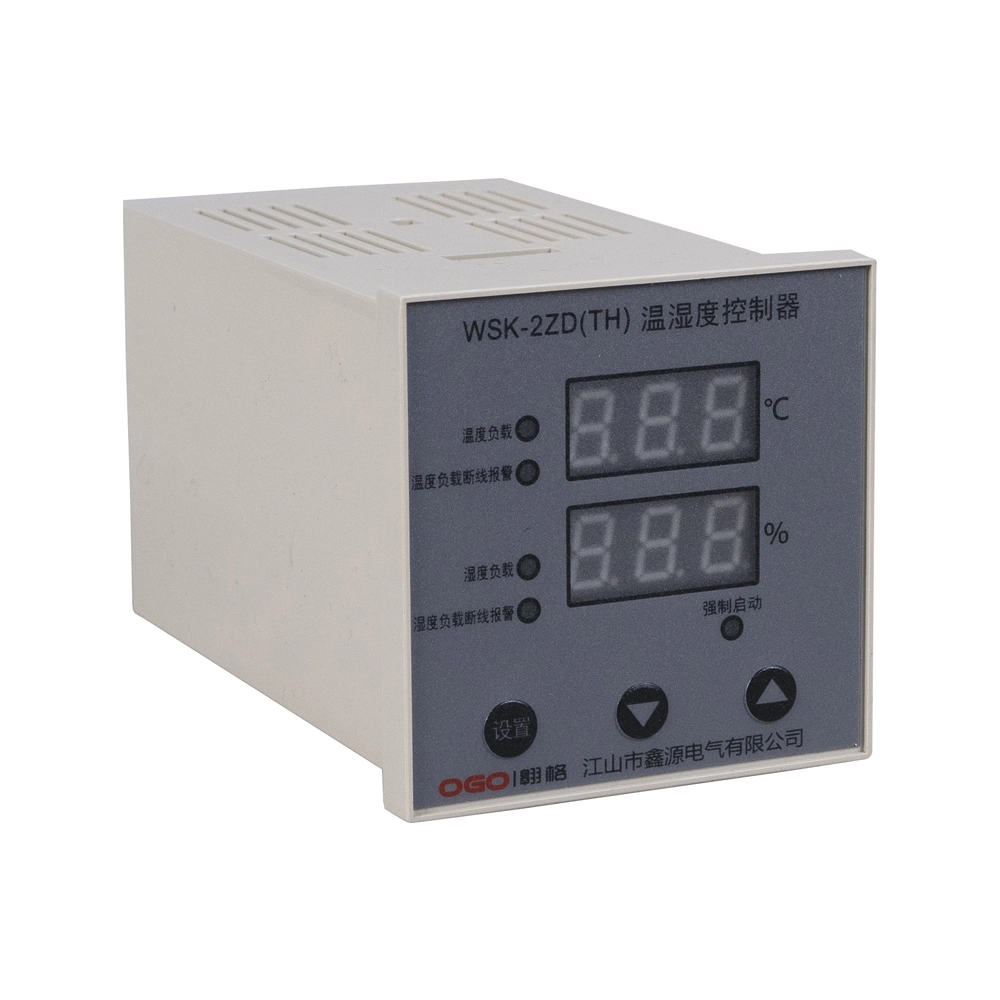
Reliable Designs Support Diverse Industrial Applications
Product structure affects installation convenience and operational stability. Engineers consider enclosure materials, circuit protection, and internal layouts during development. Durable housings protect electronic parts from environmental impacts. Clear interfaces improve user operation and monitoring efficiency. WSK Dial-Type Temperature and Humidity Controller offers a practical design with direct adjustment functions for users who prefer simple operation methods. Professional suppliers combine functional designs with manufacturing precision. These improvements help equipment perform effectively across different environments. Strong design strategies also support easier maintenance and longer product service periods.