How Do You Choose The Right DJR Alloy Heater?
DJR Alloy Heater selection covers power, voltage, alloy material, dimensions, temperature control, installation, and operating conditions.
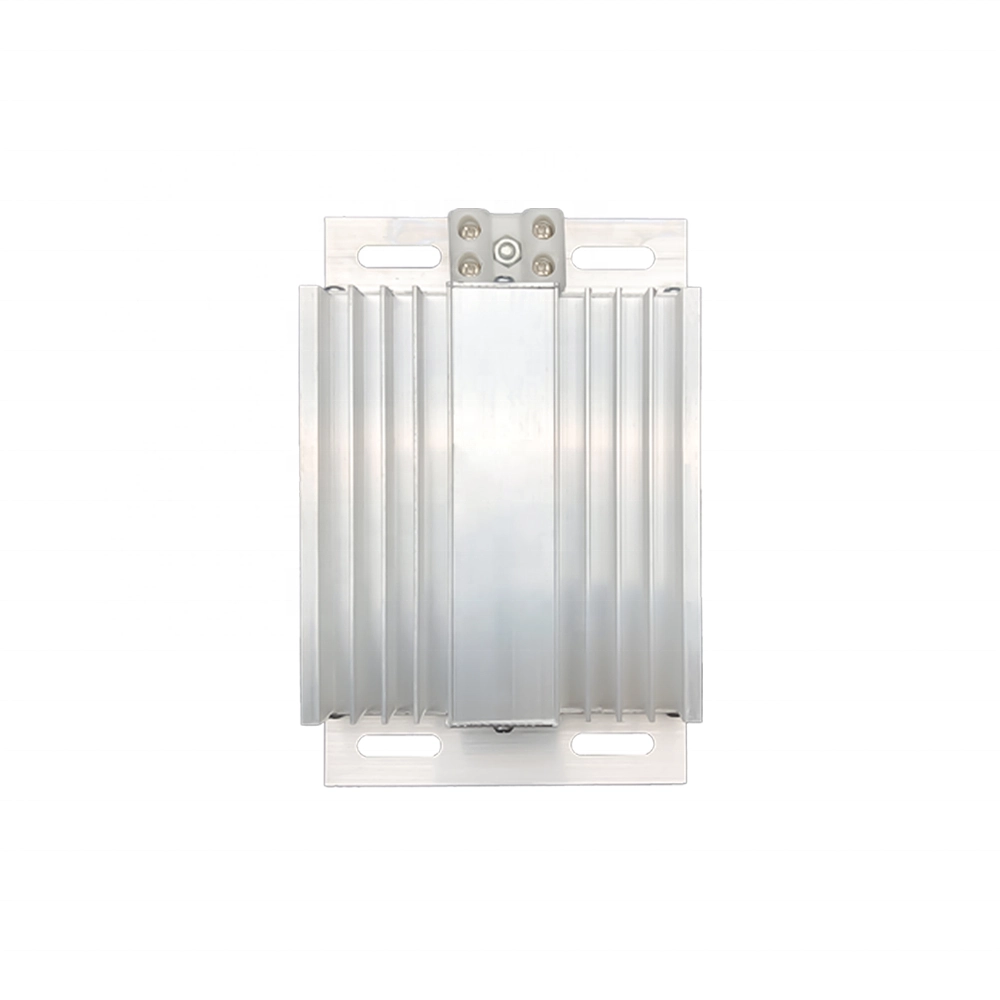
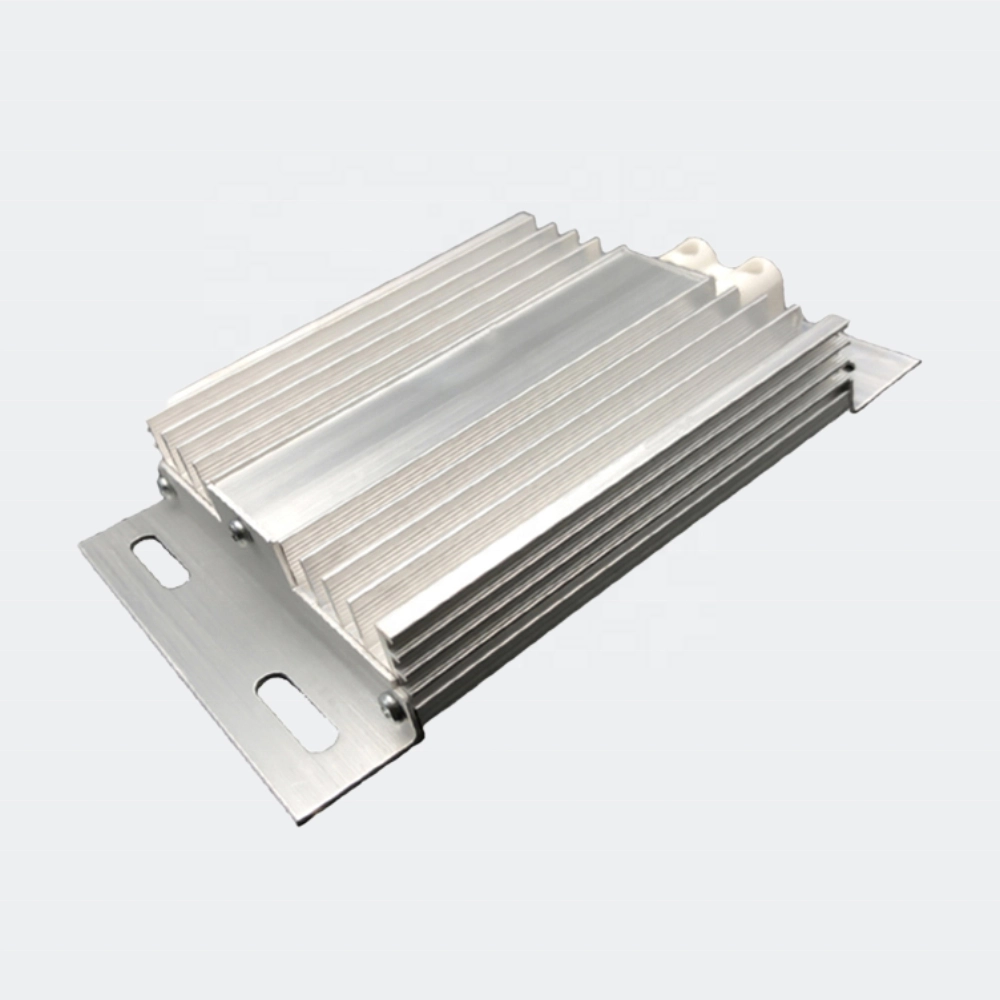
Selecting the right DJR Alloy Heater requires more than checking rated wattage. Heating performance depends on voltage, dimensions, temperature, material, and installation conditions. Each parameter affects heat transfer and operating stability. The required heating load should match the actual equipment environment. Engineers should consider ambient temperature, airflow, insulation, and expected heat loss. A suitable heater should reach the target temperature without excessive thermal stress. Electrical compatibility also affects safe and stable operation. Material quality becomes important during repeated heating cycles. Installation space can further restrict available heater dimensions. Control equipment also influences temperature stability during continuous operation. Careful specification matching reduces compatibility problems and premature component replacement. A structured selection process helps buyers compare technical factors before purchasing. This approach supports reliable heating performance across different industrial applications.
Heating Requirements That Define The Right Heater
The first selection step involves defining the actual heating requirement. Start by identifying the target temperature and required heating time. A small enclosure may need modest power for condensation prevention. Larger equipment may require greater output for faster temperature recovery. Heat loss depends on enclosure size, insulation, ambient temperature, and airflow. Metal surfaces can transfer heat away from the heating zone quickly. Engineers should estimate these losses before selecting rated output. Continuous heating also differs from short heating cycles. Frequent switching creates repeated thermal expansion and contraction within the element. The heater should provide sufficient output without excessive temperature overshoot. Thermal requirements therefore create the foundation for electrical and mechanical specifications. Accurate calculations can prevent both insufficient heating and unnecessary energy consumption.
How Does A DJR Alloy Heater Match Power And Voltage?
Rated power and voltage directly determine electrical loading during operation. Power indicates how much electrical energy converts into thermal energy. Voltage determines the electrical potential required for proper operation. Incorrect voltage can create serious performance and reliability problems. Excessive voltage can increase current and raise element temperature excessively. Insufficient voltage can reduce heat output and extend heating time. Buyers should verify the equipment supply before confirming heater specifications. Electrical systems may use different single-phase or three-phase configurations. The control circuit should also support the heater's rated electrical load. Proper matching reduces unnecessary electrical stress during repeated operation. It also helps maintain predictable heating performance across different working conditions. Engineers should verify electrical drawings before finalizing the component specification.
Alloy Material And Heat Transfer Performance
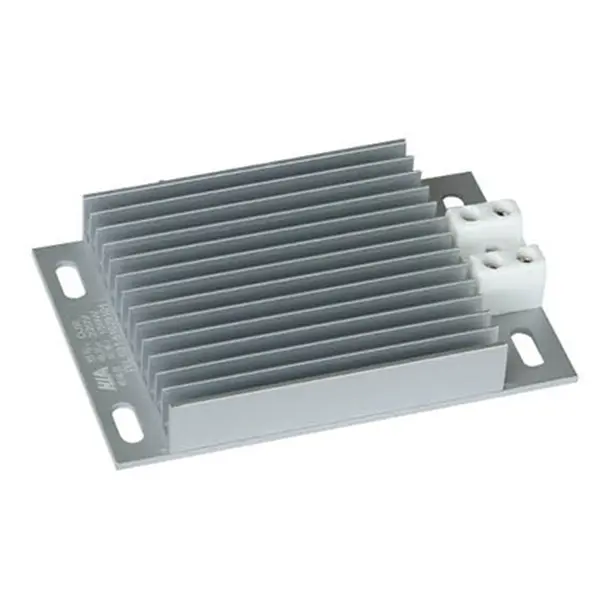
The heating element material strongly influences operating temperature and durability. Aluminum alloy provides useful thermal conductivity for efficient surface heat distribution. Its thermal characteristics can support relatively uniform heating across suitable contact areas. Electrical resistance within the element converts electrical energy into thermal energy. Material composition affects resistance stability during temperature changes. Surface construction also influences how quickly heat reaches surrounding air or equipment surfaces. Poor thermal contact can create localized temperature differences during operation. Engineers should therefore evaluate material properties and physical construction together. The DJR-S Aluminum Alloy Heater Series provides an aluminum alloy construction option for applications requiring effective thermal transfer. Alloy quality can influence oxidation resistance and long-term dimensional stability. Thermal cycling can also affect connections and mounting structures. Proper material selection supports predictable performance during repeated operating cycles.
Heater Dimensions And Installation Space
Physical dimensions must match the available installation area precisely. Length and width determine whether the heater fits the intended mounting location. Thickness can affect clearance between the heater and nearby components. Engineers should consider cable routing and terminal access during installation. Adequate clearance helps prevent unwanted contact with sensitive materials. Mounting points should provide stable mechanical support during repeated heating cycles. The effective heating area should align with the zone requiring thermal protection. Poor positioning can create uneven temperatures inside an enclosure. Restricted airflow can also reduce heat distribution efficiency. Maintenance access matters when technicians need to inspect electrical connections. The DJR Alloy Heater must therefore satisfy both geometric and thermal requirements. Accurate drawings can prevent installation problems before production begins.
| Specification | What To Check | Why It Matters |
|---|---|---|
| Rated voltage | Supply voltage and phase | Prevents electrical mismatch |
| Rated power | Required heating output | Determines heating capability |
| Dimensions | Length, width, and thickness | Ensures installation compatibility |
| Material | Alloy composition and construction | Influences heat transfer and durability |
| Working temperature | Target operating range | Supports stable thermal performance |
| Mounting method | Holes, brackets, or surface mounting | Ensures mechanical stability |
| Control method | Thermostat, sensor, or controller | Regulates heating cycles |
| Operating environment | Humidity, dust, and temperature | Affects reliability and service life |
How To Read Heater Specifications Correctly
The specification table provides a practical screening method for procurement decisions. Voltage should receive attention before evaluating other electrical characteristics. Rated power then needs comparison against the calculated thermal requirement. Dimensions should be checked against technical drawings rather than photographs. Material specifications can reveal whether the heater suits the operating environment. Temperature ratings should cover normal operation and expected peak conditions. Control compatibility also matters because poor switching can create unstable thermal cycles. Environmental conditions may require additional protection against moisture or contamination. Buyers should confirm terminal positions when installation space is limited. Technical documentation should also identify mounting details and electrical tolerances. Reviewing these parameters together reduces the chance of selecting a component that works electrically but fails mechanically. A complete specification check creates stronger purchasing confidence.
Temperature Control And Operating Stability
Temperature control determines how consistently the heating system maintains thermal conditions. A thermostat can switch heating power according to measured temperature. A temperature sensor can provide more precise feedback for automated control systems. Controllers may regulate heating through relays or solid-state switching devices. Sensor placement directly affects measurement accuracy inside enclosed equipment. A sensor positioned too close to the element may detect excessive local heat. A distant sensor may respond too slowly to temperature changes. Control hysteresis also affects switching frequency during normal operation. Excessive cycling can increase thermal fatigue within the heating element. Proper control settings help maintain stable temperatures while reducing unnecessary electrical cycling. The control strategy should match both heater output and thermal response. Engineers should also verify controller capacity before connecting the heating circuit.
How Do You Compare A DJR Alloy Heater For Different Applications?
Different applications require different balances between power, size, and temperature control. Cabinet heating often focuses on condensation prevention rather than rapid temperature increases. Equipment enclosures may need distributed heating to prevent cold spots. Industrial machinery can require stronger thermal output during startup or recovery periods. Some systems operate continuously, while others activate below a defined temperature. The DJR-S Alloy Heater can suit applications requiring compact alloy construction and controlled heating performance. Buyers should compare the actual thermal objective before selecting a configuration. A heater designed for moisture prevention may not suit rapid process heating. Likewise, high-output equipment may require stronger control hardware and larger electrical capacity. Application conditions should determine the final specification. Engineers should evaluate the complete equipment environment before approving a replacement or new installation.
Practical Selection Checklist For Buyers
A clear checklist can simplify technical communication between buyers, engineers, and suppliers. Each item should be confirmed before placing a production order.
- Confirm the required operating voltage.
- Calculate the estimated heating power.
- Measure the available installation space.
- Define the target operating temperature.
- Check the expected heating cycle.
- Review ambient temperature and humidity.
- Confirm mounting and terminal requirements.
- Select a compatible temperature control method.
- Verify material suitability for the environment.
- Request technical drawings when dimensions are critical.
How The Selection Checklist Supports Better Procurement
This checklist works best when engineers verify every item against actual equipment conditions. Electrical data should come from equipment specifications rather than assumptions. Physical measurements should include mounting clearance and cable access. Thermal requirements should account for heat loss from exposed metal surfaces. Environmental information should cover humidity, dust, and surrounding temperature. Control requirements should include switching frequency and sensor location. Technical drawings can prevent errors when installation space is limited. Buyers should also confirm tolerance requirements for critical dimensions. Supplier communication becomes more efficient when all specifications appear in one request. A complete checklist reduces revisions and helps prevent unsuitable substitutions. It also gives procurement teams a consistent basis for comparing different configurations. Accurate technical information improves purchasing decisions and reduces installation risks.
Installation Factors That Affect Heating Results
Installation quality can significantly influence actual heating performance. The heating surface should face the intended thermal zone whenever the design permits. Contact surfaces should remain clean and properly aligned during installation. Uneven mounting can create mechanical stress across the heater body. Nearby insulation can improve heat retention when safe placement permits. However, insulation must not block electrical clearances or required ventilation paths. Air circulation also affects heat distribution inside enclosed equipment. Natural convection may provide adequate movement in smaller cabinets. Larger enclosures may require deliberate airflow to eliminate temperature gradients. Terminals should remain protected from moisture and accidental contact. Correct installation allows the selected heating capacity to perform consistently. Maintenance teams should also retain sufficient access for inspection and replacement.
Material Quality And Long-Term Service Performance
Material quality affects resistance stability, mechanical strength, and thermal durability. Heating elements repeatedly expand when energized and contract after shutdown. These thermal cycles can create stress within materials and connection points. Higher operating temperatures can accelerate oxidation and material degradation. Surface protection can become important in humid or chemically exposed environments. Manufacturing consistency also affects resistance values across production batches. Small resistance differences can influence current draw and actual heating output. Connection quality matters because loose terminals can create localized electrical heating. Repeated vibration can further increase stress around mounting points and electrical connections. Buyers should evaluate material specifications together with manufacturing quality controls. Stable materials and consistent construction support predictable performance over extended service periods. Proper storage before installation can also help protect components from contamination and moisture.
| Operating Priority | Main Parameter | Recommended Focus |
|---|---|---|
| Condensation prevention | Moderate heating output | Stable temperature maintenance |
| Rapid warm-up | High heating output | Power and thermal response |
| Compact installation | Small dimensions | Space and mounting compatibility |
| Continuous operation | Thermal durability | Material and temperature rating |
| Frequent cycling | Cycle stability | Element and control compatibility |
| Humid environment | Environmental resistance | Protection and material selection |
| Precision heating | Temperature control | Sensor and controller integration |
How Operating Priorities Change Heater Selection
The second table shows why one specification rarely determines the best selection. Condensation prevention usually emphasizes stable low-level heating. Rapid warm-up instead requires sufficient power and effective heat transfer. Compact systems place greater importance on physical dimensions. Continuous operation increases the importance of material durability and temperature limits. Frequent cycling requires attention to element construction and control behavior. Humid environments may require stronger protection around electrical connections. Precision applications depend heavily on sensor placement and controller response. Buyers should prioritize specifications according to actual operating conditions. A balanced evaluation produces better results than choosing the highest available wattage. The final configuration should reflect thermal demand, electrical capacity, installation space, and operating cycles. This approach supports reliable performance without unnecessary component oversizing.
Common Mistakes When Selecting An Alloy Heater
Several selection mistakes can reduce heater performance even when basic specifications appear correct. Comparing wattage alone ignores voltage, dimensions, material, and control requirements. Choosing higher power does not automatically improve thermal performance. Excessive output may create unnecessary temperature gradients or control problems. Ignoring installation space can create mechanical interference during assembly. Selecting incompatible voltage can increase electrical stress or reduce heating output. Poor sensor placement can also cause unstable temperature regulation. Buyers sometimes overlook environmental conditions because the heater operates inside an enclosure. Humidity and condensation can still affect terminals and surrounding components. Another common mistake involves replacing a specified model without checking dimensional compatibility. Every replacement should match critical electrical, mechanical, and thermal parameters. Supplier drawings should support any decision involving tight dimensional tolerances.
Final Selection Criteria For Reliable Heater Performance
Choosing the right DJR Alloy Heater requires a complete review of thermal, electrical, mechanical, and environmental factors. Start with the target temperature and required heating speed. Next, calculate suitable power based on heat loss and equipment conditions. Confirm the supply voltage before finalizing the electrical specification. Check dimensions against actual mounting space and clearance requirements. Evaluate alloy construction according to temperature, humidity, and operating cycles. Select suitable temperature control equipment for the required stability. Installation should provide secure mounting and effective heat distribution. Procurement teams should request technical documentation for critical applications. A complete specification review reduces compatibility risks and supports longer service life. The strongest selection is not necessarily the most powerful option. It is the configuration that matches the complete operating environment. Careful evaluation also improves energy efficiency and reduces unnecessary maintenance.