How Does A PID Temperature Controller Improve Accuracy?
PID temperature controller accuracy improvement enhances thermal stability, reduces drift, improves industrial process precision.
Industrial thermal control systems in modern automation
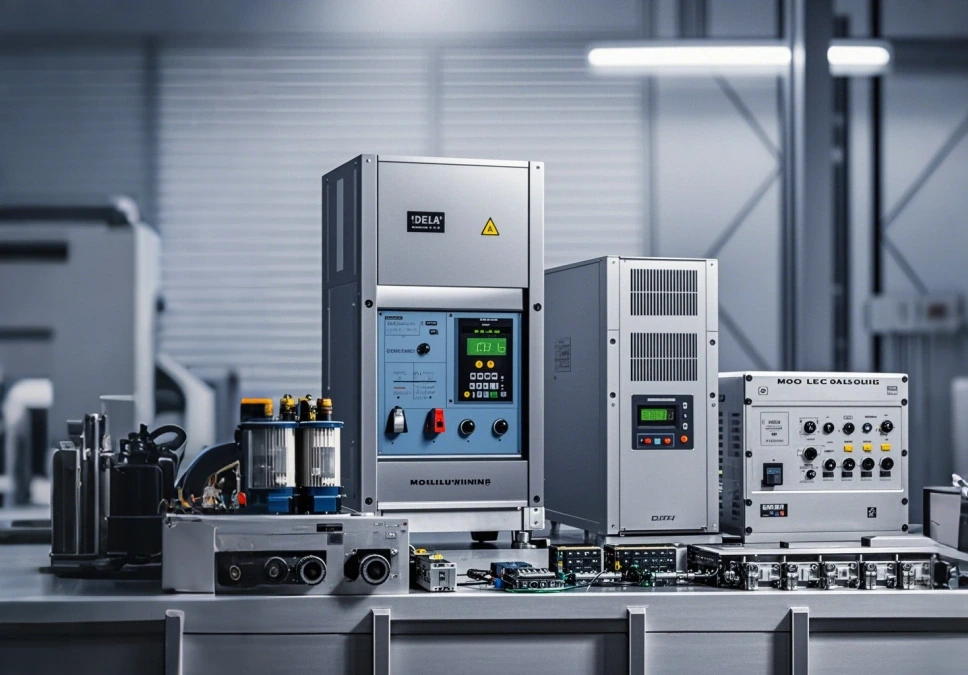
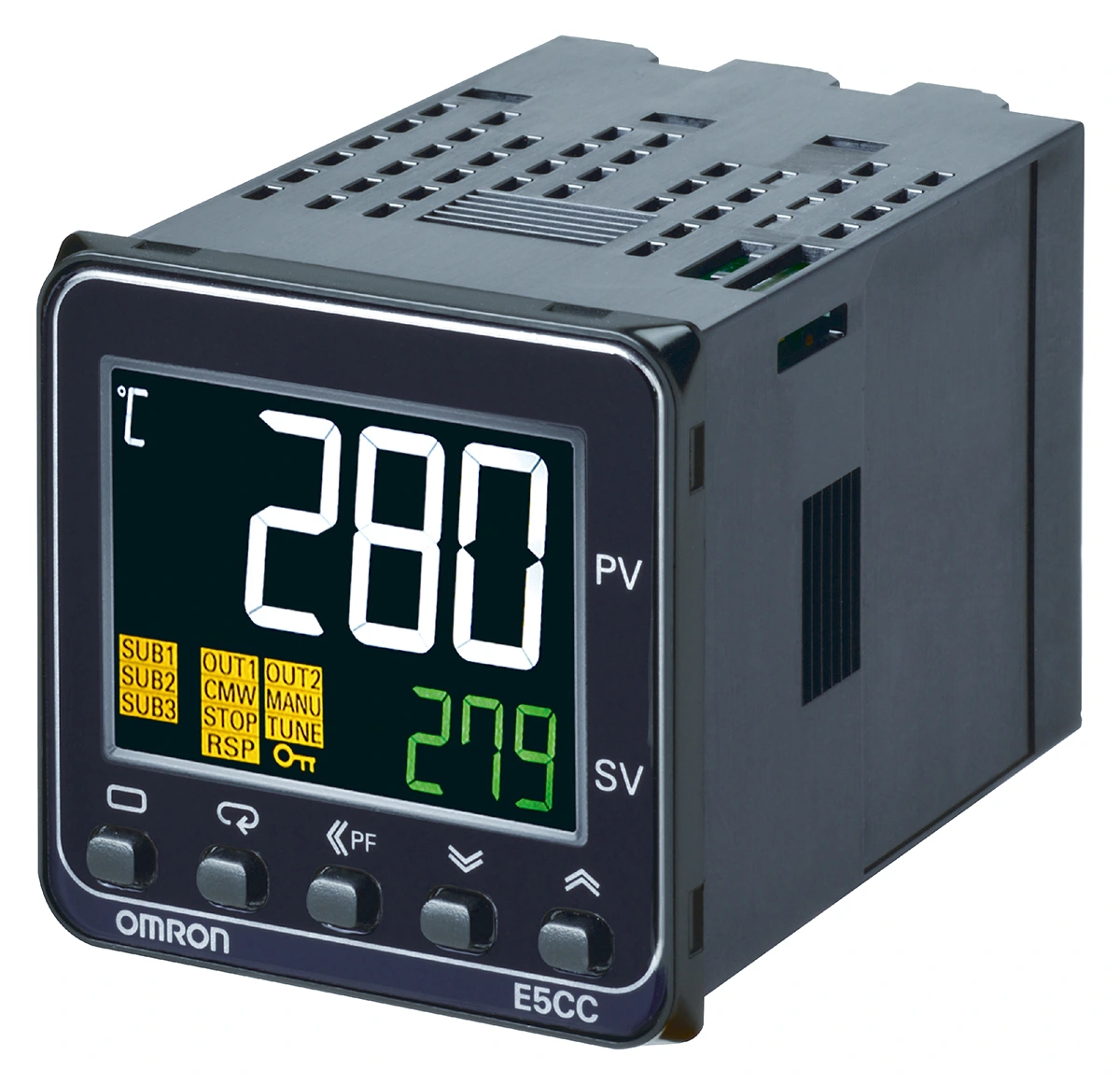
Modern manufacturing depends on thermal precision in complex environments. PID temperature controller accuracy improvement plays a central role in stabilizing heat-dependent processes. Industrial ovens, extrusion lines, and semiconductor tools require stable thermal feedback loops. Engineers focus on minimizing deviation between target and actual temperature values. Small fluctuations can affect product consistency and structural integrity. A PID system continuously adjusts heating output based on error signals. This continuous correction reduces oscillation and improves repeatability. Process reliability increases when thermal inertia is properly managed. Temperature drift becomes less significant under tightly regulated feedback control. In high-volume production lines, stability directly impacts yield and cost efficiency.
Thermal stability foundations in closed-loop heating systems
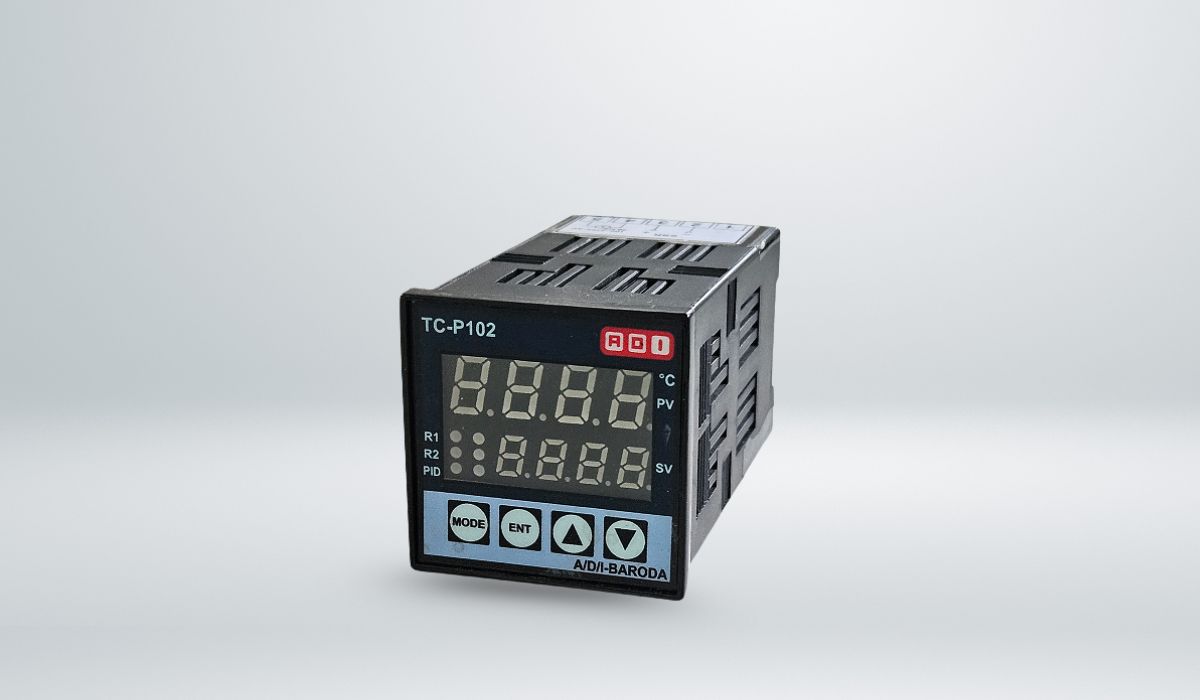
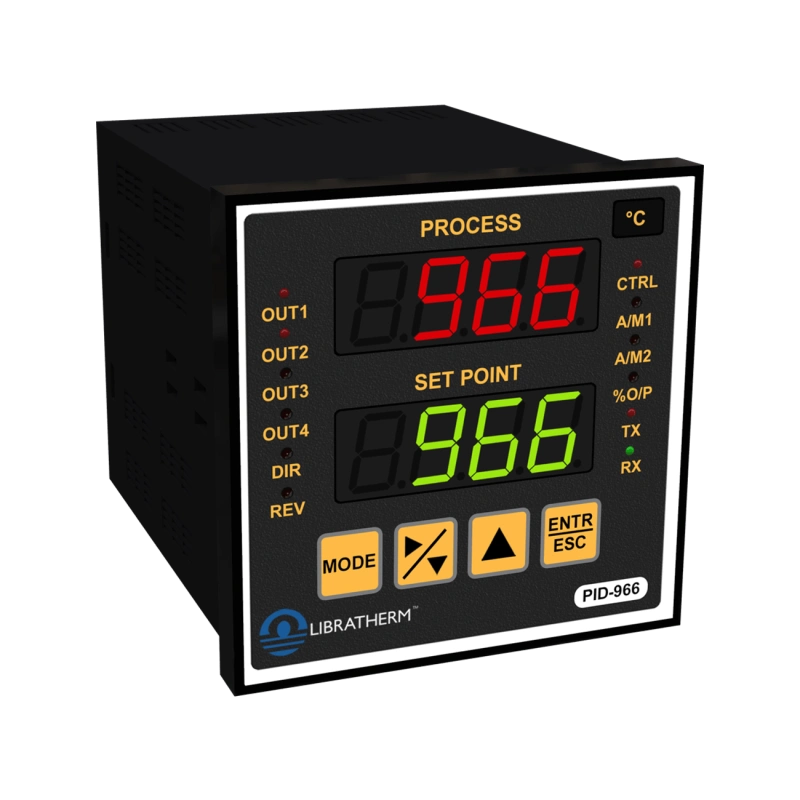
Thermal systems require controlled energy input to maintain equilibrium. PID temperature controller accuracy improvement depends on how effectively the system handles disturbances. Heat loss, ambient variation, and load changes all influence stability. Engineers design control loops to react quickly without overshooting target values. Stable thermal behavior reduces material stress during processing. Consistent energy delivery prevents localized overheating. This ensures uniform product quality across batches. Feedback loops measure deviation and adjust output continuously. Response timing plays a critical role in maintaining equilibrium. Industrial systems often operate under long duty cycles, increasing demand for reliability.
Control loop structure in feedback-based temperature regulation
A control loop defines how systems respond to environmental changes. PID temperature controller accuracy improvement is achieved through continuous correction mechanisms. Sensors capture real-time temperature data from the system. Controllers compare this data with the setpoint value. Error signals guide adjustments in heating or cooling output. Fast response reduces deviation duration. Closed-loop architecture ensures ongoing feedback integration. Stability improves when oscillations are minimized through balanced response. System design prioritizes both responsiveness and damping behavior. Proper loop configuration enhances long-term operational consistency.
Proportional behavior impact in thermal response systems
Proportional control responds directly to current error magnitude. Strong proportional gain reduces deviation quickly. However, excessive gain may introduce oscillations. Engineers balance responsiveness with stability requirements. Control system performance depends on careful proportional calibration. Industrial systems often require moderate gain values for stable output. Rapid response is useful in dynamic thermal environments. Heat systems with large inertia need controlled proportional adjustments. System efficiency improves when overshoot is minimized. Accurate proportional tuning supports smoother thermal transitions.
Integral correction role in long-term thermal regulation
Integral control addresses accumulated error over time. It eliminates steady-state deviation in thermal systems. Continuous error accumulation triggers corrective output adjustments. Control system performance benefits significantly from this mechanism. Long-running processes require consistent temperature alignment. Integral action ensures long-term accuracy stability. Excessive integration may cause slow oscillation buildup. Engineers adjust integral time constants carefully. Balanced integration improves system reliability across extended cycles. Industrial furnaces rely heavily on this correction method.
Derivative prediction and dynamic response enhancement
Derivative control predicts future error trends. It reduces overshoot by reacting to rate changes. Rapid temperature shifts require predictive damping. Control system performance increases when derivative response is optimized. This mechanism smooths abrupt transitions in thermal output. Noise sensitivity can affect derivative performance. Engineers apply filtering techniques to stabilize signals. Proper tuning reduces instability in high-speed processes. Dynamic systems benefit from early correction signals. Predictive behavior enhances overall control precision.
Parameter tuning strategies in control systems
System tuning defines overall controller performance. Engineers adjust proportional, integral, and derivative values carefully. Control system performance depends heavily on tuning quality. Aggressive tuning improves speed but risks instability. Conservative tuning enhances stability but reduces responsiveness. Industrial requirements determine tuning balance. Trial-and-error and model-based methods are widely used. Auto-tuning systems simplify calibration processes. Stable operation requires iterative refinement. Proper tuning reduces long-term maintenance costs.
Comparison of control strategies in thermal regulation systems
| Control Type | Accuracy | Stability | Overshoot Risk | Industrial Use |
|---|---|---|---|---|
| On-Off Control | Low | Moderate | High | Basic heating systems |
| PID Control | High | High | Medium | Industrial automation |
| Advanced Adaptive Control | Very High | Very High | Low | Semiconductor processes |
Thermal control strategies differ in precision and complexity. On-off systems switch heating elements fully on or off. This creates oscillation around the setpoint. PID systems introduce proportional adjustment for smoother regulation. Adaptive systems further refine response using real-time modeling. PID temperature controller accuracy improvement is clearly visible when comparing stability metrics. Industrial environments often prefer PID due to balance of simplicity and precision. Advanced systems are used where extreme accuracy is required. Selection depends on cost, stability, and process sensitivity.
Hardware factors influencing PID temperature controller accuracy improvement
Sensor quality significantly impacts measurement reliability. Thermocouples and RTDs are commonly used in industrial systems. RTDs provide higher precision due to stable resistance behavior. Thermocouples offer faster response in extreme temperatures. Signal noise can distort readings and affect control output. Filtering techniques improve data reliability. Heating element inertia introduces response delay. Mechanical design affects heat distribution uniformity. PID temperature controller accuracy improvement depends on system integration quality. Proper calibration ensures consistent long-term performance.
System optimization methods for advanced control systems
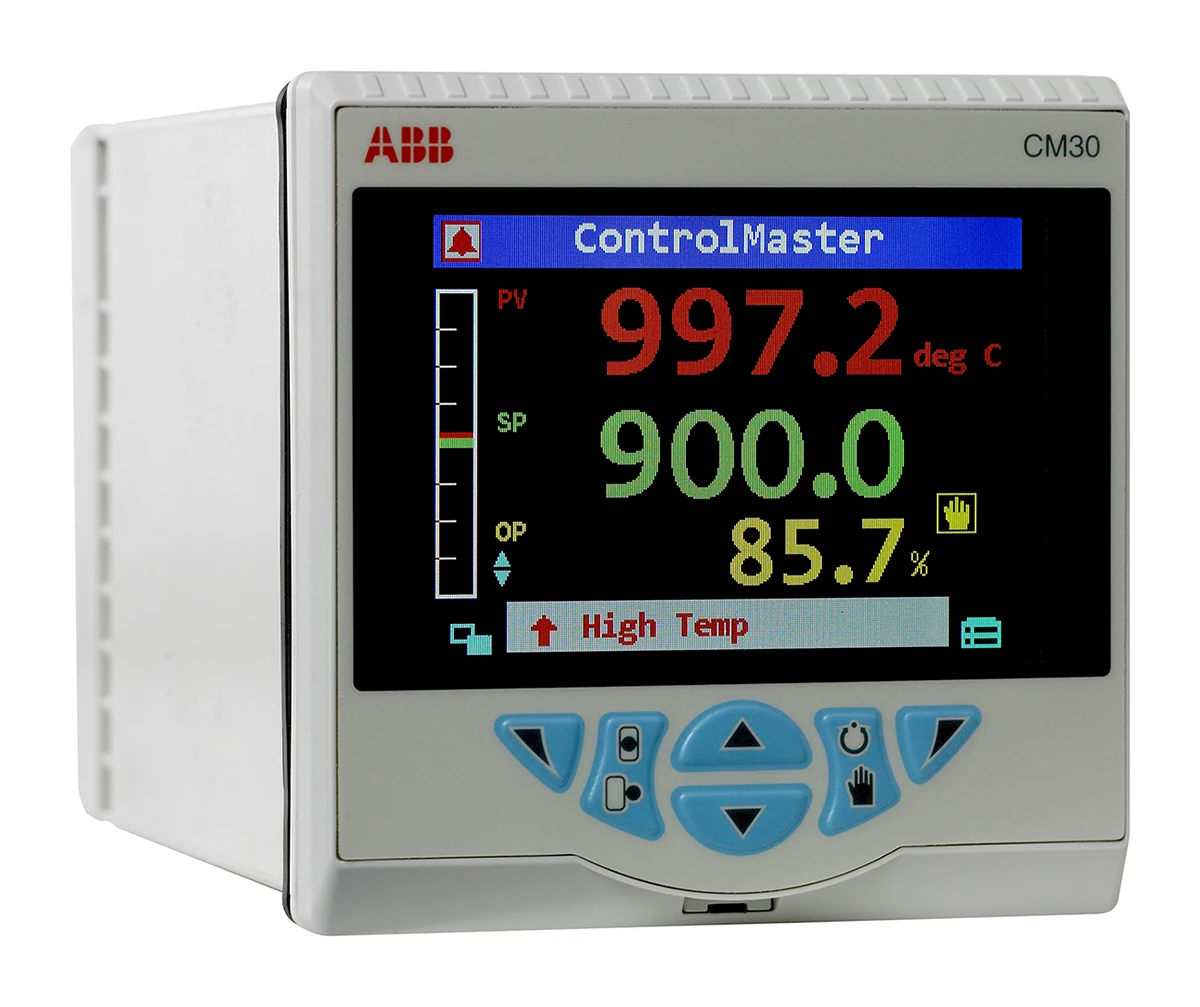
Optimization improves both stability and responsiveness. Engineers use auto-tuning algorithms for faster configuration. Adaptive systems adjust parameters during operation. Machine learning models are emerging in advanced control environments. Predictive modeling enhances system efficiency. Regular calibration maintains accuracy over time. PID temperature controller accuracy improvement benefits from continuous optimization cycles. Maintenance schedules reduce drift and sensor degradation. Industrial environments require robust long-term tuning strategies. Data logging supports performance evaluation and refinement.
Key application benefits in industrial thermal control systems
Precise temperature regulation improves product consistency. Energy efficiency increases with reduced overshoot. Maintenance requirements decrease due to stable operation. PID temperature controller accuracy improvement supports high-quality manufacturing output. Semiconductor fabrication relies on strict thermal control. Plastic molding requires uniform heat distribution. Chemical processing depends on stable reaction temperatures. Aerospace materials demand precise thermal treatment. System reliability enhances operational productivity. Overall performance improves across multiple industries.
Industrial advantages and implementation scenarios
Improved thermal consistency in production lines
Reduced energy consumption during heating cycles
Enhanced product quality and uniformity
Lower equipment wear and maintenance frequency
Better process repeatability across batches
PID temperature controller accuracy improvement appears in all listed advantages. Manufacturing systems benefit from reduced variation and improved stability. Implementation varies depending on process scale and material type. Continuous control ensures minimal deviation from target conditions. Industrial adoption increases as precision requirements grow.
Performance comparison in real environments
Real-world performance depends on load conditions and system design. PID temperature controller accuracy improvement becomes more evident under variable loads. Stable systems maintain accuracy across long operational cycles. External disturbances can still affect performance. Proper insulation reduces environmental impact. Controller responsiveness determines recovery speed. Industrial benchmarking shows significant improvement over basic control systems. Energy efficiency correlates with stability improvements. Process reliability increases under optimized configurations. Long-term operation confirms system robustness.
Maintenance and calibration impact on PID temperature controller accuracy improvement
Regular maintenance ensures consistent system behavior. Sensor drift can reduce measurement accuracy over time. Calibration restores alignment between measured and actual values. PID temperature controller accuracy improvement depends on stable hardware conditions. Dust and wear can affect heating elements. Signal integrity must be checked periodically. Engineers schedule preventive maintenance cycles. Calibration frequency depends on process sensitivity. Well-maintained systems deliver predictable performance. Long-term accuracy requires disciplined operational management.
FAQ
Why does a PID temperature controller improve accuracy in thermal systems?
A PID temperature controller improves accuracy by continuously correcting deviation. It compares real-time temperature with a target setpoint. The system applies proportional, integral, and derivative actions. Each function addresses different types of error behavior. Proportional control reacts to current deviation quickly. Integral action removes long-term steady-state error. Derivative control reduces overshoot by predicting change rates. Combined operation ensures stable and precise thermal regulation. Industrial systems benefit from reduced fluctuations and improved consistency. Manufacturing processes achieve higher quality output through stable temperature control. Reliability increases when feedback loops operate continuously without interruption.