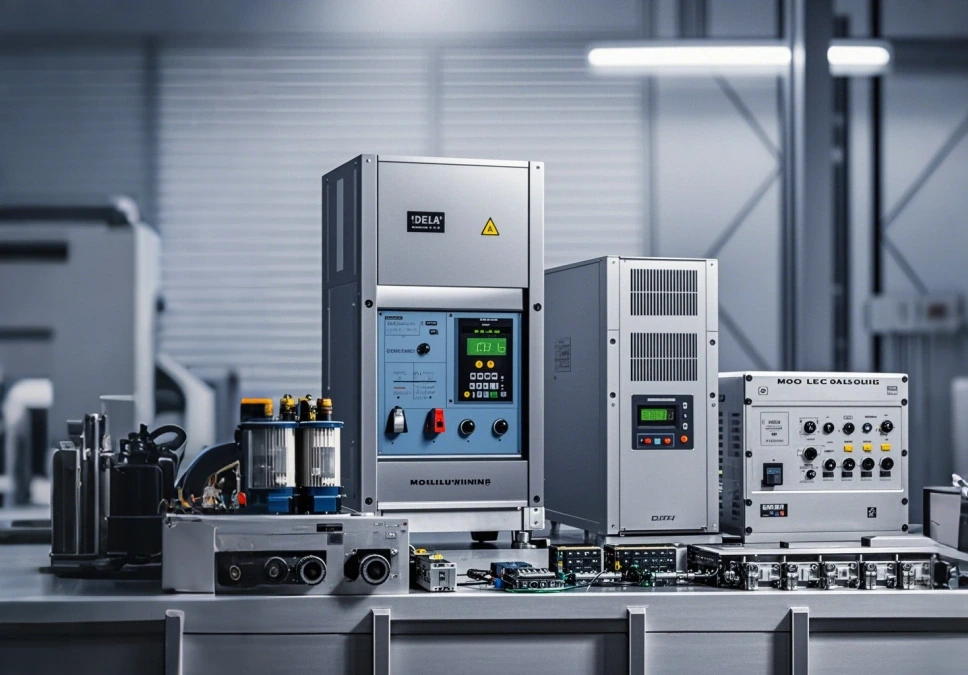
How Does An Electrical Cabinet Dehumidifier Work?
Boost reliability with an electrical cabinet dehumidifier that controls humidity, prevents condensation, and protects key components.
Introduction: Why Moisture Control Matters Inside Electrical Cabinets
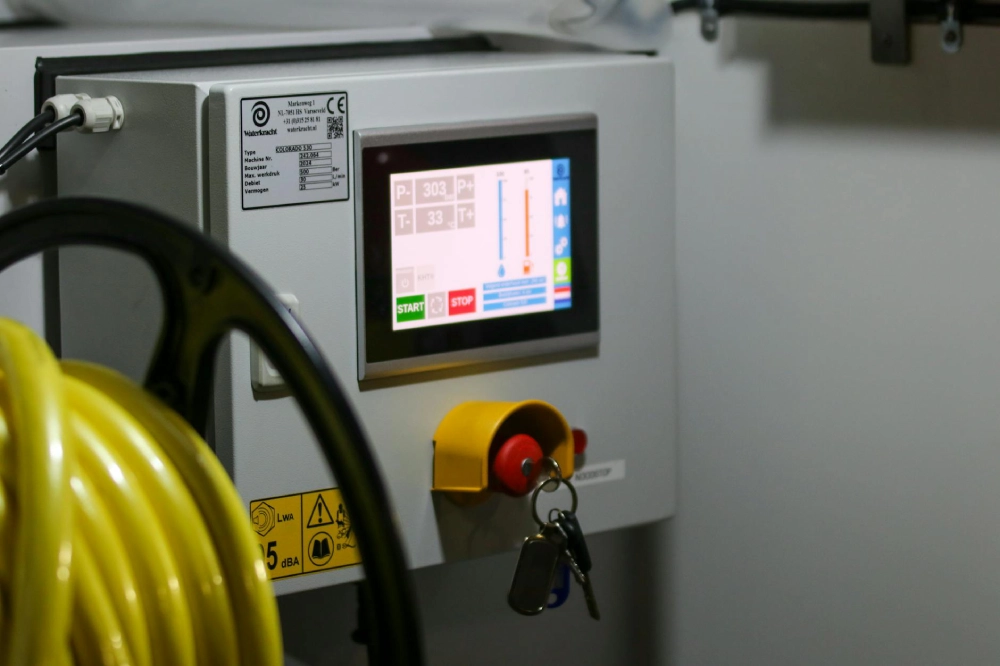
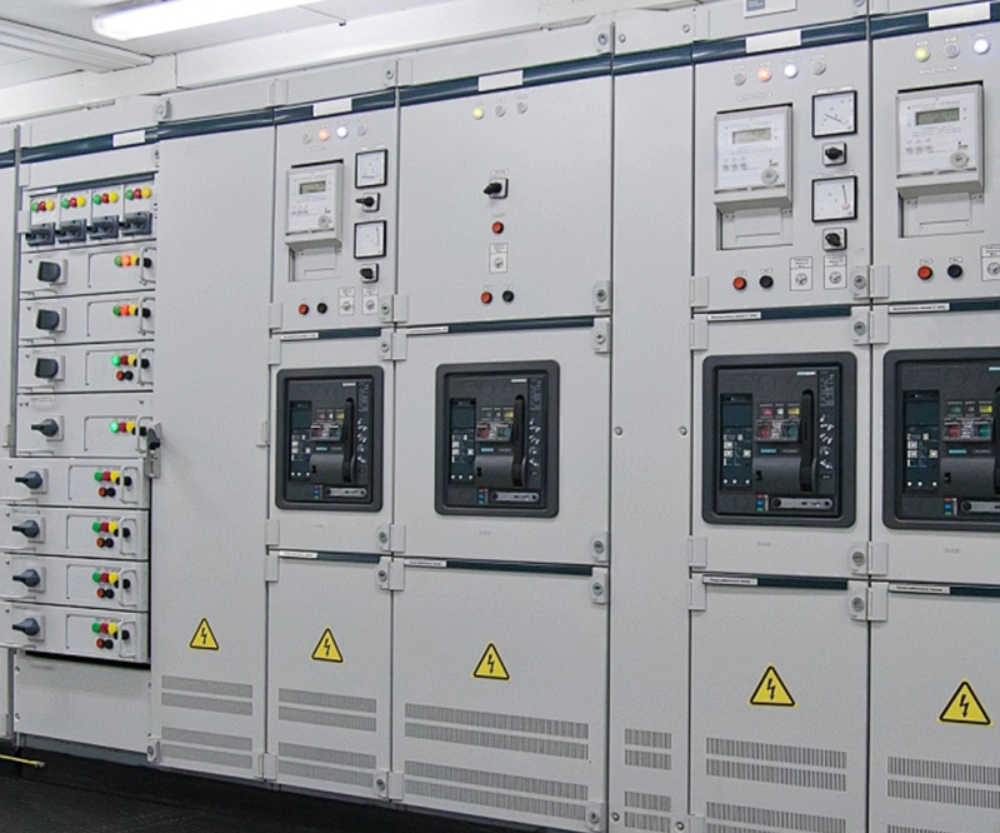
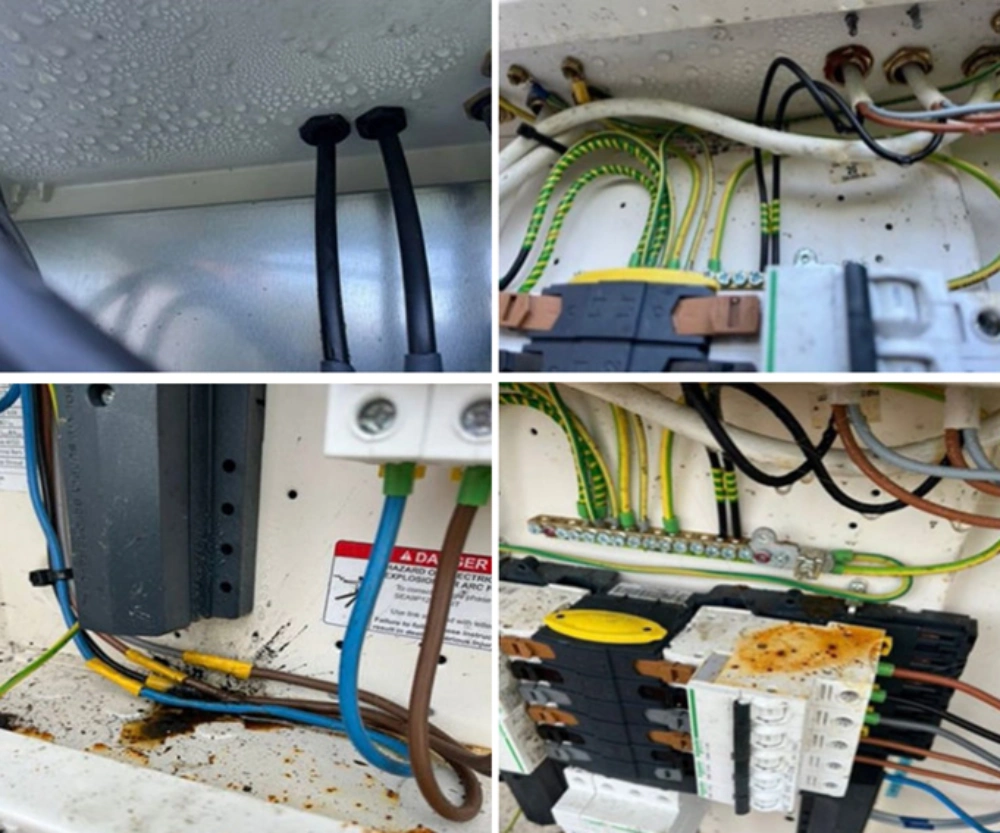
Moisture creates serious risks for industrial electrical systems, especially in sealed cabinets exposed to temperature changes. An electrical cabinet dehumidifier helps reduce humidity levels and protects sensitive components from corrosion, leakage, and performance failures. Electrical cabinets often contain circuit breakers, control modules, sensors, and communication devices. These parts require stable environmental conditions to maintain accuracy and safety. Condensation may form when warm air meets cold metal surfaces. Even small water droplets can damage contacts and shorten equipment life. Proper humidity management supports reliable operation in factories, energy facilities, and outdoor installations. Engineers consider moisture prevention an essential part of electrical protection planning.
What Is An electrical cabinet dehumidifier And Its Main Purpose?
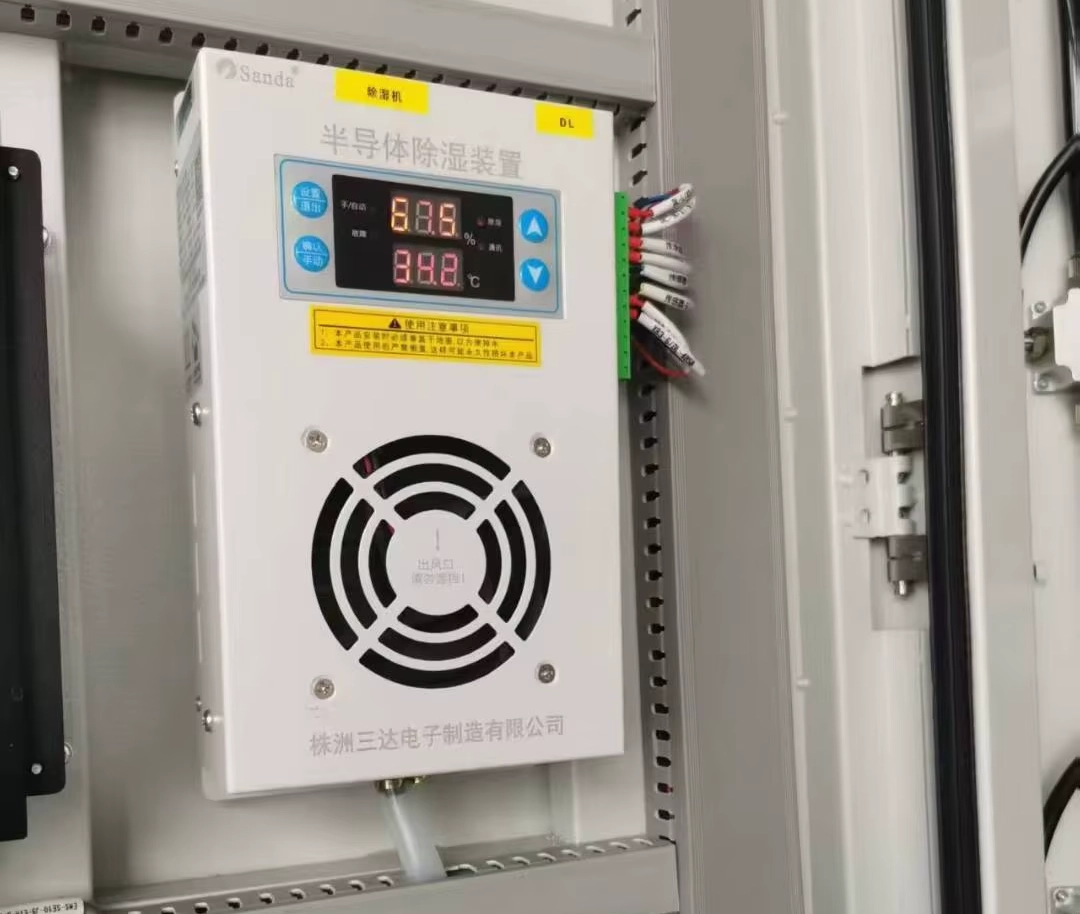
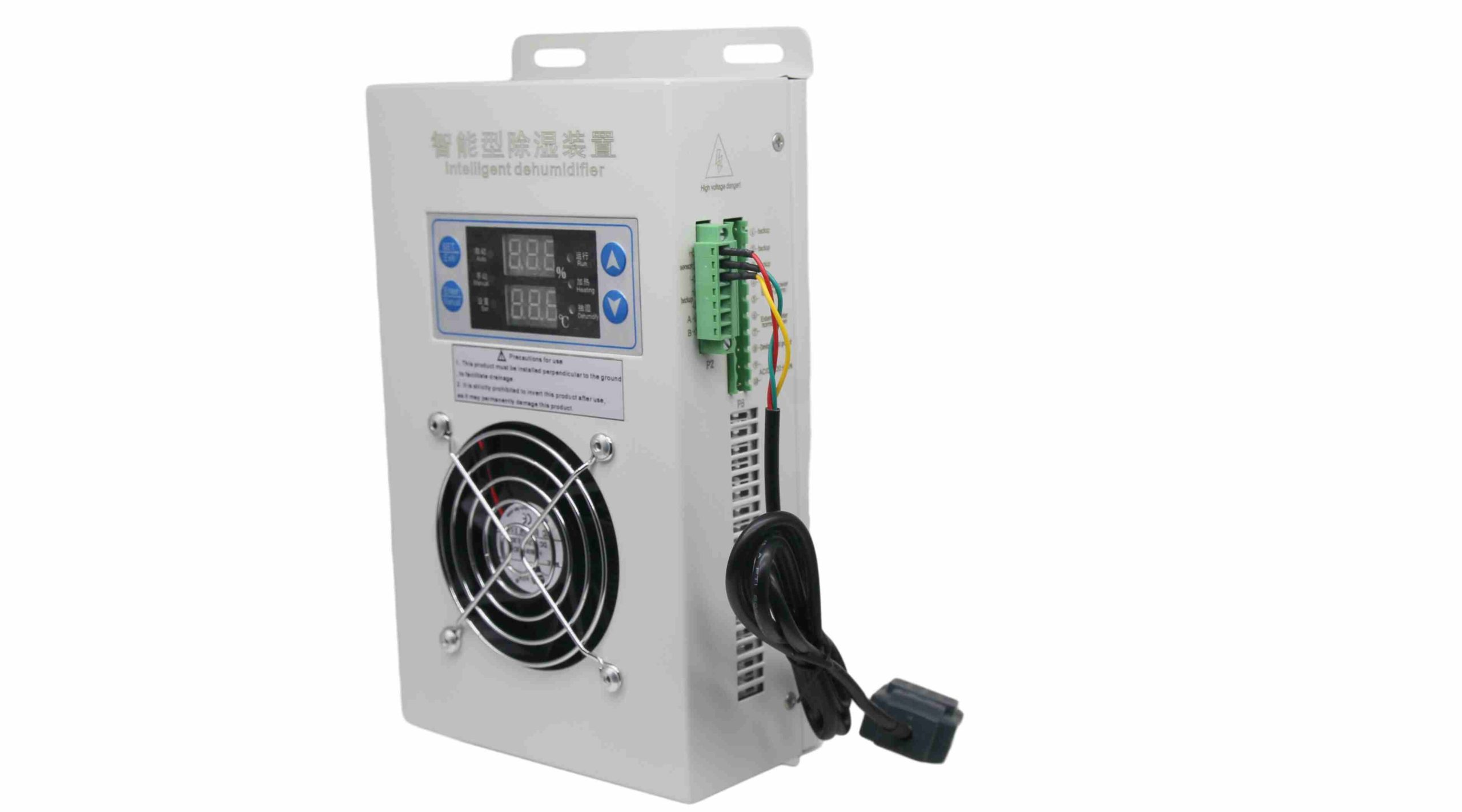
An electrical cabinet dehumidifier controls excess moisture inside enclosed electrical spaces. It works by removing water vapor from cabinet air before condensation develops. The system usually uses heating elements, cooling surfaces, semiconductor technology, or absorbent materials. Each method targets humidity reduction through different physical processes. Industrial designers select suitable models based on cabinet size, operating temperature, and environmental conditions. A well-designed unit maintains internal humidity within safe limits. It also reduces oxidation on metal terminals and prevents insulation degradation. Reliable moisture control improves equipment stability and reduces unexpected maintenance costs. The device acts as a protective layer between harsh surroundings and valuable electrical components.
How Does An electrical cabinet dehumidifier Remove Internal Moisture?
The moisture removal process depends on the internal technology and airflow design. Many units use a controlled heating method that raises internal air temperature slightly. Warmer air holds more moisture and prevents water droplets from forming. Other systems use condensation principles to collect water from humid air. Sensors monitor humidity changes and activate the device when levels increase. A controller then adjusts operation according to preset parameters. The process continues until the cabinet reaches a stable environment. Advanced systems also include drainage paths or collection chambers. These features help maintain long-term performance without affecting electrical components.
Key Components That Make A Dehumidification System Effective
Several components determine the performance of a cabinet moisture control system. The housing protects internal parts from dust, impact, and environmental exposure. Sensors measure temperature and humidity with high accuracy. Control boards manage activation cycles and energy consumption. Heating elements provide thermal support during cold conditions. Cooling modules create condensation surfaces in certain designs.
Important components include:
- Humidity sensors for real-time environmental monitoring.
- Heating elements for preventing condensation during temperature drops.
- Control circuits for automatic operation management.
- Drainage structures for removing collected water.
- Protective housings for industrial durability.
These parts work together to create stable cabinet conditions. Engineers evaluate each component carefully because failure in one area may reduce overall protection. Product selection should match the application environment, electrical load, and maintenance requirements.
Different Moisture Removal Technologies Used In Electrical Cabinets
Different technologies provide solutions for various industrial environments. Some systems rely on semiconductor cooling plates that create condensation points. Others use heating methods that prevent dew formation. Desiccant solutions absorb moisture through specialized materials. Each approach offers unique advantages depending on operating conditions. The following table compares common methods.
| Technology | Main Function | Suitable Environment |
|---|---|---|
| Heating Method | Raises temperature to reduce condensation risk | Cold areas with temperature changes |
| Semiconductor Cooling | Condenses and removes water vapor | High humidity applications |
| Desiccant System | Absorbs moisture through materials | Low power environments |
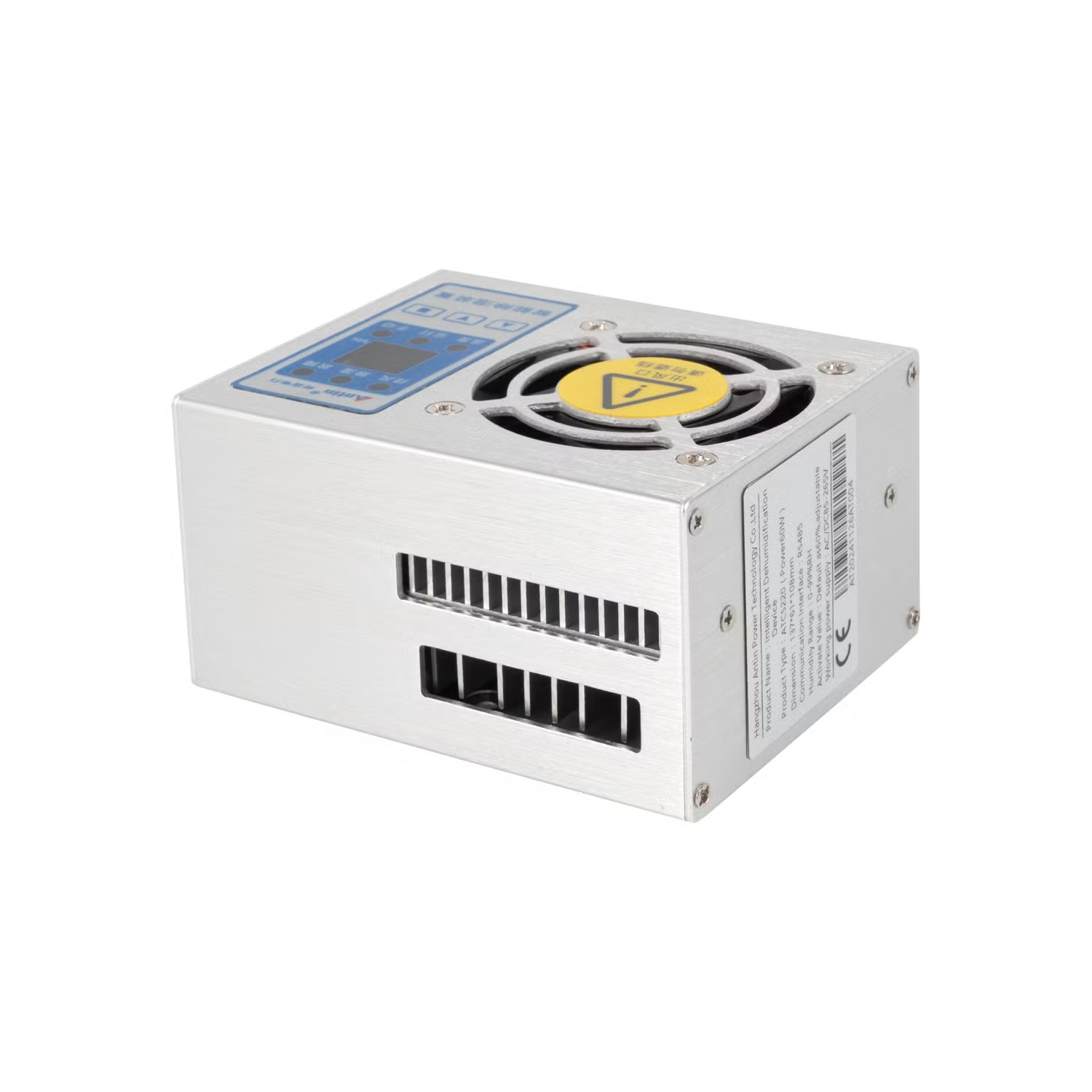
Technology choice depends on cabinet design and operating demands. A factory cabinet may require continuous humidity control, while a smaller outdoor enclosure may need compact protection. Engineers also review energy usage, installation space, and expected service life. A CSL 7100S Electrical Cabinet Dehumidifier represents a solution designed for applications requiring stable moisture control and dependable operation.
Factors That Influence Moisture Control Performance
Environmental conditions strongly affect humidity management results. Temperature variation remains one of the biggest challenges because rapid changes create condensation opportunities. Cabinet sealing quality also influences internal air exchange. Poor sealing allows humid air to enter repeatedly. Installation location creates additional pressure on equipment selection. Coastal regions often contain salty moisture that accelerates corrosion. Dusty industrial sites require stronger protection against contamination. The following table shows common factors and their effects.
| Factor | Impact | Control Method |
|---|---|---|
| Temperature Changes | Increase condensation possibility | Use automatic humidity control |
| Air Leakage | Introduces external moisture | Improve cabinet sealing |
| Industrial Pollution | Accelerates component damage | Add protective filtration |
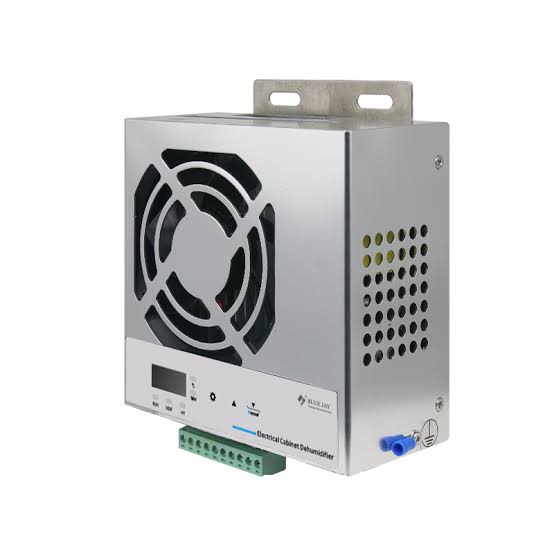
Performance improves when designers evaluate real operating conditions before installation. An Aluminum Alloy Housing Electrical Cabinet Dehumidifier can provide strong mechanical protection in demanding environments. Aluminum alloy materials offer corrosion resistance, lightweight structure, and effective heat transfer properties. These characteristics support stable operation where cabinets face frequent environmental changes.
Installation Considerations For Better Moisture Protection
Correct installation improves the efficiency of humidity control equipment. Technicians should place the unit where airflow can circulate freely inside the cabinet. Blocked airflow reduces moisture removal effectiveness. The power supply should match manufacturer specifications to avoid electrical stress. Mounting methods also influence vibration resistance and long-term reliability. Regular inspection points should remain accessible for maintenance teams. Operators should check drainage channels and sensor accuracy during service periods. Proper installation reduces operating problems and extends equipment lifespan. Professional planning ensures the system works effectively under real industrial conditions instead of only during ideal laboratory tests.
Maintenance Practices To Extend Equipment Reliability
Routine maintenance keeps moisture control systems working efficiently. Technicians should inspect sensors because inaccurate readings may cause unnecessary operation cycles. Cleaning internal surfaces prevents dust accumulation around important components. Drainage systems require regular checks to avoid water buildup. Electrical connections should receive inspection for signs of corrosion or looseness. Maintenance schedules should follow environmental conditions and operating intensity. High humidity areas often require more frequent checks than controlled indoor spaces. Detailed records help teams identify performance changes over time. Consistent maintenance protects electrical equipment and reduces unexpected downtime caused by moisture-related failures.
Comparison Of Common Dehumidification Methods For Electrical Cabinets
Different applications require different protection strategies. Engineers compare systems according to energy consumption, response speed, and environmental suitability. Heating solutions provide simple operation and strong reliability. Cooling systems offer effective moisture extraction in humid conditions. Desiccant methods work well where electrical power availability remains limited. Selection depends on cabinet size, climate, and operational goals. The comparison below helps identify suitable options.
| Method | Energy Demand | Maintenance Level |
|---|---|---|
| Heating Control | Low to Medium | Low |
| Cooling Condensation | Medium | Medium |
| Desiccant Absorption | Low | Higher Material Replacement |
Selecting the correct method requires careful analysis of operational requirements. Engineers consider humidity range, cabinet volume, and equipment sensitivity. The right approach creates a balanced solution between protection performance and operating cost. Reliable moisture management supports continuous electrical system availability across many industries.
How Proper Humidity Management Improves Electrical Cabinet Safety
Stable humidity levels protect electrical systems from multiple risks. Excess moisture encourages corrosion on connectors, terminals, and metal surfaces. It can also reduce insulation strength and increase failure possibilities. Controlled environments help maintain accurate sensor readings and reliable signal transmission. Industrial automation systems depend on consistent electrical performance. A cabinet moisture control solution provides additional protection during seasonal changes and unexpected weather events. Companies benefit from fewer repairs and longer equipment service periods. Effective humidity control also supports safety standards by reducing conditions that may contribute to electrical faults. Engineers view moisture prevention as a practical investment in system reliability.