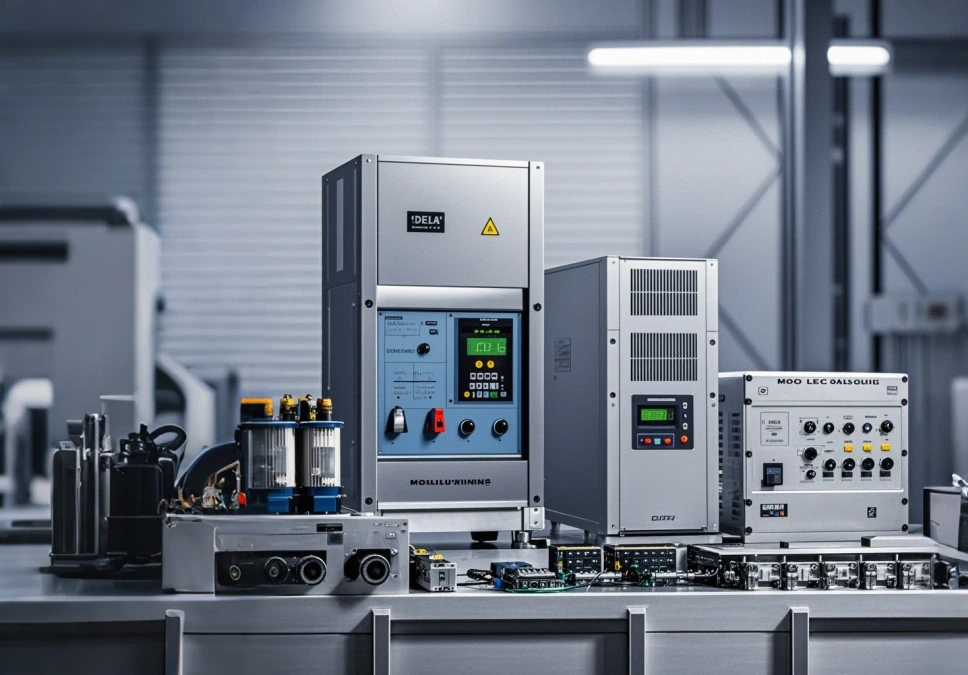
Why Is A Dehumidifier For Cabinet Needed In Switchgear?
Switchgear dehumidifier for cabinet helps prevent condensation, corrosion, insulation damage, and moisture-related electrical failures.
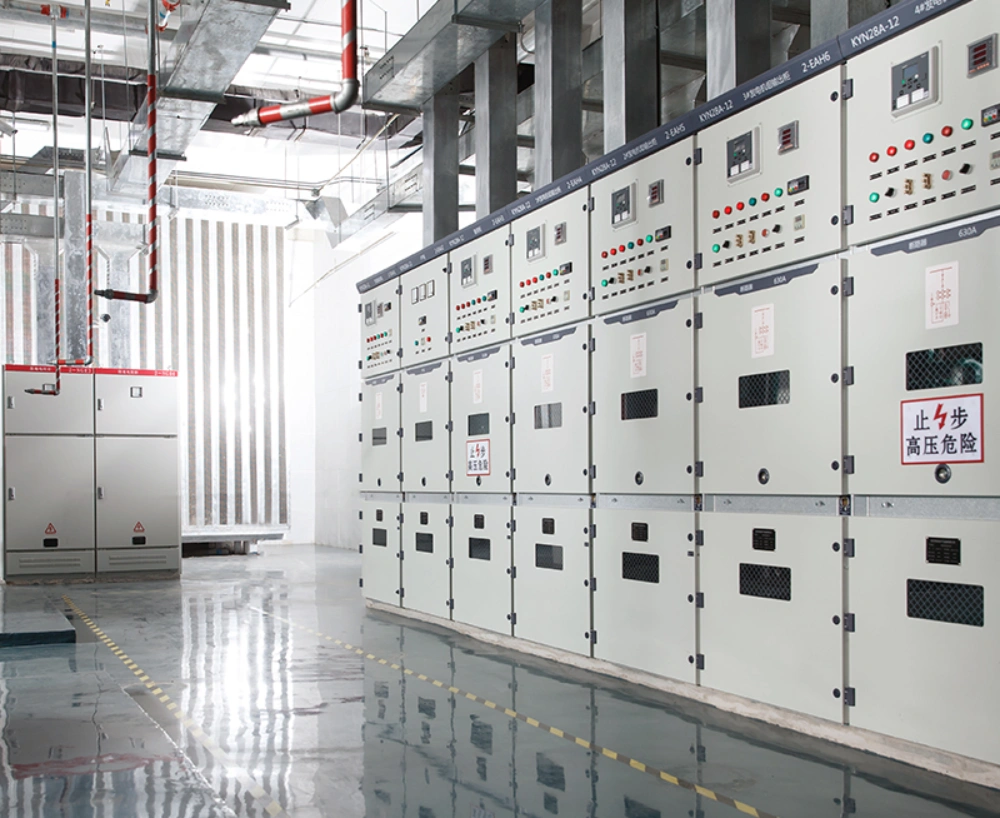
Switchgear cabinets protect electrical components from moisture, dust, temperature changes, and other environmental stresses. However, sealed or semi-sealed enclosures can still develop internal condensation. The risk becomes higher when cabinet temperature changes faster than surrounding air conditions. Moisture can then collect around terminals, insulation supports, control boards, and metal surfaces. A dehumidifier for cabinet helps control this moisture before condensation creates electrical problems. Industrial facilities may face additional risks in outdoor substations, humid workshops, coastal locations, and poorly ventilated electrical rooms. For B2B buyers, moisture control should therefore form part of the cabinet protection strategy. Product selection should consider cabinet size, ambient humidity, temperature variation, installation position, control accuracy, and continuous operating requirements. A suitable solution can reduce corrosion risks while supporting stable electrical insulation and longer component service life.
Why Moisture Becomes a Switchgear Risk
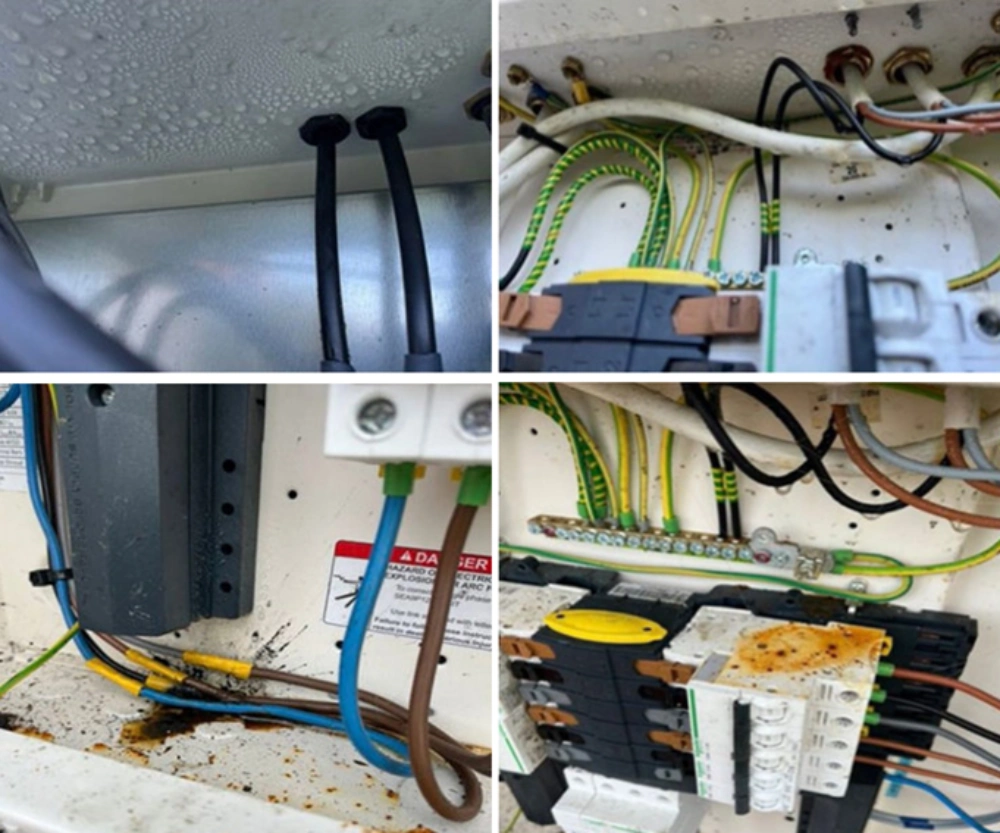
Moisture enters switchgear cabinets through several practical pathways. Cable glands may allow humid air to enter when sealing performance declines. Door openings can also introduce warm air carrying substantial water vapor. Temperature differences create another important mechanism. A cabinet may become warm during daytime operation and cool rapidly after shutdown. When the internal air reaches its dew point, vapor can condense on colder surfaces. Metal mounting plates and enclosure walls often become condensation points because they transfer heat quickly. High humidity also accelerates oxidation on copper, steel, and plated contacts. Electrical insulation can suffer when moisture remains on surfaces for extended periods. Industrial maintenance teams often notice warning signs through rust, tracking marks, unstable signals, or declining insulation resistance. These symptoms can appear before a major switchgear failure occurs.
Why Is A Dehumidifier For Cabinet Needed In Switchgear?
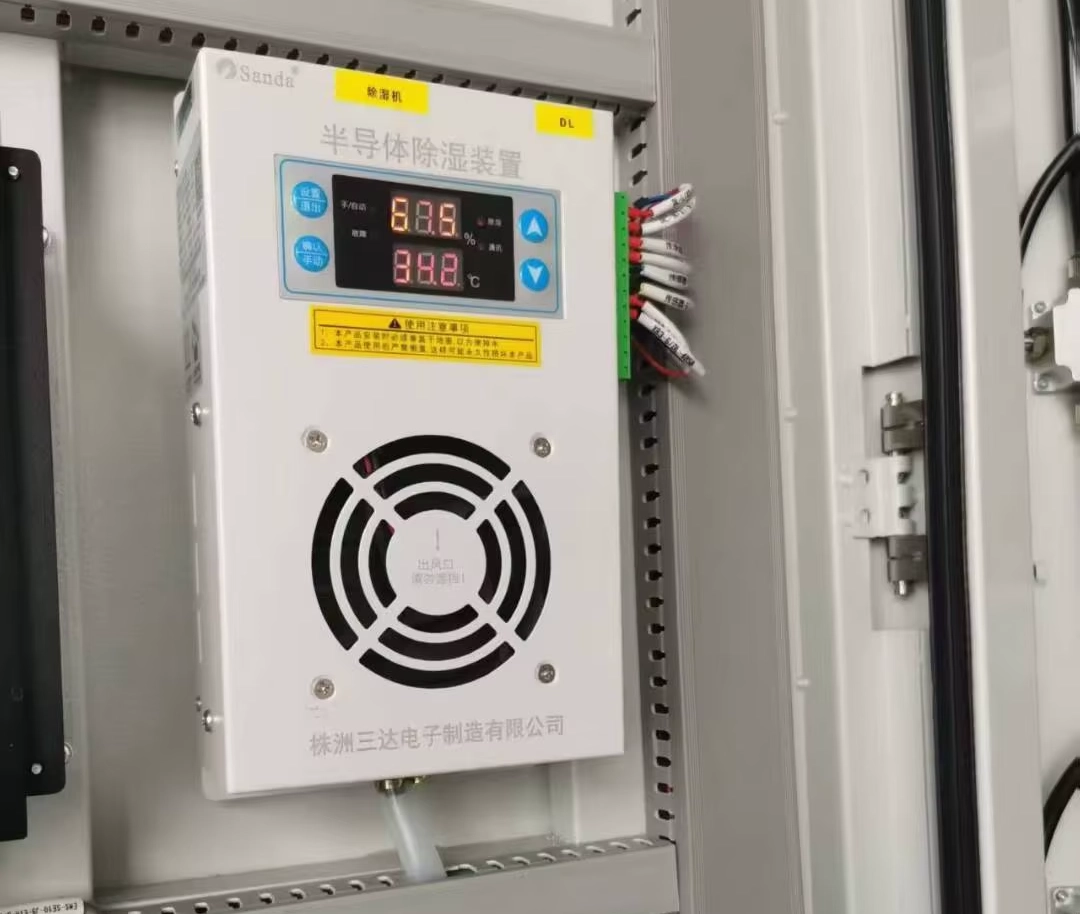
A dedicated cabinet dehumidification system addresses moisture where the electrical risk actually develops. Instead of relying only on room ventilation, it controls conditions inside the enclosure. This approach matters because cabinet interiors can experience different temperatures from the surrounding room. Heating elements may warm selected areas, while external metal panels remain comparatively cold. Such differences can create localized condensation even when room humidity seems acceptable. A properly selected unit can maintain a safer internal environment during temperature fluctuations. Buyers should also consider how the device interacts with temperature controllers and humidity sensors. Excessive heating may increase energy consumption without solving the underlying moisture problem. Effective moisture management combines suitable equipment, correct installation, reliable sensing, and appropriate operating settings. This integrated approach provides better protection than using cabinet sealing alone.
How Condensation Forms Inside Electrical Cabinets
Condensation depends strongly on dew point rather than relative humidity alone. Relative humidity indicates how much moisture the air contains compared with its maximum capacity at a given temperature. Dew point indicates the temperature where that moisture begins changing into liquid water. For example, humid air inside a cabinet may remain invisible during normal operation. After equipment shuts down, internal surfaces can cool below the air's dew point. Water droplets may then appear around steel panels, terminals, and insulation supports. Outdoor switchgear faces particularly difficult conditions during sunrise, sunset, rain, and seasonal temperature changes. One utility maintenance case involved repeated moisture marks inside an outdoor control cabinet after cool nights. Technicians traced the issue to rapid temperature changes rather than direct water leakage. Adding a dehumidifier for cabinet alongside controlled cabinet heating reduced recurring condensation during subsequent operating cycles.
Which Switchgear Components Are Most Vulnerable?
Different switchgear components respond differently to humidity exposure. Copper busbars can develop surface oxidation that increases contact resistance when contamination becomes severe. Terminal blocks may experience corrosion around screw connections, especially where moisture combines with airborne pollutants. Relays and contactors contain moving and conductive parts that can suffer from contamination and unreliable switching. Printed circuit boards face greater sensitivity because moisture can create leakage paths between closely spaced conductors. Insulation supports may also accumulate surface contamination that lowers effective insulation performance. Mechanical operating mechanisms can develop corrosion around springs, shafts, and fasteners. Small control components deserve particular attention because they may fail without obvious external damage. B2B buyers should therefore evaluate cabinet moisture protection as a system requirement. Focusing only on the main breaker or busbar can overlook smaller components that trigger operational interruptions.
| Moisture Source | Typical Trigger | Potential Risk | Control Priority |
|---|---|---|---|
| Humid air entry | Door or cable openings | Internal humidity increase | High |
| Temperature variation | Day and night cooling | Condensation | Very High |
| Cold enclosure surfaces | Outdoor exposure | Surface moisture | High |
| Water vapor accumulation | Poor moisture control | Corrosion and insulation stress | High |
What Happens When Moisture Remains Uncontrolled?
Uncontrolled moisture can create several connected reliability problems inside switchgear. Surface corrosion may gradually alter the electrical and mechanical characteristics of conductive parts. Contamination can also combine with moisture and create conductive paths across insulating surfaces. Under higher electrical stress, these paths may contribute to tracking or localized discharge. Mechanical components can become harder to operate when corrosion affects moving interfaces. Control circuits may show intermittent behavior when connectors and circuit boards experience repeated humidity cycles. A maintenance team may initially replace one damaged component without addressing the environmental cause. Such repairs can become repetitive when condensation continues. One industrial plant reduced repeated cabinet alarms after technicians identified moisture accumulation around low-voltage control terminals. The corrective action combined enclosure sealing improvements with active humidity management. This example shows why moisture control should accompany component replacement rather than follow repeated failures.
How Should Buyers Select a Dehumidifier For Cabinet?
Selection should begin with the cabinet's environmental conditions rather than product dimensions alone. Buyers should record ambient temperature, relative humidity, temperature swings, cabinet volume, and installation limitations. Electrical specifications also require careful review. Rated voltage must match the available control power, while power consumption should suit the cabinet's operating conditions. Thermal output matters when the equipment uses controlled heating to prevent condensation. Sensor compatibility can determine whether the device responds automatically to changing humidity or temperature. Installation position also affects airflow and temperature distribution. A compact cabinet may require a smaller unit with precise control, while large outdoor enclosures may need multiple devices or stronger capacity. B2B purchasers should request technical drawings, operating ranges, wiring information, and sample testing before approving bulk production. These checks reduce the chance of selecting equipment based only on nominal specifications.
| Selection Factor | What Buyers Should Check | Why It Matters |
|---|---|---|
| Cabinet volume | Internal dimensions and component density | Determines moisture-control requirements |
| Ambient humidity | Normal and peak RH levels | Shows environmental moisture pressure |
| Temperature range | Minimum, maximum, and daily variation | Indicates condensation risk |
| Rated voltage | Available control power | Ensures electrical compatibility |
| Control method | Thermostat, sensor, or controller | Supports automatic operation |
| Installation space | Mounting area and airflow clearance | Prevents installation conflicts |
Which Technical Factors Affect Moisture Control?
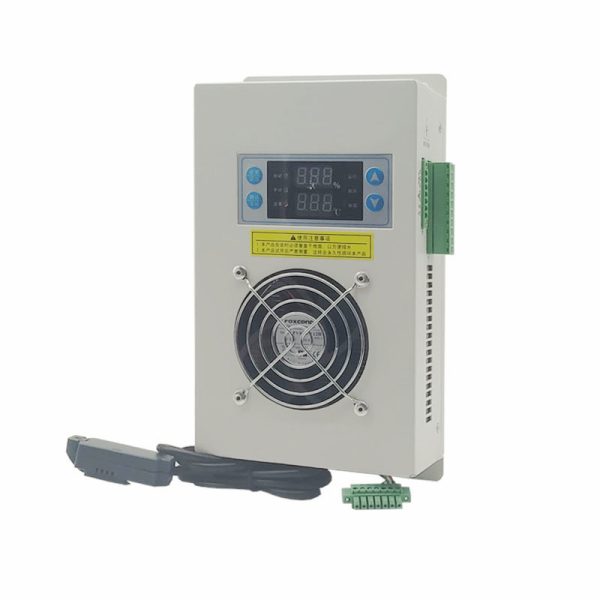
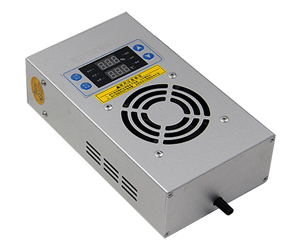
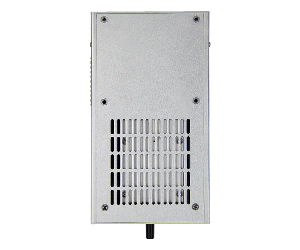
Technology selection should reflect the cabinet environment and the expected operating pattern. Heating-based systems raise internal surface temperature and reduce the chance of reaching the dew point. Compact electrical heaters can therefore work effectively where condensation represents the primary concern. Other dehumidification technologies remove moisture directly but may require different installation conditions and maintenance routines. Buyers should also examine response time because sudden temperature changes can create condensation quickly. Thermal distribution deserves attention as well. A device that produces heat in one area may leave colder surfaces elsewhere if airflow remains poor. Aluminum housings can provide useful mechanical protection while supporting thermal transfer, depending on the design. For example, an Aluminum Alloy Housing Electrical Cabinet Dehumidifier can suit applications requiring a robust enclosure and controlled thermal performance. Final selection should follow actual environmental testing rather than product labels alone.
What Should a Switchgear Moisture Control System Monitor?
Reliable moisture control depends on accurate environmental information. Temperature sensors indicate whether internal conditions approach the condensation threshold. Humidity sensors provide relative humidity data that helps controllers determine when corrective action is necessary. Some systems can use both parameters to improve operating decisions. Sensor placement deserves equal attention. A sensor installed directly beside a heat source may record conditions that differ from the rest of the enclosure. Positioning near a representative cold area can provide more useful information for condensation prevention. Controllers should also provide stable switching behavior because excessive cycling can increase component wear. In practical installations, maintenance teams can record temperature and humidity data during several daily cycles. Those records reveal when condensation risks actually occur. Such evidence helps technicians adjust control thresholds without relying on assumptions about local climate conditions.
Real Switchgear Case: Preventing Condensation During Temperature Swings
A regional electrical equipment project provides a practical example of condensation control. The installation used outdoor switchgear cabinets in an area with humid mornings and substantial overnight cooling. Operators noticed moisture marks around terminal assemblies after several cold nights. Initial inspections found no obvious water penetration through the enclosure roof or cable entries. Technicians then compared internal temperature readings with outdoor conditions. The data showed that cabinet surfaces cooled below the internal air dew point after equipment shutdown. The team improved enclosure sealing and installed controlled moisture-management equipment near the lower cabinet section. A CSL 7100S Electrical Cabinet Dehumidifier was evaluated during the corrective process. Technicians monitored cabinet temperature and humidity across repeated operating cycles. Subsequent inspections showed less visible condensation and fewer moisture-related maintenance concerns. The case demonstrates why environmental measurements should support equipment selection and corrective maintenance.
What Should Manufacturers Prove Before Bulk Orders?
B2B buyers should request evidence that a supplier can maintain consistent production quality. Product samples should match approved drawings in dimensions, terminals, housing materials, mounting points, and electrical ratings. Factory testing should verify continuous operation under relevant temperature and humidity conditions. Suppliers should also explain how they control heating elements, sensors, wiring, insulation, and protective housings during production. Batch consistency becomes especially important for switchgear projects involving hundreds of cabinets. A single prototype may perform well while later batches introduce dimensional or electrical deviations. Buyers can reduce this risk through pre-production samples, inspection standards, and documented approval procedures. A manufacturer with OEM capability should also support customized voltage, mounting configurations, labels, connectors, and packaging when required. Production traceability provides additional confidence during future quality investigations. These requirements help purchasing teams evaluate manufacturing capability instead of relying on catalog descriptions alone.
What Installation Practices Improve Cabinet Moisture Protection?
Installation quality can determine whether a technically suitable unit performs effectively. The device should have sufficient clearance for heat distribution and should not interfere with electrical components or wiring. Nearby components should also remain within their specified operating temperature range. Cable entries require proper sealing because uncontrolled humid-air exchange can undermine moisture management. Cabinet doors should maintain effective gasket compression without creating excessive leakage points. Technicians should inspect condensation-prone surfaces rather than placing equipment only where installation appears convenient. Temperature and humidity sensors should represent the cabinet's actual environmental conditions. Maintenance teams can also inspect terminals, fasteners, insulation surfaces, and enclosure walls during scheduled service. Data logging provides stronger evidence than visual inspection alone because condensation may occur briefly between maintenance visits. Proper installation therefore combines mechanical sealing, suitable positioning, sensor accuracy, and regular verification. These measures create a more stable environment for sensitive switchgear components.
How Does Moisture Control Improve Long-Term Reliability?
Moisture management supports reliability by reducing several degradation mechanisms simultaneously. Lower condensation risk helps protect insulation surfaces from persistent water films and contamination. Reduced humidity exposure can also slow corrosion around terminals, fasteners, and conductive interfaces. Stable environmental conditions may decrease intermittent control faults caused by contaminated connectors or circuit boards. Maintenance teams can then focus on scheduled inspections instead of repeated moisture-related repairs. The financial benefit extends beyond replacement components. Unplanned switchgear downtime can interrupt production, create emergency labor costs, and delay service operations. Industrial buyers should therefore compare dehumidifier for cabinet solutions against the potential cost of recurring failures. Reliability calculations should consider equipment value, maintenance frequency, operating environment, and expected service life. A properly selected solution does not eliminate all electrical risks. It provides one important layer of environmental protection within a broader switchgear reliability strategy.