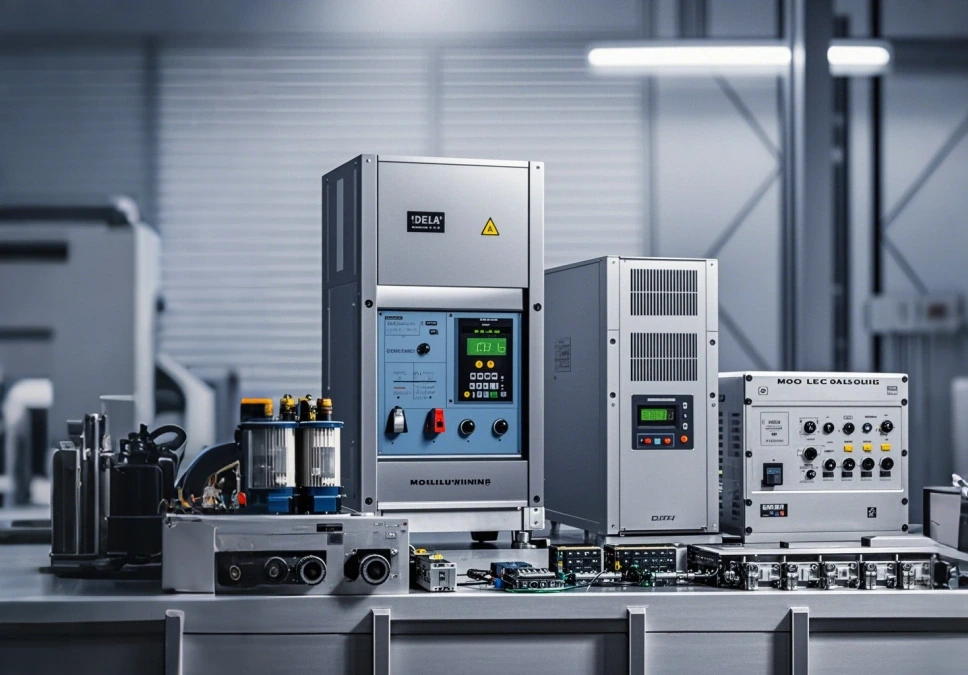
How To Choose A Dehumidifier For Switchgear?
Dehumidifier for Switchgear controls condensation, protects insulation, and supports reliable operation in humid electrical environments.
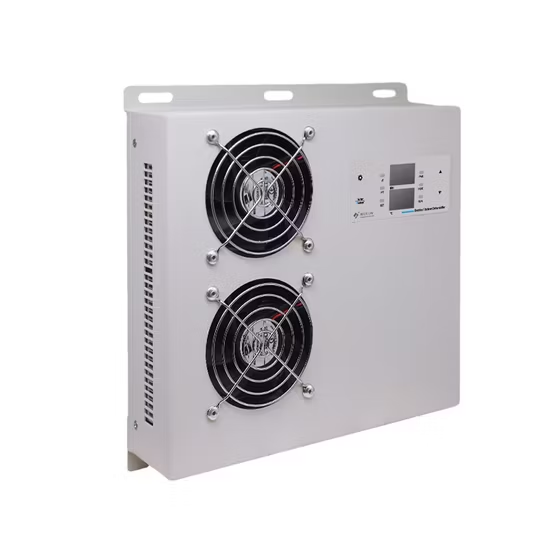
Why Does A Dehumidifier For Switchgear Matter?
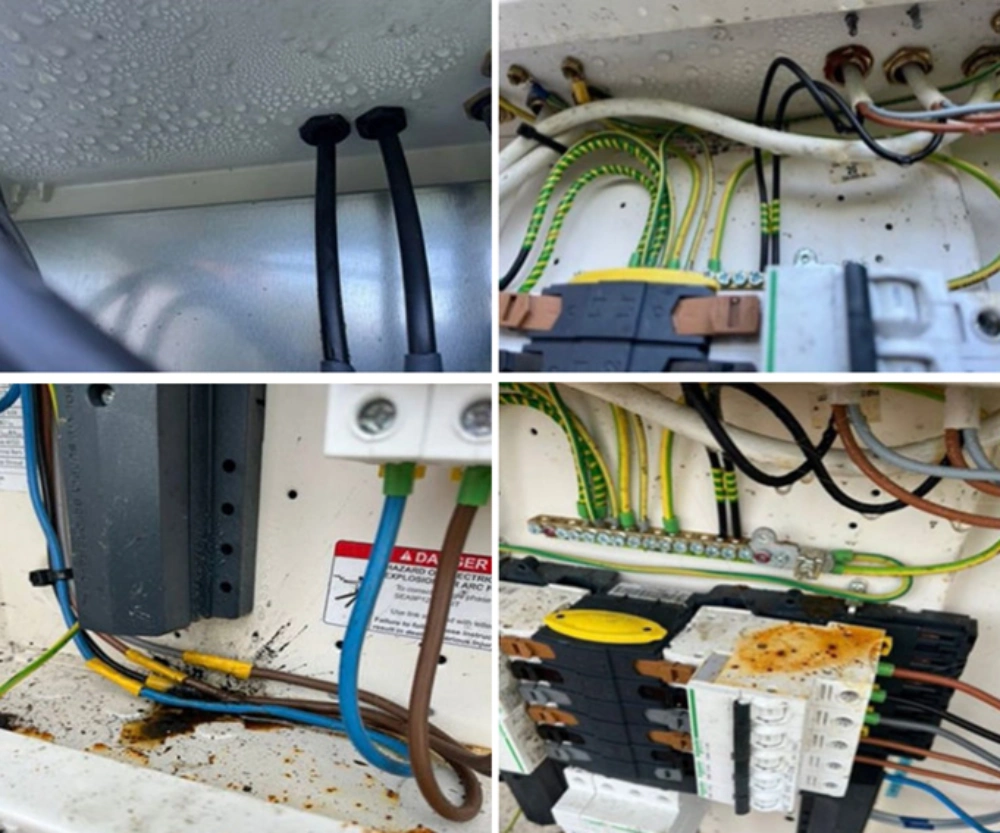
Moisture creates serious reliability risks inside electrical switchgear. A Dehumidifier for Switchgear helps control humidity before condensation affects critical components. Warm cabinet air can hold considerable water vapor under normal operating conditions. When surfaces cool below the dew point, vapor can become liquid water. Condensation may form on terminals, busbars, insulation, connectors, and control circuits. Repeated moisture exposure can accelerate metal corrosion and reduce insulation resistance. Outdoor cabinets face additional risks from rain, humidity, and rapid temperature changes. Indoor equipment can also experience condensation when electrical rooms have poor environmental control. Cabinet sealing affects moisture entry through doors, cable glands, vents, and maintenance openings. Therefore, moisture protection requires more than selecting equipment with high capacity. Proper selection should consider temperature, humidity, cabinet volume, enclosure construction, airflow, and operating conditions.
What Risks Can Excess Moisture Cause?
Excess moisture can affect both electrical performance and mechanical durability. Water films may reduce insulation resistance across contaminated insulating surfaces. Corrosion can attack copper terminals, steel fasteners, grounding points, and conductive connectors. Oxidation may increase contact resistance at electrical connection points. Electronic control boards face additional risks when moisture creates conductive paths between adjacent circuits. Dust and industrial contaminants can intensify these effects by retaining moisture on component surfaces. High humidity also increases condensation risks during nighttime temperature drops. Repeated wetting and drying can gradually damage insulation materials and metal surfaces. Moisture can also create maintenance problems when corrosion makes connections difficult to inspect. Operators should therefore consider long-term environmental exposure rather than visible water alone. Effective moisture control protects electrical continuity, insulation performance, component life, and maintenance reliability.
How Does A Dehumidifier For Switchgear Work?
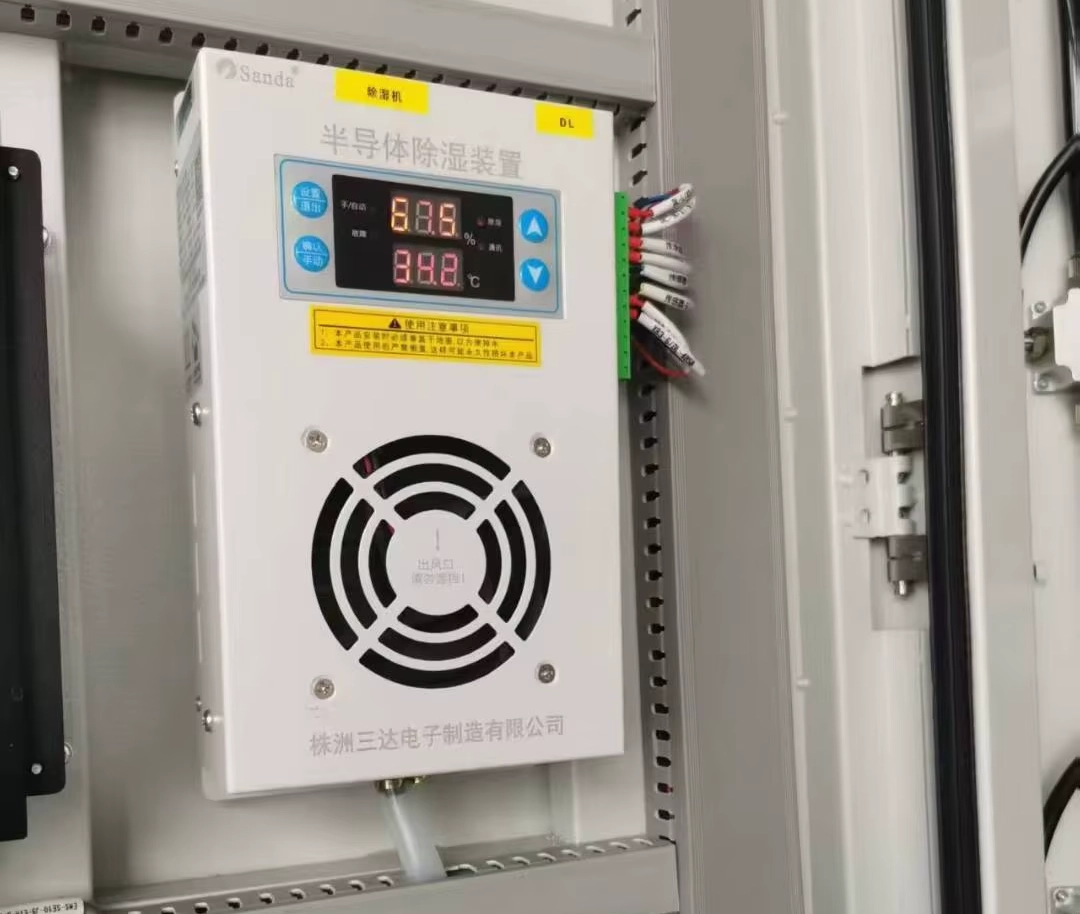
A Dehumidifier for Switchgear controls moisture through different physical operating principles. Semiconductor units use thermoelectric cooling to create a surface below the air dew point. Water vapor then condenses on that surface and leaves the cabinet air. Refrigeration systems use a similar principle with a compressor and heat exchange circuit. Heating-based systems increase cabinet temperature to keep internal surfaces above the dew point. However, heating does not directly remove water vapor from the enclosure. Semiconductor technology suits compact cabinets where installation space remains limited. Refrigeration technology can provide greater moisture removal under suitable temperature conditions. Automatic controllers can activate equipment when humidity reaches a selected threshold. Some systems combine humidity and temperature measurements for more accurate condensation prevention. Selection should consider operating temperature, moisture load, available space, drainage requirements, and required control precision.
Which Dehumidification Method Fits Your Cabinet?
The suitable dehumidification method depends strongly on cabinet construction and environmental conditions. Compact switchgear often favors semiconductor technology because the equipment occupies limited space. Larger cabinets may require higher moisture removal capacity under demanding conditions. Refrigeration systems can handle larger moisture loads when ambient temperatures support efficient operation. Heating systems work well when preventing surface condensation matters more than removing vapor. However, heating can increase energy consumption during long operating periods. Cabinet sealing also influences the required equipment capacity. Poor sealing allows humid air to enter continuously through gaps and openings. Frequent door opening creates another temporary moisture load. Low ambient temperatures can reduce the performance of some cooling-based systems. Engineers should therefore compare capacity, temperature range, dimensions, energy consumption, control method, and maintenance requirements. Matching technology to actual conditions avoids unnecessary oversizing and improves operating efficiency.
Key parameters should include:
- Rated dehumidification capacity
- Operating temperature range
- Humidity control range
- Power consumption
- Installation dimensions
- Drainage arrangement
- Control method
- Protection rating
- Service life
- Alarm functions
- Sensor accuracy
These parameters provide a practical framework for comparing different moisture control systems. Rated capacity alone cannot determine whether equipment suits a specific cabinet. Actual moisture load depends on humidity, temperature variation, enclosure sealing, and air exchange. Installation dimensions also matter when electrical components occupy most cabinet space. Drainage becomes important when the system produces liquid condensate during operation. Sensor accuracy affects automatic control and directly influences operating frequency. Alarm functions can provide early notification when humidity exceeds configured limits. Electrical ratings must also match the available cabinet power supply. Maintenance access should remain adequate throughout the expected service life. Buyers should evaluate these factors together rather than focusing on a single specification. A balanced selection usually provides more reliable moisture protection and lower operating problems.
How Should Dehumidification Capacity Be Selected?
Capacity selection should begin with actual environmental conditions rather than cabinet volume alone. A Dehumidifier for Switchgear must respond to the cabinet's real moisture load, not simply its internal air volume. Cabinet volume determines enclosed air quantity, but it does not define total moisture load. Humid air can enter through cable openings, ventilation paths, door seals, and maintenance access. Frequent cabinet access can introduce additional moisture during normal operation. Ambient humidity can vary significantly between daytime and nighttime conditions. Outdoor installations experience especially strong temperature and humidity fluctuations. Industrial locations may receive additional moisture from nearby production processes. Designers should evaluate maximum humidity, minimum temperature, temperature cycling, and enclosure leakage. Historical environmental measurements can provide useful data for equipment sizing. A unit with insufficient capacity may operate continuously without maintaining stable conditions. Excessive capacity can increase energy consumption and equipment cost. Proper sizing should reflect the worst realistic operating conditions without creating unnecessary oversizing.
| Selection Factor | Technical Significance | Effect on Selection |
|---|---|---|
| Cabinet volume | Defines enclosed air quantity | Influences baseline moisture control |
| Ambient humidity | Determines available water vapor | Higher humidity increases moisture load |
| Temperature variation | Changes condensation conditions | Large changes increase condensation risk |
| Enclosure sealing | Controls external air exchange | Poor sealing increases moisture entry |
| Door opening frequency | Introduces external humid air | Raises temporary moisture load |
How Does Temperature Affect Moisture Control?
Temperature has a direct relationship with condensation inside electrical cabinets. Relative humidity describes moisture content compared with the maximum amount air can hold. Dew point indicates the temperature at which that moisture reaches saturation. When a metal surface falls below the dew point, condensation can appear. Cabinet walls, mounting plates, terminals, and brackets may cool faster than surrounding air. Nighttime shutdown periods can therefore create condensation even without additional moisture entering. Temperature sensors should represent actual cabinet conditions rather than local heat sources. Humidity sensors should avoid direct contact with condensed water or strong airflow. Combining temperature and humidity measurements provides better condensation assessment. Control systems can then respond before moisture reaches critical surfaces. This approach provides more useful protection than monitoring relative humidity alone. Designers should consider thermal behavior whenever cabinet equipment operates across large temperature ranges.
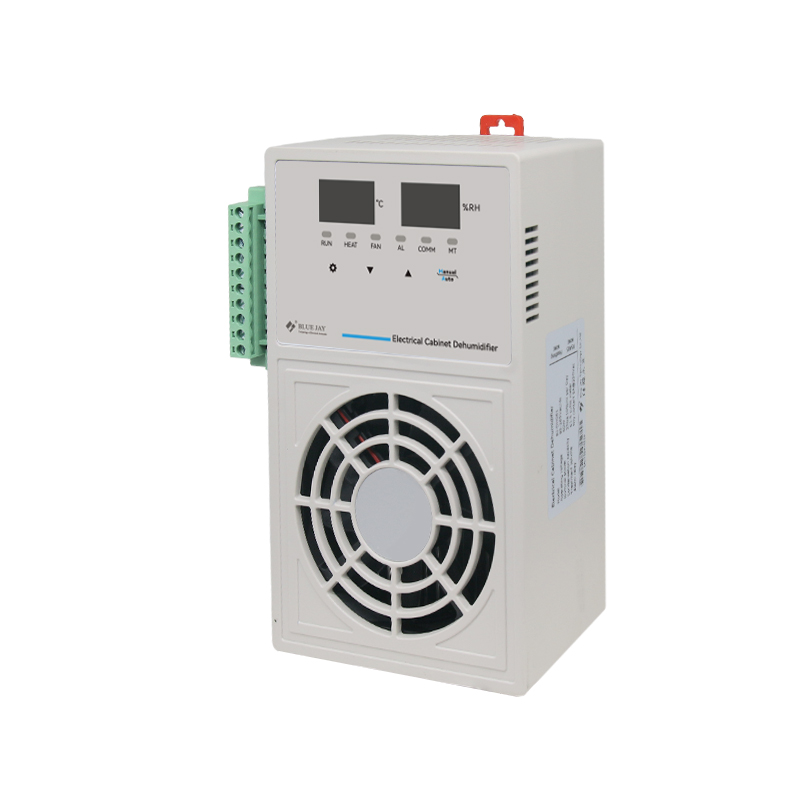
Where Should Moisture Control Equipment Be Installed?
Installation position directly affects airflow, sensing accuracy, drainage, and maintenance access. The equipment should receive sufficient cabinet air around its intake and outlet areas. Electrical components should not block the designed airflow path. Strong heat sources should remain separated from humidity sensors whenever possible. Localized heat can distort temperature readings and cause inaccurate control decisions. Condensate-producing equipment also requires a secure drainage route. Drainage paths should avoid unnecessary bends and potential leakage points. Wiring should remain safely separated from drainage components where practical. Service clearance must allow technicians to inspect electrical terminals and clean relevant surfaces. An installation drawing should confirm mounting dimensions before equipment arrives. Compact equipment may simplify cabinet integration but still requires proper airflow. Good positioning allows the system to control humidity efficiently while supporting accurate environmental measurement.
How Can Dew Point Control Reduce Condensation?
Dew point control provides a more precise way to assess condensation risk. Air can have moderate relative humidity while cold metal surfaces approach saturation conditions. This situation commonly occurs during rapid nighttime cooling or equipment shutdown. A temperature decrease can bring cabinet surfaces closer to the dew point. Once the surface temperature falls below that point, water vapor can condense. Monitoring both humidity and temperature gives controllers more useful environmental information. Sensor placement becomes important because different cabinet zones may have different temperatures. Cold corners and external metal surfaces may experience greater condensation risk. Designers should therefore consider the coldest relevant surface rather than average cabinet temperature. Automatic control can maintain suitable moisture conditions before visible droplets appear. This strategy supports insulation reliability and reduces corrosion exposure. Dew point analysis is especially valuable for outdoor and poorly insulated switchgear installations.
| Application | Primary Moisture Risk | Selection Priority | Recommended Focus |
|---|---|---|---|
| Indoor switchgear | Room humidity | Stable humidity control | Sensor accuracy |
| Outdoor switchgear | Weather and temperature cycling | Wide temperature range | Condensation prevention |
| Coastal equipment | Humidity and corrosion | Material durability | Corrosion resistance |
| Industrial cabinets | Moisture and contaminants | Environmental protection | Sealing and maintenance |
| Cold environments | Low surface temperature | Low-temperature performance | Dew point control |
How Does Cabinet Environment Change Equipment Selection?
Cabinet environments create different moisture challenges even when enclosure dimensions remain similar. Indoor installations may experience stable temperatures but seasonal humidity increases. Outdoor cabinets face rain, temperature cycling, solar heating, and nighttime cooling. Coastal locations combine high humidity with airborne salt that can accelerate corrosion. Industrial facilities may expose cabinets to dust, process moisture, vibration, and frequent access. Cold environments create additional condensation risks because metal surfaces can cool quickly. An Aluminum Alloy Housing Electrical Cabinet Dehumidifier can provide useful mechanical protection in demanding environments. Aluminum housing offers corrosion resistance and suitable structural durability for many cabinet applications. However, housing material cannot compensate for inadequate moisture capacity or poor control. Equipment selection should still consider temperature range, sensor performance, airflow, drainage, and installation clearance. Environmental conditions should determine the design priorities. This approach creates a better balance between physical durability and moisture control performance.
How Can Performance Verification Improve Selection?
Performance verification should rely on measurable cabinet conditions rather than visual inspection alone. A Dehumidifier for Switchgear should demonstrate stable humidity control under realistic operating conditions. Technicians can record temperature, relative humidity, and dew point during different operating periods. Measurements should cover normal operation, shutdown, nighttime cooling, and humid weather. These records reveal whether internal conditions remain within the intended control range. Inspection should focus on cold metal surfaces where condensation may first develop. Insulation resistance testing can provide additional information about electrical condition. Operating frequency also provides useful evidence about system performance. Continuous operation may indicate excessive moisture entry or insufficient capacity. Very short cycles can indicate unsuitable control thresholds or sensor placement. Data logging can reveal environmental patterns that occasional measurements cannot capture. Verification should continue through seasonal changes when possible. Actual field data provides stronger evidence than relying only on laboratory specifications.
What Maintenance Does A Switchgear Dehumidifier Require?
Routine maintenance helps preserve moisture control performance throughout equipment service life. Technicians should inspect air intake and outlet areas for dust or physical blockage. Restricted airflow can reduce cooling efficiency and moisture removal performance. Drainage components should remain clear and free from leakage. Electrical terminals should stay secure and show no signs of corrosion. Sensors require periodic inspection because contamination can affect measurement accuracy. Industrial environments may require shorter maintenance intervals than clean electrical rooms. Operators should also record abnormal humidity readings and unexpected operating cycles. Sudden changes can indicate enclosure leakage, sensor problems, or equipment deterioration. Maintenance records help identify gradual performance changes before they create electrical problems. Service personnel should follow the equipment manufacturer's electrical isolation requirements. Preventive inspection generally provides better reliability than waiting for visible condensation. Maintenance should therefore form part of the overall cabinet environmental management plan.
Which Features Improve Long-Term Reliability?
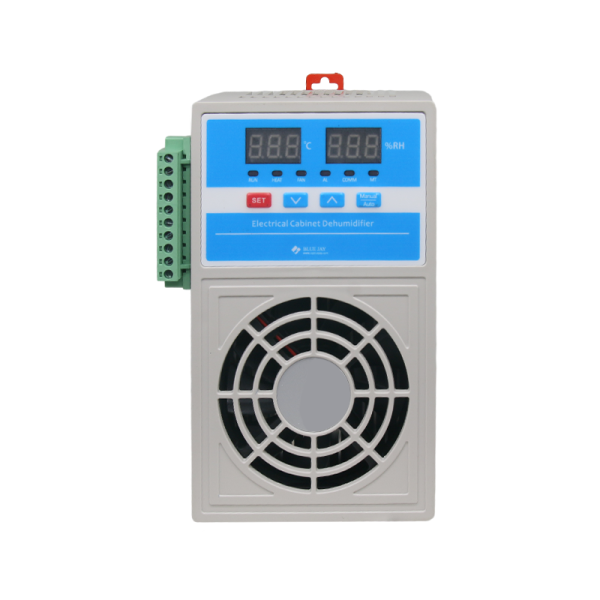
Modern moisture control equipment can include several features that improve operational reliability. Automatic humidity control reduces unnecessary operation during dry periods. Temperature compensation can improve control accuracy when environmental conditions change rapidly. Alarm outputs can notify operators when humidity exceeds a configured threshold. Fault indicators can identify sensor, power, or system abnormalities. Low power consumption becomes valuable when many electrical cabinets operate continuously. Compact construction preserves installation space for critical electrical components. Corrosion-resistant materials can support equipment durability in humid locations. Reliable sensors help controllers respond to actual cabinet conditions. Remote monitoring can also support centralized maintenance for larger electrical installations. A CSL 9200S 36W Electrical Cabinet Dehumidifier can suit applications requiring compact cabinet moisture control. Product selection should still consider rated voltage, operating temperature, installation dimensions, and control requirements. Features should support the actual application rather than add unnecessary complexity.
What Should You Check Before Purchasing?
Before purchasing equipment, convert cabinet conditions into clear technical requirements. Start by recording minimum and maximum ambient temperatures at the installation location. Next, determine typical and peak relative humidity levels. Check cabinet dimensions and available mounting space carefully. Review enclosure sealing and identify possible moisture entry points. Confirm electrical voltage, frequency, current requirements, and control interfaces. Check whether the equipment supports the expected temperature range. Evaluate rated moisture removal capacity against actual environmental conditions. Review drainage requirements if the system produces liquid condensate. Confirm sensor accuracy and available humidity control settings. Material construction should match expected corrosion and mechanical exposure. Maintenance access should remain practical after installation. Technical documentation should provide clear installation, wiring, and operating requirements. Comparing these factors together reduces compatibility problems and improves long-term cabinet reliability.