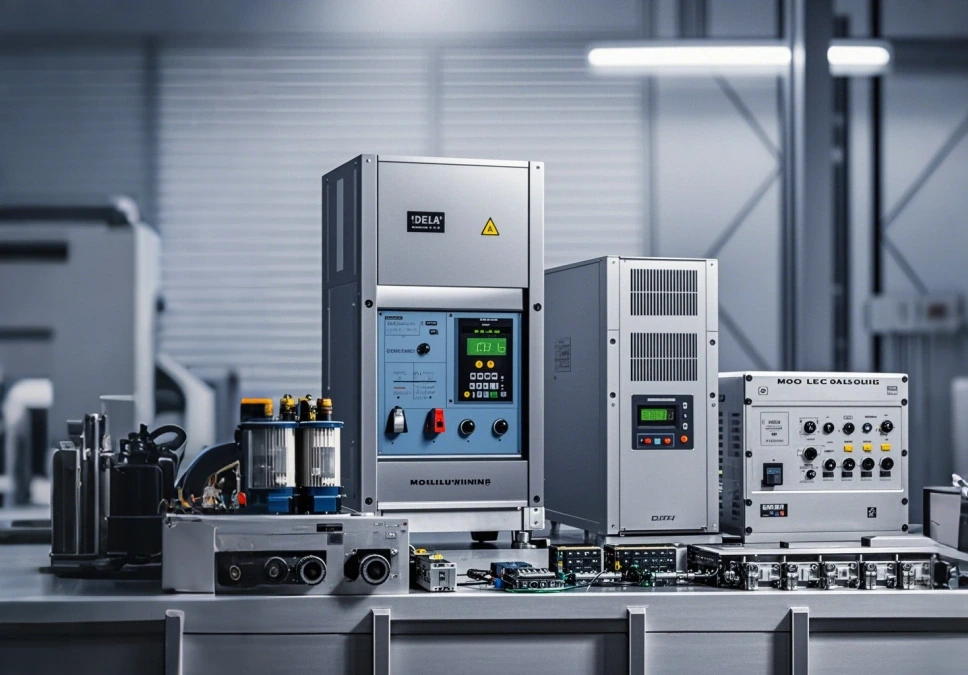
How Does An Enclosure Dehumidifier Prevent Condensation?
An enclosure dehumidifier manages humidity to reduce condensation, protect electrical components, and support reliable cabinet operation.
Why Does Condensation Form Inside Electrical Enclosures?
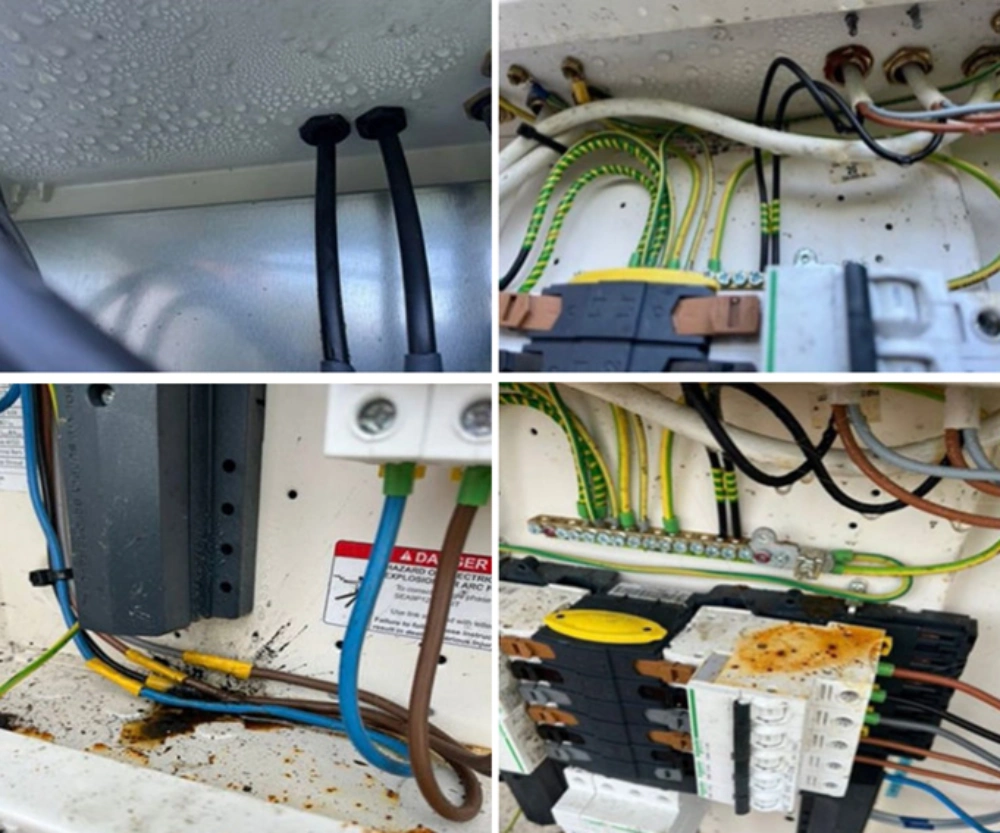
Condensation develops when warm, moist air contacts a surface below its dew point. Electrical enclosures often contain steel panels, terminals, circuit breakers, relays, and cable glands. These components can cool faster than the surrounding air during temperature changes. Nighttime cooling can therefore push internal surfaces below the dew point. Moisture then changes from vapor into liquid droplets on those surfaces. An enclosure dehumidifier reduces this risk by controlling moisture or maintaining suitable internal conditions. Proper sealing also limits humid air entering from the surrounding environment. Engineers should assess humidity, temperature variation, enclosure volume, and heat generation together. This approach supports stable electrical insulation and reduces corrosion risks around conductive parts.
How Does an enclosure dehumidifier Control Moisture?
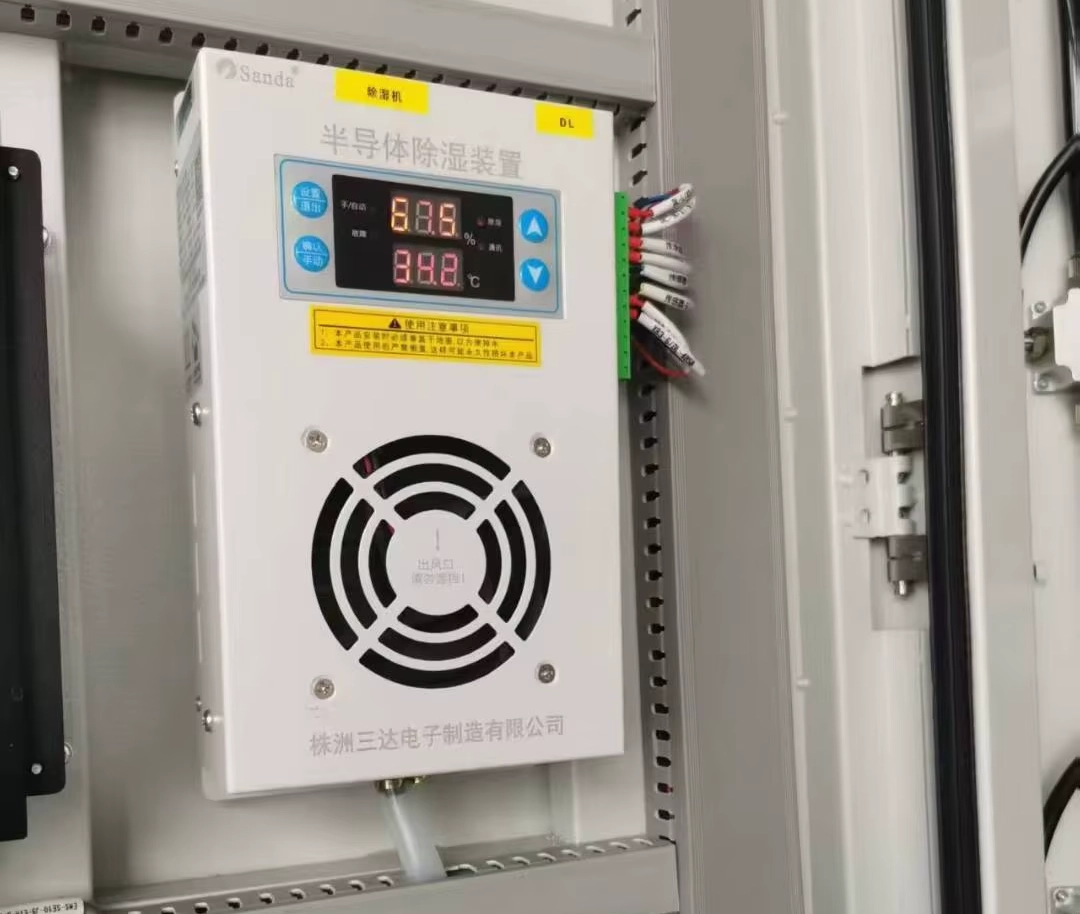
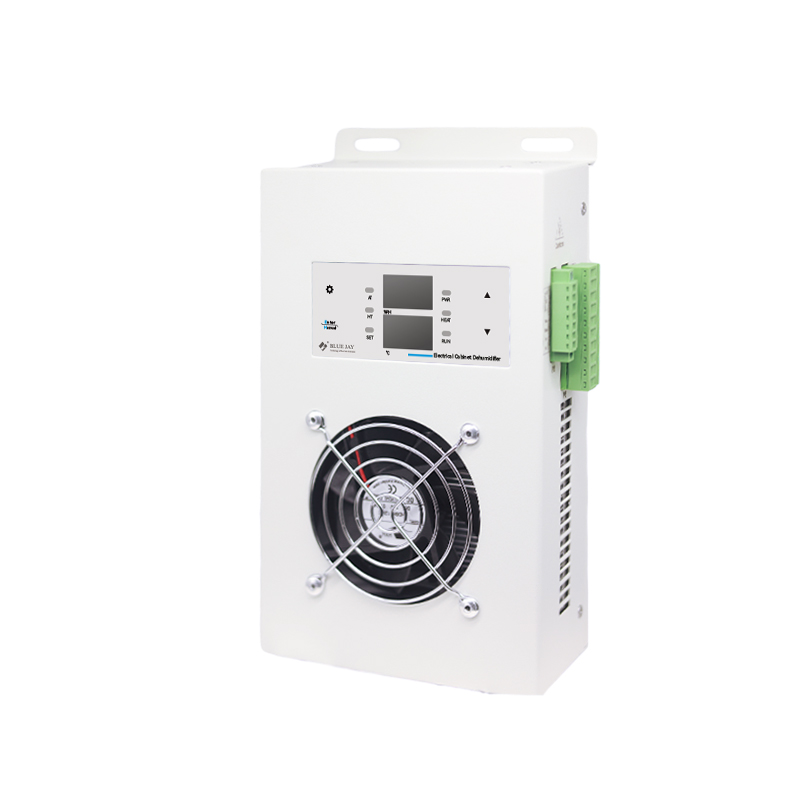
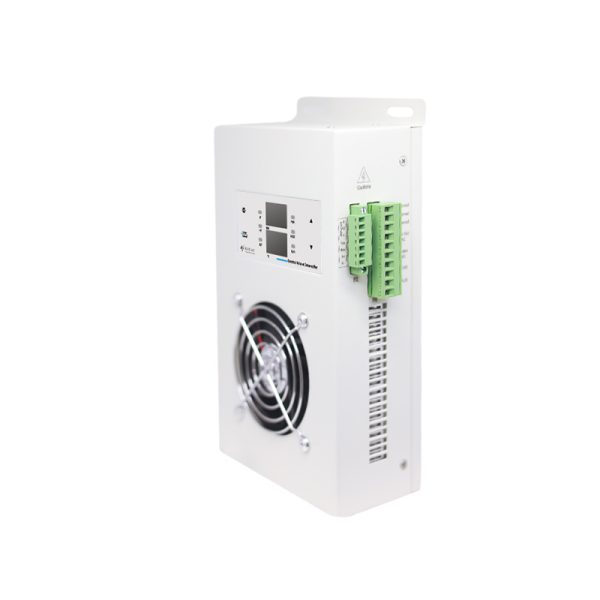
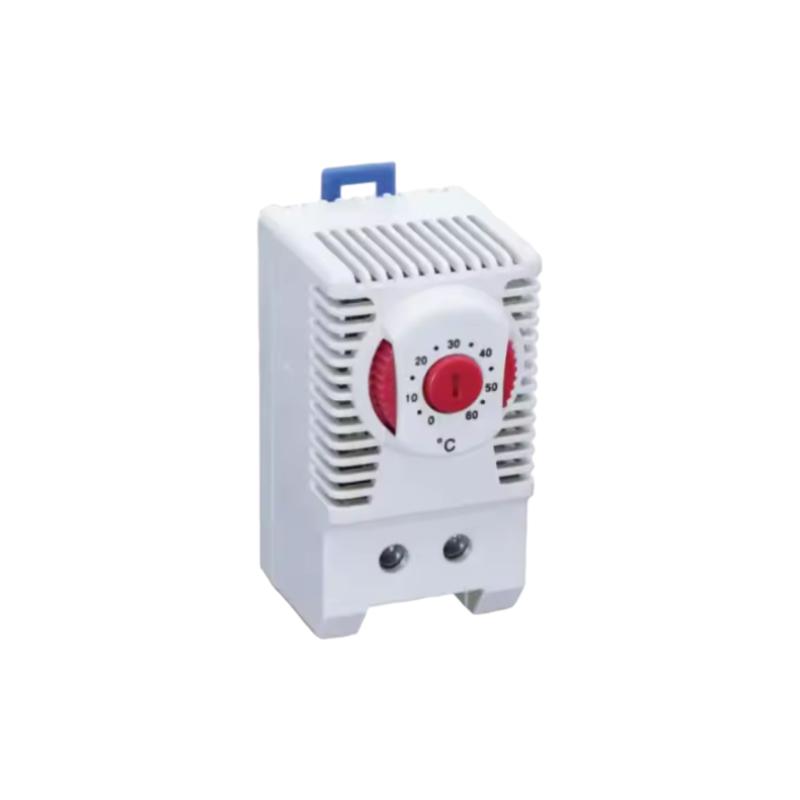
An enclosure dehumidifier controls moisture by reducing water vapor or limiting condensation conditions. Different designs use heating, thermoelectric cooling, or controlled air movement. Heating elements raise surface temperature and increase the moisture margin above the dew point. Thermoelectric systems remove moisture through cooling and controlled drainage. Selection depends on cabinet dimensions, ambient humidity, temperature range, and available power. The unit should also support continuous operation when environmental conditions remain severe. Proper control can use humidity sensors, temperature sensors, or dew point monitoring. These controls help the equipment respond before moisture reaches sensitive electrical surfaces. Effective moisture management therefore requires both suitable hardware and accurate operating conditions. Control settings should reflect seasonal changes and the cabinet's actual operating cycle.
How Does Temperature Affect Enclosure Moisture?
Temperature variation strongly influences condensation inside electrical cabinets. A sealed cabinet may contain air with substantial moisture even when no water enters directly. When the cabinet cools, relative humidity rises as air temperature falls. Once the internal surface reaches the dew point, vapor condenses into droplets. Large metal panels can become important condensation surfaces because metal transfers heat efficiently. Equipment shutdown can also remove internal heat and accelerate cooling. Outdoor cabinets face stronger changes because solar heating, wind, and nighttime cooling act continuously. Moisture control should therefore consider the coldest surface temperature, not only average cabinet temperature. Combining thermal control with humidity reduction provides stronger protection against repeated condensation cycles.
Which Enclosures Need Moisture Protection?
Moisture protection matters most where electrical equipment faces humidity, temperature cycling, or outdoor exposure. Typical applications include distribution cabinets, switchgear, automation panels, communication boxes, and measurement enclosures. Outdoor installations often experience rapid temperature changes after sunset or rainfall. Industrial facilities can also create humid conditions through washing, steam, cooling processes, or poor ventilation. Coastal locations add salt contamination that can accelerate corrosion on exposed conductive surfaces. Sensitive electronics may suffer even when visible water droplets never appear. A suitable enclosure dehumidifier can help maintain a safer internal climate. However, moisture protection should also include appropriate enclosure sealing and cable entry management. These measures work together to reduce humidity migration and condensation risks.
Which Features Matter Most For Moisture Control?
Buyers should evaluate performance characteristics instead of selecting equipment only by cabinet size. Moisture load depends on enclosure volume, leakage, ambient humidity, temperature swings, and installation conditions. Electrical heat can also influence internal temperature and condensation behavior. Important selection factors include:
- Rated dehumidification or heating capacity
- Operating temperature range
- Power consumption during continuous operation
- Sensor and control compatibility
- Installation space and mounting method
- Expected service life and maintenance needs
These factors help buyers compare equipment against actual operating conditions and installation constraints. Capacity should reflect moisture exposure rather than enclosure volume alone. A small cabinet in a humid environment can require more protection than a larger sealed cabinet. Control accuracy also matters because excessive heating can waste energy. Proper sizing creates a balanced relationship between moisture protection, energy use, and equipment reliability.
How Should Buyers Match Dehumidification Capacity?
Capacity selection should begin with the cabinet's internal volume and environmental exposure. Next, assess the expected humidity range and the largest daily temperature swing. Enclosure sealing affects how quickly humid outside air enters the cabinet. Cable glands, door seals, ventilation openings, and maintenance access points can create moisture paths. Internal heat sources can change the thermal balance and influence dew point conditions. Buyers should also consider whether the cabinet operates continuously or cycles between energized and idle states. A reliable selection process uses measured site conditions whenever possible. Manufacturer performance data should then be compared against those operating conditions. This prevents undersized equipment from running continuously without controlling moisture effectively. It also avoids unnecessary oversizing that increases cost or power consumption.
How Do Moisture Control Methods Compare?
| Method | Primary Principle | Typical Strength | Key Limitation |
|---|---|---|---|
| Heating | Raises internal surface temperature | Simple condensation prevention | Consumes continuous power |
| Thermoelectric | Condenses and removes water vapor | Direct moisture reduction | Requires suitable drainage |
| Ventilation | Exchanges internal and external air | Useful under favorable ambient conditions | Can introduce humid air |
| Desiccant | Adsorbs water vapor | Works without active cooling | May require replacement or regeneration |
Each method addresses moisture through a different physical mechanism. Heating focuses on keeping surfaces above the dew point rather than removing vapor. Thermoelectric equipment actively transfers moisture from internal air into a drainage path. Ventilation depends heavily on outdoor humidity and temperature conditions. Desiccant systems capture water vapor within an absorbent material. Selection should reflect the cabinet's environment, maintenance resources, and available installation space. In many industrial applications, active control provides more predictable results than passive ventilation. Engineers should also consider how each method behaves during rapid temperature transitions. A suitable enclosure dehumidifier can provide consistent control when passive methods cannot maintain stable conditions. Comparing response time, power use, drainage needs, and maintenance can further refine equipment selection.
What Installation Practices Improve Performance?
Installation quality directly affects moisture control performance inside an electrical enclosure. Positioning should support adequate air circulation around the protected components. The unit should avoid blocked intake or discharge paths that restrict airflow. Sensors should represent the cabinet's actual internal conditions rather than a local hot spot. Drainage systems require secure routing when the design removes condensed water. Door seals and cable entries should remain intact after installation work. A CSL 8200S 60W Electrical Cabinet Dehumidifier can support moisture management where its specifications match the cabinet conditions. Technicians should verify voltage, mounting dimensions, clearances, and operating limits before commissioning. Correct installation allows the equipment to respond consistently during changing environmental conditions. Regular inspection can also reveal blocked airflow, damaged seals, or abnormal moisture accumulation.
Why Is Condensation Prevention Better Than Moisture Removal Alone?
Preventing condensation offers stronger protection than reacting after visible water appears. Liquid moisture can reach terminals, connectors, circuit boards, and insulation surfaces before operators notice it. Repeated wetting and drying cycles can accelerate oxidation and surface contamination. Corrosion may increase contact resistance and weaken electrical connections over time. Moisture can also reduce insulation resistance under unfavorable operating conditions. An enclosure dehumidifier helps maintain conditions that reduce the chance of water reaching critical surfaces. However, dehumidification cannot compensate for major enclosure leaks or poor cable sealing. A complete moisture strategy combines humidity control, thermal management, enclosure integrity, and routine inspection. This layered approach improves reliability while reducing avoidable maintenance and unexpected equipment downtime.
How Can Temperature And Humidity Controls Work Together?
Temperature and humidity controls should operate as complementary protection systems. Temperature sensors can identify rapid cooling before condensation develops. Humidity sensors can track moisture levels within the cabinet. Dew point calculations can provide an additional reference for condensation risk. Some systems use heating to maintain surface temperature above the calculated dew point. Others actively remove water vapor when humidity exceeds a defined threshold. The control strategy should match the enclosure's thermal response and environmental conditions.
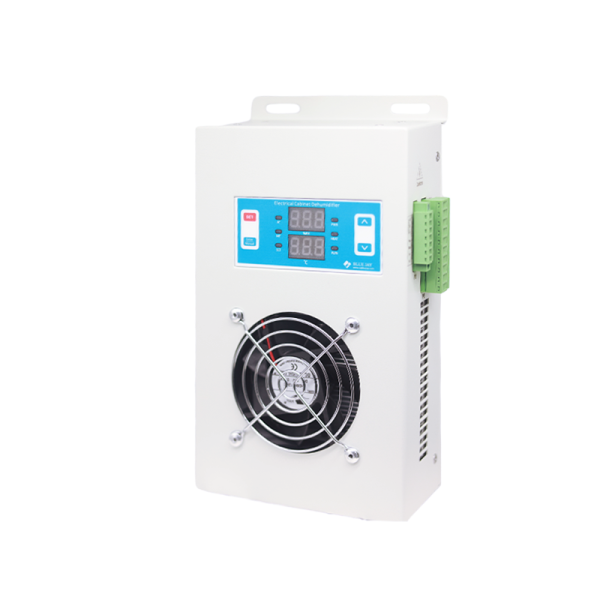
An Aluminum Alloy Housing Electrical Cabinet Dehumidifier may suit applications requiring a durable housing and compact installation.Buyers should verify thermal performance, electrical ratings, mounting requirements, and environmental compatibility. Proper coordination prevents unnecessary cycling while maintaining stable cabinet conditions.
What Maintenance Supports Long-Term Moisture Protection?
Maintenance should focus on both the moisture-control device and the enclosure itself. Technicians should inspect airflow paths, electrical connections, sensors, mounting hardware, and drainage points. Door gaskets should remain flexible and free from cracks or compression damage. Cable glands should maintain proper sealing after maintenance or cable replacement. Operators should record unusual humidity readings and repeated condensation events. Rising moisture levels can indicate seal deterioration or changing environmental conditions. Filters or drainage components may require service according to the equipment design. Electrical connections should receive inspection during scheduled cabinet maintenance. These checks help identify developing problems before moisture affects sensitive components. Consistent records also provide useful evidence when evaluating equipment performance and future capacity requirements.
What Mistakes Can Reduce Condensation Protection?
Several selection and installation mistakes can weaken moisture protection. The first mistake involves choosing capacity only from cabinet dimensions. Another common issue involves ignoring the lowest expected surface temperature. Some installations rely on ventilation even when outdoor air carries excessive moisture. Damaged door seals can also defeat otherwise effective humidity control. Poor sensor placement may produce readings that differ from conditions near sensitive components. Insufficient drainage can create secondary moisture problems in systems that remove condensed water. Excessive heating can raise energy consumption without addressing moisture migration. Corrective action should address the cabinet, environmental conditions, control method, and installation details together. This broader evaluation produces more dependable protection than focusing on the dehumidification device alone.
How Does an Enclosure Dehumidifier Support Electrical Reliability?
Moisture control supports electrical reliability by reducing conditions that promote condensation and corrosion. Stable internal conditions help protect terminals, insulation, connectors, relays, and electronic assemblies. The strongest results come from matching equipment capacity with actual environmental conditions. Proper sealing prevents unnecessary moisture entry from the surrounding atmosphere. Accurate sensors allow controls to respond to changing temperature and humidity levels. Regular maintenance keeps airflow, drainage, seals, and electrical connections in suitable condition. A complete strategy therefore combines equipment selection with sound enclosure engineering. Buyers should review technical specifications, operating limits, installation requirements, and quality controls before procurement. This approach can reduce moisture-related failures and support longer service intervals. It also provides a practical basis for maintaining dependable electrical equipment in demanding environments.
What Are The Main Selection Criteria?
| Selection Factor | What To Check | Why It Matters |
|---|---|---|
| Cabinet volume | Internal dimensions and usable air space | Supports suitable capacity selection |
| Ambient humidity | Typical and peak relative humidity | Defines moisture load |
| Temperature range | Lowest and highest operating temperatures | Influences dew point risk |
| Temperature cycling | Daily and operational temperature changes | Affects condensation frequency |
| Enclosure sealing | Door gaskets, cable glands, openings | Controls moisture ingress |
| Power requirements | Voltage, wattage, continuous operation | Ensures electrical compatibility |
These criteria provide a practical framework for comparing moisture-control equipment. Environmental measurements should support decisions whenever installation data are available. Cabinet volume remains useful, but it should never act as the only selection variable. Temperature cycling deserves special attention because condensation often follows rapid cooling. Sealing quality also determines how much moisture reaches the internal air space. Power requirements must match the cabinet supply and control architecture. Installation constraints can further limit available equipment choices. Reviewing these factors together helps buyers avoid performance gaps caused by incomplete specifications. It also supports clearer communication between equipment suppliers, electrical designers, and installation teams. The final selection should reflect measured conditions, technical ratings, and long-term operating requirements.
Frequently Asked Questions
What causes condensation inside an electrical enclosure?
Condensation forms when a surface temperature falls below the surrounding air's dew point. Moist air can remain invisible until cooling causes water vapor to change into liquid. Metal panels often become condensation points because they transfer heat efficiently. Temperature changes can result from nighttime cooling, rainfall, equipment shutdown, or seasonal conditions. High relative humidity increases the likelihood of reaching the dew point. Poor sealing can also introduce additional moisture into the cabinet. Effective prevention combines humidity control, suitable thermal management, and enclosure integrity. Regular inspection helps identify moisture sources before they create electrical reliability problems.
How do I choose the right moisture-control equipment?
Selection should consider cabinet volume, ambient humidity, temperature range, temperature cycling, and enclosure sealing. Power supply requirements also affect equipment compatibility. Buyers should review rated performance under conditions similar to the intended installation. A larger cabinet does not always require more capacity than a smaller cabinet. Severe humidity and rapid cooling can create higher moisture loads. Sensor placement and control accuracy also influence practical performance. Installation space, drainage requirements, maintenance access, and expected service life deserve attention. Comparing these factors together creates a more reliable selection process. Site measurements can further improve sizing accuracy when environmental conditions vary significantly.
Can moisture control prevent corrosion inside electrical cabinets?
Effective moisture control can reduce corrosion risk, but it cannot eliminate every corrosion mechanism. Corrosion depends on moisture, contaminants, temperature, material composition, and electrical conditions. Coastal environments may introduce salt particles that accelerate metal degradation. Industrial atmospheres can contain chemicals that create additional corrosion risks. Maintaining suitable humidity reduces one major factor that supports corrosion reactions. Enclosure sealing can further limit contaminated air entering the cabinet. Regular inspection remains necessary because corrosion may begin around terminals, fasteners, and cable connections. Material selection also matters when cabinets operate in aggressive environments. A layered protection strategy provides stronger long-term results than relying on moisture control alone.