How Does Thermostat And Humidity Control Work Together?
Thermostat and humidity control systems optimize HVAC performance with precise monitoring,energy savings,and reliable climate management.
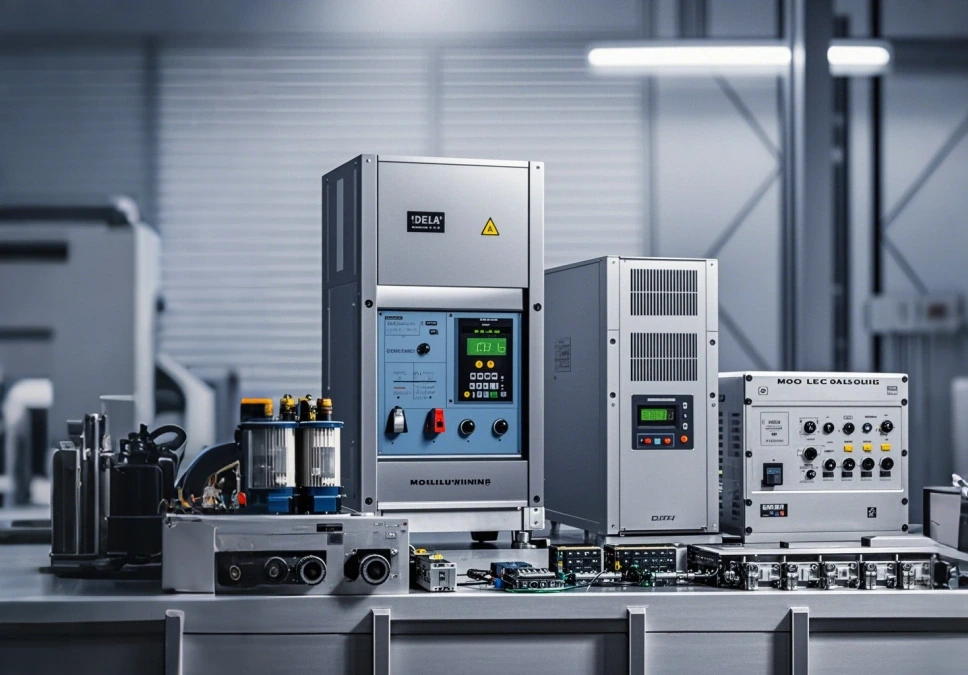
Modern commercial environments require accurate climate regulation to maintain stable operating conditions. thermostat and humidity control systems combine temperature monitoring with moisture adjustment to create balanced indoor environments. These systems use sensors, controllers, and HVAC equipment to maintain suitable air conditions. Temperature changes can influence humidity levels, while excessive moisture can affect cooling performance. Integrated control methods allow facilities to reduce energy waste and improve equipment efficiency. Warehouses, offices, laboratories, and industrial buildings often rely on coordinated systems for consistent environmental quality. Advanced controllers provide real-time data collection and automatic adjustments. This approach helps businesses maintain reliable operations while protecting equipment, materials, and stored products from unstable climate conditions.
The Relationship Between Temperature Regulation and Moisture Balance
Temperature regulation focuses on maintaining a specific thermal condition, while humidity management controls water vapor levels in the air. A thermostat measures temperature through sensors and sends signals to heating or cooling equipment. Humidity controllers monitor moisture changes through specialized detection components. When temperature decreases, relative humidity can rise because cooler air holds less moisture. Excess humidity may create condensation problems, while low humidity can damage sensitive materials. Commercial facilities need coordinated systems because temperature and moisture directly influence each other. Proper calibration ensures sensors provide accurate readings. Control algorithms then adjust HVAC functions based on collected information. This process creates a stable environment with improved comfort, protection, and operational reliability.
How Thermostat and Humidity Control Improve HVAC Performance
thermostat and humidity control solutions improve HVAC performance by creating a coordinated response between temperature and moisture adjustments. Traditional systems often focus only on temperature changes, which can result in inefficient operation. Integrated systems collect information from multiple sensors and analyze environmental conditions continuously. Controllers can activate cooling, heating, humidifying, or dehumidifying equipment when necessary. This reduces unnecessary operation cycles and helps maintain consistent indoor conditions. Industrial HVAC systems often use advanced communication protocols to exchange information between devices. Accurate control reduces mechanical stress and supports longer equipment service life. Businesses benefit from lower maintenance requirements and improved energy management. These advantages make integrated climate solutions valuable for large-scale facilities.
Key Components That Support Accurate Climate Control
Reliable climate management depends on several technical components working together. Each component performs a specific role within the control system. Proper hardware selection directly affects measurement accuracy and system response speed.
- Temperature sensors detect air temperature changes and provide real-time measurements.
- Humidity sensors measure moisture levels and support accurate humidity adjustments.
- Control panels process sensor data and manage connected HVAC equipment.
- Actuators regulate valves, dampers, and other mechanical components.
- Communication modules transfer information between different control devices.
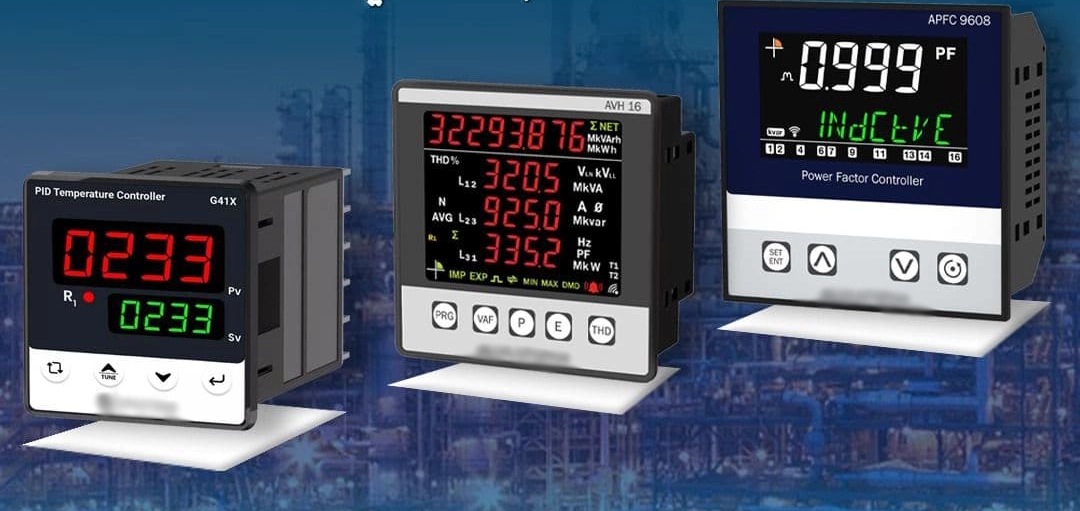
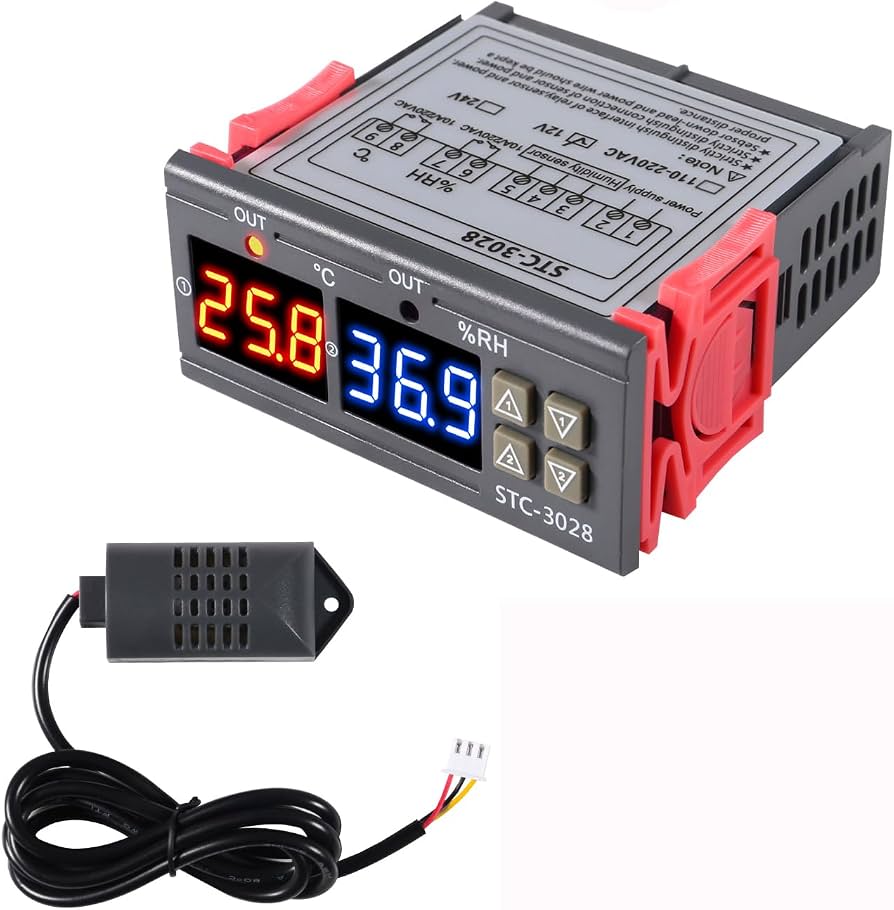
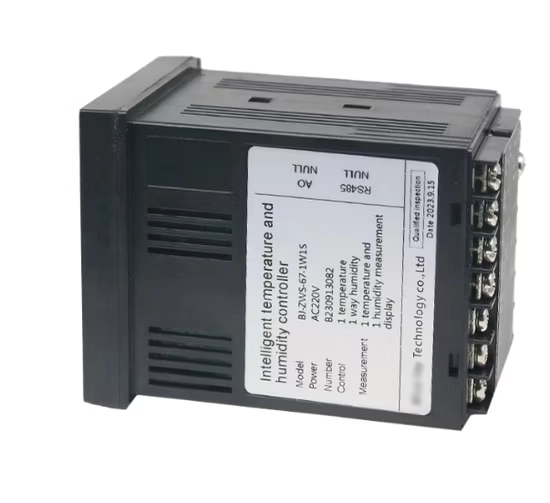
Advanced controllers also include display interfaces that allow operators to monitor system conditions. For example, the WSK Dial-Type Temperature and Humidity Controller provides a practical solution for users requiring direct visual adjustment and monitoring. Its design supports applications where quick parameter checking and simple operation are important. Selecting suitable components helps businesses achieve reliable climate performance. Each device must match the working environment, expected accuracy level, and required control range. Proper integration ensures smooth communication between sensors and HVAC equipment.
Technical Parameters Affecting System Accuracy and Reliability
Different technical specifications determine the performance level of environmental control equipment. Businesses should evaluate measurement accuracy, operating range, and response capability before selecting suitable solutions. Reliable climate systems require accurate technical evaluation because sensor quality directly affects operational results. Temperature sensors must provide stable readings under changing conditions. Humidity sensors require strong resistance against environmental interference. Accuracy ratings influence how quickly systems respond to climate changes. Facilities with sensitive equipment often need tighter control ranges because small variations may affect performance. Engineers usually review sensor placement, controller compatibility, and communication methods before installation. A reliable system combines accurate measurement with efficient control logic. Businesses should also consider future expansion needs when choosing equipment. Scalable systems allow additional sensors and devices to connect without replacing existing infrastructure.
| Parameter | Temperature Control | Humidity Control | Business Value |
|---|---|---|---|
| Measurement Range | -20°C to 60°C | 10% to 90% RH | Supports different environments |
| Sensor Accuracy | High temperature precision | Stable moisture detection | Improves system response |
| Response Speed | Fast temperature adjustment | Quick humidity correction | Reduces environmental fluctuations |
| Application Areas | Offices and facilities | Storage and industrial spaces | Expands project flexibility |
Commercial Applications of Integrated Temperature and Humidity Systems
Commercial facilities use integrated environmental systems across many industries. Data centers require stable conditions because electronic equipment generates continuous heat. Warehouses need controlled humidity to protect inventory from moisture damage. Manufacturing plants use climate systems to maintain production accuracy and product quality. Medical facilities depend on reliable environmental control for sensitive areas. Offices also benefit from balanced conditions that improve employee comfort. Different applications require specific temperature and humidity ranges based on operational goals.
| Application | Main Requirement | Control Priority |
|---|---|---|
| Data Centers | Stable cooling conditions | Prevent equipment overheating |
| Warehouses | Moisture protection | Maintain product quality |
| Manufacturing Plants | Process stability | Support production accuracy |
| Medical Facilities | Clean environmental conditions | Protect sensitive operations |
Integrated Solutions Provide Better Environmental Stability
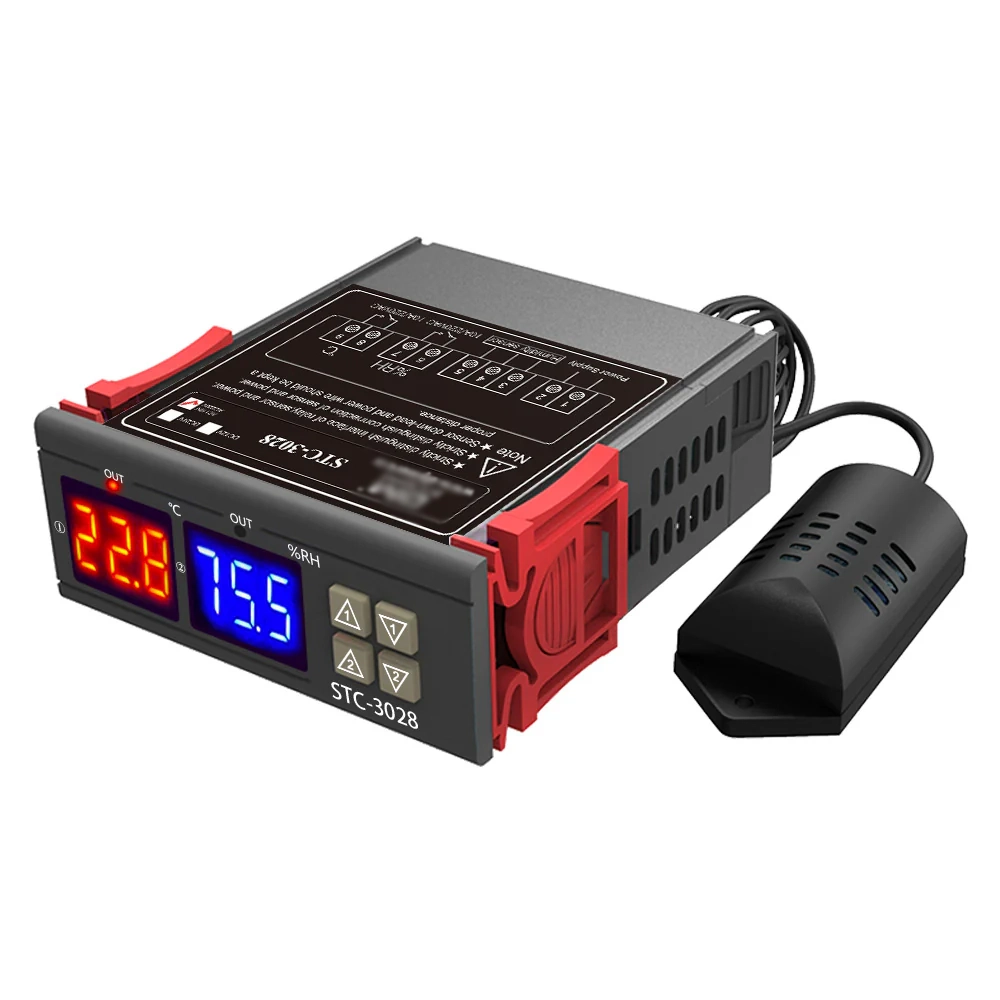
Different industries require customized climate management strategies because operating conditions vary significantly. A warehouse storing electronic components may need stricter humidity limits than a general storage area. Manufacturing environments often require consistent conditions to prevent material changes during production. Medical facilities may prioritize stable air quality and controlled moisture levels. The WSK Fixed Temperature and Humidity Controller for Cabinets supports applications where equipment cabinets require reliable internal climate regulation. Such solutions help protect electrical components from excessive heat and moisture. Selecting suitable controllers according to application requirements improves system performance. Professional planning ensures equipment delivers consistent results throughout long-term operation.
Energy Efficiency Benefits From Smart Environmental Control
Smart climate management systems help businesses reduce energy consumption through automatic adjustments. Traditional HVAC equipment may operate longer than necessary because it lacks accurate environmental feedback. Integrated controllers analyze temperature and moisture data before activating connected devices. This approach prevents excessive cooling, heating, humidifying, or dehumidifying operations. Facilities can maintain comfortable conditions while reducing unnecessary power usage. Automated control also improves equipment scheduling by adjusting operation cycles according to actual demand. Commercial buildings with large HVAC systems often achieve better efficiency through precise environmental monitoring. Energy savings become especially important for warehouses, factories, and office complexes with continuous operation requirements. Efficient control strategies also reduce equipment wear and support sustainable facility management practices.
Installation and Maintenance Factors for Reliable Climate Management Systems
Proper installation and regular maintenance directly affect the accuracy and reliability of environmental control equipment. Sensor placement requires careful planning because incorrect locations may create inaccurate measurements. Temperature sensors should avoid direct airflow from vents because sudden air changes can affect readings. Humidity sensors need protection from condensation, dust, and chemical exposure. Engineers should evaluate airflow patterns before positioning detection devices. System calibration must match the actual operating environment. Maintenance teams should inspect electrical connections, communication interfaces, and mechanical components regularly. Software updates can improve control functions and system security. Cleaning sensor surfaces prevents contamination from affecting detection results. Preventive maintenance reduces unexpected downtime and protects valuable equipment. A well-maintained system provides stable climate management while extending connected device service life.
Comparison Between Basic Thermostat Systems and Advanced Humidity Solutions
Different climate control solutions provide different levels of performance and flexibility. Basic thermostat systems usually focus on temperature adjustment only. Advanced solutions combine temperature monitoring with humidity regulation for improved environmental stability. Businesses should compare system features before making purchasing decisions. The following table presents differences between standard and integrated solutions.
| Feature | Basic Thermostat System | Integrated Humidity Solution |
|---|---|---|
| Control Function | Temperature adjustment | Temperature and moisture management |
| Sensor Support | Mainly temperature sensors | Multiple environmental sensors |
| Energy Management | Limited optimization | Automatic efficiency improvement |
| Application Range | Simple indoor areas | Commercial and industrial facilities |
Selecting Suitable Climate Control Solutions for Business Projects
Selecting suitable climate equipment requires careful evaluation of technical specifications and project requirements. Buyers should review sensor accuracy, operating temperature range, humidity measurement capability, and system compatibility. Product reliability becomes especially important for industrial applications where environmental changes can affect production or equipment safety. Suppliers with strong technical support can provide better installation assistance and maintenance services. Businesses should consider future expansion because scalable systems can reduce replacement costs later. Advanced climate solutions offer greater adaptability for complex environments through centralized monitoring and accurate adjustments. Reliable data helps technical teams identify problems before they affect operations. Proper equipment selection contributes to long-term operational performance and cost control.
FAQ
How Does Thermostat and Humidity Control Work Together in HVAC Systems?
Thermostat and humidity control systems work together by combining temperature measurements with moisture monitoring. A thermostat detects temperature changes and manages heating or cooling equipment. Humidity sensors identify moisture variations and activate humidifying or dehumidifying devices when required. The controller processes information from both sensors to maintain balanced indoor conditions. This coordination prevents problems caused by excessive heat, dryness, or moisture. Commercial HVAC systems use this approach to improve comfort, protect equipment, and reduce energy consumption. Integrated operation creates a more stable environment compared with systems that only monitor temperature levels.
Why Is Humidity Management Important for Commercial Buildings?
Humidity management plays an important role in maintaining safe and efficient commercial environments. Excess moisture can create condensation, corrosion, and material damage. Low humidity may cause static electricity problems and affect sensitive equipment. Proper moisture regulation helps protect products, machinery, and building structures. Facilities such as warehouses, data centers, and manufacturing plants often require precise humidity levels because environmental changes can influence operations. Effective control systems provide continuous monitoring and automatic adjustments. Businesses benefit from improved equipment protection, reduced maintenance needs, and better working conditions. Stable humidity levels also support consistent HVAC performance throughout different seasons.
What Factors Should Buyers Check Before Selecting Climate Control Equipment?
Buyers should evaluate several factors before selecting climate control equipment for commercial projects. Important considerations include sensor accuracy, operating range, response speed, installation requirements, and compatibility with existing HVAC systems. Product durability is also essential for facilities operating under demanding conditions. Suppliers should provide technical information, support services, and reliable product documentation. Businesses should consider future expansion because scalable systems can reduce replacement costs later. Comparing different solutions helps buyers choose equipment that matches specific environmental requirements. A detailed evaluation process improves system reliability and supports long-term operational efficiency.