
How Long Does An Earth Fault Indicator Battery Last?
Earth fault indicator battery life depends on battery type, temperature, power use, maintenance, and replacement intervals.
Earth fault indicator battery life is an important consideration for power distribution systems. A reliable battery supports fault indication without frequent maintenance. Battery replacement can also increase service costs, especially when indicators are installed in remote or difficult-to-access locations.
The actual service life depends on battery chemistry, operating temperature, power consumption, and device configuration. Some designs support years of operation with minimal maintenance, while others require more frequent battery checks. Understanding these factors helps electrical engineers, maintenance teams, and equipment buyers select suitable earth fault indicators.
How Long Does an Earth Fault Indicator Battery Last?
Typical Battery Life of Earth Fault Indicators
Battery life varies considerably between earth fault indicator models. Some products use long-life lithium batteries designed for extended operation. Others have different service intervals because of their power requirements and monitoring functions. The manufacturer's stated battery life provides a useful starting point, but operating conditions also matter.
A published lifespan should always be evaluated alongside its test conditions. Continuous indication, frequent alarms, and additional communication functions may increase energy consumption. Battery self-discharge also affects long-term performance, even when equipment remains in standby mode. Buyers should distinguish between expected battery service life and the overall service life of the indicator.
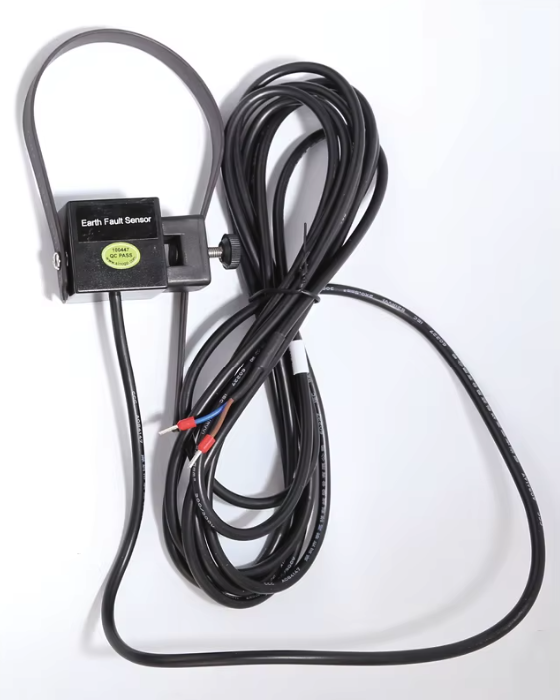
Battery Life Example From an Earth Fault Indicator
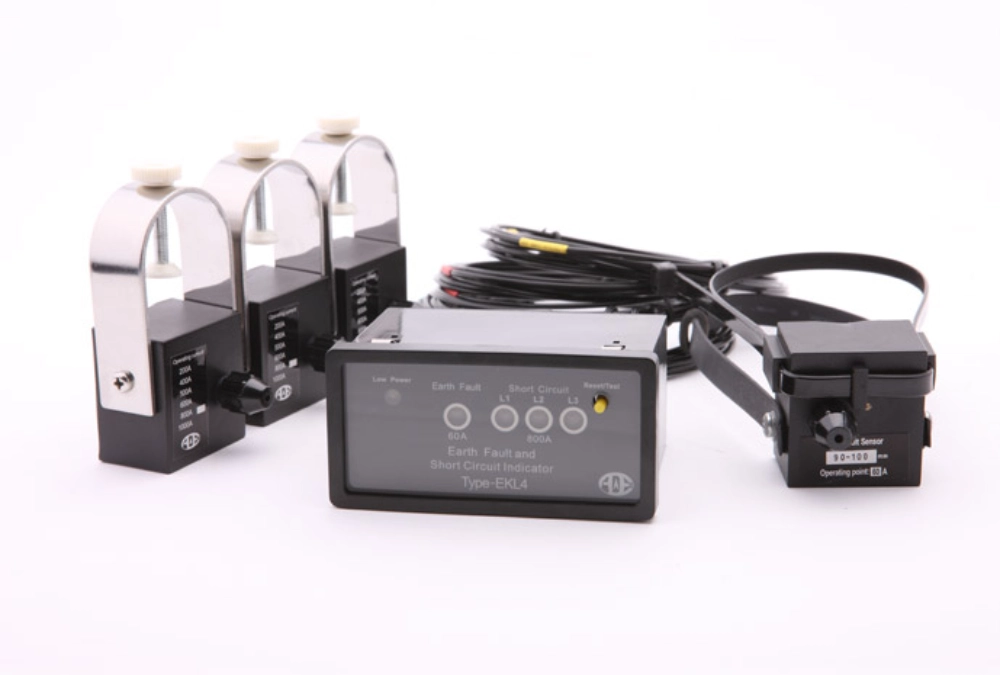
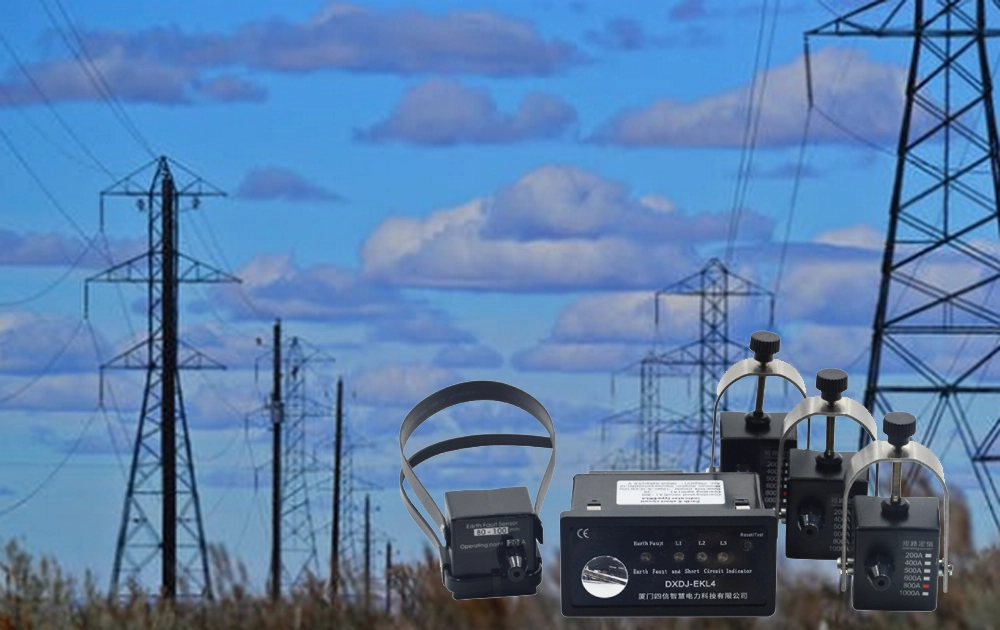
Some earth fault indicators use ER14505 lithium batteries to support long-term field operation. For example, the EKL4 Short-Circuit Grounding Fault Indicator specifies an ER14505 lithium battery with a stated service life of at least eight years. Its listed features include automatic reset and alarm relay output. The specified operating temperature range is −40°C to +75°C.
These specifications provide a practical reference for evaluating an actual product. However, the eight-year rating should not be applied automatically to other models. Installation conditions, operating settings, and battery characteristics may differ. Buyers should confirm the latest product datasheet and applicable operating conditions before making purchasing decisions.
What Affects Earth Fault Indicator Battery Life?
Several factors determine how long a battery can power an earth fault indicator. Battery chemistry matters, but power consumption and installation conditions are equally important. Understanding these factors helps maintenance teams estimate replacement intervals and reduce unexpected service interruptions.
Battery Chemistry and Capacity
Lithium batteries are commonly used in equipment requiring long standby periods and reliable field operation. Their suitability depends on the specific battery chemistry, capacity, discharge characteristics, and operating temperature. Low self-discharge can help preserve stored energy during extended standby periods.
Battery capacity alone does not determine service life. The connected circuit must also operate within the battery's intended electrical limits. A battery with higher capacity may provide longer operation, but only when its voltage and other characteristics are compatible. Buyers should verify the specified battery model rather than selecting a replacement based on physical size alone.
Operating Temperature and Installation Environment
Temperature can influence battery capacity, internal resistance, and long-term degradation. High temperatures may accelerate certain aging processes, while low temperatures can reduce available output during operation. The magnitude of these effects depends on the battery chemistry and manufacturer specifications.
Installation conditions also affect overall equipment reliability. Moisture, condensation, and inadequate sealing can damage electronic components or connections. These problems may cause abnormal operation that resembles a battery failure. For example, the EKL4 specifies an operating range of −40°C to +75°C. This range describes the equipment's stated operating capability, not a guarantee of identical battery performance throughout that range.
Fault Indication Frequency and Power Consumption
An earth fault indicator may consume different amounts of energy during standby and fault indication. LED activation, alarm circuits, and communication modules can increase consumption when active. Frequent fault events may therefore affect battery life, depending on the product's circuit design.
The following table summarizes the main operating conditions that buyers should evaluate.
| Operating factor | Potential effect on battery life | What to check |
|---|---|---|
| Standby power consumption | Continuous consumption gradually depletes stored energy | Manufacturer's standby current |
| LED indication | Repeated or prolonged activation may increase consumption | Flashing pattern and indication duration |
| Alarm relay output | Additional circuit activity may affect power demand | Output design and operating requirements |
| Communication functions | Frequent transmissions may increase energy consumption | Communication frequency and power source |
| Battery self-discharge | Stored energy decreases over time | Battery datasheet and storage conditions |
Not every indicator uses the same circuit arrangement. Some outputs may operate independently of the battery, while others rely on battery power. Confirming the electrical design is essential before estimating energy consumption.
Reset Settings and Monitoring Functions
Reset settings can influence how long an indicator remains in an active state. Automatic reset may clear a fault indication after a defined condition or interval. Manual reset requires an operator to clear the indication, depending on the device's design. Neither approach guarantees longer battery life without considering the actual circuit.
Monitoring functions also vary between models. Some indicators provide local visual alerts, while others support additional outputs or remote monitoring. Buyers should check whether these features operate continuously or only during specific events. The manufacturer's technical documentation should clarify their power requirements and configuration limits.
How to Tell When an Earth Fault Indicator Battery Needs Replacement
Battery condition should be assessed through the manufacturer's specified inspection and diagnostic procedures. Some products provide a low-battery warning or remote status information. Others require scheduled checks or specialist testing to assess battery condition.
A weak battery may cause inconsistent indication or unreliable operation. However, these symptoms can also result from wiring problems, sensor faults, incorrect settings, or damaged components. Maintenance personnel should investigate the complete system before concluding that the battery is responsible.
The following signs deserve attention during routine inspections:
- A dedicated low-battery warning appears, where supported.
- The indicator reports a battery or power supply fault.
- Indication or communication becomes inconsistent.
- The battery approaches its specified service interval.
- Inspection reveals corrosion, leakage, or damaged battery connections.
Battery replacement should follow the manufacturer's instructions. Isolate equipment where required, observe electrical safety procedures, and use an approved replacement battery. After replacement, perform the prescribed functional checks to confirm that fault indication and alarm outputs operate correctly.
How to Extend Earth Fault Indicator Battery Life
Extending battery life starts with correct product selection and installation. Equipment should operate within its specified environmental and electrical limits. Maintenance teams should also avoid unnecessary configuration changes that increase power consumption.
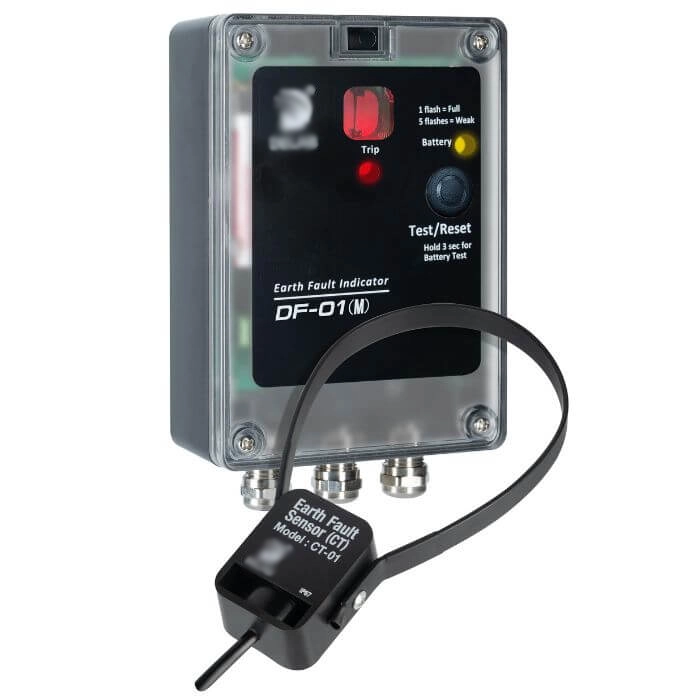
A practical maintenance plan should address the following areas:
- Check battery specifications: Use the approved battery type and verify its compatibility before installation.
- Review operating conditions: Confirm that ambient temperatures remain within the equipment's permitted range.
- Configure indication functions: Follow manufacturer recommendations for alarm duration, reset settings, and communication intervals.
- Inspect equipment regularly: Check device status, connections, enclosure condition, and available battery warnings.
- Maintain service records: Record installation dates, battery replacements, fault events, and inspection results.
- Follow replacement instructions: Use approved components and complete required functional tests after servicing.
Maintenance intervals should reflect manufacturer recommendations and actual operating conditions. Remote installations may require more careful planning because battery replacement can involve travel, access arrangements, and service interruptions. A documented maintenance schedule helps teams coordinate inspections and avoid unnecessary site visits.
How to Choose an Earth Fault Indicator With Long Battery Life
Battery life should be one part of a broader equipment selection process. A product with a long stated lifespan may not suit every distribution network or installation environment. Buyers should compare battery specifications, fault detection requirements, maintenance access, and total ownership costs.
The following comparison framework can help engineers evaluate different models.
| Selection criterion | Key question | Why it matters |
|---|---|---|
| Battery service life | What lifespan does the manufacturer specify? | Helps estimate replacement intervals |
| Power consumption | What are the standby and active operating requirements? | Supports more realistic battery estimates |
| Operating temperature | Does the rated range match the installation environment? | Helps maintain reliable operation |
| Fault detection | Does the device meet the network's detection requirements? | Ensures the indicator suits the application |
| Reset and alarm functions | Are the available functions compatible with operating procedures? | Supports effective fault response |
| Maintenance access | Can technicians inspect and replace the battery safely? | Influences maintenance effort and cost |
| Technical support | Are datasheets and replacement instructions available? | Simplifies long-term equipment management |
Buyers should also consider the difference between initial purchase price and long-term ownership cost. A suitable model may reduce replacement frequency and maintenance visits. However, those benefits depend on actual performance and installation conditions.
For medium-voltage distribution networks, the indicator must also match the intended fault detection method and system requirements. Battery longevity cannot compensate for unsuitable sensing performance or incompatible installation arrangements. Engineers should verify the full technical specification before approving a model for procurement.
Before purchasing, compare available earth fault indicator models and review their technical datasheets. Confirm battery specifications, fault indication functions, operating limits, and maintenance requirements to ensure the selected equipment meets the intended application.
Frequently Asked Questions About Earth Fault Indicator Battery Life
Can an Earth Fault Indicator Battery Last 10 Years or Longer?
Yes, some designs may support ten years of operation or longer under suitable conditions. However, the actual lifespan depends on battery chemistry, circuit consumption, temperature, and operating frequency. A long-life battery specification does not guarantee the same result in every installation.
Buyers should check the manufacturer's stated service life and any assumptions behind that figure. They should also consider battery self-discharge and the power requirements of alarms or communication functions. If the manufacturer specifies a shorter service interval, maintenance planning should follow that recommendation. A product's published lifespan is more useful when evaluated alongside its technical documentation and intended application.
Does Frequent Fault Indication Reduce Battery Life?
Frequent fault indication can reduce battery life when active operation increases energy consumption. LED flashing, alarm circuits, and communication activity may draw additional power. The actual impact depends on the indicator's design and the duration of each event.
Some indicators use low-power circuits to support extended standby operation. Others have different energy requirements because of their features. Maintenance teams should investigate repeated fault indications rather than assuming they are harmless. Recurring alarms may indicate genuine network problems that require attention. Consult the manufacturer's documentation for details about power consumption during standby and active indication.
Should an Earth Fault Indicator Battery Be Replaced on a Fixed Schedule?
A fixed replacement schedule can simplify maintenance planning, but the interval should follow the manufacturer's recommendations. Battery condition, installation temperature, operating frequency, and diagnostic functions may influence replacement decisions. Where low-battery monitoring is available, its warnings can provide additional maintenance information.
Do not wait for a battery to fail if reliable fault indication is essential to network operation. Maintain installation and replacement records, and inspect equipment according to the prescribed maintenance plan. Before replacing a battery, verify the specified type and follow the relevant safety procedures. After replacement, confirm that the indicator and its alarm functions operate correctly.
Conclusion
Earth fault indicator battery life depends on battery chemistry, operating temperature, power consumption, and equipment configuration. Correct installation and routine maintenance can help reduce unexpected battery problems. Buyers should evaluate the manufacturer's stated lifespan alongside the actual requirements of their distribution network.
Comparing battery specifications, fault detection functions, and maintenance requirements supports better purchasing decisions. Review the available earth fault indicator models and verify their latest technical datasheets before selecting equipment for your application.