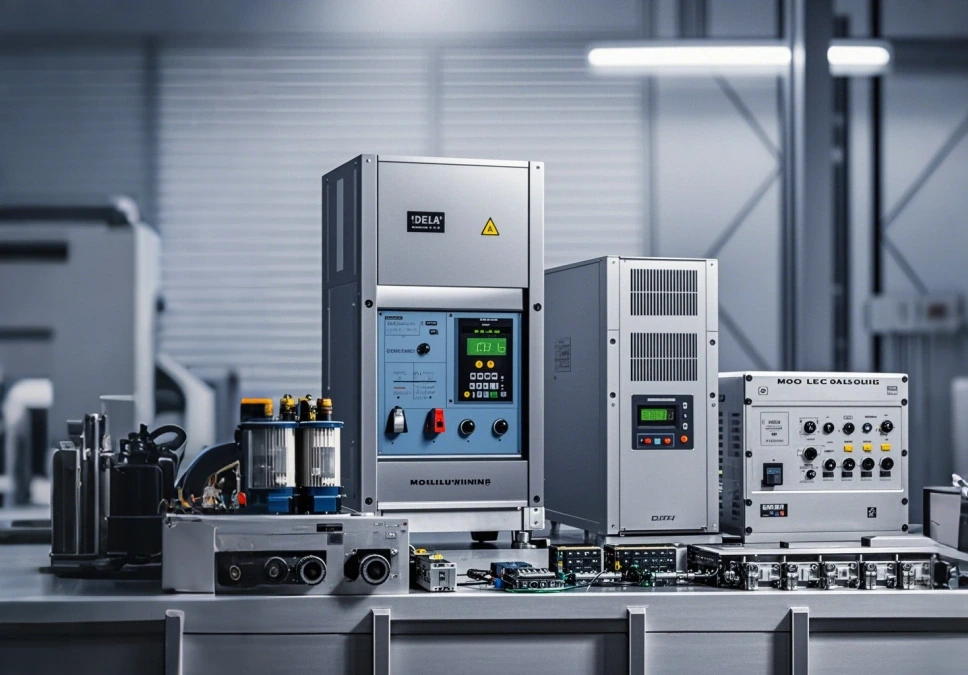
How Long Does An Industrial Silicone Heater Last?
Industrial silicone heater lifespan depends on design, load conditions, and environment in industrial heating systems.
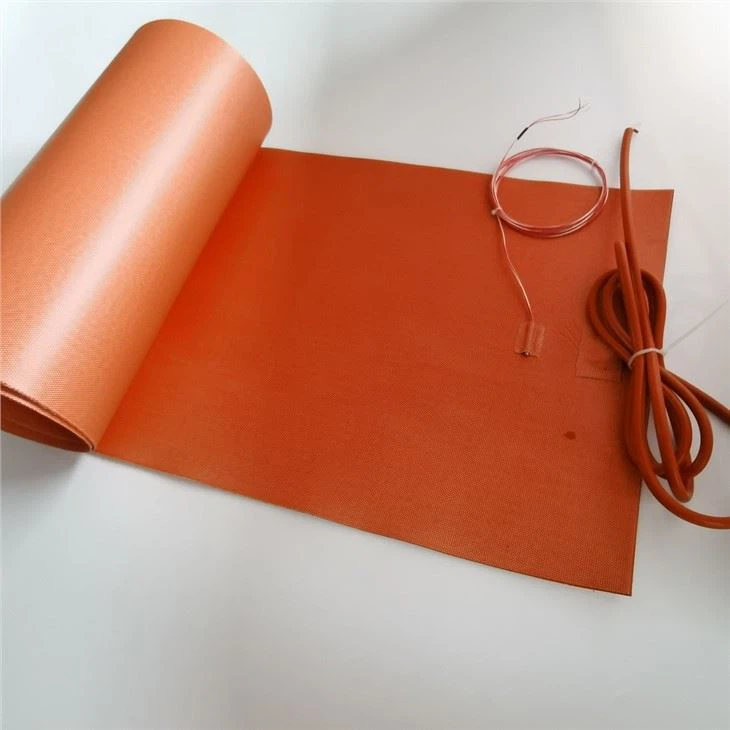
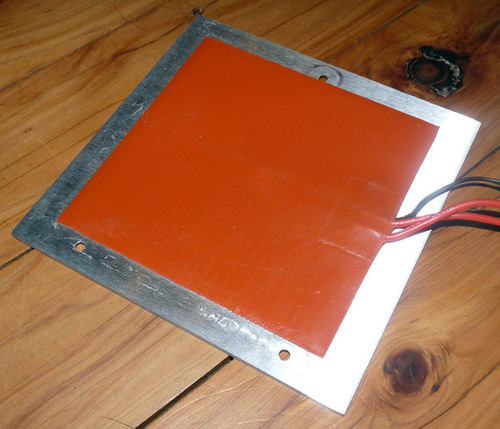
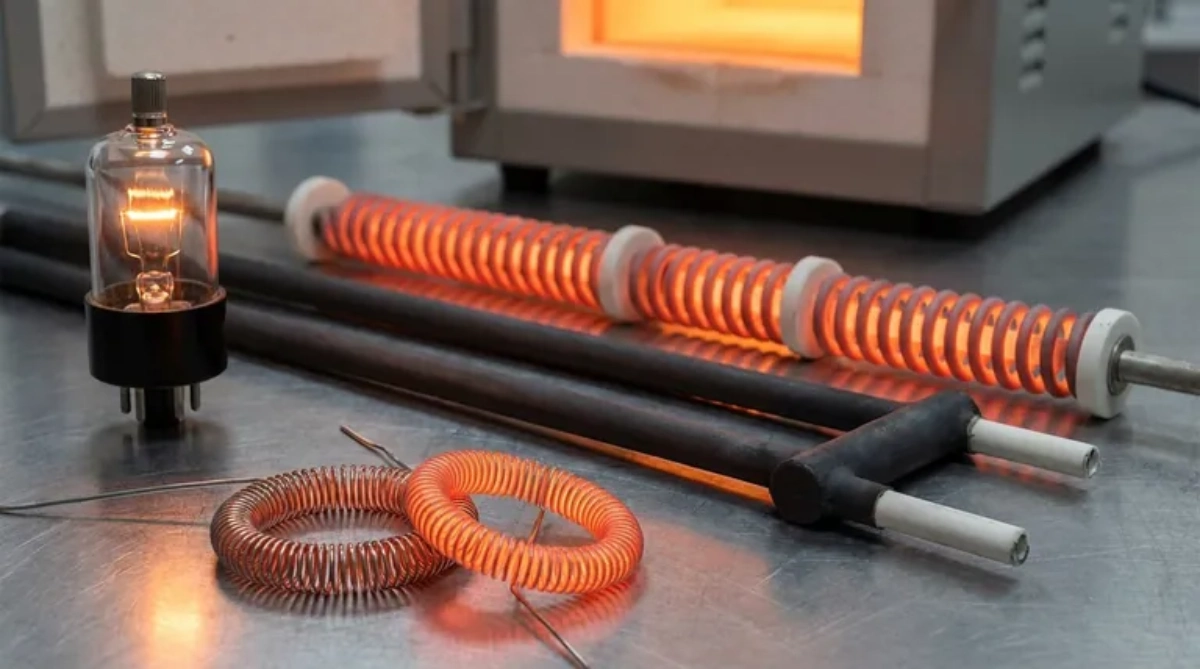
Industrial silicone heater lifespan defines how long heating elements maintain stable performance in industrial systems. Engineers evaluate service life through thermal endurance, electrical stability, and insulation integrity. Manufacturing plants depend on consistent heating output for process reliability, and long service life reduces replacement costs and production downtime. Proper design and controlled operation extend durability under continuous workloads, while industrial environments expose heaters to vibration, moisture, and thermal cycling stress. These conditions directly influence degradation speed and performance stability. Operators monitor resistance changes to predict failure risks early, while material selection plays a major role in long-term reliability. Silicone rubber provides flexibility and thermal resistance under harsh conditions, and this metric becomes a key design factor in system planning to ensure stable production output across applications.
Key factors affecting industrial silicone heater lifespan
Several technical factors determine durability in industrial heating systems. Thermal load significantly impacts insulation aging and resistance drift, while voltage fluctuation increases stress on conductive heating elements. Poor installation creates uneven heat distribution across surfaces, and mechanical pressure affects bonding layers and internal wiring stability. Frequent start-stop cycles accelerate thermal fatigue inside silicone layers, while dust accumulation reduces heat transfer efficiency over time. Chemical exposure damages protective coatings in harsh environments, so proper load matching improves long-term performance stability. Cooling cycles must remain consistent to avoid thermal shock damage, and system longevity depends heavily on operational discipline because stable electrical input ensures predictable heating behavior in production systems. This directly influences industrial silicone heater lifespan.
Real applications of industrial silicone heater lifespan
This performance indicator varies across industrial application environments because automation systems require stable heating for sensor and process control while packaging machinery relies on consistent sealing temperature output. Food processing equipment demands precise thermal regulation for safety compliance, and plastic molding systems operate under high thermal cycling conditions. Each application introduces different stress levels on heating elements, and continuous operation reduces service life compared to intermittent usage. Heavy-duty environments accelerate insulation wear and resistance changes, while light industrial systems extend heater performance due to lower stress. Maintenance frequency directly affects operational longevity and reliability, so proper selection must match production cycle requirements to ensure balanced performance across diverse industrial workloads.
Material composition and silicone rubber structure
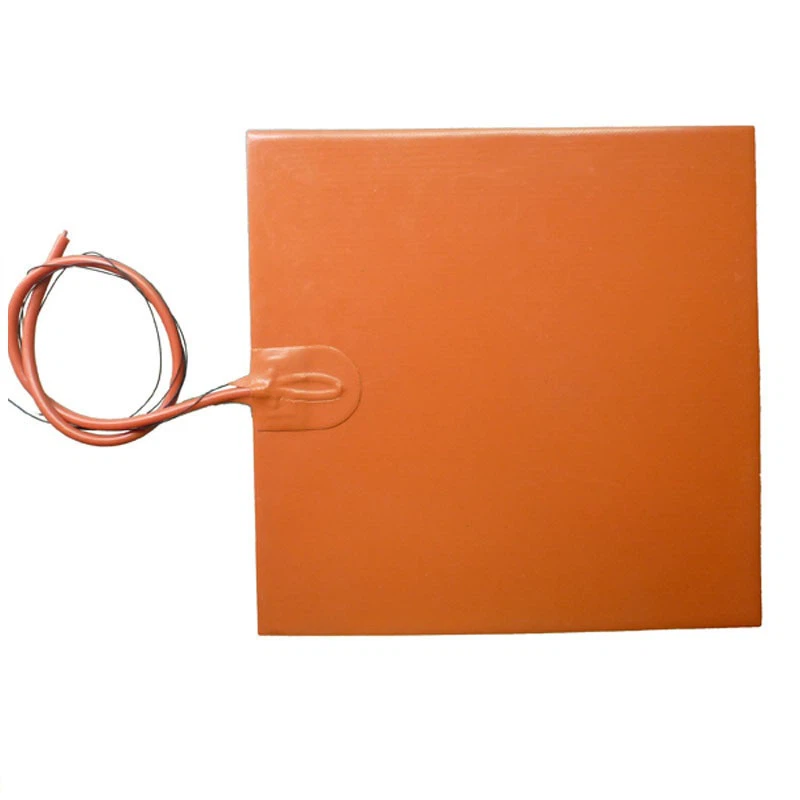
Silicone rubber forms the core insulating layer in heating systems, while fiberglass reinforcement increases mechanical strength and thermal stability. Conductive wire patterns distribute heat evenly across surfaces, and adhesive bonding layers secure structure under repeated thermal expansion. High-grade silicone resists oxidation at elevated temperatures, and material purity influences dielectric strength and insulation reliability. Flexible structure allows installation on curved industrial surfaces, while thermal conductivity remains stable under controlled operating conditions. Layered construction prevents localized overheating during operation, and manufacturers optimize material blends for extended service performance. Each material layer contributes to long-term durability because structural integrity ensures consistent heat output in demanding environments. industrial silicone heater lifespan.
Operating temperature range and thermal cycling stress
Temperature range defines operational limits of heating systems because exceeding rated temperature accelerates insulation degradation processes. Thermal cycling introduces expansion and contraction stress repeatedly, and frequent temperature changes weaken bonding between material layers. Stable temperature control reduces mechanical fatigue inside heater structure, while overheating creates localized hotspots that damage conductive paths. Cooling periods help stabilize internal material stress levels, and industrial systems require precise thermal regulation for safety. Controlled heating cycles extend operational reliability significantly, and temperature consistency improves overall energy efficiency performance. Reduced cycling stress improves stability, while balanced thermal operation ensures long-term structural reliability in demanding industrial environments. industrial silicone heater lifespan.
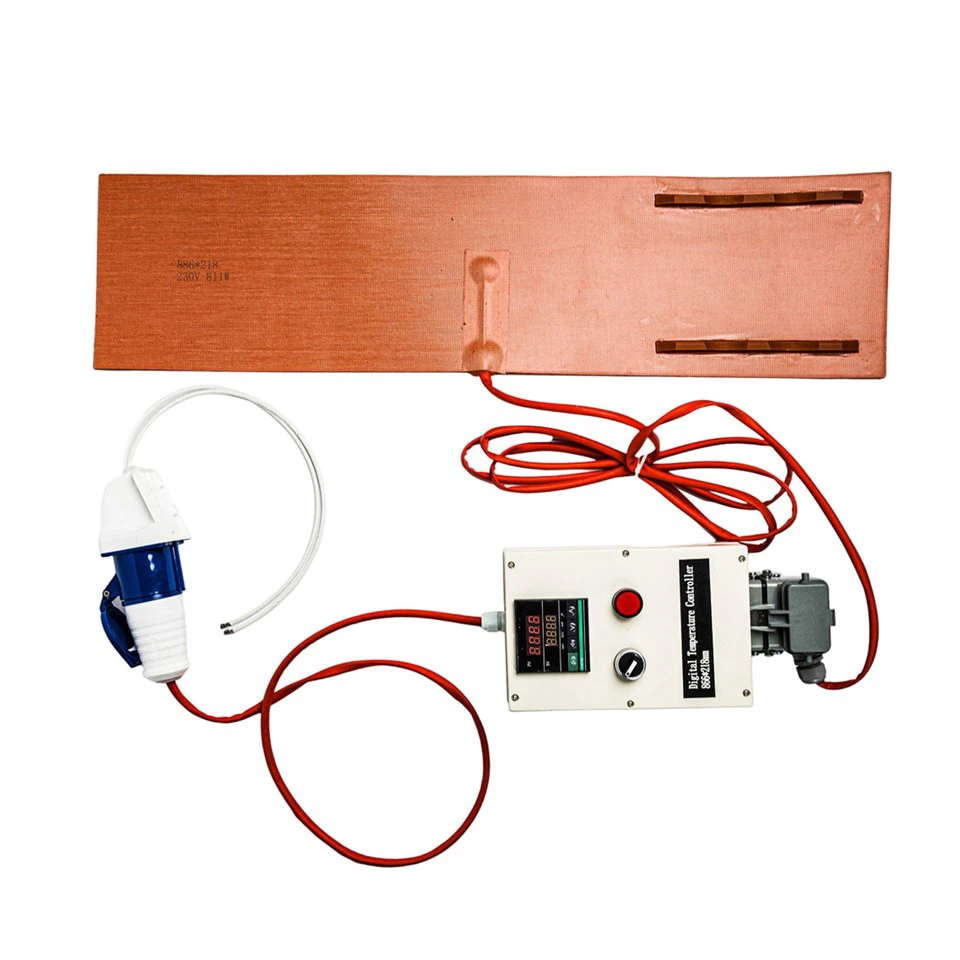
Electrical load stability and insulation aging
Electrical stability directly affects heater performance and safety because unstable current increases dielectric stress across insulation layers. Resistance drift indicates early aging inside conductive elements, while high power density accelerates material fatigue over time. Voltage spikes damage internal wiring integrity significantly, and proper circuit design minimizes overload risks in operation. Insulation breakdown occurs under prolonged electrical stress, while stable load distribution ensures uniform heat generation. Monitoring resistance values helps predict failure timing, and electrical protection systems enhance operational reliability significantly. Controlled electrical input improves consistency, while steady power conditions ensure long-term industrial heating performance stability.
Environmental exposure in industrial heating systems
Industrial environments expose heaters to multiple external risks because moisture penetration reduces insulation resistance over time. Oil contamination affects surface heat transfer efficiency, while chemical exposure damages protective silicone coatings gradually. Dust accumulation restricts proper thermal dissipation, and vibration weakens mechanical bonding between structural layers. Harsh environments accelerate material aging significantly, while protective enclosures improve operational stability in factories. Regular cleaning prevents surface degradation and performance loss, and environmental control systems support longer equipment life. Exposure severity directly impacts durability outcomes, so controlled environments significantly improve long-term operational stability.
| Operating Condition | Expected Service Range | Degradation Speed |
|---|---|---|
| Light industrial use | High stability operation | Slow aging process |
| Medium industrial use | Moderate duty cycles | Balanced wear rate |
| Heavy industrial use | Continuous high load | Fast material fatigue |
Operating conditions strongly influence heater durability outcomes because light use environments maintain stable thermal and electrical balance while medium use introduces moderate stress on structural components. Heavy use accelerates degradation through constant thermal cycling, and proper system selection ensures balanced performance across workloads. This comparison helps engineers plan maintenance schedules effectively, improving operational stability and cost efficiency in industrial heating systems.
Maintenance strategies to extend service life
Regular inspection identifies early signs of performance decline because cleaning removes dust and oil contamination from surfaces. Electrical testing detects resistance drift and insulation faults, while proper storage prevents moisture damage during downtime periods. Scheduled replacement avoids unexpected production interruptions, and calibration of temperature controllers ensures stable operation. Loose wiring must be corrected immediately for safety, while preventive maintenance reduces long-term operational costs. Visual inspection reveals cracks or surface deformation early, and maintenance planning supports continuous industrial productivity. Consistent upkeep improves system stability and extends operational reliability across industrial environments.
Failure modes and diagnostic indicators
Hot spots indicate uneven heat distribution inside elements, while insulation cracks appear under repeated thermal stress cycles. Resistance deviation signals internal conductor degradation, and burn marks show localized overheating issues. Electrical instability suggests wiring damage or poor contact, while performance drop often precedes complete system failure. Early detection prevents catastrophic production downtime, and thermal imaging helps identify hidden defects quickly. Regular diagnostics improve operational safety significantly, while failure patterns vary depending on application intensity. Accurate diagnosis supports timely replacement decisions and prevents unexpected system breakdowns in industrial operations.
| Installation Factor | Best Practice | Risk if Ignored |
|---|---|---|
| Mounting pressure | Even surface contact | Hotspot formation |
| Wiring setup | Secure insulated connections | Electrical failure |
| Temperature control | Stable regulation system | Thermal overload |
Installation quality directly influences operational stability because proper mounting ensures even heat distribution across surfaces while incorrect wiring increases electrical failure risks significantly. Temperature control systems prevent overheating conditions effectively, and each factor contributes to long-term system reliability. Engineers must follow strict installation standards consistently, while proper setup enhances operational safety and efficiency in industrial environments.
Installation standards and reliability optimization
Correct installation ensures stable thermal performance across systems because surface preparation improves adhesion and heat transfer efficiency. Even pressure distribution prevents localized overheating zones, while wiring insulation protects against electrical short circuits. Temperature controllers stabilize operational heating cycles, and mounting alignment ensures consistent contact across surfaces. Safety testing confirms proper system integration before use, while load calibration matches heater capacity with system demand. Regular verification maintains installation integrity over time, and proper standards reduce unexpected operational failures significantly. Reliable setup ensures long-term industrial performance stability across heating applications.
FAQ
How To Select Right Industrial Silicone Heater Specs?
Selection starts with required operating temperature, since every process needs a stable thermal target. Engineers then match heater shape to the installation surface to ensure full contact and efficient heat transfer. Power density must stay balanced, because too high causes burnout while too low reduces heating stability. Voltage compatibility ensures safe electrical integration. Environmental conditions like moisture, oil, and vibration influence material and insulation choice. Control system compatibility is also important for stable regulation. Safety margin design prevents overload, and proper specification balance ensures reliable performance and longer service life in industrial applications.
What are the main causes of early heater failure?
Electrical instability remains a major failure contributor in systems because overheating damages insulation layers and conductive paths while poor installation creates uneven stress distribution. Chemical exposure accelerates surface degradation significantly, and moisture intrusion reduces dielectric strength over time. Mechanical vibration weakens internal bonding structures, while frequent cycling increases thermal fatigue accumulation. Improper load sizing leads to excessive strain, and lack of maintenance allows hidden defects to grow. Early detection prevents severe system breakdowns, and controlled operation minimizes premature failure risks in industrial heating applications.
How can industrial operators maximize heater service life?
Operators must maintain stable voltage and load conditions because temperature control systems should remain accurately calibrated. Routine inspections detect early-stage degradation effectively, while proper cleaning removes contaminants that reduce efficiency. Correct installation ensures even thermal distribution, and avoiding overload prevents insulation breakdown risks. Environmental protection reduces external damage factors, while scheduled maintenance improves long-term reliability significantly. Monitoring resistance values supports predictive maintenance strategies, and training operators improves handling and safety practices. Systematic management ensures stable industrial heating performance and maximizes operational longevity in demanding environments.