How Much Power Does A Switchgear Light Consume?
Compare switchgear light power consumption by wattage, operating hours, and controls to calculate annual energy use and electricity costs.
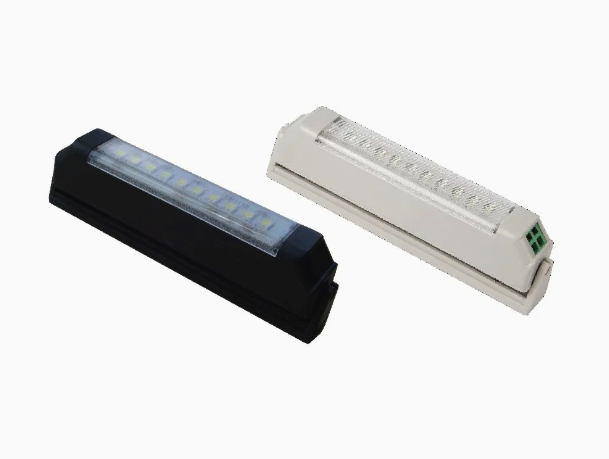
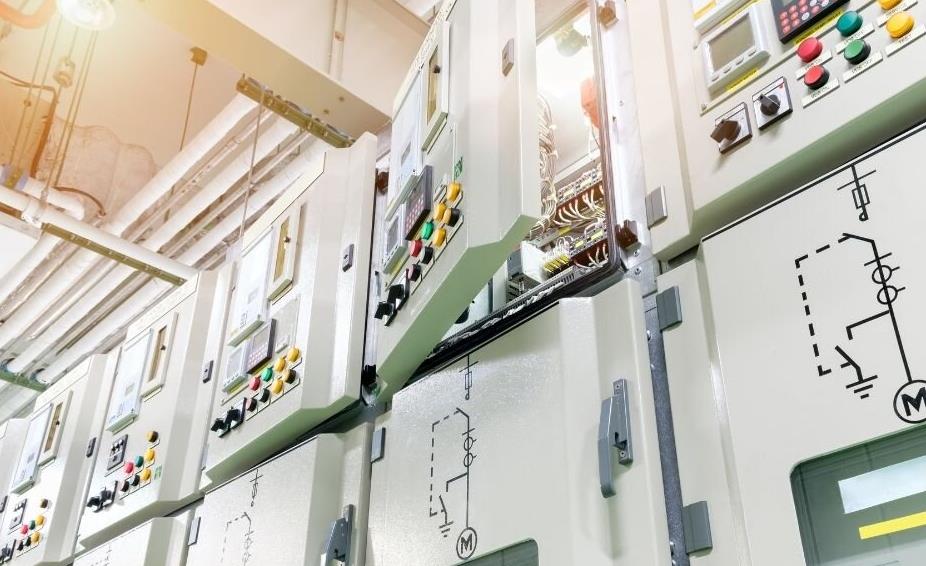
Switchgear light power consumption depends on lamp wattage, operating hours, and control methods. Most cabinet lighting uses low-power LED fixtures for inspection and maintenance tasks. However, actual energy use varies with enclosure design and operating procedures. A 5W lamp running continuously consumes more electricity than one activated briefly each day. Buyers should compare rated power with realistic daily usage before selecting lighting equipment. They should also consider visibility, electrical compatibility, temperature limits, and installation requirements. A lower-wattage fixture may reduce energy use, but insufficient illumination can create inspection difficulties. The best selection balances lighting performance, operating conditions, and electricity costs. Simple calculations help maintenance teams estimate annual consumption and compare different lighting arrangements. These estimates also reveal opportunities to reduce unnecessary operating hours.
What Determines Switchgear Light Power Consumption?
Several factors determine how much electricity a cabinet lighting fixture uses. Rated wattage indicates its electrical power demand under specified operating conditions. Operating hours determine how long the fixture draws power each day. Control methods can reduce usage when technicians do not need continuous illumination. LED efficiency also affects the light output available from each watt. Cabinet dimensions and internal obstructions influence the number and placement of fixtures. Environmental conditions matter because excessive heat can affect lighting performance and service life. Engineers should check rated voltage, power consumption, mounting dimensions, and environmental protection requirements. Procurement teams should also distinguish nominal lamp power from the total input of an assembly. These checks create a reliable basis for comparing suitable products.
How Many Watts Does a Switchgear Light Typically Use?
| Rated power | Energy used in 8 hours | Energy used in 24 hours |
|---|---|---|
| 2W | 0.016 kWh | 0.048 kWh |
| 3W | 0.024 kWh | 0.072 kWh |
| 5W | 0.040 kWh | 0.120 kWh |
| 8W | 0.064 kWh | 0.192 kWh |
| 10W | 0.080 kWh | 0.240 kWh |
These figures illustrate how wattage affects daily electricity use under different operating schedules. Actual switchgear light power consumption depends on the fixture's rated input and operating duration. A 3W lamp may suit a compact cabinet with limited inspection requirements. Larger enclosures or areas with internal obstructions may need stronger illumination or multiple fixtures. Engineers should evaluate visibility instead of selecting products by wattage alone. They should also confirm whether product specifications describe lamp power or complete fixture input. Driver losses, indicator functions, and additional electrical components may affect total demand. Manufacturers' specifications provide the appropriate basis for final calculations. Treat these values as examples, not universal measurements for every cabinet lighting product.
How to Calculate Switchgear Light Power Consumption
Use a simple formula to estimate electrical energy consumption over a selected period. Multiply the rated power in watts by operating hours, then divide the result by 1,000. The answer represents energy consumption in kilowatt-hours (kWh). For example, a 5W fixture operating eight hours daily uses 0.04 kWh per day. Multiplying that result by 365 gives 14.6 kWh annually. A continuously operating 5W fixture uses 0.12 kWh daily and 43.8 kWh annually. These calculations assume constant rated input and exclude changes caused by operating conditions. For multiple fixtures, multiply the consumption of one fixture by the number installed. Teams can then compare lighting schedules and estimate potential savings. Keep the wattage, operating hours, and calculation period consistent across every comparison.
How Do Operating Hours Affect Annual Electricity Use?
| Daily operating time | Annual consumption for a 5W light | Annual cost at $0.15/kWh |
|---|---|---|
| 0.5 hours | 0.9125 kWh | $0.14 |
| 2 hours | 3.65 kWh | $0.55 |
| 8 hours | 14.6 kWh | $2.19 |
| 24 hours | 43.8 kWh | $6.57 |
The table shows how operating schedules influence annual electricity use for one 5W fixture. Continuous operation produces substantially higher consumption than occasional inspection lighting. Actual switchgear light power consumption therefore depends heavily on how technicians access and inspect equipment. Cabinets opened only during scheduled maintenance may not require lights throughout the day. Facilities with frequent switching operations may need longer illumination periods. Door switches can activate lighting when technicians open an enclosure and turn it off afterward. Motion sensors or manual controls may offer alternatives, depending on the application. Engineers should assess access frequency before choosing a control method. They must also confirm that automatic switching will not interrupt any required monitoring or maintenance procedure.
How Does LED Technology Reduce Energy Use?
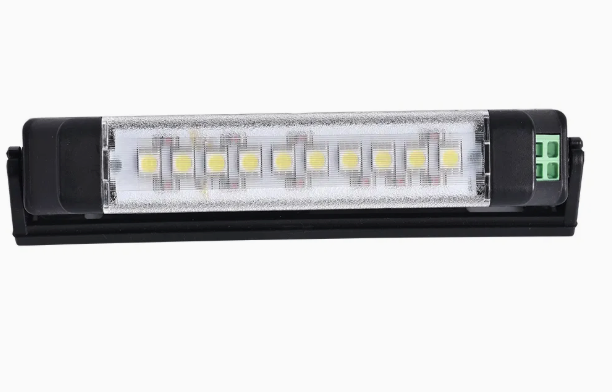
LED fixtures can provide useful cabinet illumination with relatively low electrical input. Their suitability depends on light output, beam distribution, thermal design, and installation conditions. Engineers should compare measured or specified light output rather than wattage alone. A lower-power fixture may not provide adequate visibility if its beam misses important inspection points. Thermal management also matters because excessive operating temperatures can shorten component life. The CM-L3 Explosion-Proof Cabinet Light for Switchgear may be considered where its intended application and certified specifications match the installation. Buyers should verify its ratings instead of assuming every fixture suits every enclosure. Check the operating voltage, temperature range, protection rating, and mounting requirements. A suitable LED design can combine practical visibility with controlled energy demand. Product selection should always follow the equipment's actual environment and safety requirements.
How Do Control Methods Change Energy Consumption?
Different control methods affect how long cabinet lighting remains energized. Common options include the following:
- Door-operated switches: Activate the light when the cabinet door opens.
- Manual switches: Let authorized personnel control illumination directly.
- Motion sensors: Detect movement where the application supports reliable sensor operation.
- Continuous operation: Keeps the fixture energized when procedures require constant lighting.
Each method suits different maintenance routines and equipment arrangements. Door-operated switching often works well when technicians need light only during cabinet access. Manual controls provide direct operation but depend on consistent user behavior. Sensors may reduce unnecessary usage, although placement and detection reliability require evaluation. Continuous operation remains appropriate when the installation demands uninterrupted illumination. Engineers should review electrical interlocking and maintenance procedures before implementing automatic controls. They should also confirm that switching components match the lamp's voltage and load. A control method should reduce wasted energy without compromising access, inspection quality, or operational safety.
What Drives Switchgear Light Power Consumption Costs?
Electricity cost depends on energy consumption and the applicable electricity rate. Multiply annual kilowatt-hours by the cost per kilowatt-hour to estimate yearly expenditure. For example, a fixture using 43.8 kWh annually costs $6.57 at $0.15 per kWh. This estimate covers electricity only and excludes purchase, installation, and replacement expenses. Across many cabinets, small differences can become more significant when operating hours remain high. Facilities should calculate costs using their actual electricity tariffs and operating schedules. They should also compare the expected service life and maintenance needs of candidate fixtures. A low purchase price does not automatically indicate the lowest lifetime cost. Conversely, a premium fixture may not deliver worthwhile savings in a rarely opened cabinet. A consistent calculation method helps buyers compare realistic alternatives.
How Does Cabinet Design Affect Lighting Efficiency?
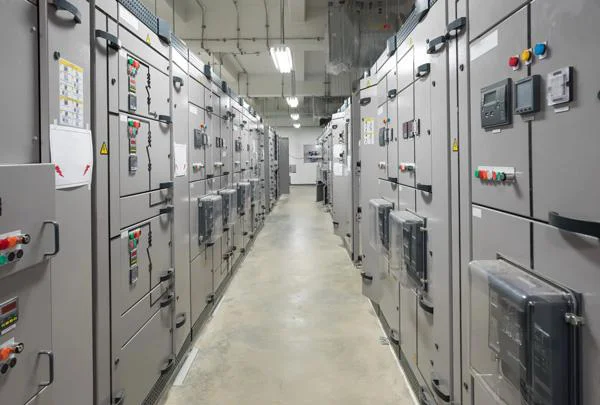
Cabinet geometry influences how effectively a lamp illuminates components and inspection points. Deep enclosures may create shadows behind circuit breakers, wiring ducts, and structural partitions. Closely arranged components can obstruct light from a centrally mounted fixture. Engineers should position lamps to illuminate areas requiring regular inspection. Upper mounting may work well in some designs, while side mounting may improve visibility elsewhere. Cable routing and door movement must not interfere with the fixture. A suitable layout can reduce the need for additional lamps without sacrificing visibility. Engineers should also consider ambient temperature, dust, moisture, and vibration. The CM-1 Cabinet Light for Switchgear may suit compatible applications when its specifications match the installation. Buyers should verify voltage, mounting dimensions, and environmental ratings before approval. These checks help prevent avoidable replacements and installation problems.
What Practical Case Shows the Effect of Lighting Controls?
Consider an illustrative facility with 120 cabinets, each containing one 5W light. This example demonstrates potential savings and does not represent a verified field measurement. If every light operates continuously, annual energy consumption reaches 5,256 kWh. At an assumed rate of $0.15 per kWh, the annual electricity cost equals $788.40. If each light operates two hours daily, annual consumption falls to 438 kWh. The corresponding electricity cost becomes $65.70. This schedule reduces consumption by 4,818 kWh and saves approximately $722.70 annually. Actual results depend on cabinet access, fixture input, control reliability, and local electricity prices. Facilities should measure typical usage before applying these estimates to a larger installation. A pilot test can validate assumptions and reveal practical maintenance requirements.
How Can Maintenance Teams Reduce Unnecessary Lighting Consumption?
Maintenance teams can reduce wasted electricity through routine inspections and practical operating procedures. First, verify that door switches turn lights off when cabinets close. Next, check whether technicians leave manually controlled fixtures energized after completing their work. Inspect mounting hardware, wiring, and connectors for signs of damage or looseness. Clean fixtures according to manufacturer instructions when dust reduces useful illumination. Replace failed lamps with compatible products that meet the required electrical specifications. Teams should also record operating schedules when investigating unexpectedly high consumption. A simple audit can identify cabinets that remain illuminated unnecessarily. However, reducing operating time should never compromise safe inspection or required visibility. Maintenance managers should document control settings and communicate procedures to relevant personnel. Periodic reviews help keep lighting arrangements efficient as equipment usage changes.
How Should Engineers Select an Energy-Efficient Switchgear Light?
Engineers should begin by identifying the cabinet's electrical and environmental requirements. Confirm the supply voltage and whether the application uses AC or DC power. Then evaluate light output, beam distribution, mounting space, and operating temperature. Check protection ratings against the cabinet's actual exposure to dust and moisture. Confirm any required certifications for hazardous or specialized environments. Compare rated input power alongside expected daily operating hours. Review whether door switches, manual controls, or sensors fit the maintenance workflow. Ask suppliers for technical datasheets, dimensional drawings, and installation instructions. For larger projects, verify sample performance before approving a production order. Procurement teams should also review availability, replacement procedures, and expected service life. The most suitable fixture combines reliable illumination, compatible construction, and reasonable lifetime operating costs.
Frequently Asked Questions
Does a Switchgear Light Consume Electricity When the Cabinet Door Is Closed?
A switchgear light consumes electricity whenever it remains energized, even if the cabinet door stays closed. The result depends on the installed control arrangement. A continuously powered fixture can remain on until someone switches it off. A correctly installed door-operated switch can disconnect the light when the door closes. However, actual behavior depends on the wiring and switch configuration. Technicians should verify operation during commissioning and routine maintenance. They should also confirm that the switching arrangement meets applicable equipment requirements. Do not assume a light automatically turns off simply because the cabinet door is closed. Check the product documentation and test the installed circuit.