
Medium Voltage Switchgear Light: Functions And Selection
Medium voltage switchgear light selection: compare voltage, control methods, mounting, environmental requirements, and maintenance needs.
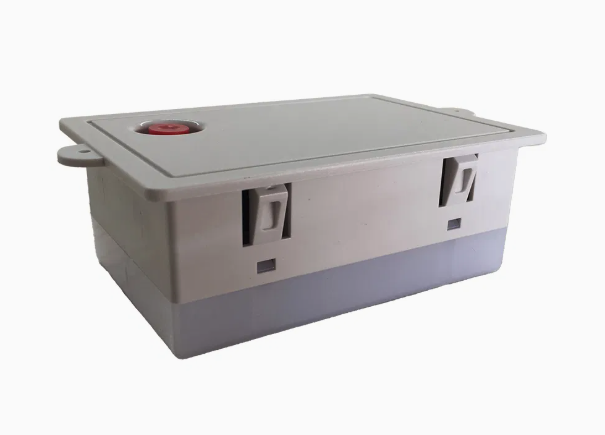
Medium voltage switchgear light systems provide illumination inside electrical cabinets during inspection, testing, and maintenance. They help technicians identify terminals, read instrument labels, and observe equipment conditions in enclosed compartments. However, choosing a suitable light requires more than checking brightness or power consumption. The lamp must match the cabinet’s auxiliary supply, mounting space, control method, and operating environment.
Medium voltage switchgear contains circuit breakers, busbars, protection devices, and other electrical components. Its internal layout can make some inspection areas difficult to see without dedicated lighting. A suitable cabinet light improves visibility while keeping the installation compact and practical. This article covers the main functions, control methods, selection criteria, and maintenance considerations for switchgear lighting.
What Is a Medium Voltage Switchgear Light?
A medium voltage switchgear light is an auxiliary lighting device installed inside an electrical cabinet or switchgear compartment. It illuminates internal components without performing the primary functions of switching, protection, or electrical isolation. Depending on the cabinet design, the lamp may be installed in an instrument compartment, secondary compartment, or another designated inspection area.
Unlike general room lighting, cabinet lighting must work within limited space and alongside electrical equipment. Its dimensions, wiring arrangement, and operating temperature therefore require careful consideration. Some applications use conventional cabinet lamps, while others use compact LED designs with lower power consumption. The appropriate option depends on the cabinet structure and project specifications.
Where Is the Light Installed Inside Switchgear?
The installation position depends on the internal arrangement of the switchgear. A lamp may illuminate meters, terminal blocks, relay panels, wiring connections, or operating mechanisms. Its position should provide useful light without obstructing moving parts, removable components, or maintenance access.
Cabinet designers should also consider shadows created by cable ducts, partitions, and installed equipment. A lamp positioned too close to one surface may leave important inspection areas poorly illuminated. Reviewing the cabinet drawings before installation helps identify suitable mounting locations and cable routes.
Why Is Internal Cabinet Lighting Important?
Internal lighting helps technicians inspect equipment in enclosed compartments without relying entirely on temporary work lights. Clear visibility makes it easier to read component labels, identify terminal numbers, and observe mechanical positions. It can also reduce the time needed for routine inspection and troubleshooting.
Lighting does not replace electrical safety procedures. Technicians must still follow the required isolation, verification, grounding, and access procedures before working inside switchgear. The lamp is an inspection aid, not a device that makes energized equipment safe to approach.
Key Functions of Medium Voltage Switchgear Lighting
The primary purpose of switchgear lighting is to improve visibility where the cabinet structure limits access to natural or room lighting. Its value becomes more apparent during commissioning, scheduled maintenance, and fault investigation.
Improving Visibility During Inspection and Maintenance
Technicians often need to inspect terminal connections, wiring labels, instrument readings, and protective relays. Poor lighting can make these tasks slower, especially in deep cabinets with several mounting levels. A correctly positioned lamp helps illuminate the working area and improves the visibility of small markings.
Lighting performance depends on both light output and distribution. A high-output lamp may still create dark areas if its beam is poorly directed. Buyers should therefore consider the actual inspection area, mounting position, and potential obstructions rather than selecting a product by wattage alone.
Supporting More Efficient Maintenance
Integrated cabinet lighting reduces the need to position temporary lamps during routine service. This can simplify access to compact compartments and help maintenance teams organize their work. Low-power lighting can also limit the additional electrical load on the auxiliary supply.
For frequently inspected equipment, reliable switching and convenient replacement are important considerations. A practical design should allow authorized personnel to inspect or replace the light without unnecessary changes to the cabinet layout.
Common Control Methods for Switchgear Lights
The control method determines when the lamp operates and how technicians activate it. Cabinet design, maintenance procedures, and the available control circuit influence the choice.
Door-Operated Cabinet Lighting
A door-operated system uses a suitable switch to control the lamp when the cabinet door opens or closes. Opening the door activates the light, while closing it switches the light off, provided the control circuit is designed accordingly.
This arrangement offers convenient illumination during inspection and helps prevent unnecessary operation when the cabinet remains closed. However, the door switch must be compatible with the cabinet structure and installed in a position that allows reliable actuation.
Manual Switching
Manual control allows authorized personnel to switch the lamp on or off independently. It may suit installations where lighting is needed only during specific tasks or where the cabinet design does not support automatic door control.
The switch should be accessible without interfering with equipment operation. Designers must also ensure that the switching arrangement matches the lamp’s electrical rating and the approved cabinet wiring diagram. The final choice should reflect the actual maintenance workflow rather than convenience alone.
How to Choose a Medium Voltage Switchgear Light
Selecting the right lamp requires a review of electrical, mechanical, and environmental requirements. A product that fits physically may still be unsuitable if its voltage range or operating temperature does not match the installation.
Check the Rated Voltage and Power Supply
The light normally connects to an auxiliary circuit rather than the switchgear’s primary medium-voltage circuit. Buyers should confirm the available supply, including its voltage, AC or DC type, and frequency where applicable. The lamp’s rated input must match the approved electrical design.
For example, the CM-1 Cabinet Light for Switchgear lists AC 220 V, 50 Hz input, with 25 W, 40 W, and 60 W options. The CM-L2 Cabinet LED Light accepts AC/DC 85–240 V and consumes approximately 3.3 W. These specifications illustrate how different cabinet lights can serve different electrical designs. They are examples, not interchangeable recommendations.
Evaluate Size, Mounting, and Wiring
The lamp must fit the available mounting area without interfering with breakers, cable ducts, partitions, or moving mechanisms. Buyers should check product dimensions and installation drawings before finalizing the cabinet layout.
Wiring requirements also deserve attention. The selected light should support the intended terminal arrangement, cable routing, and switching method. Conductors must remain clear of moving components and unsuitable heat sources. For replacement projects, confirm mechanical dimensions and electrical compatibility rather than relying on the appearance of the existing lamp.
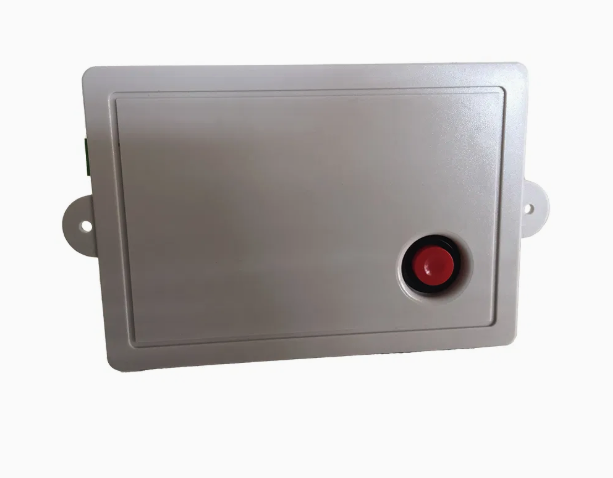
Consider Materials and Environmental Conditions
Cabinet temperature, dust exposure, moisture, and mechanical conditions can affect lighting performance. The housing and light source should suit the intended installation environment. Buyers should also check the specified operating temperature range and ingress protection rating.
For example, the CM-L3 Explosion-Proof Cabinet Light lists an aluminum-alloy housing, AC/DC 48–230 V input, power consumption of no more than 2.5 W, and an operating range of −25°C to +50°C. Its listed protection rating is IP20. The product name alone does not establish suitability for a hazardous area. Buyers requiring certified explosion protection should verify the applicable certification and installation requirements before selection.
Compare Common Switchgear Light Specifications
The following examples illustrate how published specifications can support an initial comparison.
| Specification | CM-1 | CM-L2 | LL10-W |
|---|---|---|---|
| Light source | Refer to product documentation | LED | LED |
| Input supply | AC 220 V, 50 Hz | AC/DC 85–240 V | AC/DC 110–230 V |
| Power consumption | 25 W, 40 W, or 60 W | About 3.3 W | About 2.2 W |
| Light output | Refer to product documentation | About 70 lm | About 70 lm |
| Operating temperature | Confirm with supplier | −45°C to +50°C | −25°C to +50°C |
| Protection rating | Confirm with supplier | IP20 | IP20 |
The comparison shows why wattage alone cannot determine suitability. Supply compatibility, operating temperature, light distribution, mounting dimensions, and protection requirements must also be considered. The best option is the one that meets the complete cabinet specification.
Installation and Maintenance Considerations
Correct installation helps maintain reliable illumination throughout the cabinet’s service life. It also reduces the likelihood of avoidable wiring problems and interference with electrical equipment.
Verify Installation and Electrical Compatibility
Before installation, review the cabinet drawings, auxiliary supply, lamp dimensions, mounting arrangement, and wiring diagram. Confirm that the selected light and its control components are compatible with the intended circuit. Check whether the design requires a door-operated switch or independent manual control.
The mounting position should illuminate the required inspection area without obstructing equipment access. Wiring should be secured and routed away from moving mechanisms and unsuitable heat sources. Installation and testing must follow the equipment manufacturer’s instructions and applicable electrical safety procedures. Work inside medium-voltage switchgear should be performed only by qualified personnel under the required safe-work conditions.
Inspect and Replace Cabinet Lights
Routine inspections can identify failed light sources, damaged housings, loose connections, or malfunctioning switches. A lamp that flickers or fails to illuminate may have a supply problem, a wiring fault, or a failed component. Troubleshooting should begin only after the appropriate electrical safety measures have been applied.
When replacing a light, verify the input voltage, AC/DC compatibility, dimensions, mounting method, and control arrangement. Also check whether the replacement has the required temperature rating and protection level. A physically similar product may not meet the original design requirements. Keeping product datasheets and installation records makes future replacements easier to manage.
Common Mistakes When Selecting Switchgear Lighting
Several avoidable mistakes can lead to unsuitable products, difficult installation, or poor visibility during maintenance. Reviewing these issues before procurement can reduce rework and improve compatibility.
- Selecting by wattage alone: Power consumption does not directly indicate how effectively a lamp illuminates the target area.
- Ignoring the auxiliary supply: A light must match the actual circuit voltage and AC/DC requirements.
- Overlooking cabinet dimensions: An unsuitable mounting position can create shadows or interfere with equipment access.
- Assuming all IP ratings are equivalent: Protection requirements depend on the installation environment and potential exposure to dust or moisture.
- Neglecting temperature limits: The lamp must operate within its specified environmental range.
- Skipping compatibility checks during replacement: Similar appearance does not guarantee equivalent electrical or mechanical specifications.
For new switchgear projects, these checks should be completed during cabinet design and component selection. For retrofit projects, the existing layout and supply should be verified before a replacement is ordered.
Conclusion
A suitable medium voltage switchgear light improves visibility inside electrical cabinets and supports inspection, testing, and maintenance. Its selection should consider the auxiliary supply, light output, mounting dimensions, control method, operating temperature, and protection rating.
The right product depends on the cabinet design and the conditions in which it operates. Reviewing technical drawings and verified product specifications helps prevent compatibility problems. For projects requiring different voltage ranges, lighting technologies, or mounting arrangements, compare the available switchgear lighting options against the actual technical requirements before making a final selection.