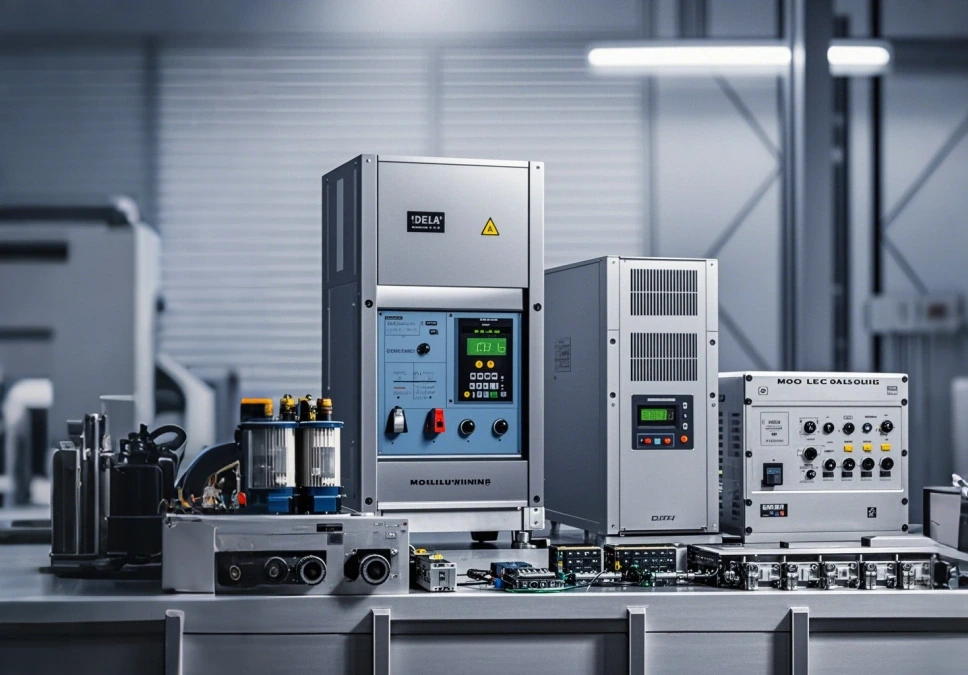
How Reliable Is An Automatic Temperature Controller System?
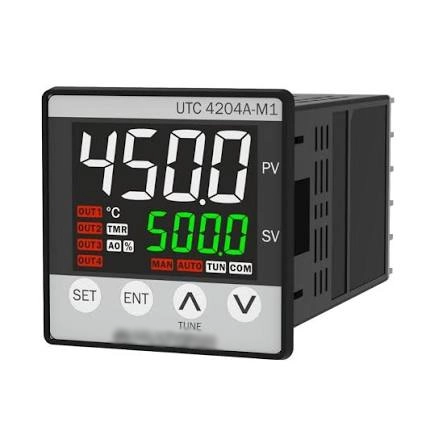
Automatic temperature controller ensures precise thermal regulation, stable performance and reliable operation in harsh conditions.
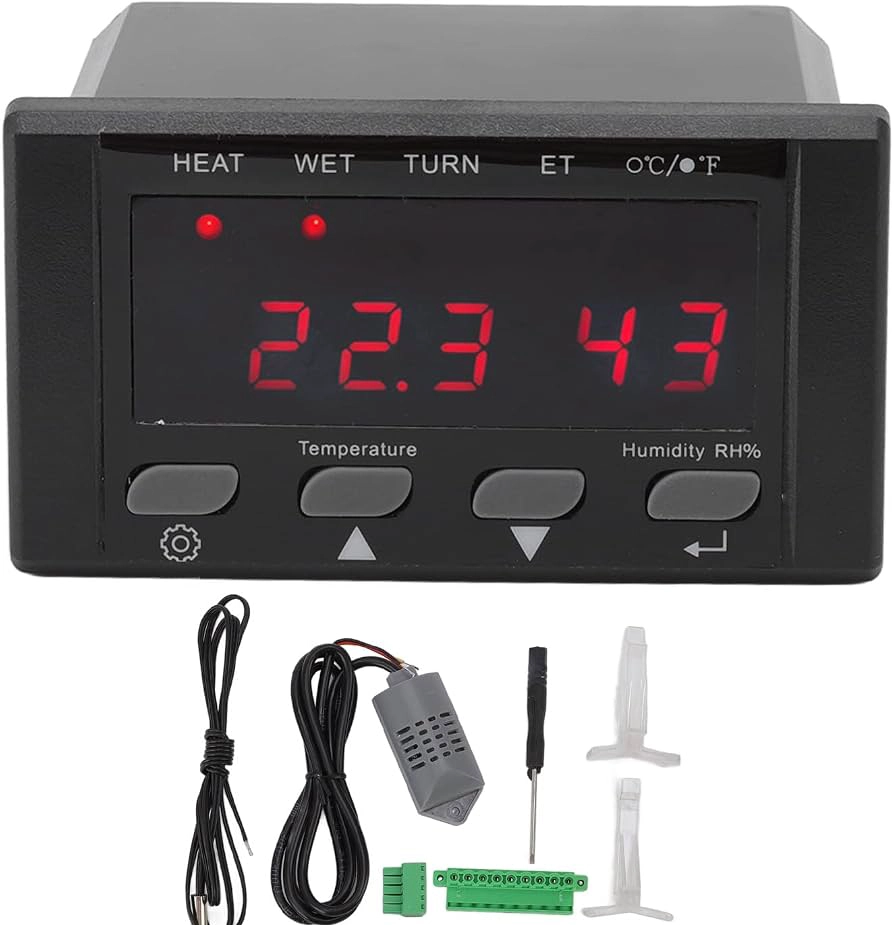
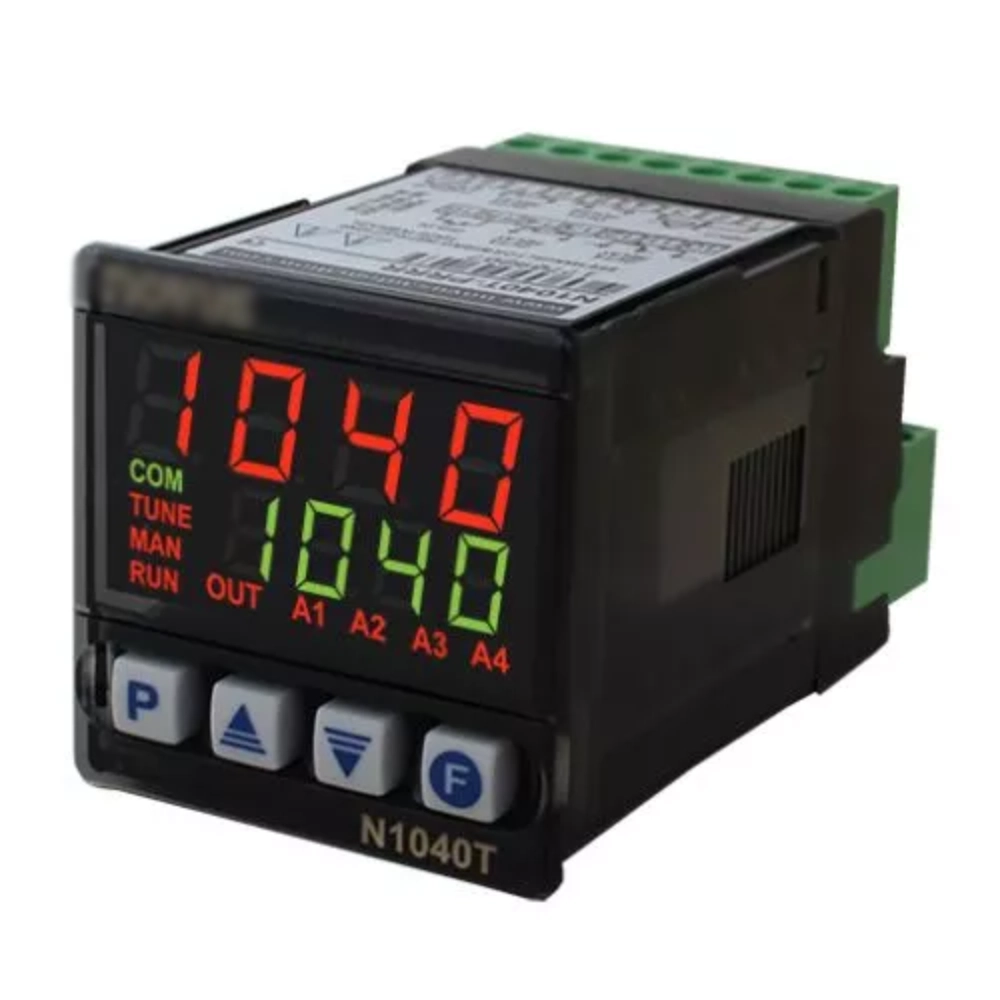
Industrial Reliability Foundation of Automatic Temperature Control Systems
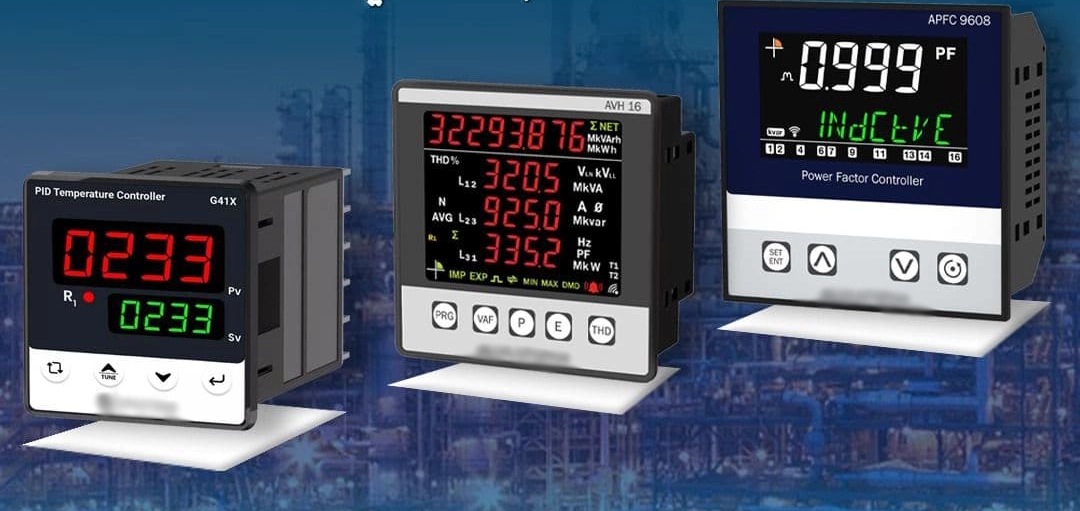
Industrial temperature regulation depends on stable feedback loops and precise signal processing. Engineers design systems to maintain thermal balance under load variation. Stability defines how consistently a controller reacts to thermal drift and external stress. A properly designed system reduces failure risk and extends equipment lifespan. In manufacturing environments, precision becomes essential for process consistency. Sensor accuracy and actuator response define overall system integrity. Control logic must adapt quickly without overshooting target values. Reliable architecture minimizes downtime in continuous operations. A modern automatic temperature controller integrates sensing, processing, and output coordination in one loop. Industrial facilities rely on this integration to maintain predictable thermal performance across multiple operational zones.
How Reliable Is An automatic temperature controller System in Industrial Operation
Reliability in modern thermal systems depends on control precision and feedback timing. Industrial operators evaluate performance based on deviation rate and recovery speed. A well-calibrated system maintains stability even under fluctuating load conditions. Digital controllers outperform mechanical systems due to improved signal resolution. Failure tolerance is reduced through redundancy and adaptive logic. Environmental stress still affects long-term stability in harsh conditions. Proper design reduces drift and ensures repeatable output across cycles. Engineers often test reliability using thermal cycling simulations. In large-scale facilities, the automatic temperature controller is expected to maintain near-zero deviation during continuous operation. This expectation drives design improvements in firmware logic and hardware shielding.
Core Components That Define Stability in Temperature Control Systems
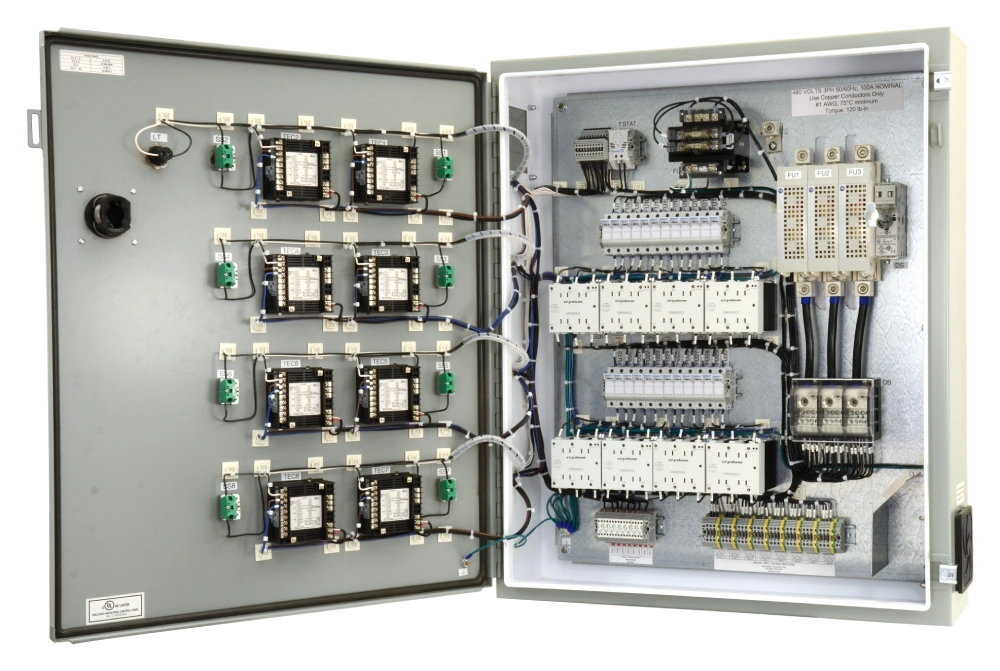
System stability relies on three core elements: sensing, control, and output execution. Sensors such as RTD and thermocouples measure temperature variation. Controllers process signals using PID algorithms for corrective output. Output devices such as relays or solid-state switches execute control actions. Each stage introduces potential delay or distortion. Engineers minimize error through calibration and signal filtering. Wiring quality also affects noise resistance and response accuracy. Component selection determines operational lifespan under continuous load. In industrial design, even minor drift in sensors can affect production quality. A poorly tuned loop increases oscillation risk and energy waste. Proper integration ensures stable feedback behavior in real time systems. Reliability depends on synchronized performance across all components in the control loop.
Environmental Stress Factors in an automatic temperature controller System
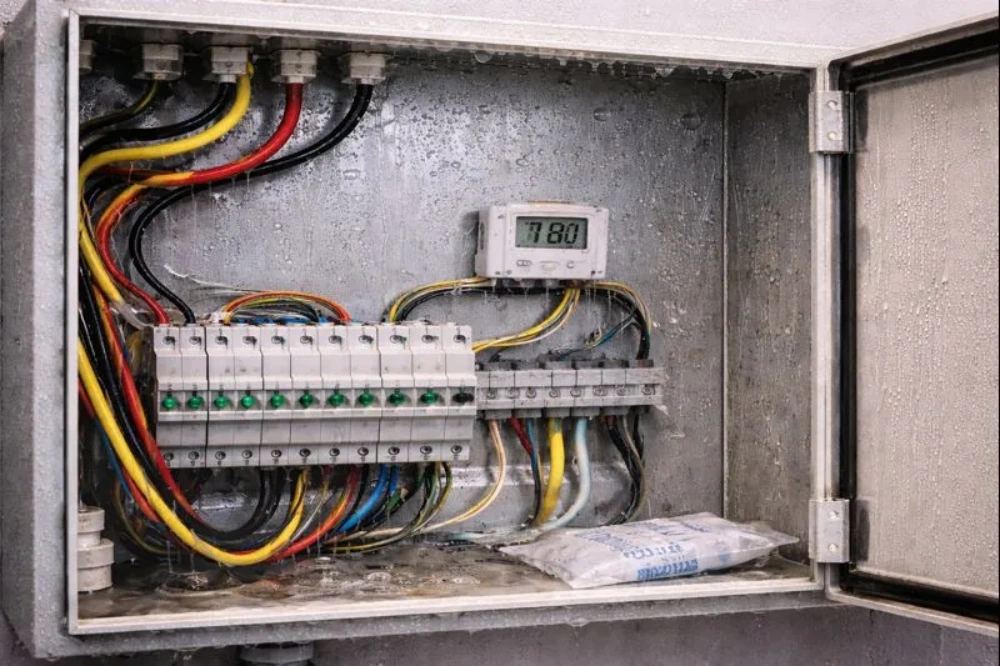
Environmental conditions strongly influence control system performance. Heat, humidity, and vibration introduce signal instability. Electrical noise from nearby machinery can disrupt sensor readings. Shielded wiring reduces interference and improves accuracy. Power fluctuations also affect relay switching stability. Surge protection devices help maintain operational safety. Dust accumulation impacts heat dissipation in control enclosures. Long-term exposure to moisture reduces insulation resistance. Engineers design enclosures to meet IP protection standards for harsh environments. Temperature Controller for Dry type Transformer is often used in electrical infrastructure where thermal stability is critical. Its design supports continuous monitoring under high load conditions. Proper enclosure selection improves long-term reliability. Environmental hardening remains essential for maintaining predictable system response in industrial operations.
Engineering Standards and Validation Methods for Control Accuracy
Industrial systems follow international standards for safety and performance validation. IEC 60751 IEC 60584 ISO 9001 ISO 17025 define testing conditions. Calibration ensures measurement traceability across production cycles. Engineers perform periodic validation using reference instruments. Thermal endurance tests simulate long-term operational stress. Drift analysis identifies sensor degradation over time. Firmware validation ensures control logic consistency under variable load. Compliance testing confirms system safety under electrical stress conditions. Manufacturers document performance across temperature ranges. Reliability validation reduces uncertainty in field deployment. WK Dial-Type Temperature Controller for Cabinets is commonly used in control panels requiring compact thermal regulation.
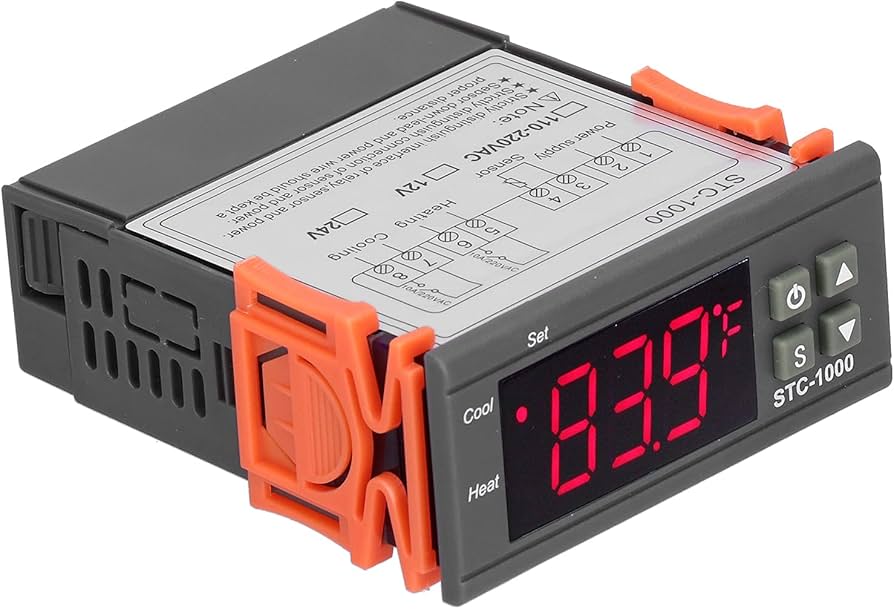
It provides localized monitoring for enclosure environments. Standardized testing improves confidence in long-term operational stability.
Failure Modes and Maintenance Strategy in Control Systems
Control systems fail due to predictable degradation patterns. Sensor drift is one of the most common issues. Relay contact wear reduces switching efficiency over time. Electrical noise can cause intermittent signal errors. Thermal fatigue affects component lifespan in high-load environments. Preventive maintenance reduces unexpected downtime significantly. Engineers schedule calibration based on operating cycles. Cleaning enclosures prevents dust-related overheating. Diagnostic tools help detect early-stage anomalies. Firmware updates improve control stability and error handling. Maintenance planning ensures consistent system output. Proper inspection intervals extend equipment lifecycle. Predictive analysis tools improve maintenance accuracy. Structured maintenance strategies reduce operational risk in continuous industrial environments.
Comparative Performance Analysis Using Structured Data Tables
System performance varies based on architecture and control method. Digital PID systems offer higher precision compared to on-off control. Embedded controllers integrate multiple functions in compact designs. Industrial-grade units provide stronger environmental resistance. Commercial systems prioritize cost efficiency over durability. Selection depends on application requirements and load stability. Engineers evaluate response time, accuracy, and lifespan. Energy efficiency also plays a critical role in system selection. Reliability testing reveals differences in long-term drift behavior.
| System Type | Accuracy | Response Speed | Durability |
|---|---|---|---|
| PID Digital Control | High | Fast | High |
| On-Off Control | Medium | Medium | Medium |
| Embedded Industrial System | Very High | Fast | Very High |
System selection must consider operational stability requirements. Embedded solutions provide better integration in complex industrial environments. PID systems remain standard for precision-driven applications. On-off systems suit basic thermal control tasks. Trade-offs between cost and accuracy define final engineering decisions.
Optimization Methods for Long-Term System Stability
Long-term stability depends on installation quality and operational discipline. Proper grounding reduces electromagnetic interference significantly. Shielded cables improve signal integrity in noisy environments. Regular calibration maintains measurement accuracy over time. Engineers also optimize placement of sensors for faster response. Heat dissipation design prevents component overheating. Firmware tuning improves control loop efficiency. Predictive diagnostics identify early performance degradation. Stable power supply ensures consistent output behavior. Environmental sealing protects against dust and moisture intrusion. Maintenance schedules must align with operational intensity. System audits help identify hidden inefficiencies. Proper optimization extends service life and improves energy efficiency across industrial operations.
FAQ
What makes an automatic temperature controller system stable in factories?
System stability depends on accurate sensing and fast feedback control. Industrial environments require consistent response under load changes.
What reduces long-term accuracy in temperature regulation systems?
Several factors reduce long-term measurement accuracy in industrial systems. Sensor aging causes gradual signal drift over time. Electrical interference introduces noise into control signals. Poor installation increases susceptibility to vibration and thermal stress. Dust and humidity degrade electronic components gradually. Relay wear affects switching precision in output circuits. Power instability introduces inconsistent behavior in control loops. Lack of maintenance accelerates performance decline significantly. Calibration neglect leads to cumulative measurement errors. Environmental sealing failures expose internal components to contamination. Firmware instability may also reduce response consistency. Proper maintenance and environmental control help preserve long-term accuracy and system reliability in demanding industrial applications.
Engineers focus on minimizing delay between measurement and correction. High-quality sensors reduce signal noise and improve accuracy.PID algorithms maintain smooth adjustments without oscillation. Proper wiring and shielding prevent external interference. Calibration ensures long-term measurement consistency. Environmental protection enhances durability in harsh conditions. Stable power supply prevents unexpected fluctuations. Control logic design directly impacts system predictability. Reliable systems maintain tight deviation ranges during continuous operation. Proper integration of hardware and firmware ensures stable industrial performance across different production scenarios.
How often should calibration be performed in industrial controllers?
Calibration frequency depends on operating conditions and system criticality. High-precision environments require more frequent verification cycles. Many industrial facilities schedule calibration every six to twelve months. Harsh environments may require shorter intervals. Drift in sensors increases over time due to thermal stress. Regular calibration maintains measurement traceability and accuracy. Engineers use reference instruments for validation procedures. Documentation ensures compliance with industrial standards. Automated calibration alerts improve maintenance planning efficiency. Preventive schedules reduce unexpected deviations in output control. Stable systems maintain performance when calibration is consistently applied. Proper calibration routines reduce long-term operational risk significantly in industrial temperature regulation systems.