How To Choose A Temperature and Humidity Controller Factory?
Choose a temperature and humidity controller factory with quality control, customization support, and stable industrial solutions.
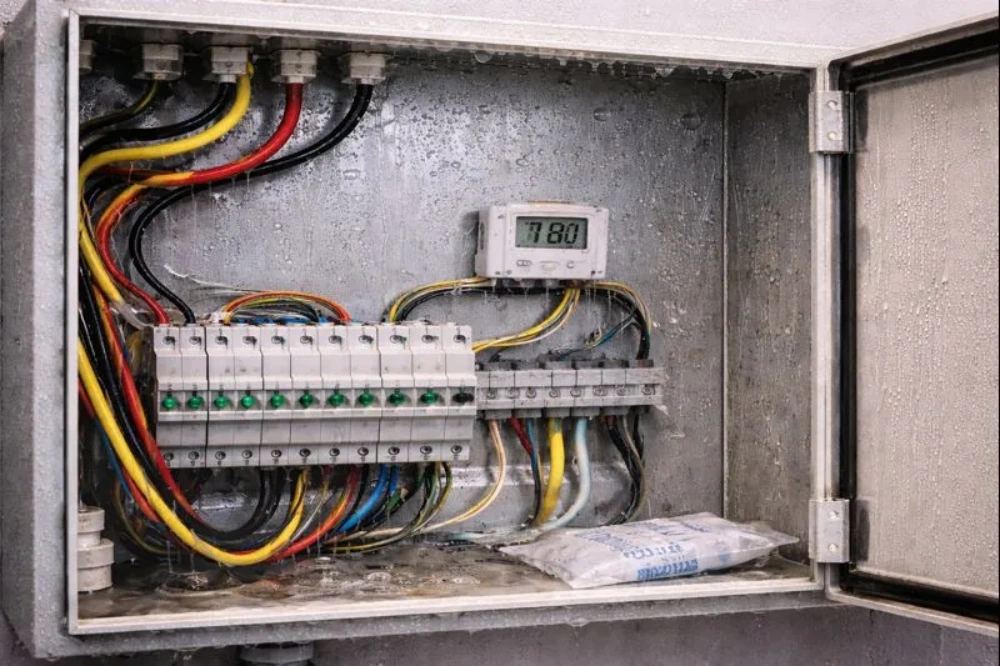
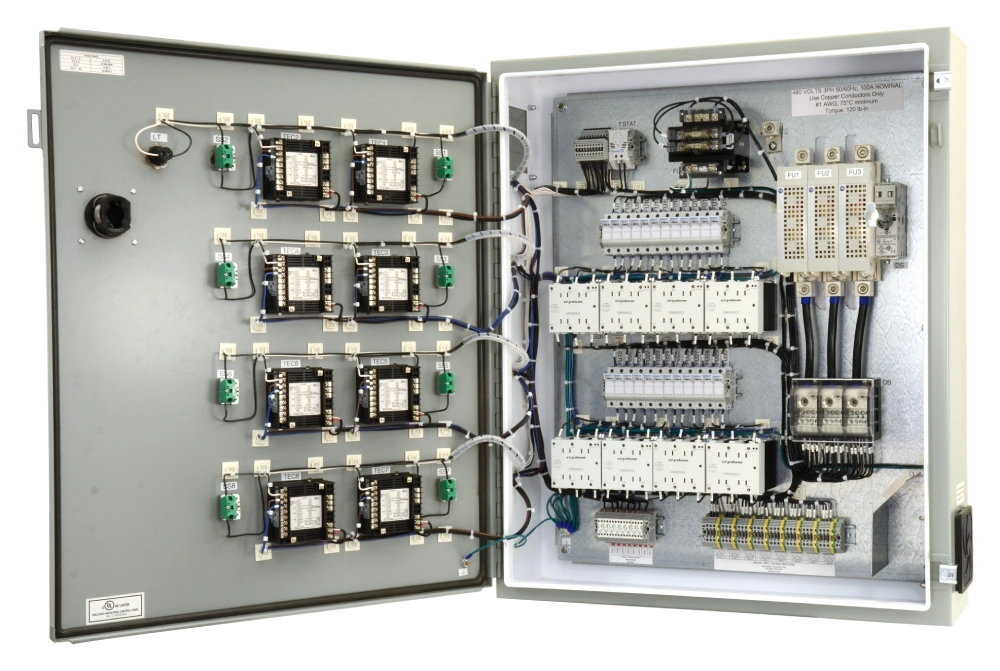
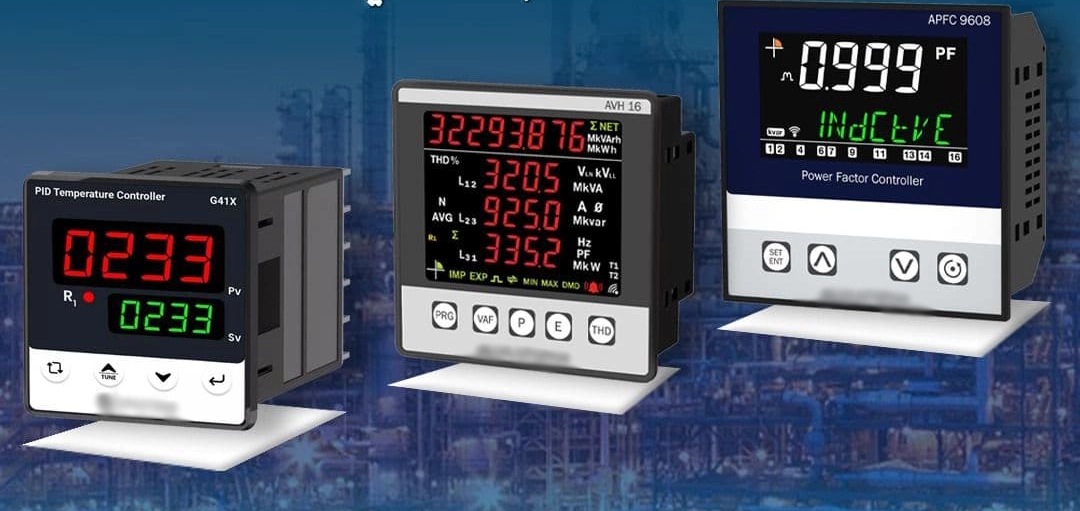
Selecting a temperature and humidity controller factory requires careful evaluation of production ability, technical expertise, and quality management. Industrial buyers need stable products because environmental control systems directly influence equipment performance and operational safety. A professional supplier should provide accurate controllers that support different applications, including electrical cabinets, automation systems, and industrial facilities. Reliable manufacturing experience helps companies reduce purchasing risks and improve long-term cooperation. Buyers should review production processes, testing methods, and customization options before making decisions. A strong factory focuses on consistent quality, advanced technology, and customer requirements. These factors create dependable solutions for global industrial markets and support efficient project development.
What Production Capabilities Should A Temperature and Humidity Controller Factory Provide
Manufacturing capability directly affects product reliability and delivery performance. A qualified temperature and humidity controller factory should operate modern production lines with skilled technicians and efficient management systems. Production processes usually include component inspection, circuit assembly, software configuration, calibration testing, and final quality checks. Advanced equipment helps maintain stable production standards and reduces manufacturing errors. Experienced engineers can optimize designs based on different working environments and customer requirements. Factories with strong production capacity can handle different order volumes while maintaining product consistency. Buyers should evaluate factory facilities, workforce experience, and process control methods before cooperation.
A professional production system often includes several important stages:
- Incoming inspection for electronic components and sensors.
- Automated assembly processes for circuit boards and controller units.
- Functional testing for temperature and humidity measurement accuracy.
- Aging tests for long-term operational stability.
- Final inspection before shipment.
These procedures help verify that each product meets expected industrial performance standards. Strong process management also improves delivery reliability and reduces potential quality issues during field operation.
How To Evaluate Manufacturing Quality And Technical Standards
Quality evaluation is an essential step when selecting industrial control equipment suppliers. Buyers should examine materials, electronic components, sensor performance, and testing procedures. Temperature and humidity controllers require precise measurement because small errors can affect sensitive equipment. A professional manufacturer normally uses reliable sensors, durable housing materials, and stable circuit designs. Quality control teams should check accuracy, response time, power consumption, and operating stability. Detailed inspection records also provide confidence during supplier evaluation. Companies with strict internal standards can deliver products that perform consistently in different environments.
| Quality Factor | Inspection Focus | Buyer Benefit |
|---|---|---|
| Sensor Accuracy | Measurement precision and calibration results | Reliable environmental monitoring |
| Circuit Stability | Component quality and electrical performance | Longer product service life |
| Housing Design | Protection level and installation compatibility | Better application flexibility |
| Testing Process | Functional and aging verification | Lower operational risks |
Which Technical Features Should Buyers Check Before Ordering
Technical specifications determine whether a controller can meet specific industrial requirements. Buyers should compare measurement ranges, control accuracy, display functions, and installation methods. Temperature sensors must provide fast responses to environmental changes, while humidity sensors should maintain stable readings under different conditions. Products used in electrical cabinets often require compact structures and reliable operation in limited spaces. Some applications also need alarm functions, relay outputs, or digital interfaces for system integration. A professional supplier should explain technical parameters clearly and recommend suitable models based on application conditions. Careful technical evaluation helps buyers avoid unsuitable products and improves project efficiency.
| Technical Parameter | Typical Requirement | Application Value |
|---|---|---|
| Temperature Range | -40°C to 80°C depending on model | Supports various industrial environments |
| Humidity Range | 10%RH to 95%RH monitoring capability | Maintains equipment protection |
| Control Method | Automatic heating and dehumidification | Improves cabinet safety |
| Display Function | Digital temperature and humidity indication | Provides convenient monitoring |
Why Are Testing Standards Important For Supplier Selection
Testing standards show how manufacturers control product reliability before shipment. A trustworthy supplier should perform multiple inspections during production instead of checking only finished products. Temperature and humidity controllers need electrical safety testing, sensor calibration, and operating verification. These procedures confirm that products can maintain stable performance in industrial environments. Factory testing also helps identify potential problems before products reach customers.
Buyers should request quality documents, inspection records, and sample testing results when evaluating suppliers. Professional testing systems demonstrate manufacturing responsibility and technical confidence. They also help companies build stronger supply relationships with fewer quality concerns.
How Does Product Design Influence Industrial Applications
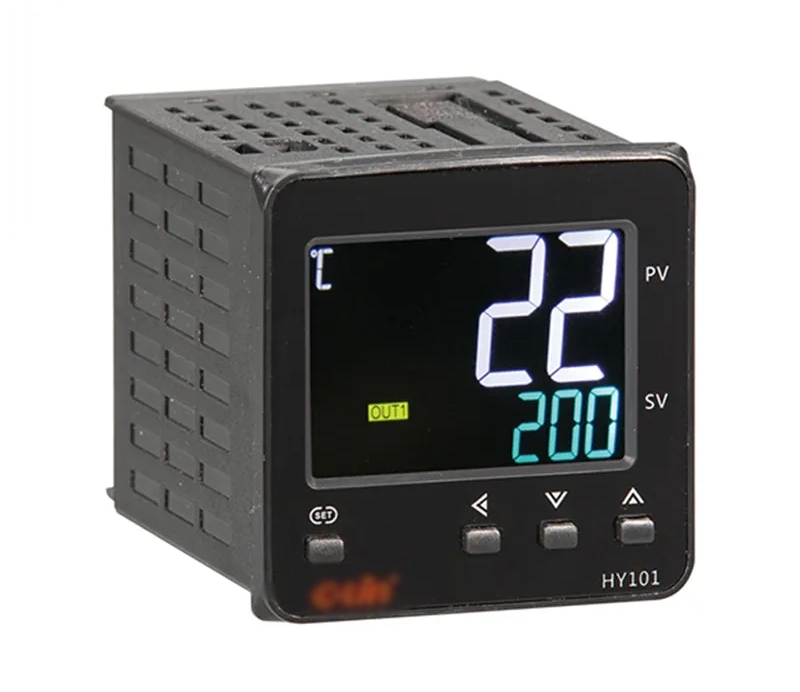
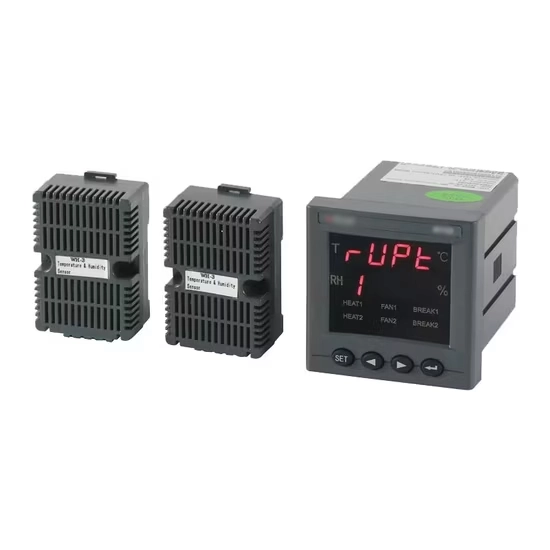
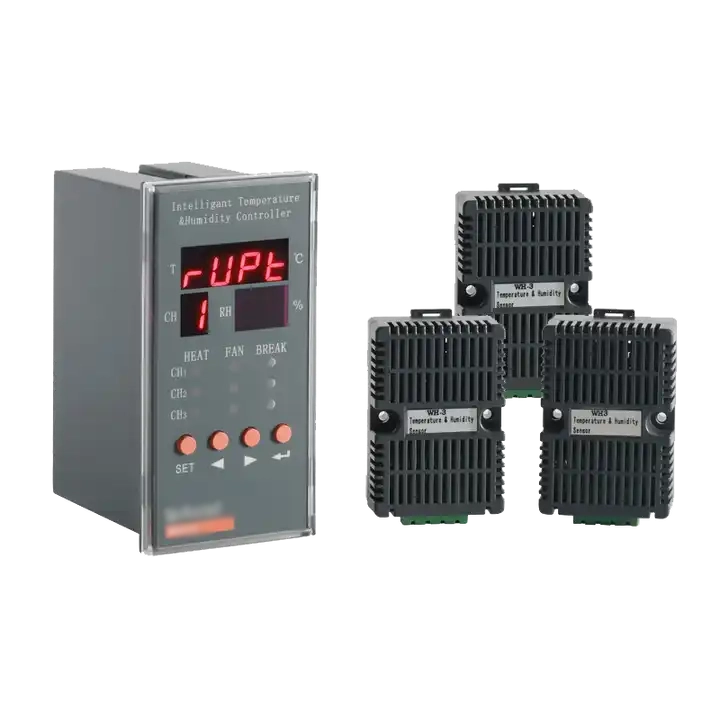
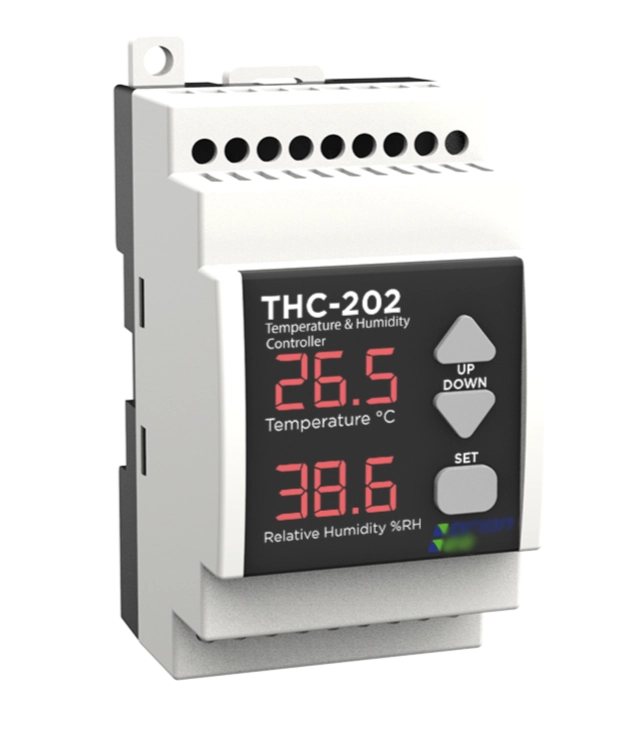
Product design affects installation convenience, durability, and operational efficiency. Industrial buyers often require controllers that fit specific equipment structures and environmental conditions. Engineers should consider enclosure materials, mounting methods, wiring designs, and user interfaces during development. For example, the WSK Fixed Temperature and Humidity Controller for Cabinets provides a practical solution for electrical cabinet environments that require stable climate control. Its design focuses on cabinet protection, temperature regulation, and humidity management. Appropriate product structures help prevent condensation problems and improve equipment reliability. Factories with strong design capabilities can create solutions that match different industrial requirements and application scenarios.
How Can Supply Chain Management Improve Factory Reliability
Supply chain capability influences delivery stability and long-term cooperation quality. A reliable manufacturer should maintain effective supplier management, inventory control, and production scheduling systems. Electronic components, sensors, and housing materials require consistent sourcing channels to avoid unexpected delays. Professional factories usually create detailed procurement plans and maintain relationships with qualified component suppliers. These practices help maintain product availability during changing market conditions. Buyers should evaluate production planning methods, warehouse management, and delivery records before selecting partners. Strong supply chain systems support continuous production and help customers complete projects within expected timelines. Efficient management also reduces risks caused by material shortages and improves overall business cooperation.
What Certifications Support A Reliable Temperature and Humidity Controller Factory
Certifications provide important references when buyers evaluate manufacturing reliability. A qualified temperature and humidity controller factory should follow recognized quality management practices and maintain strict production standards. Certifications such as ISO 9001 demonstrate structured quality systems, while CE and RoHS compliance show attention to safety and environmental requirements. These standards involve product design, material selection, manufacturing processes, and inspection procedures. Buyers should review certification documents and confirm their validity before cooperation. A manufacturer with proper certifications usually demonstrates stronger management ability and technical responsibility. These qualifications also help international buyers reduce communication barriers and increase confidence in product sourcing.
| Certification | Main Purpose | Value For Buyers |
|---|---|---|
| ISO 9001 | Quality management system control | Improves production consistency |
| CE | Product safety compliance | Supports international market access |
| RoHS | Restriction of hazardous substances | Ensures environmental responsibility |
| Factory Inspection Records | Production process verification | Provides quality transparency |
How Do Buyers Compare Different Manufacturing Partners
Comparing suppliers requires more than checking product prices. Buyers should evaluate technical ability, production experience, quality systems, customization support, and after-sales service. A low-cost supplier may not always provide stable performance or reliable delivery. Professional evaluation should include sample testing, factory communication, and technical discussions. Buyers can request product specifications, inspection reports, and application examples. These materials help identify whether a manufacturer can support long-term projects. A suitable partner should provide clear communication and practical solutions. Careful comparison reduces purchasing risks and creates stronger cooperation between industrial buyers and manufacturing teams.
What Customization Services Can Professional Manufacturers Offer
Customization capability creates additional value for companies with special application requirements. Many industrial projects require different installation structures, control functions, or appearance designs. A capable manufacturer can provide OEM and ODM services, including logo printing, packaging design, software adjustments, and product configuration changes. The WSK Digital Precision Temperature and Humidity Controller offers accurate monitoring functions for applications requiring precise environmental management. Its digital display and control features support efficient operation in industrial settings. Manufacturers with engineering teams can adjust solutions according to customer specifications. Flexible customization services allow buyers to develop products that match market demands and technical requirements.
How Can Buyers Build Long-Term Cooperation With Suppliers
Long-term cooperation depends on consistent quality, technical support, and communication efficiency. Industrial buyers need suppliers that can provide stable production and continuous improvement. A reliable manufacturer should respond quickly to technical questions and provide professional assistance during product selection. Regular communication helps both sides solve issues and optimize future projects. Companies should also evaluate supplier development plans, innovation ability, and customer service systems. Strong partnerships create better purchasing efficiency and reduce operational challenges. Manufacturers that focus on quality improvement can support customers through different market stages and changing application needs.
What Factors Define The Best Factory Choice For Industrial Projects
Choosing the right manufacturing partner requires comprehensive evaluation rather than a single factor. Buyers should consider production capability, technical knowledge, quality control, certifications, customization options, and supply chain stability. Each factor affects product performance and cooperation experience. A factory with professional management can provide consistent solutions for different industries. Industrial applications often involve strict environmental requirements, so product reliability becomes a major purchasing priority. Careful supplier assessment helps companies select partners with stronger technical advantages and better service capabilities. The right choice supports efficient project execution and creates sustainable cooperation opportunities in competitive markets.
FAQ
What Industries Use Temperature And Humidity Controllers?
Temperature and humidity controllers serve many industrial fields that require stable environmental conditions. Electrical cabinets, automation equipment, power distribution systems, communication facilities, and storage environments often use these products. They help prevent condensation, overheating, and humidity-related damage. Manufacturing facilities use controllers to protect sensitive electronic components and maintain equipment reliability. Data centers also require environmental monitoring because temperature changes can affect system performance. Different industries select products based on installation space, control accuracy, and operating conditions. Professional suppliers can recommend suitable solutions according to specific applications. Proper environmental control improves equipment safety and supports continuous industrial operation.
How Can Buyers Verify A Factory’s Manufacturing Ability?
Buyers can evaluate manufacturing ability through factory visits, sample testing, production reviews, and quality documentation. A professional supplier should provide information about production equipment, technical teams, inspection procedures, and manufacturing experience. Sample orders allow buyers to check product performance before larger purchases. Reviewing testing records can show whether the factory follows consistent quality procedures. Communication with engineers also helps confirm technical capability and customization support. Buyers should examine delivery history and customer service performance as well. A complete evaluation process helps companies select manufacturers with reliable production systems and strong cooperation potential.
What Makes A Factory Suitable For Long-Term Cooperation?
A suitable long-term partner provides stable quality, reliable delivery, technical assistance, and flexible service support. Manufacturers should maintain consistent production standards while adapting to changing customer requirements. Strong communication helps solve problems quickly and improves cooperation efficiency. Suppliers with experienced engineering teams can offer better technical suggestions and customized solutions. Continuous improvement programs also show commitment to future development. Buyers should select partners that value transparency, quality management, and customer relationships. A dependable manufacturer can become a valuable resource for expanding product applications and improving purchasing efficiency over time.