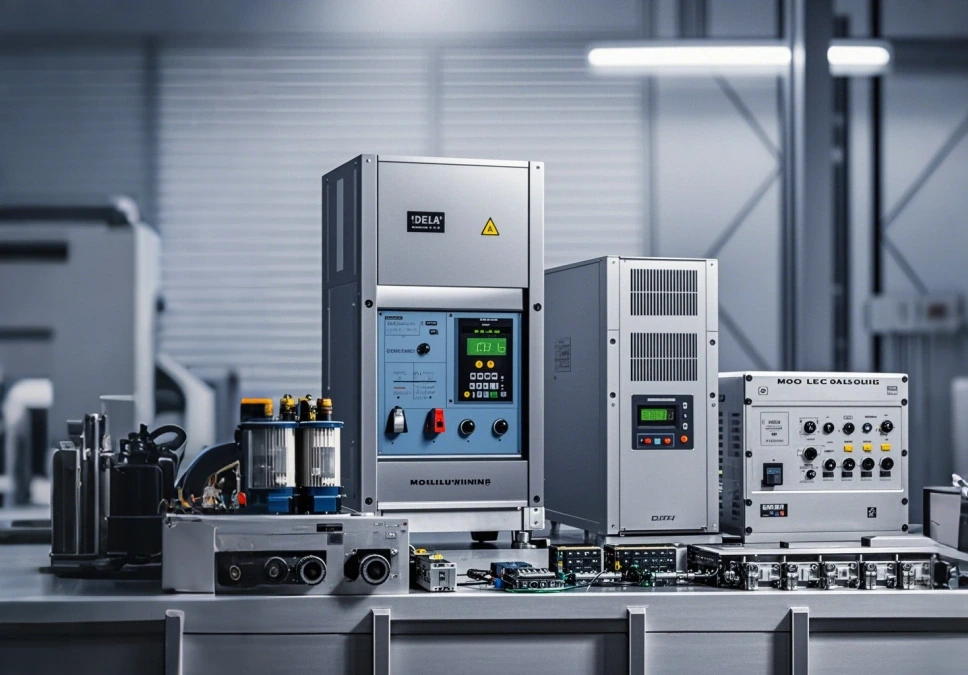
How To Compare Digital Temperature Controller Factories?
Digital temperature controller factory selection covers quality, customization, certifications, capacity, and supplier reliability.
Quality Evaluation Factors For Digital Temperature Controller Factory Selection
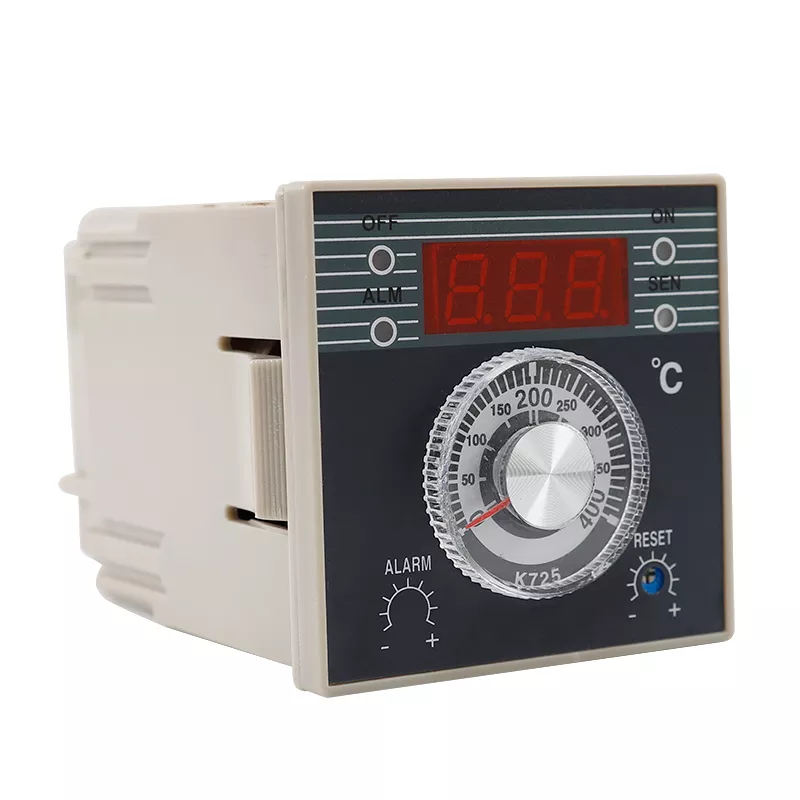
Choosing a reliable digital temperature controller factory requires careful evaluation of product quality, technical capability, and production stability. Temperature controllers directly influence equipment safety and operating efficiency in various industrial applications. Buyers should review control accuracy, sensor compatibility, response speed, and long-term reliability before selecting a supplier. A professional manufacturer should provide detailed product specifications, testing records, and application support. Quality evaluation also includes checking electronic components, circuit design, housing materials, and assembly methods. Advanced products such as WSK Dial-Type Temperature and Humidity Controller solutions require precise monitoring performance and stable construction.
Factories with strict quality systems usually maintain consistent results across different production batches. Careful comparison helps buyers avoid unreliable suppliers and build long-term cooperation with manufacturers that provide dependable temperature control solutions.
Performance Standards For Temperature Controller Components And Design
Product performance depends heavily on the internal components and structural design of temperature controllers. High-quality controllers usually use precise sensors, stable microprocessors, and durable circuit boards. Temperature measurement accuracy is a key factor because small deviations can affect industrial equipment operation. The display system should provide clear readings under different working conditions. Control algorithms also influence adjustment speed and system stability. Manufacturers should explain sensor types, measurement ranges, and operating environments. A professional supplier can provide technical documents that show product capabilities. Buyers should compare these details instead of focusing only on appearance or initial pricing.
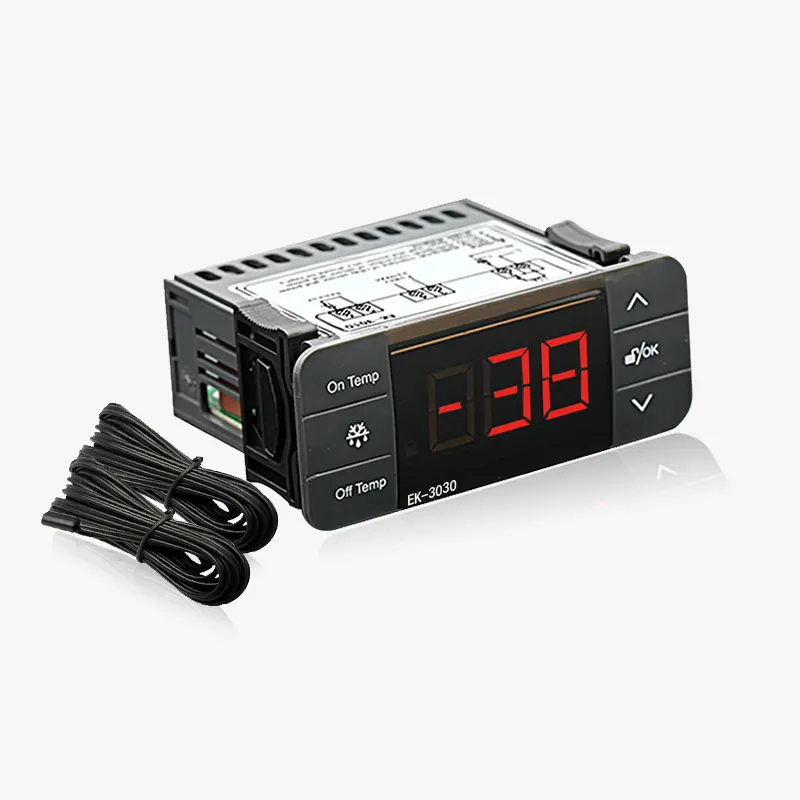
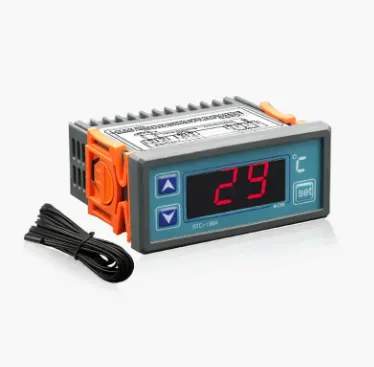
Manufacturing Capability Assessment For Digital Temperature Controller Factory
A digital temperature controller factory should have strong manufacturing capability to support different order volumes and technical requirements. Production facilities, automated equipment, and skilled workers influence delivery efficiency and product consistency. Buyers should review assembly lines, inspection stations, and production management systems. A factory with organized processes can reduce production errors and maintain stable quality. Manufacturing capability also includes engineering support, sample development, and production planning. Suppliers with flexible operations can handle customized projects more effectively. Evaluating factory resources helps companies select partners that can support future business expansion.
| Evaluation Area | Key Inspection Points | Expected Capability |
|---|---|---|
| Production Equipment | Assembly tools, testing machines, automation systems | Stable manufacturing efficiency |
| Technical Team | Engineers, product development skills, troubleshooting ability | Professional technical support |
| Quality Process | Incoming inspection, production checks, final testing | Consistent product performance |
| Customization Ability | Design adjustment, parameter setting, product modification | Flexible project solutions |
Production capability comparison should focus on practical manufacturing results rather than factory size alone. A smaller supplier with strong engineering resources may provide better support than a large factory with limited customization services. Buyers should check production records, testing procedures, and previous application experience. These factors show whether the manufacturer can maintain quality during repeated orders. A reliable production system reduces risks related to delays, defects, and inconsistent performance. Careful evaluation creates a stronger foundation for supplier cooperation.
Material Selection And Component Reliability In Controller Production
Material quality directly affects the service life and stability of temperature control equipment. The outer housing should provide mechanical protection and resistance against industrial environments. Common materials include flame-resistant plastics and metal structures with strong durability. Internal electronic components require stable performance under continuous operation. Circuit boards, connectors, and sensors should meet appropriate industrial requirements. Suppliers should explain component sources and inspection methods. For specialized applications, buyers may request products such as Temperature Controller for Dry type Transformer OEM/ODM solutions. These customized options require accurate temperature monitoring, reliable sensors, and application-specific adjustments.
| Component Type | Material Or Feature | Application Benefit |
|---|---|---|
| Housing | Heat-resistant plastic or metal shell | Improved protection and durability |
| Sensor | High-precision temperature detection element | Accurate monitoring performance |
| Circuit Board | Reliable electronic layout and components | Stable control operation |
| Display Module | Clear digital interface | Easy parameter checking |
Component evaluation helps buyers identify whether a supplier focuses on long-term product reliability. Good manufacturers select materials based on working environments, temperature ranges, and safety requirements. They also perform inspections before production and during final assembly. This process reduces failures caused by component defects. Material transparency is an important factor when comparing suppliers because hidden quality problems can increase maintenance costs. Professional factories provide clear technical information and support better purchasing decisions.
Key Inspection Points Before Selecting A Temperature Controller Supplier
Comparing suppliers requires a structured inspection process. Buyers can review several important factors before making a final decision:
- Product accuracy and measurement range for different applications
- Factory production capability and quality management procedures
- Customization options for specific equipment requirements
- Technical support and communication efficiency
- Delivery performance and supply chain stability
A detailed inspection method allows buyers to compare suppliers with consistent standards. Each factor provides important information about manufacturer reliability. Product accuracy affects equipment performance, while production management influences delivery consistency. Customization support becomes valuable when standard products cannot meet specific requirements. Communication quality also affects project efficiency during development and production stages. A complete evaluation process helps companies choose suppliers that provide stable solutions and continuous support.
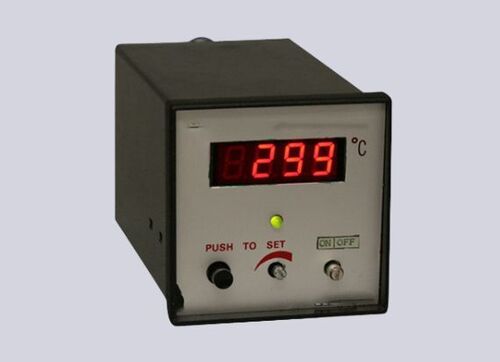
Supplier Communication And Technical Support Evaluation
Communication quality plays an important role in successful cooperation with temperature controller manufacturers. Technical discussions often involve parameters, installation conditions, wiring methods, and operating requirements. Suppliers should provide clear responses and professional recommendations. Efficient communication reduces mistakes during sampling and production. Technical support is also important after product delivery because customers may need assistance with installation or parameter adjustments. Manufacturers with experienced engineers can solve problems faster and improve customer satisfaction. A supplier’s communication process reflects its overall service capability and commitment to customer requirements.
Supplier Customization Services And Application Adaptability
Customization capability is an important factor when comparing temperature controller suppliers. Different industries often require specific functions, measurement ranges, and installation methods. A capable manufacturer should adjust product parameters according to equipment requirements. Custom solutions may include software settings, sensor selection, interface design, and structural modifications. Suppliers with OEM and ODM experience can provide better technical cooperation during product development. For example, specialized controllers may require humidity monitoring, alarm functions, or multiple temperature channels. A professional supplier should evaluate application conditions before recommending solutions. This approach helps customers receive products that match their operational needs and improve system efficiency.
Factory Certifications And Compliance Requirements For Quality Assurance
Certification records provide valuable information about manufacturing standards and product reliability. Buyers should review supplier certifications, testing reports, and quality management systems before cooperation. International markets often require products to meet electrical safety and performance standards. Reliable manufacturers maintain inspection procedures for raw materials, production processes, and finished products. Certifications alone do not guarantee quality, but they show that a supplier follows structured management practices. Buyers should also check whether the factory updates technical documents regularly. Compliance awareness helps reduce risks during import procedures and supports smoother market entry for temperature control products.
| Certification Or Document | Main Purpose | Supplier Evaluation Value |
|---|---|---|
| Quality Management Records | Shows production control procedures | Reflects operational consistency |
| Product Testing Reports | Verifies performance and safety features | Supports product reliability checks |
| Technical Specifications | Provides operating parameters | Improves application matching |
| Compliance Documents | Supports market requirements | Reduces purchasing risks |
Certification evaluation should connect with actual factory operations. Buyers should review how suppliers apply quality procedures during daily production. A manufacturer with complete documentation usually manages production changes more effectively. Clear records also help identify potential issues during inspections. Professional suppliers combine certification systems with practical quality controls. This combination creates stronger confidence for long-term cooperation and stable product performance.
Pricing Analysis And Long-Term Value Comparison
Price comparison should include product quality, service capability, and overall value. The lowest quotation does not always represent the best supplier choice. Cheap components may reduce initial costs but create higher maintenance expenses later.
Buyers should compare material quality, production methods, testing procedures, and warranty policies. A dependable supplier provides transparent pricing based on product specifications and order requirements.Cost control should focus on achieving reliable performance rather than reducing every expense. Evaluating total value helps companies select manufacturers that balance affordability and technical advantages.
Delivery Capability And Supply Chain Stability Assessment
Delivery performance affects inventory planning and market response speed. Suppliers should maintain organized production schedules and reliable material sourcing systems. Buyers should review lead times, production capacity, and previous delivery records. Stable supply chains reduce unexpected delays caused by component shortages or production issues. Manufacturers with strong planning systems can manage regular orders and urgent requirements more effectively. Communication during production also influences delivery accuracy. A trustworthy supplier provides updates about manufacturing progress and shipping preparation. Supply chain stability becomes especially important for companies requiring continuous product availability.
Selecting The Right Partner For Long-Term Temperature Control Projects
Choosing a suitable supplier requires a comprehensive evaluation of quality, technology, service, and production capability. A digital temperature controller factory with professional experience can support different applications through reliable products and flexible solutions. Buyers should consider technical expertise, customization ability, and quality management together. Long-term partnerships depend on consistent communication and continuous improvement. Suppliers that invest in research, production systems, and customer support often provide stronger cooperation value. Careful comparison helps companies reduce sourcing risks and build stable relationships with capable manufacturers.
FAQ
How do you verify a temperature controller factory’s production capability?
A supplier’s production capability can be verified through factory visits, production records, equipment reviews, and quality documentation. Buyers should check assembly processes, testing facilities, engineering teams, and manufacturing capacity. A reliable manufacturer should explain how it manages raw materials, product assembly, and final inspections. Previous project experience also provides valuable evidence of technical expertise and production reliability. Reviewing sample products can help evaluate manufacturing consistency and product performance. Communication with factory representatives can reveal their ability to meet application requirements and provide suitable solutions. A complete evaluation process helps buyers identify suppliers with stable operations and strong technical support.
What certifications should a reliable temperature controller manufacturer provide?
Reliable manufacturers should provide relevant quality documents, product testing reports, and compliance records according to target markets. Certification requirements vary by application and region, so buyers should confirm necessary standards before purchasing. Quality management documentation shows whether the factory follows structured production procedures. Testing reports can demonstrate product performance, safety, and reliability. Technical documents should include specifications, operating ranges, and installation information. Buyers should also review whether suppliers maintain updated records. Proper documentation supports smoother import processes and reduces risks during product application.
Why is customization support important when selecting a temperature controller supplier?
Customization support allows manufacturers to create products that match specific equipment requirements. Different systems may need unique sensor types, control ranges, display functions, or installation methods. Suppliers with OEM and ODM experience can adjust designs and provide technical suggestions during development. This service reduces compatibility problems and improves application performance. Customization also supports product differentiation in competitive markets. A manufacturer with strong engineering resources can handle special requests more efficiently. Buyers should evaluate customization capability because flexible suppliers often provide better long-term cooperation opportunities.