How To Compare Wholesale Industrial Temperature Controllers?
Wholesale industrial temperature controller selection with PID functions, specifications, and supplier factors for industrial systems.
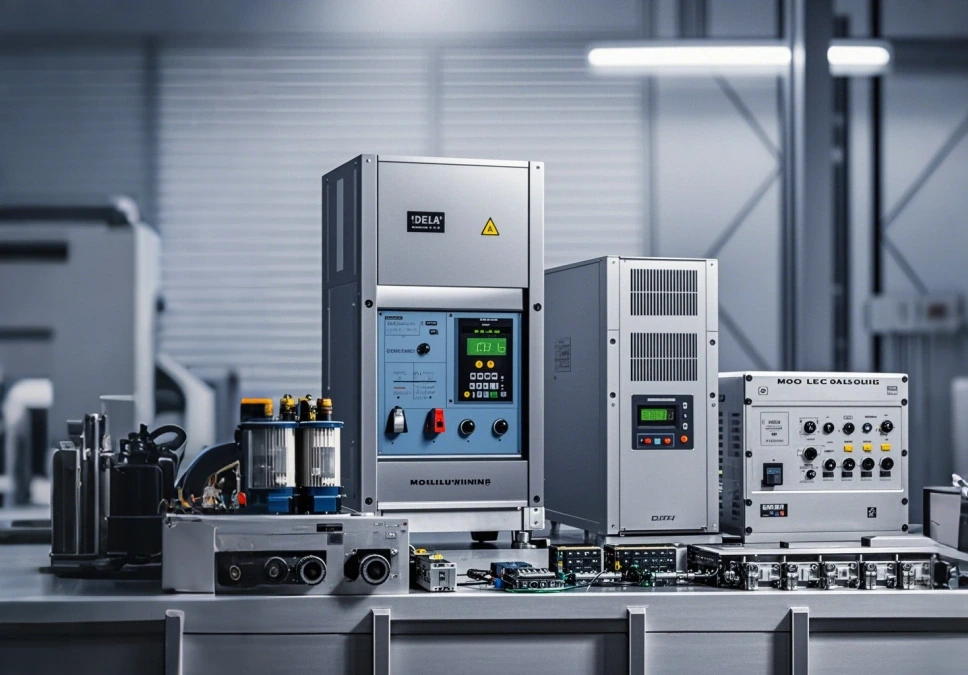
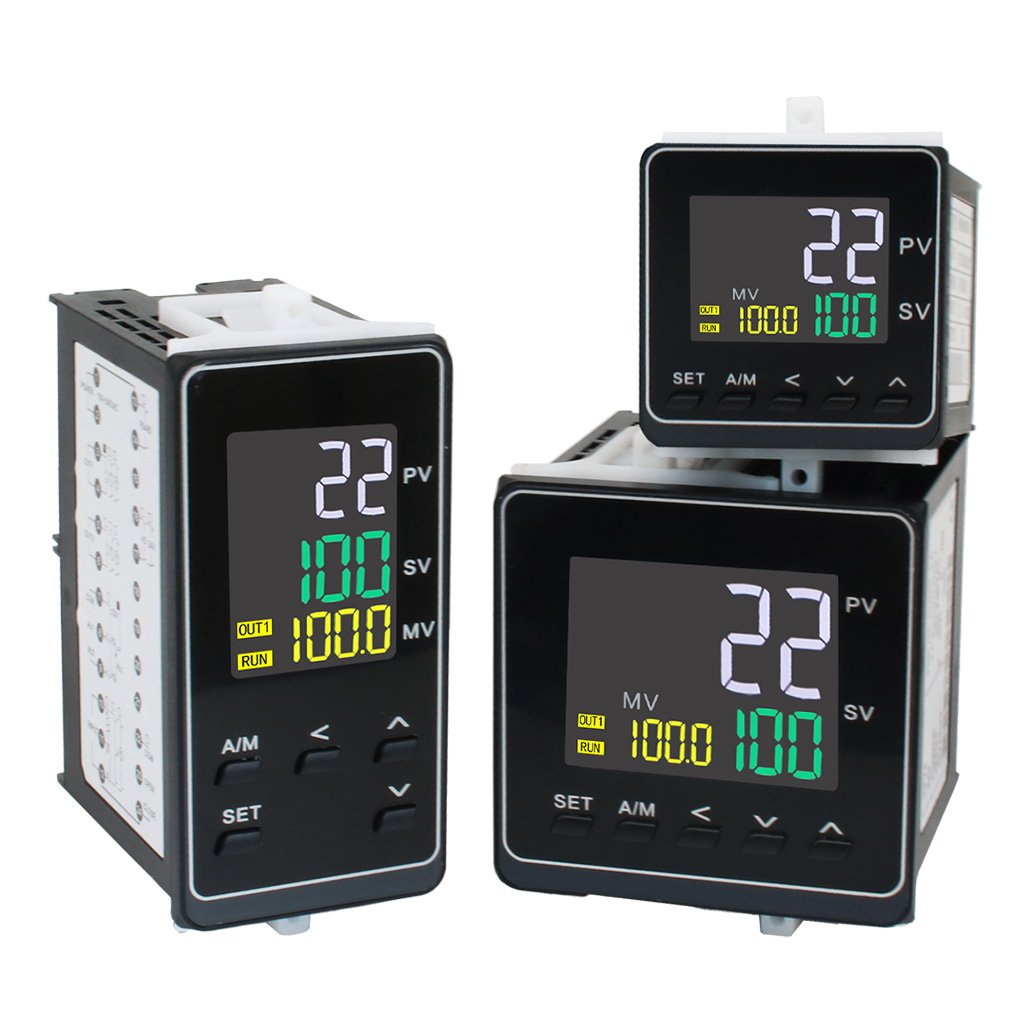
Industrial temperature management plays a critical role in manufacturing, energy systems, automation equipment, and processing industries. Buyers need reliable solutions that maintain stable operating conditions under different environments. The selection process requires attention to accuracy, response time, durability, and compatibility. A suitable temperature controller should support continuous operation while reducing equipment risks. Many industrial systems depend on precise thermal regulation to protect sensitive components. When comparing wholesale industrial temperature controller options, buyers should evaluate technical specifications and supplier capabilities together. Product quality directly affects production efficiency, maintenance costs, and equipment lifespan. A professional evaluation process helps businesses select suitable models for their operational needs and long-term projects.
Key Specifications That Define Wholesale Industrial Temperature Controller Performance
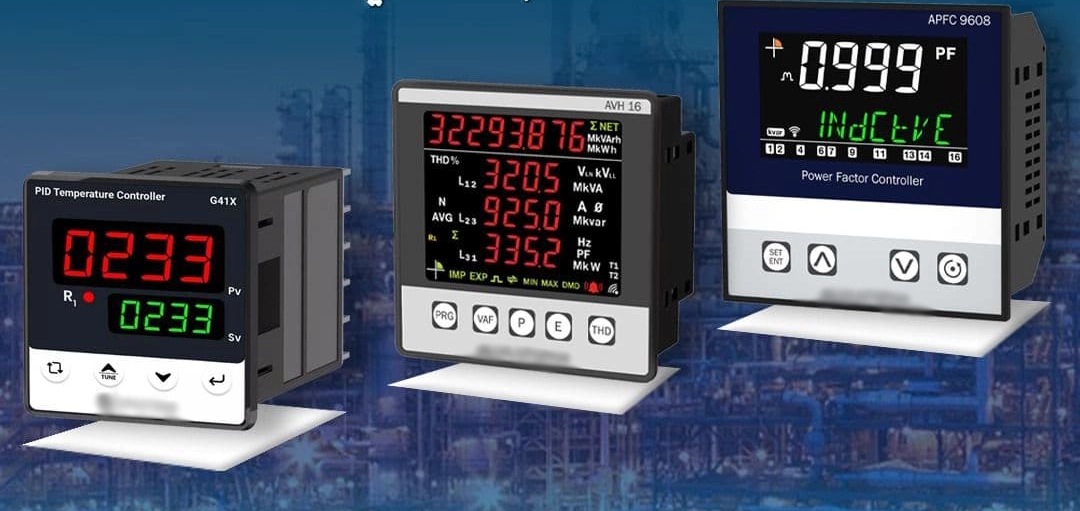
Technical specifications provide the foundation for comparing temperature control products. Measurement range, input type, output configuration, and control algorithm directly influence performance. Industrial controllers commonly support thermocouples, resistance temperature detectors, and analog signal inputs. Different sensors require matching controller designs for accurate monitoring. Control accuracy represents the difference between the target temperature and actual temperature. Faster response speed allows systems to react quickly to temperature changes. Output methods such as relay, voltage pulse, and current signals affect equipment compatibility. Buyers should review these parameters before making purchasing decisions. A professional supplier can provide detailed specifications and application recommendations based on industrial requirements.
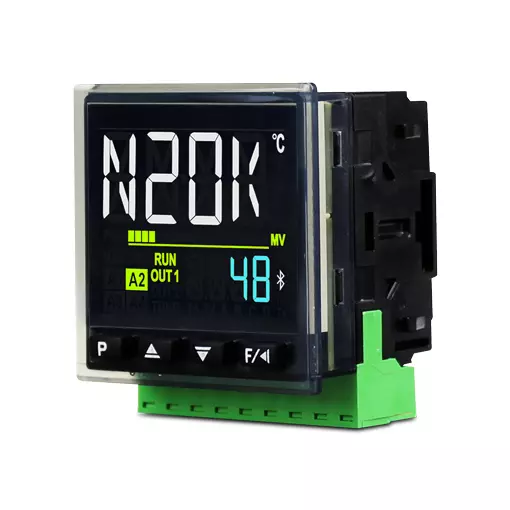
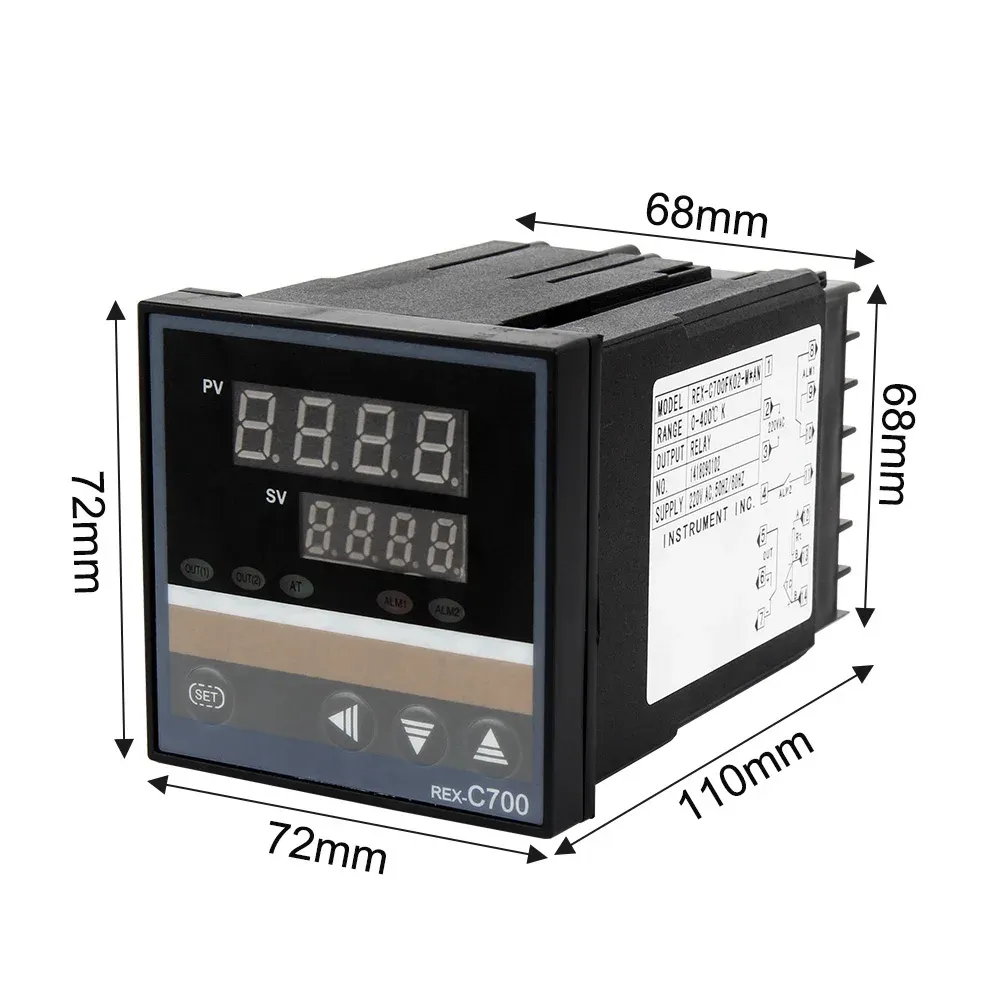
| Specification | Common Options | Industrial Importance |
|---|---|---|
| Input Sensor Type | Thermocouple, RTD, Analog Signal | Determines measurement accuracy and compatibility |
| Control Method | ON/OFF, PID Control | Affects temperature stability and response performance |
| Output Type | Relay, SSR, Current Output | Defines equipment connection capability |
| Display Function | Digital Display, Alarm Display | Improves monitoring efficiency |
PID Control Functions And Temperature Stability Evaluation
Advanced control algorithms improve temperature stability in demanding industrial environments. PID control combines proportional, integral, and derivative functions to reduce temperature fluctuations. The proportional function responds to current temperature differences. The integral function removes long-term deviations during operation. The derivative function predicts temperature changes and adjusts output faster. These functions work together to maintain consistent thermal performance. Industrial equipment such as ovens, machines, transformers, and production lines often require stable temperature control. Buyers evaluating industrial temperature control solutions should consider PID capability as an important factor. Proper PID adjustment can improve energy efficiency and protect equipment from overheating or unstable operation. A supplier with technical experience can assist with parameter configuration and application matching.
Communication Features And Smart Integration Capabilities
Modern industrial systems increasingly require connected control solutions. Communication functions allow controllers to exchange data with automation systems and monitoring platforms. Common communication protocols include RS485, Modbus RTU, and digital interfaces. These functions support centralized management and remote monitoring. Smart integration helps operators track temperature changes and identify abnormal conditions quickly. Network compatibility also improves production management efficiency. Buyers should consider whether controllers can connect with existing industrial systems. A reliable model should provide stable communication performance during continuous operation. Many factories prefer products with flexible settings because production environments often require different control strategies. Evaluating communication capability helps businesses prepare for future automation upgrades.
Material Quality And Structural Design For Industrial Reliability
Product construction affects service life and operational safety. Industrial temperature controllers require durable housings, stable circuit designs, and reliable internal components. High-quality materials help protect devices from dust, vibration, and temperature changes. The housing material should provide sufficient mechanical strength for industrial installation environments. Internal electronic components must support continuous electrical operation without frequent failures. Heat resistance and insulation performance also influence reliability. Some applications require additional protection because equipment operates in harsh environments. For example, transformer systems need specialized temperature monitoring solutions. Products such as Temperature Controller for Dry type Transformer OEM/ODM are designed for applications requiring accurate thermal protection and customized manufacturing support. Supplier experience in industrial environments helps ensure better product performance.
Supplier Capability And Quality Management Assessment
Supplier evaluation is essential because product consistency affects project success. Buyers should examine manufacturing experience, testing procedures, and production management systems. A capable supplier usually maintains strict inspection processes from component selection to final testing. Quality control may include electrical testing, temperature calibration, aging tests, and functional verification. These procedures reduce product defects and improve delivery reliability. Businesses should also review customization ability because different applications may require specific designs. Professional suppliers provide technical documents, installation support, and after-sales assistance. Choosing a supplier based only on price may create risks related to quality and service. A balanced evaluation considers product performance, production capability, and cooperation reliability.
Long Term Supplier Cooperation And Purchasing Value Analysis
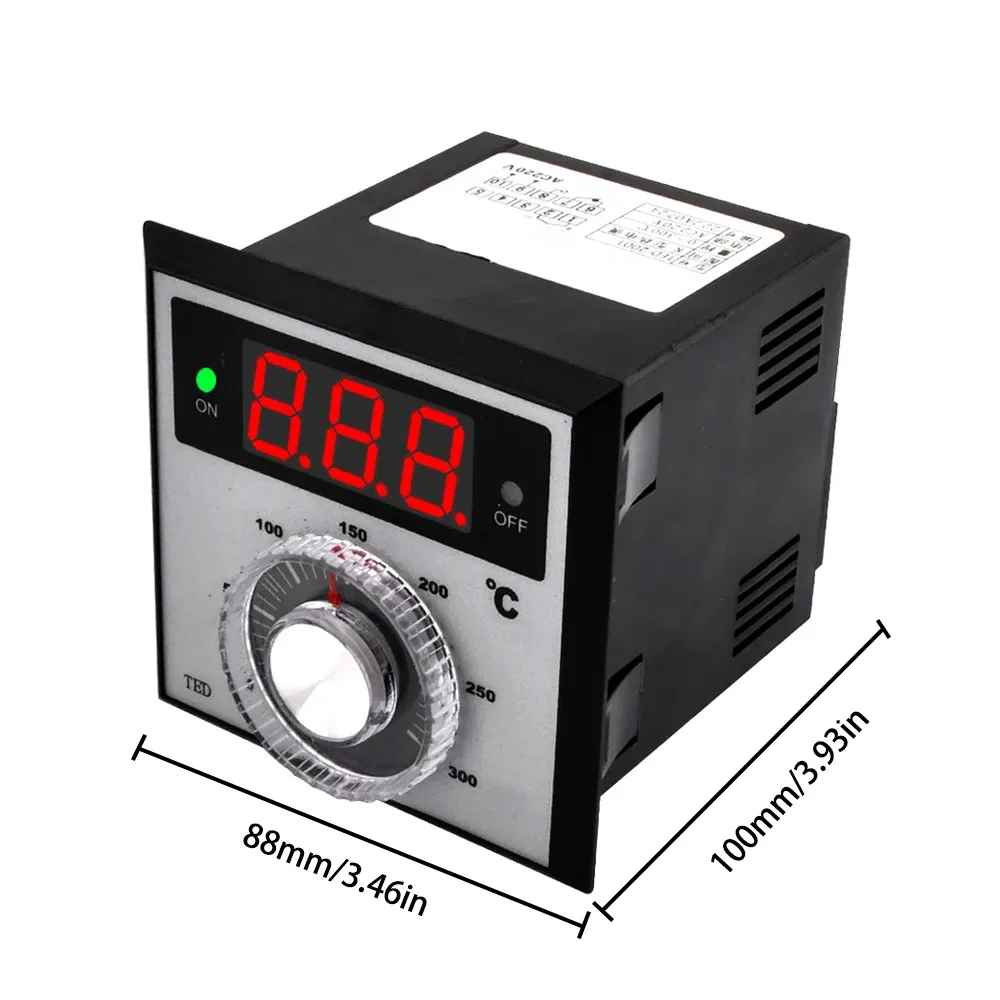
Stable supplier relationships create advantages beyond product delivery. Industrial buyers need consistent quality, technical support, and predictable supply capacity. A reliable partner can provide customized solutions, production planning assistance, and faster communication during projects. Purchasing decisions should consider total ownership value instead of only initial prices. Lower-cost products may create additional expenses through maintenance problems or frequent replacements. Professional suppliers usually focus on production control, component reliability, and customer requirements. When comparing wholesale industrial temperature controller options, buyers should evaluate supplier performance through quality records, delivery capability, and service response. Long-term cooperation can improve operational efficiency and reduce unnecessary procurement risks.
| Supplier Evaluation Factor | Key Assessment Points | Business Impact |
|---|---|---|
| Manufacturing Experience | Production years, technical team, industry applications | Improves product reliability and customization ability |
| Quality Control | Calibration tests, inspection systems, performance verification | Reduces product failures during operation |
| Customization Service | Design adjustment, function modification, OEM capability | Supports different industrial requirements |
| Technical Support | Installation advice, troubleshooting, documentation | Improves project efficiency and user experience |
Cost Factors And Total Value Considerations For Industrial Buyers
Price comparison requires a complete evaluation of product value. Initial purchasing costs represent only one part of the investment. Buyers should also consider maintenance frequency, energy consumption, replacement cycles, and technical support expenses. A controller with higher accuracy may reduce production losses caused by temperature deviations. Durable components can decrease downtime and improve equipment availability. Some suppliers provide customized solutions that match specific operating conditions. These services may increase initial costs but create better long-term benefits. Industrial purchasing teams should compare technical performance together with financial factors. A comprehensive cost evaluation helps companies select products that deliver stable performance throughout their service life.
Common Mistakes During Temperature Controller Selection
Many purchasing mistakes occur because buyers focus on limited specifications. Some companies select products only based on price without checking compatibility. Others ignore environmental conditions such as humidity, vibration, and operating temperature ranges. Incorrect sensor matching may reduce measurement accuracy and create unstable control results. Communication requirements are also often overlooked during system upgrades. Another common issue involves choosing suppliers without reviewing production capability or quality processes. Buyers should create clear technical requirements before requesting quotations. Important evaluation factors include:
- Confirm sensor compatibility with existing equipment.
- Review control accuracy and response performance.
- Check communication functions for system integration.
- Evaluate supplier testing procedures and certifications.
- Compare customization support for special applications.
Supplier Evaluation Factors For Stable Long Term Cooperation
A detailed supplier review helps businesses build reliable purchasing partnerships. After reviewing technical specifications and product features, buyers should analyze supplier service capabilities. Strong cooperation depends on communication efficiency, production flexibility, and quality consistency. Suppliers with professional engineering teams can provide better recommendations for different applications. They can also support product adjustments when equipment requirements change. Businesses should check whether suppliers maintain stable production schedules and effective quality management systems. These factors influence delivery reliability and project success.
A supplier evaluation process should include product testing records, customer support capability, and manufacturing resources. Careful assessment creates stronger cooperation opportunities and reduces potential operational challenges during future procurement activities.
Practical Selection Strategy For Wholesale Industrial Temperature Controller Purchasing
A structured selection process improves purchasing efficiency and reduces technical risks. Buyers should first define application requirements, including temperature range, sensor type, installation environment, and control objectives. The next step involves comparing product specifications from qualified suppliers. Technical teams should review performance data and confirm compatibility with existing systems. Field application experience can provide valuable references during decision-making. Products like WSK Dial-Type Temperature and Humidity Controller offer specific monitoring functions for applications requiring temperature and humidity observation. Supplier communication also plays an important role because technical discussions can identify potential issues before production. A detailed evaluation process helps businesses choose suitable solutions for industrial projects.
Advanced Features Supporting Future Industrial Development
Industrial automation continues to increase demand for intelligent control systems. Temperature controllers now provide improved displays, communication functions, alarm settings, and remote monitoring options. These features support better operational visibility and faster response to abnormal conditions. Future-ready products should adapt to changing production requirements. Flexible parameter settings allow users to adjust control strategies without replacing equipment. Energy efficiency also becomes important because optimized temperature management can reduce operational waste. Buyers should consider whether products can support future system expansion. Selecting advanced solutions helps companies maintain competitive production capabilities. A supplier with strong technical knowledge can recommend suitable features based on industry applications and project goals.
FAQ
How Does PID Control Improve Industrial Temperature Accuracy?
PID control improves industrial temperature accuracy by adjusting output signals according to temperature changes. The proportional function responds to current differences between actual and target temperatures. The integral function corrects continuous errors during long-term operation. The derivative function predicts future changes and reduces sudden temperature fluctuations. This control method helps industrial equipment maintain stable thermal conditions. Applications with strict temperature requirements often depend on PID technology because it improves consistency and reduces overheating risks. Buyers should check whether the controller supports adjustable PID parameters. Proper configuration allows the system to achieve better performance across different operating environments and production processes.
What Specifications Should Buyers Check Before Ordering Temperature Controllers?
Buyers should review several technical specifications before placing orders. Important factors include sensor compatibility, temperature range, control accuracy, output type, communication functions, and installation requirements. Different industrial applications require different configurations. For example, manufacturing equipment may need fast response control, while transformer systems may require stable monitoring over long periods. Product materials and protection levels also affect reliability in harsh environments. Supplier documentation should provide detailed technical information for evaluation. A professional supplier can recommend suitable models based on equipment conditions and operating requirements. Careful specification comparison helps prevent compatibility problems and improves purchasing efficiency.
Why Is Supplier Evaluation Important For Industrial Temperature Controller Purchasing?
Supplier evaluation helps buyers reduce quality risks and maintain stable supply performance. A qualified supplier should provide consistent production processes, reliable testing methods, and technical support. Manufacturing experience shows whether the company can handle different industrial applications. Quality management systems help ensure product reliability during continuous operation. Buyers should review production capability, inspection procedures, customization services, and communication efficiency. Strong suppliers can support product selection, installation guidance, and after-sales solutions. These factors influence long-term cooperation value. Choosing a supplier with professional capabilities creates better project stability and helps businesses achieve reliable temperature management performance.