How To Evaluate Line Earth Fault Indicator Suppliers?
Line earth fault indicator supplier evaluation with quality control,accurate detection,custom solutions,and reliable power system support.
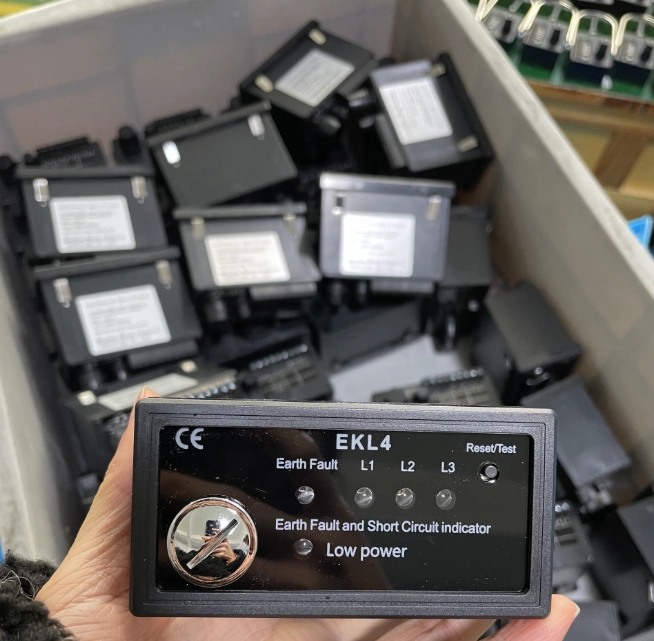
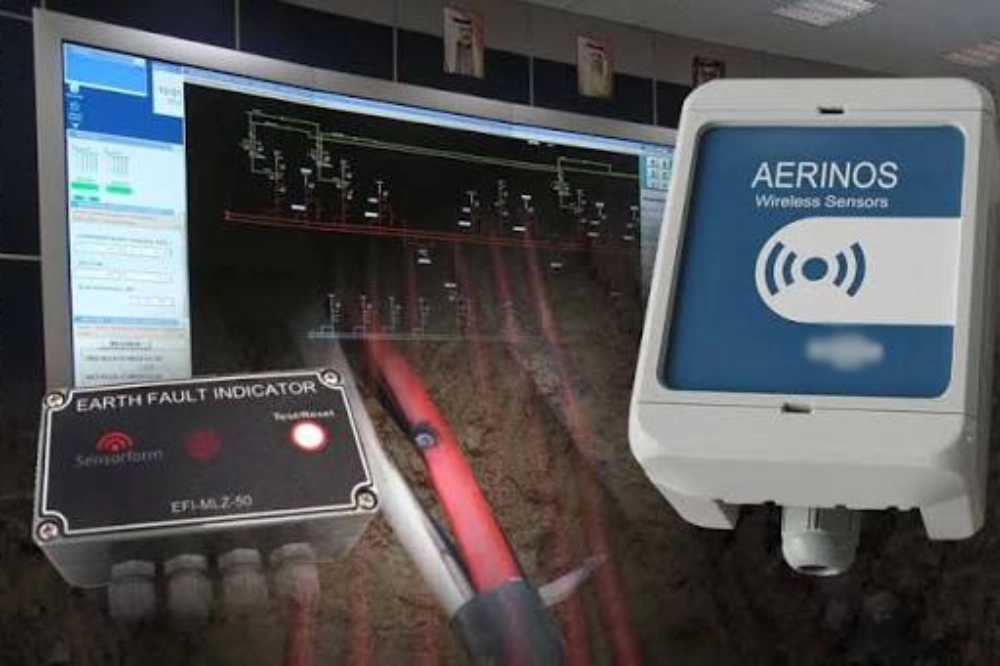
Electrical distribution networks require accurate fault identification to reduce downtime and improve maintenance efficiency. Choosing a qualified line earth fault indicator supplier helps buyers receive stable products with dependable detection performance. Professional evaluation should focus on technical capability, manufacturing control, product reliability, and service support. Fault indicators work in challenging environments, including outdoor substations and overhead distribution lines. Therefore, suppliers must provide equipment that maintains accuracy under temperature changes, electrical interference, and long operating periods. Buyers should review production experience, testing procedures, and engineering support before making purchasing decisions. A complete evaluation process reduces operational risks and supports safer power management systems.
How Line Earth Fault Indicator Supplier Quality Affects System Reliability
Product quality directly influences the performance of fault monitoring equipment in distribution networks. A professional line earth fault indicator supplier should maintain strict production standards from component selection to final inspection. Reliable suppliers usually control key factors such as sensor sensitivity, housing durability, communication stability, and installation compatibility. Detection accuracy depends on precise current measurement technology and effective signal processing methods. Manufacturing teams should perform electrical tests, environmental simulations, and functional inspections before delivery. Buyers can evaluate quality through certifications, production records, and sample testing results. These factors demonstrate whether a supplier can provide consistent products for different power system applications and long-term projects.
Technical Specifications Define Product Performance Standards
Technical specifications provide important information about fault indicator capabilities and application suitability. Buyers should examine detection current ranges, response times, operating temperatures, communication methods, and protection levels. Advanced devices often include remote monitoring functions, wireless communication, and visual alarm systems. Engineers should check whether products match specific network conditions before purchase decisions. Some suppliers provide equipment with customized parameters for different voltage levels and installation environments. For example, an Integrated Indicator for Voltage Presence Grounding Fault combines multiple monitoring functions into one solution for improved operational efficiency. Detailed specification analysis allows buyers to compare products objectively and select equipment that matches project requirements without unnecessary limitations.
| Evaluation Factor | Important Parameters | Buyer Consideration |
|---|---|---|
| Detection Performance | Current range, sensitivity, response speed | Check accuracy in different fault conditions |
| Environmental Protection | Temperature range, waterproof rating, material strength | Confirm outdoor application suitability |
| Communication Function | Wireless transmission, remote monitoring | Match system integration requirements |
Manufacturing Capability Shows Supplier Reliability
Manufacturing capability represents the foundation of stable electrical equipment supply. A reliable line earth fault indicator supplier should operate organized production processes with skilled technicians and professional testing facilities. Factory evaluation should include assembly procedures, quality inspection stages, and production capacity.Experienced manufacturers usually maintain detailed records for incoming materials, production adjustments, and finished product verification.They also manage component consistency to prevent performance differences between production batches.
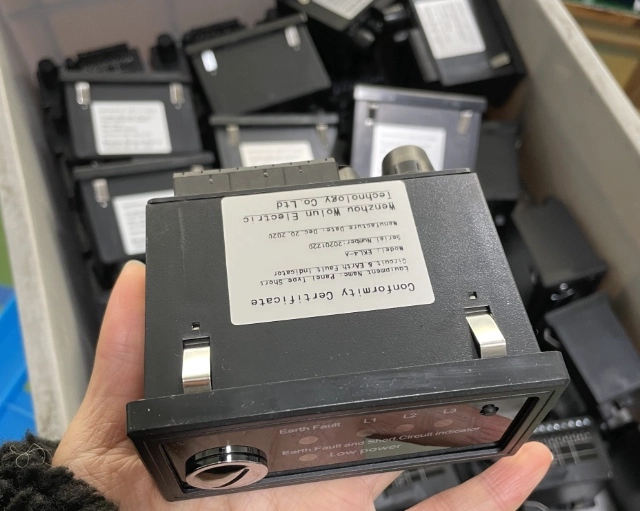
Buyers should review factory experience, engineering resources, and production management systems. Suppliers with strong manufacturing capabilities can respond faster to customized orders and provide better technical solutions. This approach creates more predictable cooperation and reduces supply risks during large-scale electrical projects.
- Check supplier production experience and technical resources.
- Review quality inspection methods and testing equipment.
- Confirm customization ability for different network applications.
- Evaluate delivery capability and after-sales service systems.
Professional Evaluation Methods Improve Supplier Selection Results
A systematic evaluation process helps buyers identify suitable manufacturers from multiple options. The selection process should include product verification, factory assessment, and communication review. Buyers can request samples to test installation convenience, detection response, and operational stability. Factory visits or remote audits can reveal production management quality and technical capabilities. A strong evaluation method also examines supplier communication efficiency because technical support affects project progress. Professional teams should provide clear documentation, installation instructions, and maintenance recommendations. By checking these areas carefully, buyers can avoid suppliers with limited resources and choose partners that deliver consistent electrical solutions. Detailed assessment creates stronger cooperation and improves project success rates.
| Supplier Assessment Area | Inspection Content | Expected Result |
|---|---|---|
| Factory Management | Production flow, workforce skills, inspection process | Stable manufacturing quality |
| Technical Support | Engineering advice, documentation, customization | Efficient project implementation |
| Service Capability | Response speed, warranty policy, spare support | Reliable long-term cooperation |
Material Selection Influences Fault Indicator Durability
Material quality affects equipment lifespan, protection performance, and outdoor reliability. Professional manufacturers carefully select materials for housings, connectors, sensors, and internal electronic components. Durable polymer or metal enclosures protect devices from moisture, dust, and mechanical impact. High-quality connectors maintain stable electrical contact during long operation periods. Sensor components require precise manufacturing because small variations may influence fault detection accuracy. Environmental resistance is especially important for equipment installed on poles or exposed distribution lines. Suppliers should provide material information and testing data to verify product durability. Careful material management shows manufacturing professionalism and helps electrical operators reduce maintenance frequency. Strong material choices support safer and more efficient power distribution networks.
Customization Services Support Different Electrical Applications
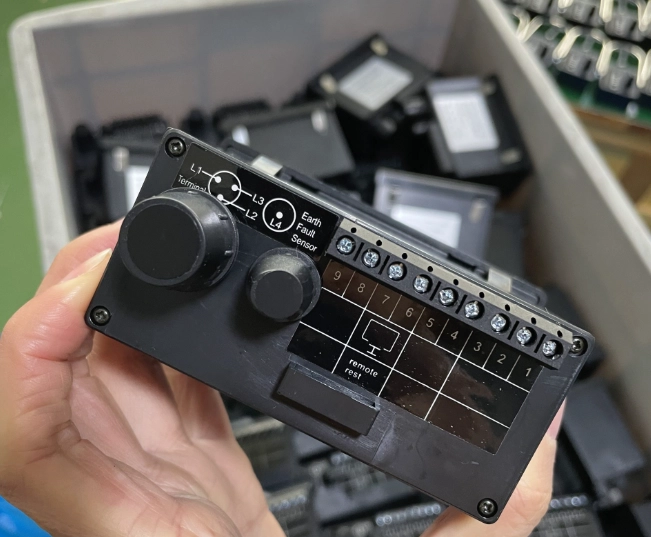
Electrical projects often require different configurations based on network structures and operational conditions. Suppliers with customization capabilities can adjust product functions, communication systems, and installation designs according to customer needs. Custom solutions may include different alarm methods, monitoring interfaces, or mechanical structures. A capable manufacturer should provide engineering discussions before production begins. The EKL4 W Current Temperature and Fault Online Monitor OEM/ODM solution represents how customized monitoring products can support specialized applications.
Cooperation with flexible manufacturers allows buyers to develop products that fit specific requirements. Customization also helps brands improve market competitiveness by offering equipment designed for particular industries and regional standards.
Service Support Creates Long-Term Cooperation Value
After-sales service plays an important role in electrical equipment performance throughout its lifecycle. A dependable supplier should provide technical assistance, troubleshooting support, and replacement recommendations after delivery. Maintenance teams benefit from clear product documents and responsive communication channels. Suppliers with professional service systems can help users solve installation problems quickly and reduce operational interruptions. Warranty policies also reflect supplier confidence in product quality. Buyers should evaluate service commitments before final cooperation decisions. A manufacturer that provides continuous support can become a valuable technical partner rather than only an equipment provider. Strong service improves customer satisfaction and creates stable relationships in competitive electrical markets.
Selecting A Reliable Line Earth Fault Indicator Supplier Through Professional Evaluation
Selecting the right line earth fault indicator supplier requires careful analysis of product quality, technical strength, and service capability. Buyers should avoid focusing only on initial pricing because long-term performance creates greater value. Reliable suppliers invest in research, manufacturing improvement, and quality management systems. They provide accurate products, flexible solutions, and professional support throughout cooperation. Market demand continues to increase for intelligent monitoring equipment with better communication functions and higher reliability. Therefore, supplier evaluation should consider current requirements and future technology development. A comprehensive selection process helps organizations achieve safer power distribution operations and maintain stable equipment performance over extended service periods.
Future Development Trends Affecting Fault Monitoring Equipment
The electrical industry continues moving toward intelligent monitoring and digital management systems. Future fault indicators will integrate advanced communication technologies, remote diagnostics, and data analysis functions. Suppliers must improve research capabilities to meet changing customer expectations. The line earth fault indicator supplier market will increasingly value manufacturers that combine hardware reliability with smart monitoring features. Digital platforms allow operators to collect equipment information and improve maintenance planning. Environmental protection requirements may also influence material choices and production methods. Manufacturers that follow technology trends can provide more competitive solutions. Buyers should evaluate supplier innovation ability because future projects will require more intelligent and efficient fault detection systems.
FAQ
What Technical Features Should Buyers Check Before Selecting A Supplier?
Buyers should review several technical features before selecting a fault monitoring equipment supplier. Important factors include detection sensitivity, response speed, operating temperature range, communication functions, and protection ratings. Product compatibility with existing distribution systems should also receive attention. Reliable suppliers provide detailed specifications and testing reports to confirm performance. Engineering support is valuable because different electrical networks may require customized settings. Buyers should also check whether products support future upgrades and intelligent monitoring functions. A supplier with strong technical knowledge can provide better solutions for complex applications and help reduce operational problems during equipment installation and maintenance.
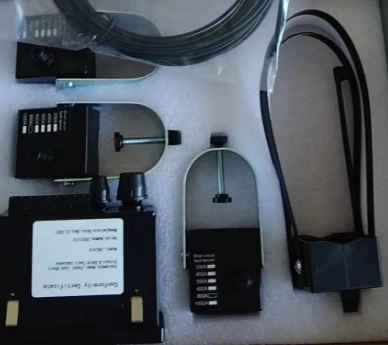
They can recommend suitable designs, materials, and configurations based on project requirements. Long-term industry experience also helps suppliers improve production processes and solve technical problems faster. Buyers benefit from manufacturers that have handled various installation scenarios and customer requirements. Experienced teams often provide clearer documentation, better communication, and more practical solutions. Choosing a supplier with proven industry knowledge reduces project uncertainty and supports reliable operation throughout the equipment lifecycle.
How Can Quality Control Affect Fault Indicator Performance?
Quality control directly affects product consistency, reliability, and service life. Professional suppliers usually inspect materials, electronic components, assembly processes, and finished products through multiple procedures. Testing helps identify potential issues before equipment reaches customer sites. Strong quality management reduces failure risks caused by manufacturing differences or component defects. Buyers should review supplier inspection methods, certification records, and production management systems. Reliable quality control also supports stable performance under difficult environmental conditions. When suppliers maintain strict standards throughout production, customers receive equipment with better accuracy, durability, and operational confidence. This creates stronger value for long-term electrical infrastructure projects.
Why Is Supplier Experience Important For Electrical Distribution Projects?
Supplier experience influences technical support quality, product development capability, and project execution efficiency. Experienced manufacturers usually have deep knowledge of different electrical environments and common application challenges.