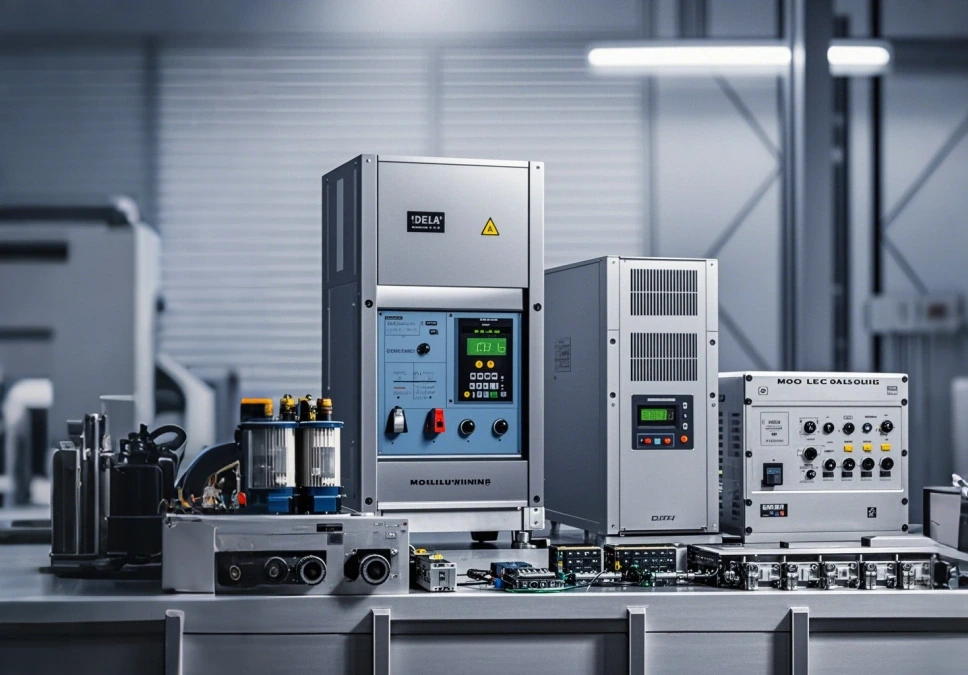
Is Controlling Temperature and Humidity Needed Industry?
Controlling temperature and humidity in electrical cabinets improves reliability,prevents condensation, and protects equipment performance.
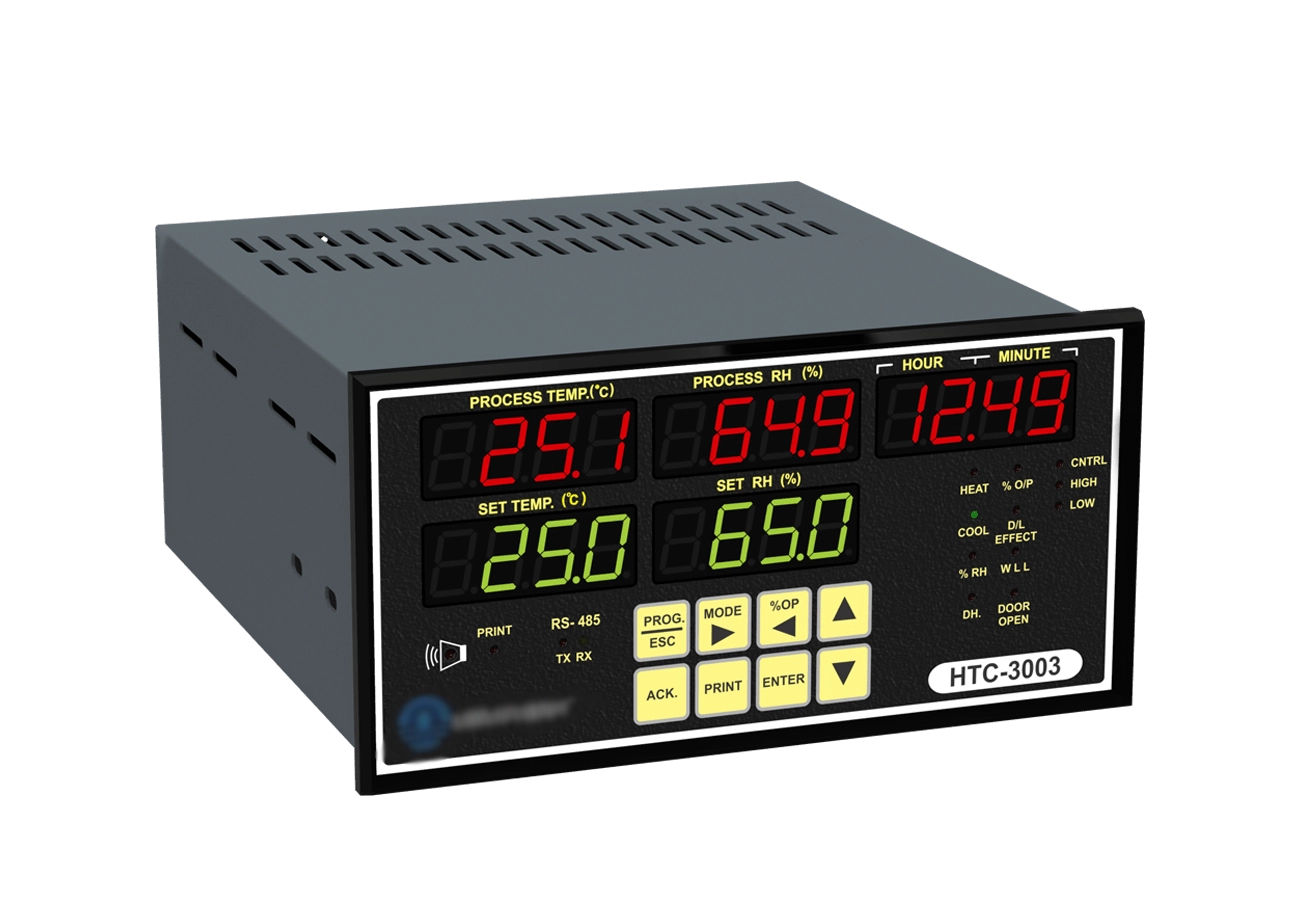
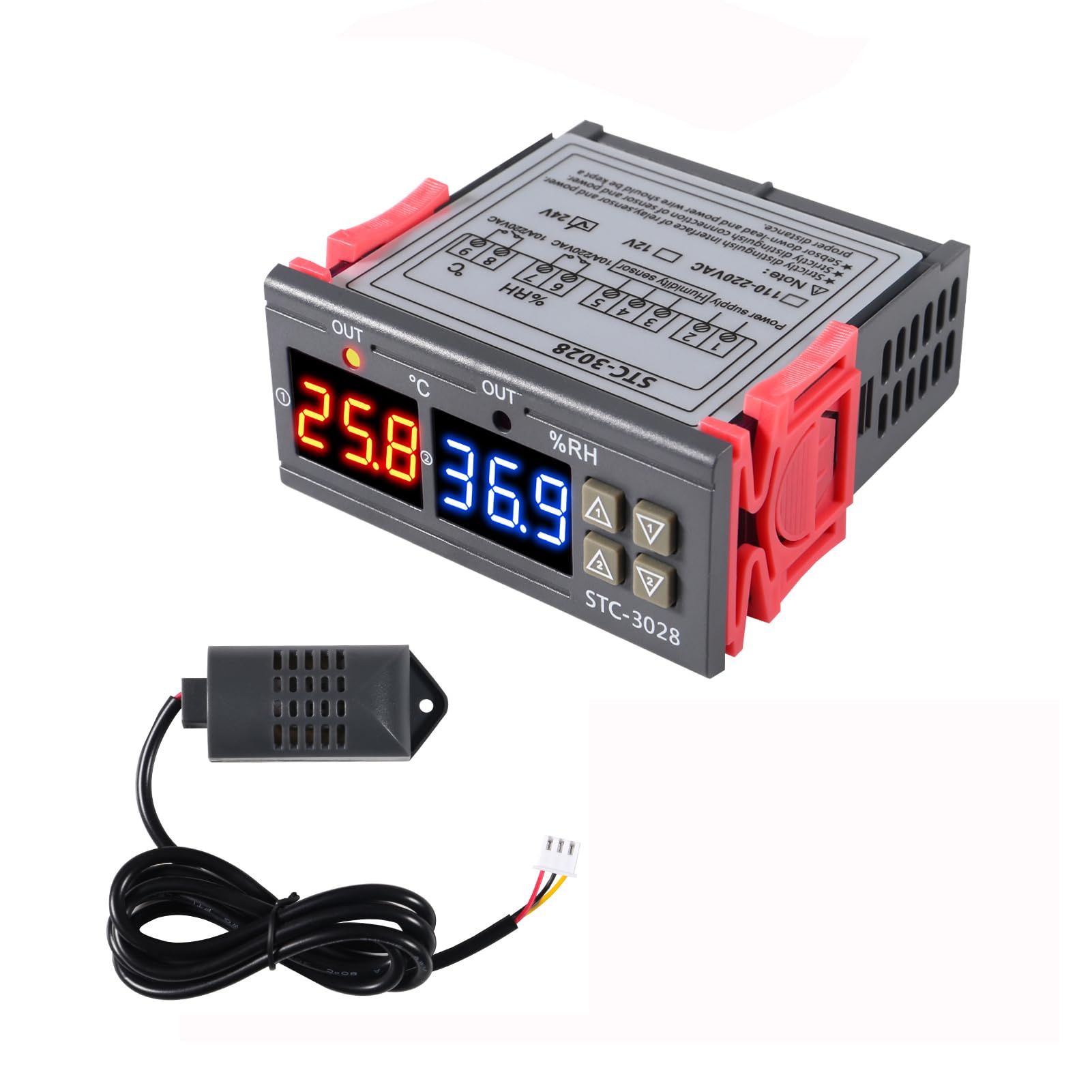
Industrial Importance of controlling temperature and humidity in Electrical Enclosures
Electrical enclosures rely on stable internal conditions to ensure safe operation of sensitive components. The concept of controlling temperature and humidity is essential in preventing condensation, corrosion, and insulation failure inside control cabinets. Electrical devices generate heat during operation, while external environments may introduce moisture that accumulates inside sealed panels. Without regulation, this imbalance leads to short circuits and premature component aging. Industrial electrical systems depend on environmental stability to maintain continuous operation and reduce maintenance frequency. Proper environmental regulation extends the lifespan of relays, PLC systems, and power distribution units.
Why controlling temperature and humidity matters in Control Cabinet Systems
Control cabinets house critical electrical components that require stable operating conditions. Temperature fluctuations inside enclosures can affect relay switching behavior and circuit stability. Humidity variations increase the risk of oxidation on terminals and conductive paths. The importance of controlling temperature and humidity becomes clear in environments where cabinets are installed outdoors or in humid industrial zones. Even minor moisture accumulation can cause insulation degradation over time. Engineers design cabinet layouts with ventilation balance and sealed protection structures to minimize external environmental impact. Consistent internal conditions ensure predictable electrical performance and system safety.
Impact of Environmental Stability on Electrical Component Reliability
Electrical components inside control systems are highly sensitive to environmental changes. Moisture exposure leads to corrosion on connectors, while excessive heat accelerates insulation aging. In power distribution systems, instability can cause unexpected shutdowns or signal interference. Reliable operation depends heavily on controlling temperature and humidity within acceptable thresholds. Condensation inside enclosures is one of the most common failure causes in field installations. Proper environmental regulation prevents leakage currents and maintains dielectric strength. As electrical systems become more compact, environmental sensitivity increases significantly.
Role of Temperature And Humidity Control in Electrical Cabinet Protection
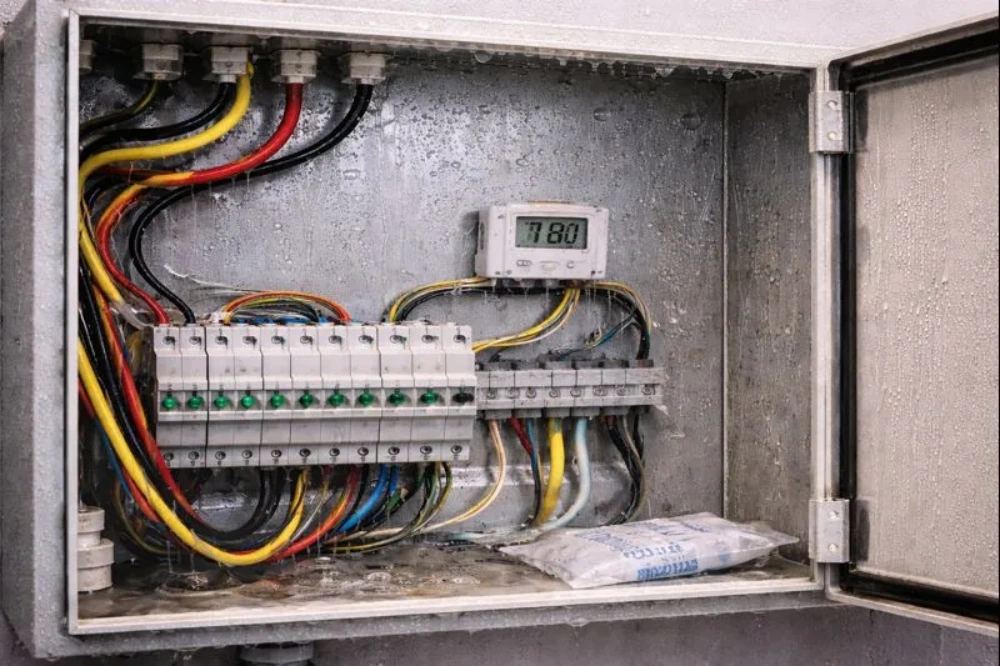
Electrical cabinets installed in outdoor or semi-enclosed environments face continuous environmental stress. Moist air entering during cooling cycles can condense on internal surfaces when temperatures drop. This phenomenon increases the risk of short circuits and component failure. Maintaining controlled internal conditions ensures long-term stability of control systems. Ventilation design alone is often insufficient without active regulation devices. Engineers integrate compact controllers and heaters to maintain balance inside enclosures. Consistent regulation reduces downtime and improves operational reliability in electrical distribution systems.
HVAC and Microclimate Management in Electrical Enclosure Design
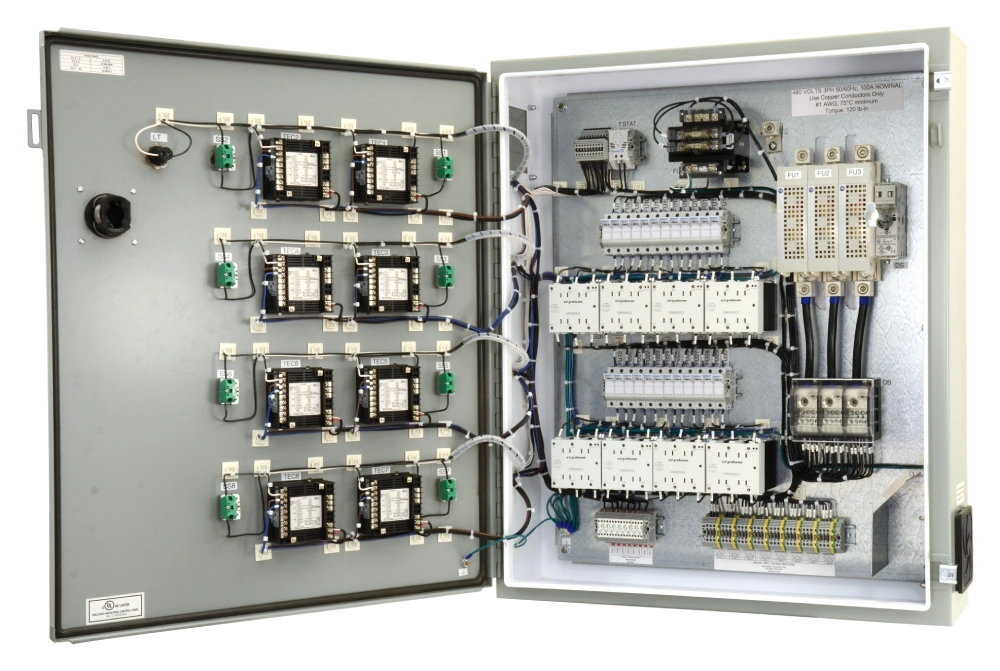
Unlike large industrial HVAC systems, electrical cabinets require micro-environment control solutions. These systems focus on localized temperature and humidity stabilization within sealed enclosures. Small-scale heaters, fans, and sensors work together to maintain equilibrium. Airflow must be carefully controlled to avoid dust ingress while still preventing condensation buildup. Energy efficiency is critical because cabinet systems operate continuously in many installations. Proper design ensures that internal components remain within safe operating ranges without excessive power consumption.
| Component | Function | Benefit in Electrical Cabinets |
|---|---|---|
| Cabinet Heater | Prevents condensation | Reduces moisture accumulation |
| Humidity Sensor | Monitors internal moisture | Enables real-time adjustment |
| Cooling Fan | Controls temperature rise | Maintains thermal balance |
These components work together to ensure stable internal conditions, especially in environments with large temperature differences between day and night.
Standards for Electrical Temperature And Humidity Control Systems
Electrical enclosure environmental systems follow safety and performance guidelines defined by international electrical standards. IEC-based enclosure protection classifications define acceptable ingress levels for dust and moisture. These standards ensure that cabinets maintain operational safety under defined environmental conditions. Compliance also helps manufacturers design systems that can withstand long-term field deployment. Testing includes condensation resistance, thermal cycling, and humidity endurance evaluation. Standardized requirements improve reliability and ensure compatibility across global electrical infrastructure systems.
Measurement Technologies Used in Cabinet Environmental Monitoring
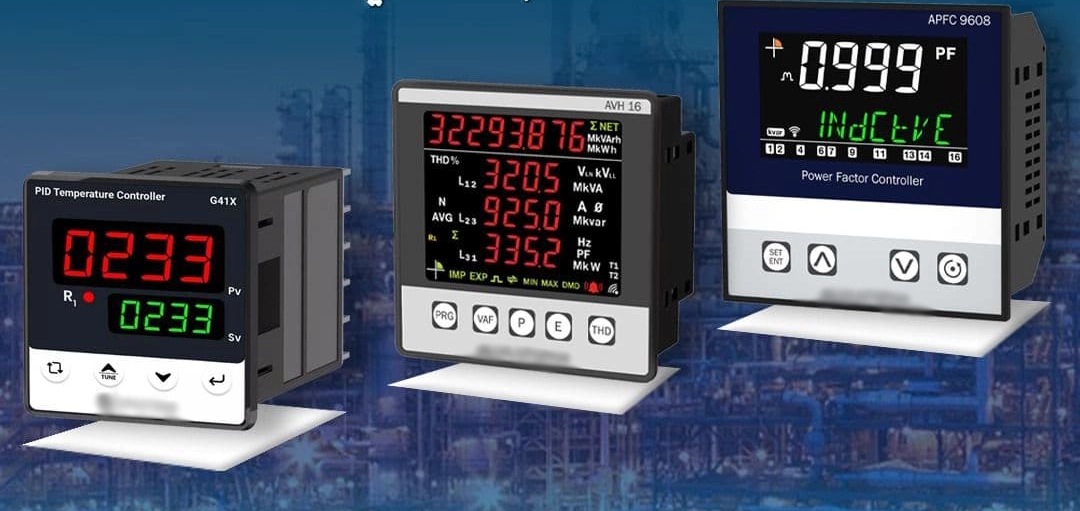
Accurate monitoring is essential for maintaining stable cabinet conditions. Sensors installed inside enclosures continuously measure temperature and humidity levels. Capacitive humidity sensors are widely used due to their stability and precision. Digital controllers process real-time data and trigger heating or ventilation adjustments when thresholds are exceeded. Calibration ensures measurement accuracy over long operational cycles. Industrial-grade sensors are designed to withstand electrical noise and confined environments.
- Capacitive humidity sensors for stable moisture detection
- NTC thermistors for fast temperature response
- Integrated controller modules for automated regulation
After sensor integration, systems can respond dynamically to environmental changes, improving protection for internal electrical components.
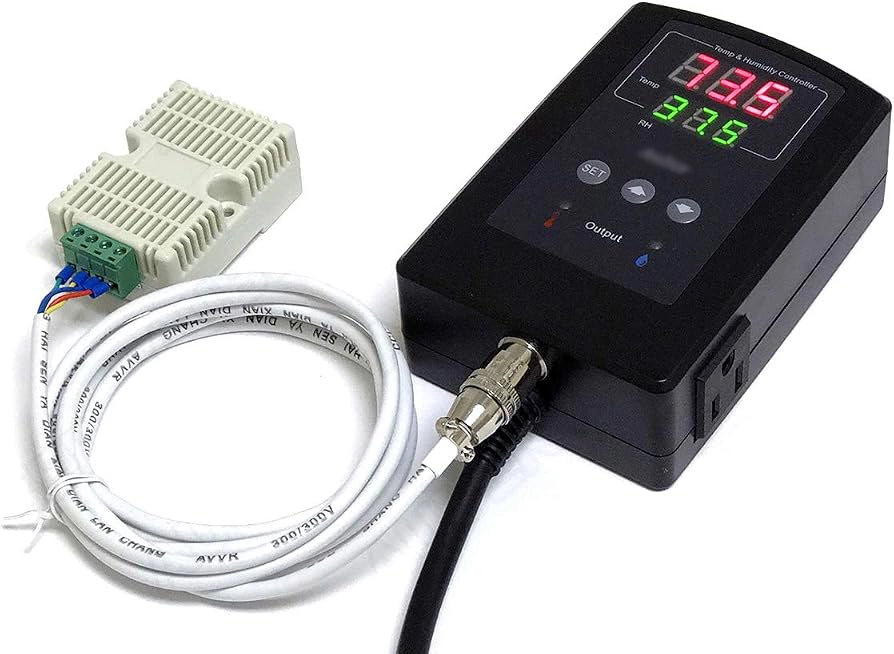
Controlling Temperature and Humidity and Energy Efficiency in Electrical Cabinets
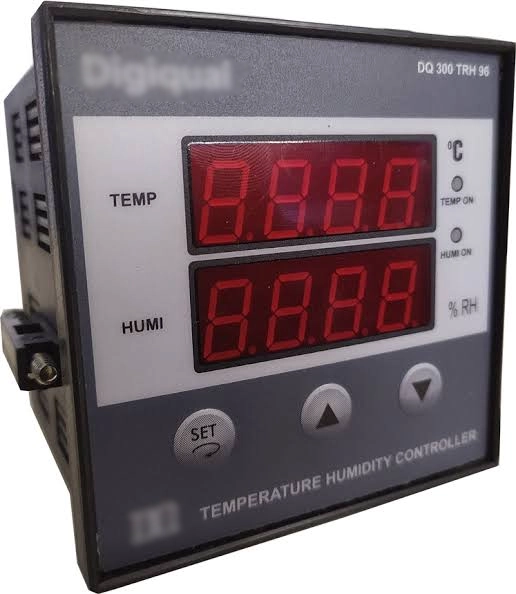
Energy efficiency is a key consideration in enclosure environmental systems. Overheating or excessive heating cycles increase operational power consumption. Intelligent control strategies reduce unnecessary activation of heaters and fans. By maintaining stable thresholds, systems optimize energy usage while ensuring protection. Efficient regulation reduces long-term operational costs and improves system sustainability.The WSK Digital Precision Temperature and Humidity Controller is widely applied in electrical cabinets to provide accurate feedback control and optimize energy usage through intelligent regulation logic.Balanced control ensures that protection is maintained without excessive energy waste.
Cost and Benefit Analysis of Electrical Cabinet Environmental Control
Installing environmental control systems in electrical enclosures involves both hardware and operational costs. Initial investment includes sensors, controllers, heaters, and cooling modules. Maintenance costs involve periodic calibration and component replacement. However, the benefits include reduced failure rates, lower downtime, and extended equipment lifespan.
| Cost Element | Description | Operational Impact |
|---|---|---|
| Device Installation | Controllers and sensors setup | Initial infrastructure cost |
| Maintenance | Calibration and replacement | Ensures long-term accuracy |
| Energy Consumption | Heating and cooling operation | Optimized through smart control |
These systems provide long-term protection for electrical infrastructure and reduce expensive field failures.
Future Trends in controlling temperature and humidity for Smart Electrical Cabinets
Future electrical systems are moving toward intelligent enclosure protection. Smart controllers integrate predictive algorithms to adjust conditions before instability occurs. IoT connectivity allows remote monitoring of distributed cabinet networks. Data-driven optimization improves response speed and energy efficiency. Compact integrated modules reduce installation complexity while improving performance consistency.The HK Temperature and Humidity Controller for Cabinets is widely used in modern smart electrical enclosures to maintain localized stability and protect sensitive control systems.Advanced systems will continue to evolve toward fully autonomous environmental regulation inside electrical infrastructure.
FAQ
Why is temperature and humidity control critical in electrical cabinets?
Electrical cabinets contain sensitive components that require stable environmental conditions to operate reliably. Moisture inside enclosures can cause corrosion on terminals and conductive paths, while temperature fluctuations affect insulation performance. Without regulation, condensation may form during cooling cycles, increasing the risk of short circuits. Controlling temperature and humidity ensures that internal conditions remain within safe operating limits. This improves system reliability, reduces maintenance needs, and extends equipment lifespan. In outdoor or semi-enclosed installations, environmental control becomes essential for preventing unexpected electrical failures and maintaining continuous system operation.
What electrical systems benefit most from enclosure environmental control?
Power distribution cabinets, automation control panels, and communication control enclosures benefit significantly from environmental control systems. These installations often operate in environments with fluctuating temperature and humidity levels. Outdoor electrical cabinets are especially vulnerable to condensation and moisture ingress. Industrial control systems also require stable internal conditions to maintain signal integrity and switching reliability. Even compact distribution boxes in commercial buildings benefit from controlled environments. Any system containing relays, PLC modules, or sensitive electronic boards depends on stable internal conditions to ensure long-term operational safety and performance consistency.