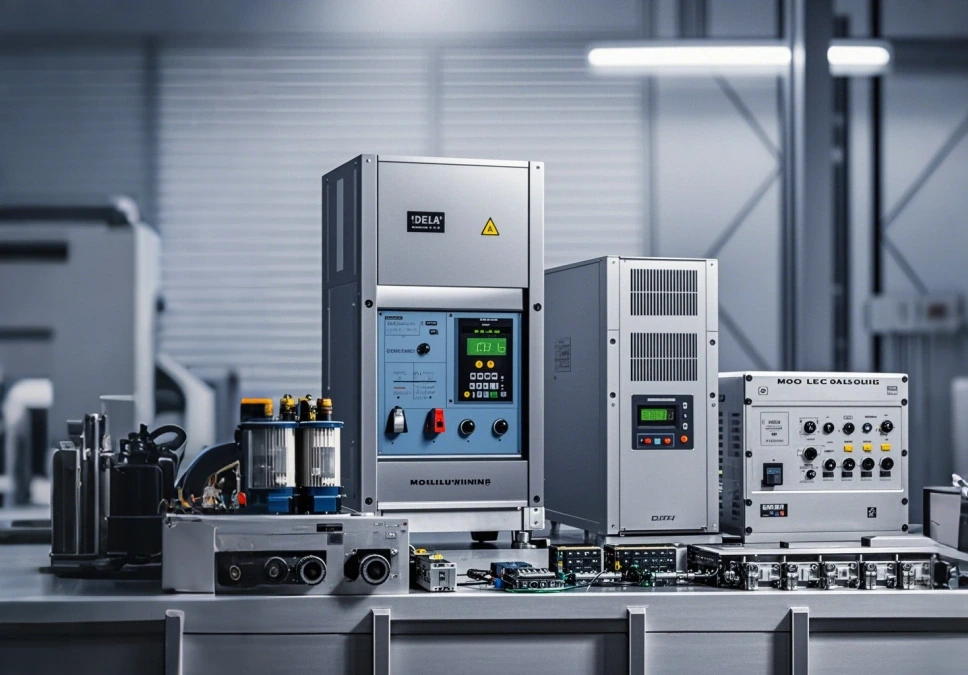
Temperature Controller Supplier: How To Choose Right?
Temperature controller supplier selection factors including PID performance, sensor types, quality inspection, and smart control functions.
Choosing a temperature controller supplier requires careful evaluation of engineering experience, production ability, and technical knowledge. Industrial buyers need partners who can provide stable products for different operating environments. A reliable supplier should have experience with temperature algorithms, circuit design, sensor compatibility, and application requirements. Professional teams can analyze heating systems, cooling equipment, and automation processes before recommending suitable solutions. Strong technical capability also includes product testing, firmware development, and quality management. Suppliers with practical industrial experience usually provide better support because they can identify possible risks during product selection. This capability helps buyers reduce installation problems and improve equipment performance over long-term operation.
Checking Temperature Control Technology And Product Performance
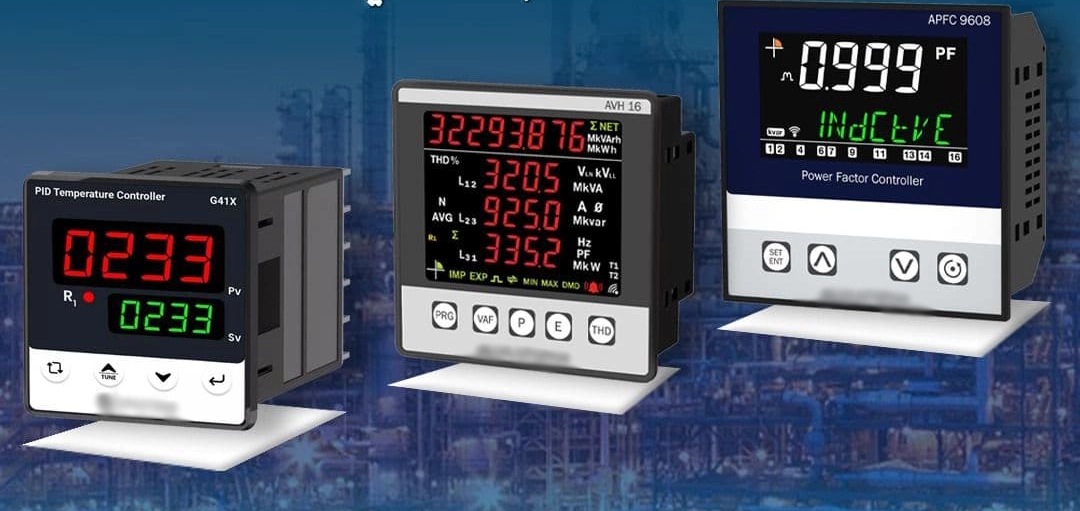
Temperature control technology directly affects system stability, energy efficiency, and equipment protection. A professional supplier should offer products with accurate control methods, including PID control, ON/OFF control, and intelligent adjustment functions. PID technology uses proportional, integral, and derivative calculations to reduce temperature fluctuations and maintain stable output. Control accuracy, response speed, and operating range are important performance indicators for industrial applications. The selected temperature controller should match the required heating or cooling process. A temperature controller supplier with strong technical support can explain parameters such as sampling rate, control cycle, alarm settings, and output options. These details help buyers select suitable products instead of relying only on basic specifications.
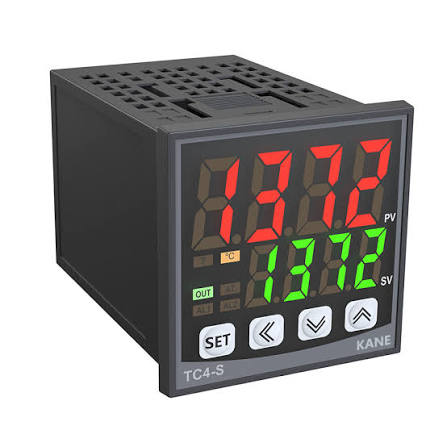
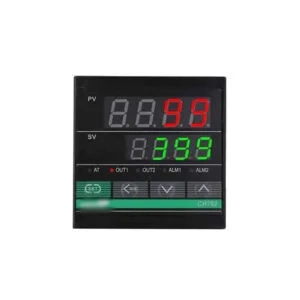
Selecting A Temperature Controller Supplier With Reliable Customization Options
Different industrial systems often require customized temperature control functions, so selecting a temperature controller supplier with flexible solutions is important. Customization may include panel dimensions, display designs, input signals, output modules, communication interfaces, and software settings. Industrial equipment manufacturers often need controllers that fit existing electrical structures without major modifications. Suppliers should evaluate application requirements before producing customized models. For example, some projects require multiple alarm functions, while others need remote monitoring through industrial networks. A capable supplier can adjust hardware and software according to customer requirements. This approach improves compatibility and creates more efficient temperature management systems for specialized industrial applications.
Comparing Temperature Sensor Compatibility And Input Options
Temperature sensors determine measurement accuracy and directly influence controller performance. Industrial controllers commonly support thermocouples, RTD sensors, and thermistors. Thermocouples provide wide temperature ranges and suit high-temperature environments such as furnaces and processing equipment. RTD sensors, including PT100 and PT1000 models, offer excellent accuracy and stability for precision applications. Thermistors provide fast response times and work well in compact devices. Buyers should check sensor types, input ranges, and signal compatibility before selecting equipment. The following table shows common sensor options and their typical characteristics.
| Sensor Type | Main Feature | Typical Application |
|---|---|---|
| Thermocouple | Wide temperature range and strong durability | Industrial heating systems |
| RTD | High accuracy and stable measurement | Precision process control |
| Thermistor | Fast response and compact structure | Small electronic equipment |
Reviewing Manufacturing Quality Control And Testing Standards
Manufacturing quality determines product reliability, especially in continuous industrial operations. Buyers should review inspection procedures, component selection, and production testing methods before cooperation. A professional temperature controller supplier should conduct electrical safety checks, calibration tests, aging tests, and functional verification. Quality control systems help prevent issues such as inaccurate readings, unstable outputs, or communication failures. Important evaluation points include:
- Incoming inspection for electronic components and raw materials.
- Automatic testing during circuit production and assembly.
- Calibration verification for temperature measurement accuracy.
- Final performance testing before shipment.
A complete quality process creates consistent products and reduces maintenance costs. Suppliers with strict testing standards can provide stronger confidence for industrial projects requiring stable operation.
Analyzing Testing Procedures And Reliability Management
Quality testing involves more than checking finished products. Reliable manufacturers create controlled processes throughout production stages. Component selection affects circuit durability, while software testing ensures accurate control logic. Environmental testing can evaluate performance under temperature changes, vibration, and electrical interference. Calibration equipment verifies whether measured values match actual temperatures. Industrial buyers should request information about testing methods, inspection records, and quality certifications. Products such as Temperature Controller for Dry type Transformer OEM/ODM require specialized attention because transformer protection depends on accurate temperature monitoring. Proper testing ensures controllers can respond quickly when temperatures exceed safe limits. Reliable production management supports safer operation and longer equipment service life.
Communication Functions And Smart Control Features
Modern industrial systems often require communication functions for centralized monitoring and automation management. Controllers with RS485, Modbus RTU, Ethernet, or other industrial communication methods can connect with control platforms. These functions allow operators to monitor temperature data, adjust parameters, and collect operational information remotely. Smart control features can improve efficiency by supporting automatic adjustments and fault notifications. Buyers should check communication compatibility with existing systems before purchasing. A professional supplier should provide technical documents, communication protocols, and configuration support. Advanced communication capabilities are especially useful in factories with multiple machines because they simplify management and improve production visibility.
Key Factors For Industrial Buyers When Choosing Temperature Control Solutions
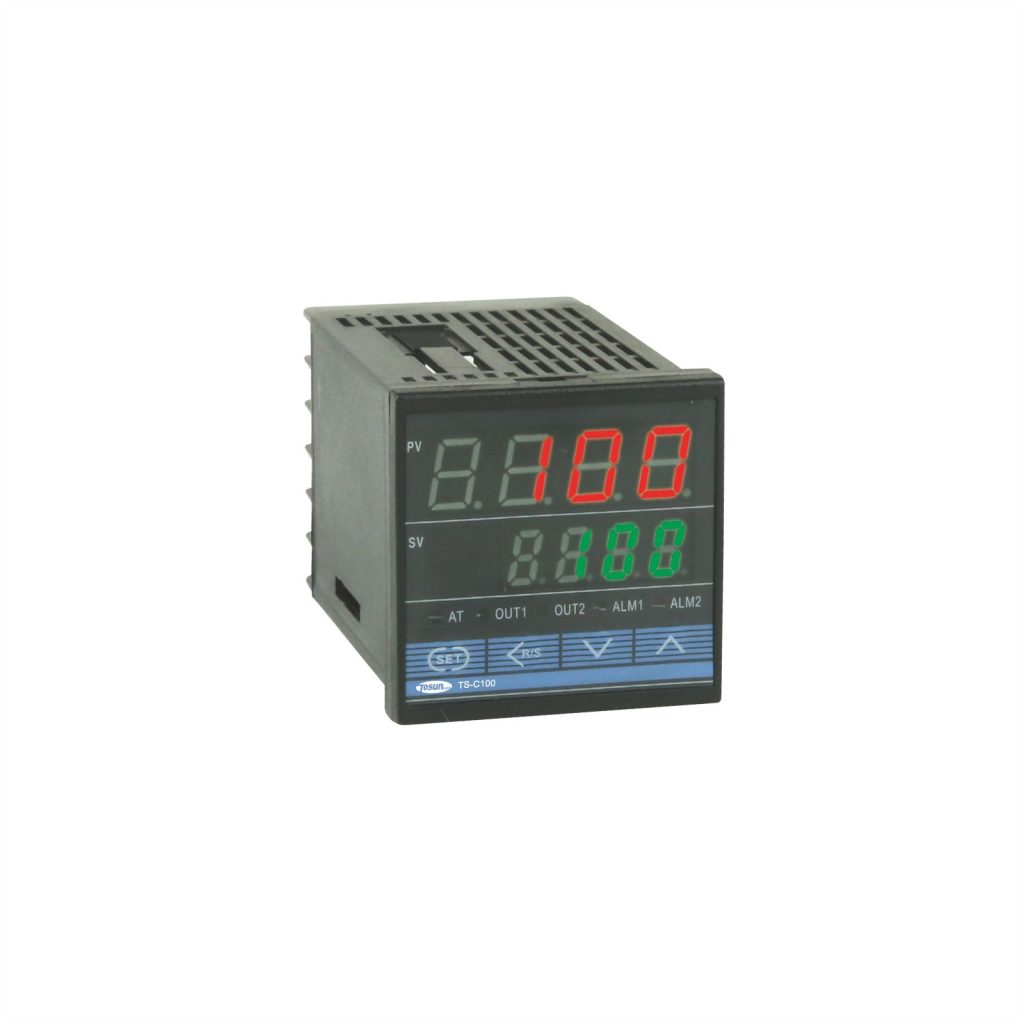
Industrial buyers should evaluate several factors before selecting a temperature control solution. The following table summarizes important purchasing considerations.
| Evaluation Factor | Importance | Buyer Consideration |
|---|---|---|
| Control Accuracy | Ensures stable operation | Check precision range and calibration process |
| Customization Ability | Improves equipment compatibility | Confirm hardware and software adjustment options |
| Production Capacity | Supports stable supply | Review manufacturing resources and delivery ability |
| Technical Support | Reduces application risks | Evaluate response speed and expertise |
Evaluating these factors helps buyers compare suppliers more effectively. A strong purchasing decision should consider product performance, engineering support, and future cooperation potential. Reliable temperature solutions depend on both hardware quality and supplier service capability.
Comparing Different Temperature Controller Supplier Options For Industrial Applications
Different suppliers provide different levels of service, customization, and technical support. Buyers should compare standard product providers, customized solution companies, and industrial automation specialists. The following comparison helps clarify common differences between supplier types.
| Supplier Type | Advantages | Suitable Projects |
|---|---|---|
| Standard Product Supplier | Fast delivery and common models | General equipment applications |
| Custom Solution Provider | Flexible design and adaptation | Special industrial systems |
| Automation Specialist | Advanced integration capability | Complex production lines |
The comparison shows why supplier selection should match project requirements. Some buyers need simple controllers with quick delivery, while others require advanced customization and integration support. The right choice depends on technical demands, production conditions, and future expansion plans. Careful evaluation reduces replacement costs and improves system reliability.
Ensuring Long-Term Cooperation With The Right Industrial Partner
Long-term cooperation depends on product consistency, communication quality, and technical support. A reliable supplier should maintain stable production processes and provide timely assistance after delivery. Buyers should consider supply chain management, spare parts availability, and product upgrade services. Strong cooperation allows both sides to solve technical challenges faster. A dependable temperature controller supplier can become a valuable partner by offering continuous improvements and professional recommendations. Stable relationships also support future projects because suppliers gain better knowledge of equipment requirements. Choosing a partner with reliable service standards helps businesses maintain operational efficiency and reduce unexpected production interruptions.
Reviewing Specialized Products And Application Requirements
Specialized applications require controllers designed for unique environmental conditions and operational demands. Industrial buyers should review product specifications carefully before making purchasing decisions. Some systems require humidity monitoring, temperature alarms, or compact installation designs. The WSK Dial-Type Temperature and Humidity Controller combines temperature and humidity measurement functions for specific equipment protection needs. Such products demonstrate how application-focused designs can improve system safety. Buyers should confirm measurement range, installation method, and environmental resistance before selection. Matching product features with actual operating conditions creates better performance and avoids unnecessary modifications during installation.
FAQ
What Features Should A Temperature Controller Have For Industrial Use?
Industrial temperature controllers should provide accurate measurement, reliable control algorithms, and suitable communication functions. PID control is valuable because it reduces fluctuations and maintains stable temperatures during changing conditions. Buyers should also check sensor compatibility, alarm functions, output methods, and operating temperature ranges. Strong controllers support integration with automation systems through common communication protocols. Product durability, electrical safety, and calibration accuracy also influence long-term performance. Selecting equipment with these features helps industrial users maintain stable processes and protect valuable machinery from overheating or temperature-related failures.
How Can Buyers Verify A Temperature Controller Supplier’s Quality?
Buyers can verify supplier quality by reviewing production processes, testing standards, certifications, and customer application experience. Factory capability, inspection procedures, and technical support records provide useful information about reliability. A professional temperature controller supplier should explain quality control methods clearly and provide product documentation. Buyers can also request samples or technical evaluations before large orders. Checking component quality, calibration procedures, and after-sales support helps identify suppliers with consistent performance. A detailed evaluation process reduces risks and supports better purchasing decisions for industrial temperature control projects.
Why Is Customization Important For Temperature Control Projects?
Customization allows temperature controllers to match specific equipment requirements and operating conditions. Different machines may require unique sensor inputs, communication methods, installation dimensions, or control functions. Standard products may not always provide the necessary compatibility for specialized applications. Customized solutions can improve efficiency, simplify installation, and reduce system adjustment work. Professional suppliers analyze project requirements before recommending suitable designs. This approach helps businesses achieve better control accuracy and operational stability. Customization becomes especially valuable for industries with complex processes, strict temperature requirements, or specialized automation systems.