What Accuracy Do Buyers Expect From Temperature Controllers?
Temperature controller accuracy impacts process stability, energy efficiency, and product quality. Compare precision levels and factors.
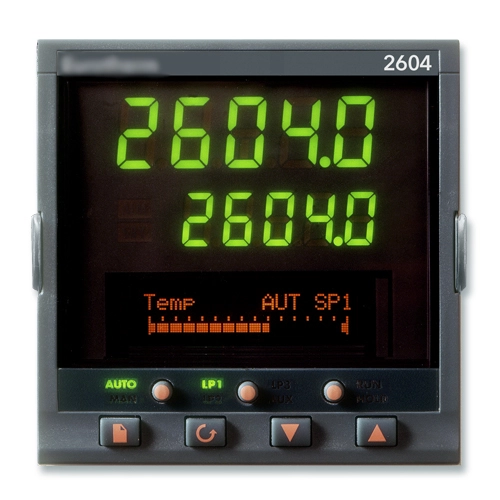
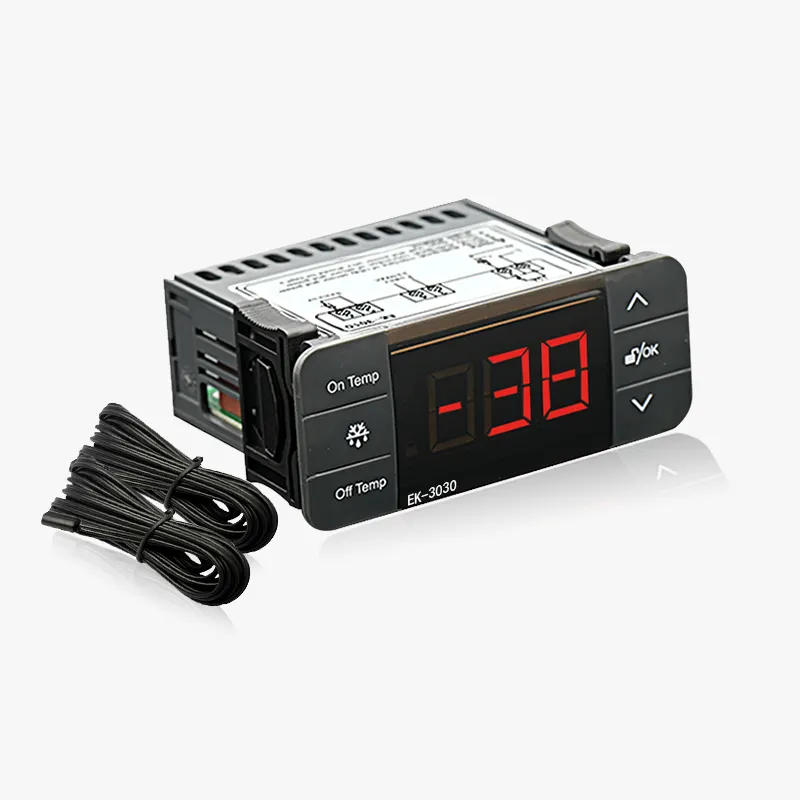
Industrial production relies on stable thermal conditions to achieve consistent operational results. Precise temperature management protects product quality, equipment safety, and energy efficiency across various industries. Temperature controller accuracy directly influences process stability and helps maintain required operating conditions. Different sectors require specific control levels because applications involve different environmental challenges. Food processing needs stable heating cycles, while laboratory systems require tighter measurement performance. Plastic machinery requires consistent temperatures to prevent defects during production processes. Buyers should evaluate application requirements before choosing suitable equipment for their operations. Proper selection reduces temperature fluctuations and supports efficient maintenance strategies over long service periods. Reliable systems combine appropriate precision levels with practical costs to deliver dependable industrial performance outcomes.
What Factors Influence Temperature Control Performance?
Several elements affect the final performance of industrial temperature systems. Sensor selection plays an important role because measurement errors directly influence output adjustments. RTD sensors provide strong stability for many applications, while thermocouples support wider temperature ranges. Control algorithms also affect response speed and stability during operation. Environmental conditions such as vibration, humidity, and electrical interference may create measurement problems. Proper wiring and installation methods help maintain signal quality. Regular inspection allows operators to identify potential issues early. Buyers should review technical specifications carefully before purchasing equipment. A complete evaluation improves system reliability and supports long-term operation.
How Do Sensors Affect Temperature Regulation Results?
Sensors provide the basic data required for automatic temperature adjustment. Different sensor technologies create different levels of sensitivity and response speed. RTD sensors usually offer excellent repeatability for precision applications. Thermistors provide high sensitivity within limited temperature ranges. Thermocouples remain popular in high-temperature environments because of their durability. Sensor placement also affects measurement results because incorrect positions may not represent actual equipment conditions. Cable selection and connection quality influence signal transmission. Proper sensor matching allows controllers to maintain stable operation. Industrial users should consider temperature range, accuracy needs, and environmental factors when selecting sensors.
What Accuracy Levels Do Buyers Commonly Require?
Industrial buyers usually select control precision based on production demands. Different applications require different tolerance ranges. The following table shows typical requirements.
| Application Area | Typical Temperature Range | Common Precision Level | Main Requirement |
|---|---|---|---|
| Food Processing | 50℃ to 200℃ | ±0.5℃ to ±1℃ | Stable heating cycles |
| Laboratory Equipment | 20℃ to 150℃ | ±0.1℃ to ±0.5℃ | Precise testing conditions |
| Plastic Manufacturing | 100℃ to 400℃ | ±0.5℃ | Consistent molding quality |
| Electrical Equipment | 30℃ to 150℃ | ±1℃ | Thermal protection |
How Do Buyers Evaluate Temperature Controller Accuracy?
Buyers should examine more than basic specifications when comparing temperature control devices. Temperature controller accuracy depends on sensor compatibility, control algorithms, calibration functions, and installation conditions. A controller with excellent specifications may still perform poorly if the system design does not match application requirements. Evaluation should include response time, display resolution, output stability, and maintenance convenience. Testing equipment under actual working conditions provides more valuable information than reviewing isolated parameters.
Professional suppliers often provide technical documentation to support selection decisions. Careful comparison helps buyers choose reliable solutions that meet operational expectations.
Important Parameters For Temperature Control Selection
A complete selection process requires attention to several technical details. Buyers can review the following factors before making decisions:
- Sensor input compatibility and signal type
- Temperature range and control resolution
- Calibration functions and adjustment options
- Output response speed and stability
- Environmental resistance and installation requirements
How Does Temperature Controller Accuracy Affect Industrial Performance?
Industrial systems require dependable control because temperature changes can influence safety and product consistency. Temperature controller accuracy affects process stability by reducing unwanted temperature deviations. Advanced controllers use PID algorithms and digital processing methods to improve adjustment speed. Auto tuning functions allow equipment to adapt to different thermal characteristics. These technologies help reduce overshooting and repeated temperature changes. Industries such as medical equipment manufacturing and semiconductor production often require precise control systems. Selecting suitable hardware and software improves overall efficiency. A reliable controller supports continuous operation and reduces production interruptions caused by unstable thermal conditions.
How Calibration Improves Long-Term System Reliability?
Calibration maintains measurement consistency throughout the equipment lifecycle. Sensors may experience gradual changes after extended operation periods. Reference instruments help maintenance teams verify system performance. Calibration schedules depend on operating conditions, equipment importance, and environmental exposure. Critical production systems often require more frequent inspections. Regular checks can identify sensor drift and configuration errors. Proper records also support future maintenance planning. Companies that maintain calibration procedures can improve operational confidence. Reliable monitoring reduces unexpected failures and supports stable production processes. A structured maintenance strategy extends equipment service life and improves performance.
Advanced Controllers Provide Better Monitoring Functions
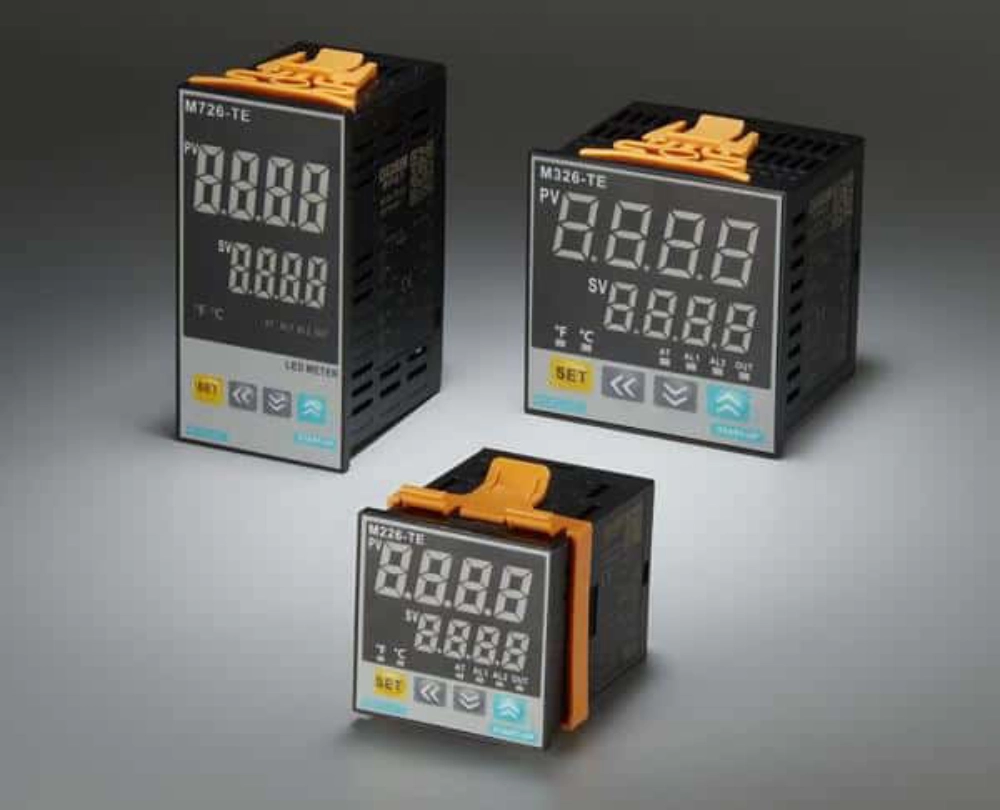
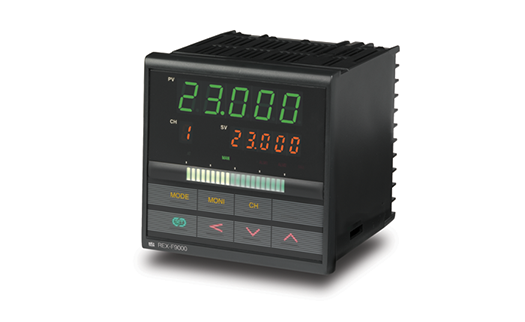
Modern temperature devices combine multiple monitoring features for complex industrial applications. Digital displays provide clearer information for operators. Communication functions allow integration with automation systems. Some solutions monitor additional environmental parameters. For example, WSK Dual-Channel Digital Temperature and Humidity Controller supports applications requiring simultaneous temperature and humidity monitoring. This capability helps users track environmental changes more effectively. Advanced functions improve equipment management and reduce manual inspection requirements. Buyers should consider monitoring demands before selecting control products. Suitable features provide better visibility and support efficient operation.
Temperature Control Solutions For Transformer Protection
Electrical equipment requires effective thermal supervision during operation. Excessive heat may reduce insulation performance and shorten service life. A Temperature Controller for Dry type Transformer helps monitor winding temperatures and activate protection functions when necessary. Dry type transformers operate without liquid insulation, making temperature monitoring especially important. Reliable sensors and alarm settings support safer electrical operation. Maintenance teams should inspect connections and verify parameter settings regularly. Proper thermal management reduces risks caused by overheating. Selecting suitable monitoring equipment improves transformer reliability. Accurate temperature observation supports stable performance in demanding electrical environments.
How Installation Affects Control System Performance?
Installation quality influences measurement results and operational stability. Incorrect wiring may create inaccurate signals or unstable outputs. Sensors should be installed at locations representing actual operating temperatures. Power supply stability and grounding methods also affect system reliability. Operators should verify settings after installation and before regular operation. Environmental factors such as dust and moisture require suitable protection measures. Proper installation reduces troubleshooting requirements and improves equipment lifespan. Professional commissioning ensures that control parameters match application conditions. Careful setup allows systems to deliver consistent performance during continuous operation.
How Buyers Select Suitable Control Precision?
Choosing the right equipment requires balancing performance requirements and investment costs. The selected temperature controller accuracy should match actual production needs instead of exceeding practical requirements. Buyers should review application temperature ranges, sensor types, and maintenance conditions. Higher precision may increase costs without creating additional value in simple applications. A complete evaluation considers future expansion, operating environment, and service support. The table below summarizes key selection factors.
| Selection Factor | Evaluation Point | Expected Result |
|---|---|---|
| Sensor Compatibility | Match sensor type and range | Reliable measurement |
| Control Technology | Select suitable adjustment methods | Stable operation |
| Calibration Support | Provide maintenance flexibility | Long-term consistency |
| Operating Environment | Consider heat, vibration, and humidity | Improved durability |
Final Considerations For Industrial Temperature Control
Reliable temperature management requires cooperation between equipment design and operating conditions. Buyers should evaluate sensors, installation methods, maintenance plans, and technical support. Temperature controller accuracy represents one important selection factor, but overall system performance depends on multiple elements. A suitable solution provides stable operation, reduces production risks, and supports long-term efficiency. Companies should focus on practical requirements rather than selecting the highest specification available. Careful planning helps achieve better results and improves equipment reliability in different industrial environments.
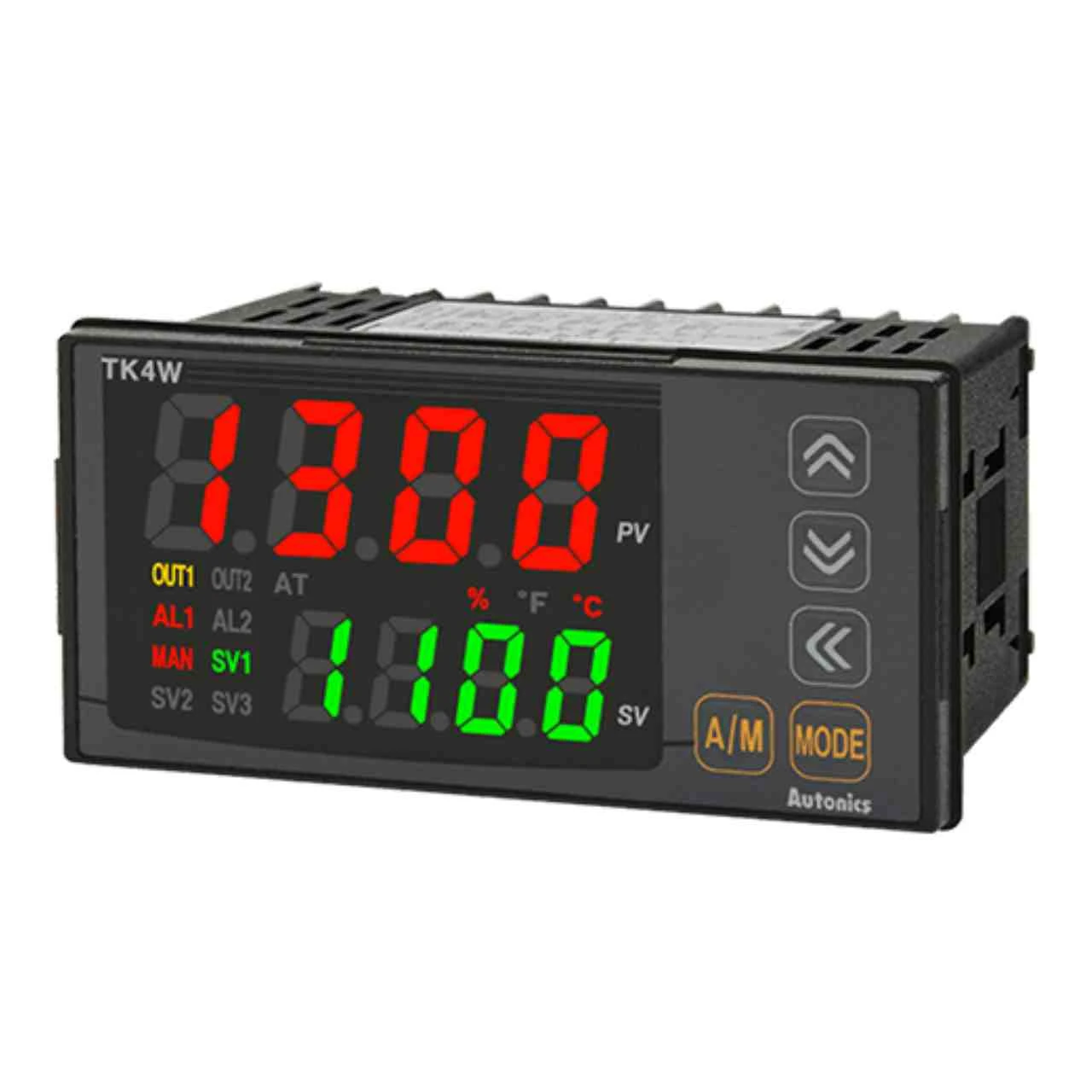
What Should Buyers Check Before Choosing Temp Controllers?
Buyers should evaluate several factors before selecting temperature control equipment for industrial applications. Sensor compatibility, temperature range, response speed, output options, and installation requirements directly affect system performance. The operating environment should also be considered, including heat exposure, vibration, humidity, and electrical conditions. Product specifications should match actual process requirements instead of focusing only on maximum performance values. Calibration functions and maintenance support are also important for long-term reliability. Careful evaluation helps companies choose suitable solutions that provide stable operation, efficient management, and dependable temperature control performance.
FAQ
What Is A Suitable Precision Level For Industrial Temperature Controllers?
The suitable precision level depends on the application and operating environment. General industrial heating systems often accept wider temperature variations, while laboratory or medical equipment requires tighter control. Buyers should evaluate product sensitivity, production requirements, and maintenance conditions before selecting equipment. Temperature controller accuracy should match practical needs rather than unnecessary specifications. Sensor quality, installation methods, and calibration practices also influence final performance. A balanced selection provides reliable operation without creating excessive costs. Companies should review complete system requirements before making purchasing decisions.
Does Higher Precision Always Provide Better Temperature Control?
Higher precision does not always guarantee improved system performance. Some applications cannot gain additional benefits from extremely tight control ranges because other factors affect overall results. Sensor quality, response speed, installation methods, and environmental conditions may have greater impacts on operation stability. Buyers should evaluate practical requirements instead of selecting equipment based only on maximum specifications. A suitable solution combines reliable measurement, proper configuration, and reasonable investment. Balanced selection helps industries maintain stable operation while avoiding unnecessary costs. Matching equipment capabilities with actual production needs allows companies to achieve efficient and dependable thermal management.