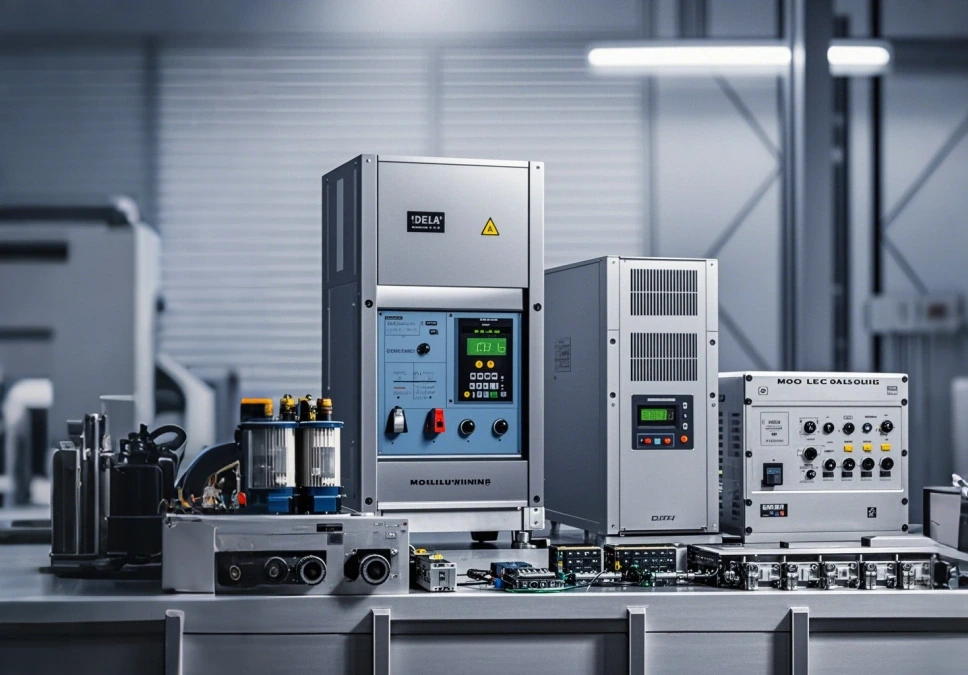
What Are Functional Devices Temperature Controls Used For?
Functional devices temperature controls ensure stable thermal regulation for transformers, cabinets and automation equipment.
Functional Devices Temperature Controls in Industrial Thermal Regulation
Functional devices temperature controls in industrial thermal regulation systems are essential for maintaining stable operating conditions in electrical infrastructure where heat accumulation can damage insulation, reduce component lifespan, and increase system failure risk under continuous load conditions, especially in compact installations where airflow is limited and thermal density is high. Engineers design these systems to respond dynamically to temperature changes using sensor-driven feedback loops that activate cooling or heating mechanisms when thresholds are exceeded. This ensures stable performance across power distribution units, automation panels, and control equipment. Proper thermal regulation improves efficiency, reduces maintenance frequency, and enhances long-term reliability in demanding industrial environments where uninterrupted operation is required.
Functional Devices Temperature Controls in Sensing and Control Architecture
Functional devices temperature controls in sensing and control architecture rely on multi-layer signal processing systems where thermal sensors detect environmental changes and convert them into electrical signals that are filtered, stabilized, and interpreted by control logic units to determine corrective actions, ensuring that only meaningful temperature variations trigger system responses. This reduces false activation caused by electrical noise or transient fluctuations. Engineers optimize calibration accuracy, sensor positioning, and shielding methods to maintain high precision in industrial environments. The integration of real-time feedback loops allows continuous monitoring and fast response, ensuring stable thermal behavior across complex automation systems and electrical installations operating under variable load conditions.
Transformer Thermal Protection Systems
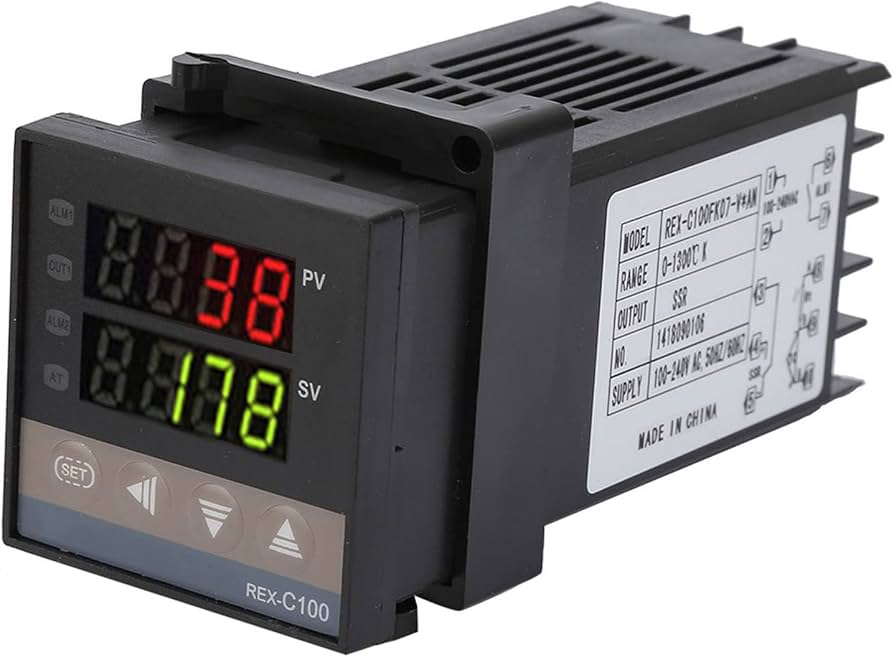
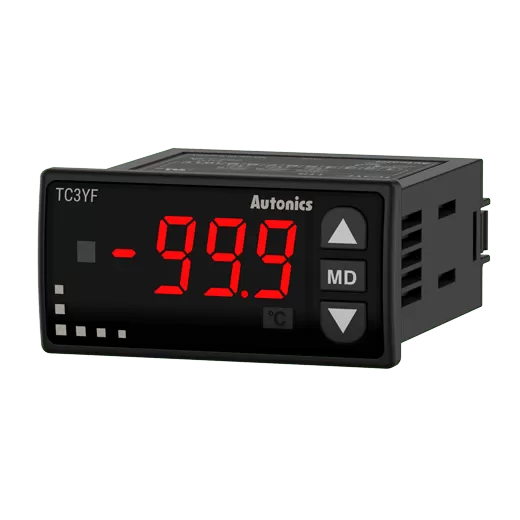
In transformer applications, thermal stability is critical for maintaining insulation integrity and preventing overheating under fluctuating electrical loads. A Temperature Controller for Dry type Transformer is used to monitor winding temperature in real time and activate cooling fans or alarm systems when predefined limits are reached. This ensures that internal heat generated during operation is effectively controlled, reducing the risk of insulation degradation and extending equipment service life. Engineers embed sensors close to heat-sensitive zones to improve measurement accuracy and response speed. Proper thermal supervision is especially important in dry-type transformer environments where natural cooling is limited and heat accumulation occurs rapidly under high load conditions.
HVAC and Enclosure Thermal Management Systems
HVAC and enclosure thermal management systems are designed to regulate airflow and maintain balanced temperature distribution across industrial facilities where enclosed environments often trap heat generated by electrical components. These systems use sensor-based feedback to adjust ventilation speed and cooling cycles dynamically, ensuring energy-efficient operation while maintaining stable internal conditions. Thermal zoning strategies allow different areas of a facility to operate independently based on localized heat levels. Proper airflow design reduces stress on electrical equipment and improves operational stability. In sealed industrial cabinets, controlled ventilation is essential to prevent overheating and maintain long-term reliability of installed components.
Automation Integration and System Control
Functional devices temperature controls integrate with modern automation systems through programmable logic controllers and industrial communication protocols, enabling centralized monitoring and real-time adjustment of distributed thermal zones across complex facilities where operational consistency is critical.This integration allows operators to remotely configure thresholds, analyze thermal data trends, and respond quickly to abnormal conditions without manual intervention. Predictive maintenance functions can also identify early signs of thermal instability, improving system reliability and reducing unexpected downtime. Automation enhances scalability by allowing additional thermal zones to be added without restructuring core system architecture.
Electrical Cabinet Protection Systems
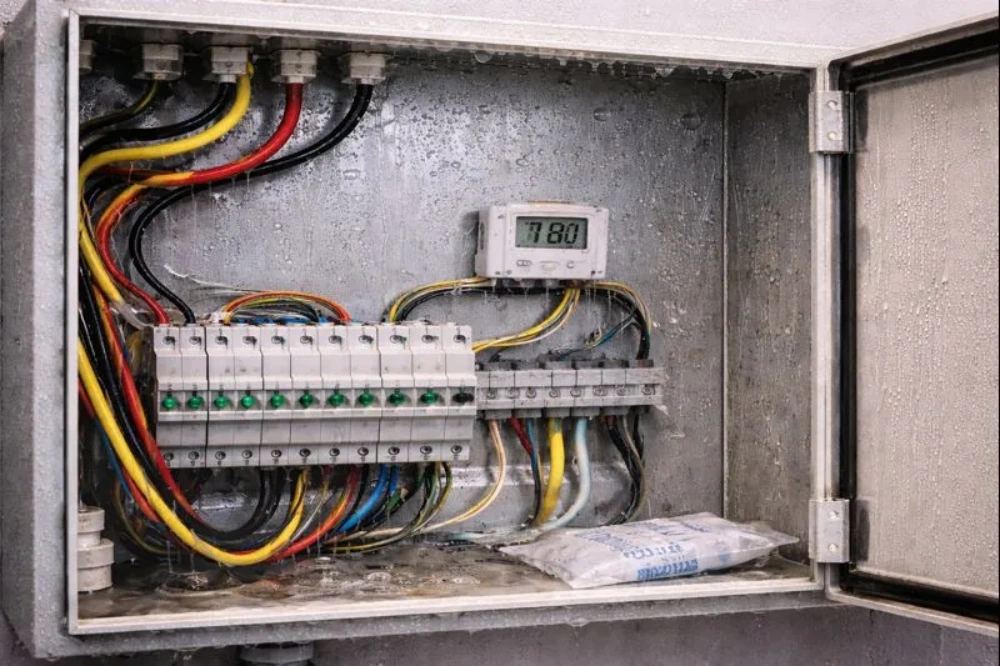
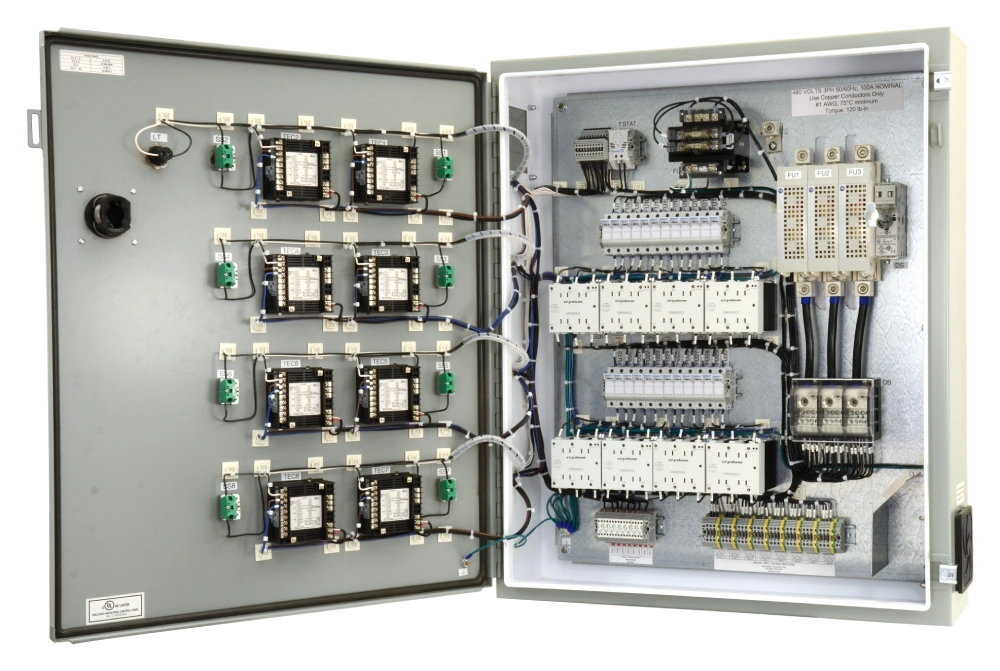
Electrical cabinets require precise thermal management due to high component density and continuous heat generation from internal electrical devices, making temperature regulation essential for preventing overheating and ensuring stable system performance under sustained operational loads. These systems continuously monitor internal conditions and activate cooling mechanisms when necessary to maintain safe operating ranges. Proper airflow coordination and strategic sensor placement ensure accurate temperature detection and efficient heat dissipation. Stable thermal environments reduce component aging, improve system uptime, and minimize maintenance requirements in industrial control panels used in power distribution and automation systems.
Key Industrial Temperature Control Components:
- Thermal sensing probes for real-time monitoring
- Relay-based switching modules for cooling activation
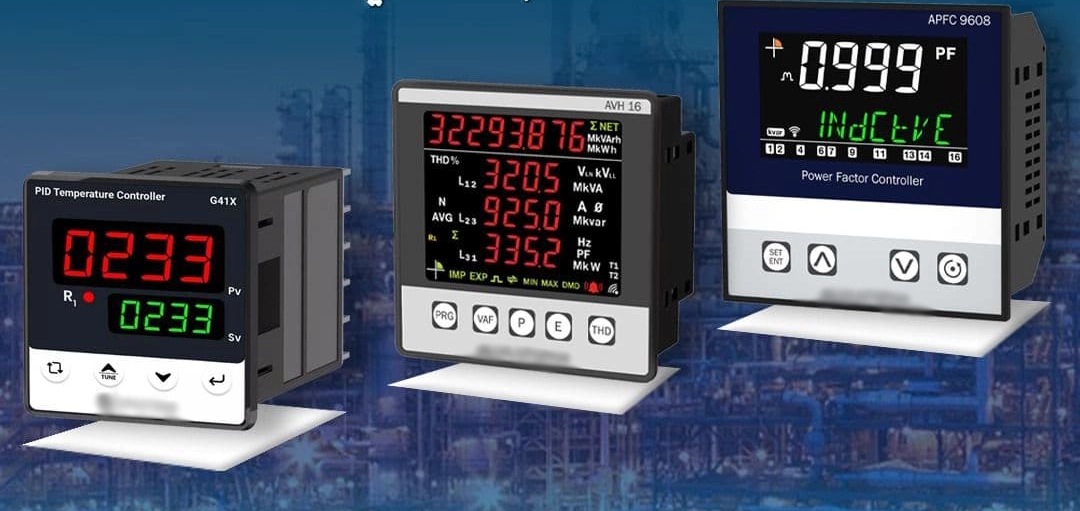
- PID control units for precision regulation logic
- Fan and ventilation actuators for heat dissipation
- Alarm modules for over-temperature protection
- Signal filtering circuits for noise reduction
- Calibration interfaces for long-term accuracy maintenance
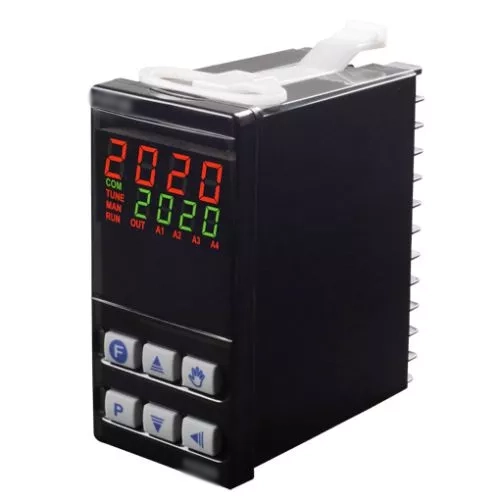
WK Dial-Type Temperature Controller for Cabinets
WK Dial-Type Temperature Controller for Cabinets provides a mechanical solution for temperature adjustment in industrial enclosures where simplicity, durability, and direct manual control are preferred over digital systems.Operators can set temperature thresholds using a calibrated dial interface that provides clear and immediate visual feedback. This mechanical design ensures reliable operation in vibration-heavy or electrically noisy environments commonly found in industrial facilities. It is widely used in retrofit applications and cost-sensitive installations where straightforward thermal regulation is sufficient. Its robustness and ease of maintenance make it suitable for long-term use in basic cabinet temperature management scenarios.
Standards and Reliability Systems
| Standard Type | Reference Standard | Purpose in Temperature Control Systems |
|---|---|---|
| Electrical Safety | IEC 60730 | Ensures safe automatic control operation and fail-safe design |
| EMC Compatibility | IEC 61000 | Guarantees resistance to electromagnetic interference |
| Quality Management | ISO 9001 | Ensures consistent manufacturing and process control |
| Environmental Systems | ISO 14001 | Controls environmental impact and sustainability compliance |
Industrial temperature control systems must comply with IEC 60730 for automatic electrical controls, IEC 61000 for EMC, and ISO 9001 and ISO 14001 to ensure safety, accuracy, and operational reliability across global applications. Testing procedures include cycling, vibration, humidity, and calibration drift analysis to validate performance under harsh conditions. Engineers use evaluations to ensure consistent response and long-term stability. Compliance with standardized requirements ensures compatibility with global electrical infrastructure and reduces system failure risks in critical continuous operation applications.
Performance Comparison and Optimization
| System Type | Response Speed | Accuracy Level | Industrial Application Suitability |
|---|---|---|---|
| Mechanical Control | Medium | Moderate | Basic cabinet systems |
| Electronic Control | High | High | Automation and power systems |
| Hybrid Control | High | Very High | Critical industrial infrastructure |
| Smart Adaptive Control | Very High | Very High | Data centers and advanced systems |
Modern electronic temperature control systems provide significantly higher precision and faster response compared to traditional mechanical solutions, enabling continuous adjustment based on real-time sensor feedback. Optimization strategies focus on balancing energy efficiency with thermal protection, ensuring stable operation under dynamic load conditions. Advanced systems incorporate adaptive control logic that predicts temperature variations and adjusts responses proactively. This improves overall system efficiency and reduces operational costs in industrial environments where reliability and uptime are critical performance factors.
FAQ
What industries commonly use these temperature control systems?
These systems are widely used across industrial automation, power distribution, HVAC infrastructure, and manufacturing environments where maintaining stable thermal conditions is essential for equipment reliability and operational safety. In power systems, they are applied to switchgear and distribution panels to prevent overheating and insulation failure under continuous electrical load. Manufacturing facilities rely on them to maintain stable operating conditions for machinery running in long production cycles. HVAC applications use them to balance airflow and maintain environmental stability across buildings and industrial spaces. Data centers also depend on them to protect servers and sensitive electronics from heat damage. Their adaptability allows use in both compact control panels and large-scale industrial installations where temperature stability directly influences performance and equipment lifespan.
How accurate are industrial temperature control systems?
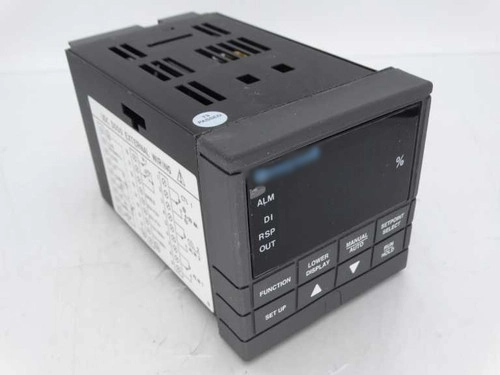
The accuracy of industrial temperature control systems depends on sensor quality, calibration stability, and system design architecture, with high-grade systems delivering precise measurement within narrow tolerance ranges suitable for continuous industrial operation. Digital systems generally provide higher consistency and stability compared to mechanical alternatives due to improved signal processing and reduced mechanical wear.
External factors such as electromagnetic interference, vibration, and airflow variations can influence measurement accuracy if not properly managed through shielding and installation design.Regular calibration ensures long-term stability by correcting sensor drift and maintaining measurement integrity over time. Advanced systems may also include compensation algorithms that adjust for environmental changes, improving reliability in dynamic operational conditions. When properly installed and maintained, these systems deliver consistent and dependable thermal regulation performance across industrial applications.
What are the main operational risks in temperature control systems?
The primary operational risks include sensor degradation, relay failure, wiring instability, and calibration drift, all of which can reduce system responsiveness and compromise thermal regulation accuracy over time. Environmental stress factors such as humidity, vibration, and dust accumulation can accelerate component wear and lead to system instability in industrial environments. Electrical noise may interfere with signal transmission, resulting in incorrect control actions if shielding and grounding are insufficient. Thermal overload conditions also present risks, especially when backup protection mechanisms are not properly configured. Additionally, poor installation practices or lack of preventive maintenance can significantly increase failure probability. Regular inspection, calibration, and adherence to engineering standards are essential to minimize these risks and ensure long-term operational stability in critical industrial systems.