What Are Infrared Inspection Windows Used For?
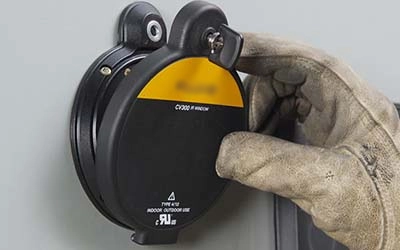
Infrared Inspection Windows provide safer electrical maintenance by enabling thermal checks without opening energized equipment.
Why Are Infrared Inspection Windows Important for Electrical Maintenance?
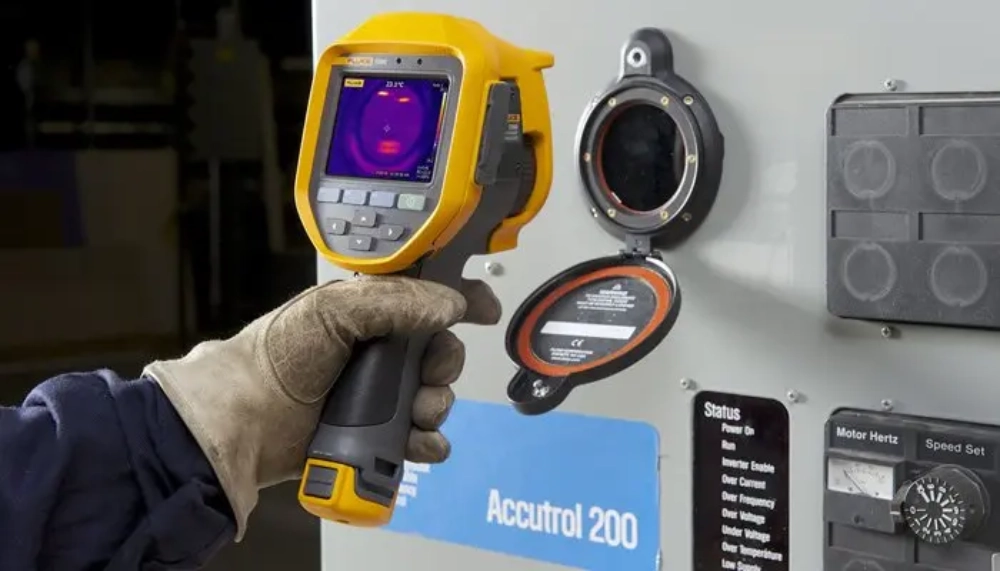
Electrical maintenance often requires thermal inspection while equipment remains energized. Infrared Inspection Windows create a controlled viewing path into electrical enclosures. Technicians can inspect internal components without repeatedly opening cabinet doors. Thermal cameras can identify abnormal heat patterns through suitable viewing materials. Such inspections help reveal loose connections, overloaded conductors, and deteriorating electrical contacts. Early temperature changes often indicate developing faults before visible damage appears. Regular scanning also supports condition-based maintenance programs and reduces unnecessary equipment shutdowns. However, inspection access does not replace established electrical safety procedures. Qualified personnel must follow applicable workplace requirements during every inspection. Proper positioning also determines whether critical components remain visible during thermal scanning. Consequently, buyers should evaluate product performance and cabinet integration together.
What Are Infrared Inspection Windows Used For?
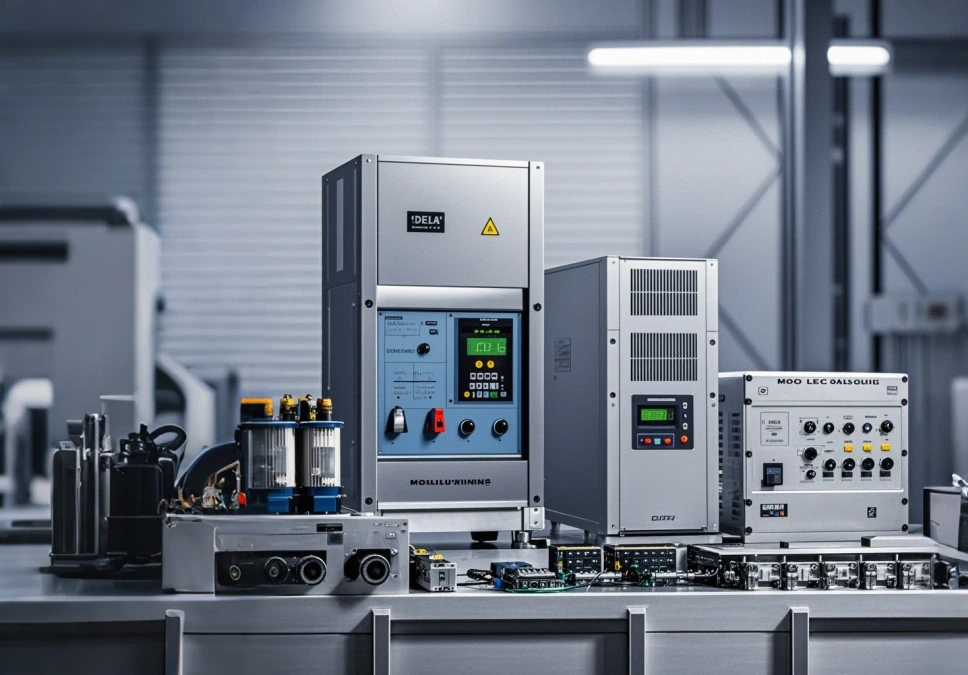
The primary purpose involves thermal inspection of electrical components inside closed enclosures. Maintenance teams commonly use them on switchgear, distribution panels, motor control centers, and control cabinets. They can also support inspections around transformers, busbar systems, and industrial power equipment. Thermal cameras detect infrared radiation emitted by energized components during normal operation. Technicians compare temperatures across similar connections and identify unusual thermal differences. A hotter connection may indicate increased resistance, poor contact pressure, corrosion, or excessive current. Regular inspections create historical records that support maintenance decisions and equipment planning. Viewing access also reduces frequent cabinet opening during routine thermal surveys. Their value increases where electrical continuity and worker safety remain critical priorities. Application planning should therefore focus on inspection targets rather than window size alone.
How Do Thermal Windows Support Predictive Electrical Maintenance?
Thermal inspection becomes more useful when technicians collect consistent measurements over time. A fixed viewing point helps maintain similar camera positions during repeated inspections. Consistent positioning improves comparisons between current and historical thermal images. Technicians can track temperature changes under similar operating conditions and load levels. Sudden increases may signal developing resistance or component deterioration. Gradual increases can reveal aging connections or changing electrical loads. Predictive maintenance teams can prioritize repairs according to thermal severity and equipment importance. This approach reduces dependence on calendar-based replacement schedules. It also directs maintenance resources toward components showing measurable deterioration. Reliable scanning requires correct camera operation, suitable emissivity settings, and stable equipment conditions. Therefore, thermal monitoring works best as part of a structured maintenance program.
Which Electrical Components Can Be Inspected Through These Windows?
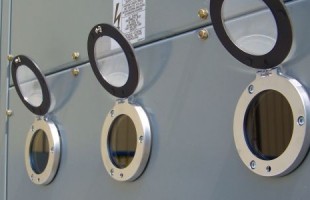
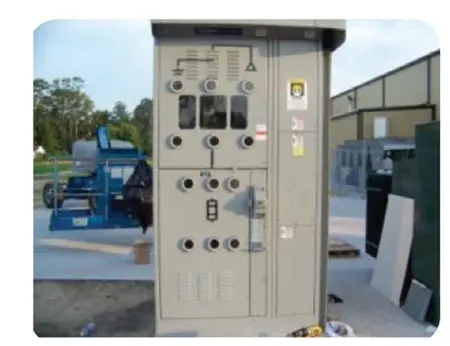
Inspection coverage depends strongly on window position and internal cabinet arrangement. Infrared Inspection Windows provide targeted access when critical components require thermal monitoring. Busbars require clear viewing paths because their joints can develop significant thermal anomalies. Circuit breakers also benefit from inspection around terminals, contact areas, and cable connections. Cable terminations deserve attention because deteriorated connections can generate localized heating. Disconnects may show abnormal temperatures around contacts and connection points. Fuses can reveal uneven loading or poor termination through comparative thermal readings. Transformers may require specialized viewing positions around accessible connection areas. Technicians should identify likely heat sources before deciding window locations. A window positioned too far from critical components may provide limited diagnostic value. Multiple smaller windows can sometimes provide better coverage than one large opening. The final layout should reflect actual component geometry and the camera's field of view.
What Safety Risks Can Thermal Inspection Access Reduce?
Opening energized cabinets can expose workers to electrical hazards during routine inspection activities. A properly selected window can reduce unnecessary cabinet access during thermal surveys. Technicians can inspect designated areas while maintaining the enclosure's physical barrier. This arrangement may reduce exposure to energized conductors and internal components. It can also decrease disruption caused by repeated door opening and closing. However, the inspection window itself does not eliminate arc-flash or electrical hazards. Workers must still follow site-specific safety procedures and applicable electrical requirements. Qualified personnel should select inspection methods according to equipment voltage and operating conditions. Installation should preserve enclosure integrity and avoid creating unintended access points. Secure mounting also prevents vibration, displacement, or accidental damage during equipment operation. Safety improvements therefore depend on product design and disciplined maintenance procedures.
Which Features Should Buyers Evaluate Before Selection?
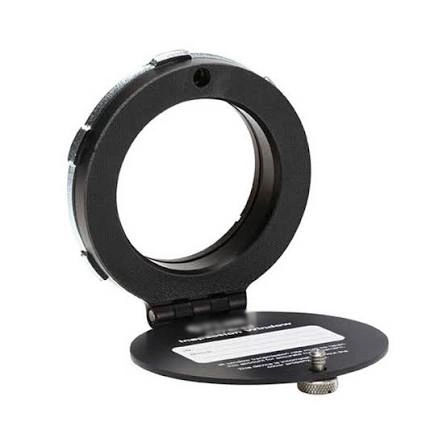
Buyers should compare technical characteristics rather than relying only on window dimensions. Infrared transmission performance directly affects the camera's ability to capture thermal information. Optical clarity can also influence image quality when the viewing area becomes contaminated. Mechanical strength matters in industrial cabinets exposed to vibration or accidental impact. Environmental resistance becomes important where dust, moisture, oil, or corrosive substances exist. Mounting dimensions should match the cabinet structure and available installation space. The selected window should also accommodate the thermal camera models used by maintenance teams. Buyers should verify operating temperature limits and enclosure compatibility before purchase. Certification and testing information can provide additional evidence of product suitability. Supplier documentation should clearly identify materials, dimensions, mounting requirements, and application limitations. A detailed technical comparison reduces the risk of purchasing unsuitable inspection equipment.
Key Selection Factors for Thermal Inspection Windows
- Infrared transmission performance
- Viewing area and inspection coverage
- Mechanical strength
- Environmental resistance
- Mounting configuration
- Camera compatibility
- Enclosure integration
- Maintenance accessibility
Why Technical Selection Factors Matter
Each selection factor affects inspection reliability in a different way. Infrared Inspection Windows influence thermal signal quality, viewing coverage, and cabinet integration. Infrared transmission determines whether the camera receives useful thermal radiation. Viewing coverage determines how many important components technicians can inspect. Mechanical construction influences service life under industrial operating conditions. Environmental protection helps maintain performance in dusty or humid locations. Mounting configuration affects installation time and enclosure modifications. Camera compatibility prevents avoidable limitations during thermal surveys. Maintenance accessibility supports routine inspection and replacement activities when necessary. Buyers should therefore evaluate the complete application instead of comparing dimensions alone. Site conditions often determine which specifications deserve the highest priority. A technically suitable product should provide reliable inspection without compromising enclosure functionality.
| Selection Factor | Primary Concern | Inspection Benefit |
|---|---|---|
| Infrared Transmission | Thermal signal quality | More reliable temperature imaging |
| Viewing Area | Component coverage | Better access to critical inspection points |
| Mechanical Strength | Impact and vibration | Improved service durability |
| Environmental Resistance | Dust and moisture | More stable long-term performance |
| Mounting Design | Cabinet integration | Efficient installation and maintenance |
How Should Inspection Points Be Planned Inside Electrical Cabinets?
Inspection planning should begin with the cabinet schematic and physical layout. Engineers should identify components that commonly develop temperature-related abnormalities. They should then map those components against accessible external viewing positions. A 100A Infrared Temperature Measurement Window can support targeted thermal monitoring around suitable inspection areas. Window placement should avoid structural members that block the thermal camera's viewing path. Technicians should also consider cable routing, busbar geometry, and internal component spacing. Multiple inspection points may provide better coverage across large switchgear assemblies. Critical connections deserve priority when installation space remains limited. Designers should maintain adequate clearance around mounting hardware and cabinet reinforcement structures. Installation drawings can help coordinate positions before cabinet fabrication begins. Proper planning improves inspection consistency and reduces expensive modifications after equipment delivery.
| Application Area | Typical Inspection Target | Potential Thermal Issue |
|---|---|---|
| Switchgear | Busbar joints and breakers | Loose or resistive connections |
| Distribution Panels | Terminals and feeders | Overloading or poor contact |
| Motor Control Centers | Starters and cable terminals | Connection heating |
| Control Cabinets | Power connections | Localized temperature rise |
| Transformer Assemblies | Accessible connection points | Abnormal electrical heating |
How Do Different Cabinet Applications Affect Inspection Design?
Electrical cabinets differ significantly in size, layout, operating environment, and component density. Compact panels may require small windows with carefully targeted viewing areas. Larger switchgear can require several windows for complete thermal coverage. High-density assemblies also create challenges for camera positioning and component identification. A 100F Infrared Temperature Measurement Window may suit a specific inspection configuration when its specifications match the application. Buyers should avoid selecting products based only on nominal dimensions. Instead, they should consider actual component locations and expected inspection distances. Environmental exposure also influences material selection and mounting requirements. Outdoor cabinets may face stronger moisture, ultraviolet exposure, and temperature variation. Indoor industrial cabinets can experience dust, oil mist, vibration, or chemical contamination. Application-specific planning therefore produces more reliable inspection coverage and longer service performance.
How Do Environmental Conditions Affect Window Selection?
Industrial environments can place significant demands on inspection window construction. Moisture can affect sealing systems when cabinets operate in humid locations. Dust may accumulate around external surfaces and reduce practical viewing quality. Oil mist can create surface contamination that requires additional cleaning attention. Corrosive atmospheres may also influence mounting hardware and exposed structural materials. Outdoor equipment requires consideration of temperature cycling and weather exposure. Mechanical vibration can challenge mounting systems on motors and heavy industrial machinery. Buyers should review enclosure requirements before selecting window materials and seals. Installation must preserve the cabinet's intended protection against external environmental conditions. Maintenance teams should establish cleaning procedures appropriate for the surrounding environment. These measures help preserve reliable thermal inspection throughout the equipment's operating life.
How Can Maintenance Teams Improve Inspection Reliability?
Reliable thermal inspection requires more than installing suitable viewing hardware. Technicians should establish consistent scanning routes for each electrical enclosure. Equipment load should remain reasonably representative during routine comparison inspections. Camera settings should also remain consistent when comparing historical thermal measurements. Maintenance records should include component location, operating load, measured temperature, and inspection date. Technicians can then identify changes more effectively across repeated inspection cycles. Surface contamination deserves attention because dirty viewing areas can affect practical inspection quality. Mounting hardware should also receive periodic visual checks for damage or loosening. Any damaged component should receive prompt evaluation before continued routine use. Maintenance procedures should follow manufacturer recommendations and site safety requirements. Consistent practices transform individual thermal scans into useful long-term condition data.
What Standards and Safety Practices Should Buyers Consider?
Electrical inspection projects should consider relevant safety standards and equipment requirements. Infrared Inspection Windows should match relevant equipment requirements, enclosure conditions, and inspection objectives. Applicable requirements can vary according to voltage level, enclosure type, installation location, and jurisdiction. Buyers should review the equipment's electrical classification before specifying inspection hardware. Arc-flash risk assessment remains important when personnel work near energized electrical equipment. Qualified workers should follow established procedures for approach boundaries and protective equipment. Product documentation should provide clear information about installation limitations and intended applications. Testing evidence can also help buyers evaluate mechanical and environmental performance. However, one certification should not automatically determine suitability for every installation. Engineering teams should compare product specifications against actual cabinet requirements. Procurement teams should also retain technical documentation for future maintenance and replacement decisions. A careful compliance review supports safer installation and more consistent maintenance practices.
How Can Buyers Compare Infrared Inspection Windows Effectively?
A structured purchasing process helps buyers compare products using measurable technical criteria. First, define the equipment types and inspection targets requiring regular thermal monitoring. Next, record cabinet dimensions, environmental conditions, and expected inspection frequency. Then compare transmission performance, viewing coverage, construction, and mounting requirements. Supplier documentation should provide enough information for engineers to verify compatibility. Samples can also support practical evaluation before larger procurement decisions. Field testing may reveal viewing limitations that specifications alone cannot show. Buyers should document camera compatibility and inspection distance during testing. Installation labor and future maintenance should also influence total ownership considerations. Supplier responsiveness matters when technical questions involve cabinet integration or application limitations. A balanced evaluation helps select inspection equipment that provides useful long-term maintenance value.
How Can Infrared Inspection Windows Support Long-Term Asset Management?
Thermal monitoring supports electrical asset management by providing recurring condition information. Maintenance teams can identify abnormal heating before failures cause major operational disruption. Historical measurements also help prioritize equipment according to changing thermal conditions. Critical assets can receive more frequent inspection when risk indicators increase. Less critical equipment may follow a lower inspection frequency based on operating conditions.