What Are Post Insulator Failure Modes In Industry Use?
Industrial post insulator failure causes insulation breakdown, mechanical stress, and contamination risks in high-voltage systems.
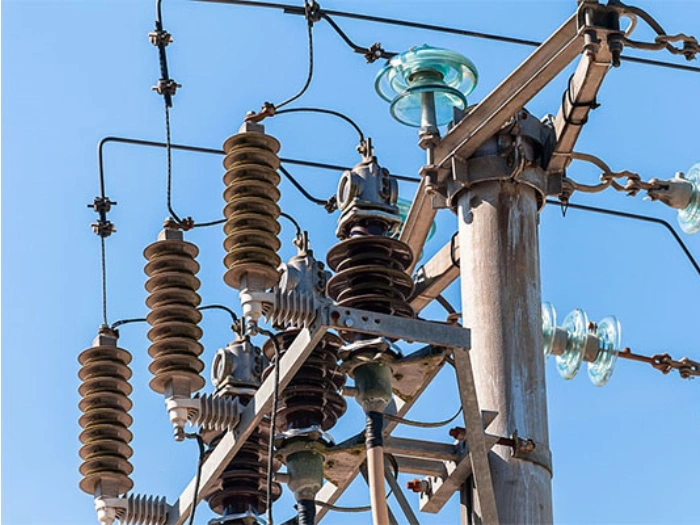
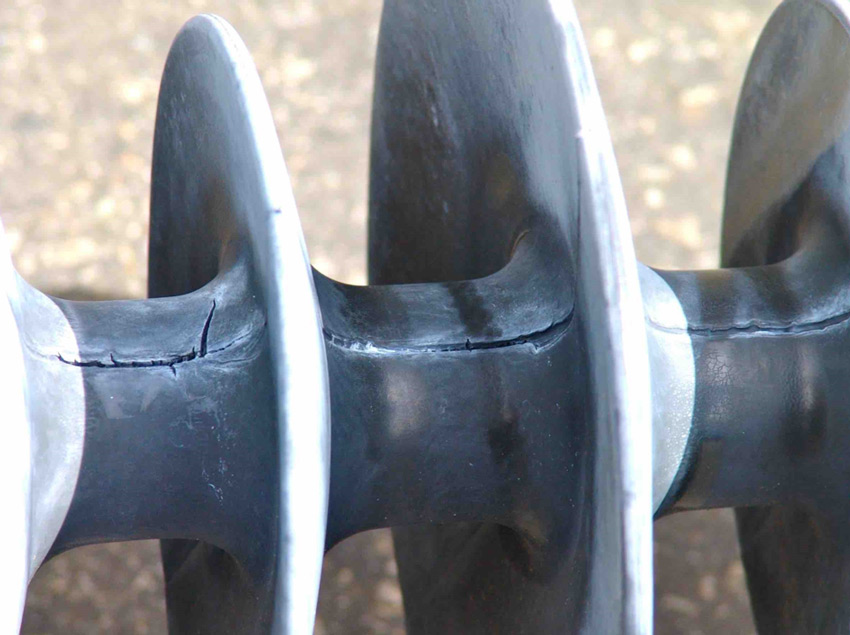
Industrial post insulator failure appears frequently in high voltage substations and factory distribution systems. These components support energized conductors and maintain safe electrical separation. Modern power networks rely on stable insulation performance under continuous load conditions. Industrial environments introduce dust, vibration, and thermal cycling stresses. Each factor gradually weakens dielectric strength and surface stability. Operators often underestimate long term degradation in insulation assemblies. System reliability depends heavily on material integrity and installation quality. Porcelain and composite designs behave differently under stress exposure. Engineers must evaluate both electrical and mechanical constraints during system design. Failure in these components can trigger cascading faults across connected equipment. Maintenance planning plays a critical role in preventing unexpected outages. Reliable performance ensures stable energy distribution across industrial facilities.
Industrial post insulator failure mechanisms under key stress factors
Electrical stress, mechanical load, and environmental exposure drive industrial post insulator failure in complex ways. High voltage gradients create localized field concentration zones across surfaces. These zones accelerate insulation breakdown over time. Mechanical vibration from heavy machinery introduces micro-cracks within rigid structures. Thermal cycling causes repeated expansion and contraction in insulating materials. Combined stress factors reduce long term dielectric performance significantly. Engineers must analyze multi-factor interactions rather than single causes. Industrial systems often operate under non-ideal conditions. Contaminants increase surface conductivity and reduce flashover resistance. Material fatigue progresses silently before visible damage appears. Proper system modeling helps identify high risk zones early. Predictive engineering tools improve design resilience in demanding environments.
Electrical stress and partial discharge mechanisms in insulators
Partial discharge activity is a primary driver of industrial post insulator failure in high voltage systems. Small voids inside insulation materials create localized ionization zones. These micro discharges erode internal structures gradually. Electrical stress intensifies at sharp edges and uneven surfaces. Field distortion accelerates degradation under sustained load conditions. Repeated discharge cycles weaken dielectric barriers over time. Acoustic and electromagnetic detection methods help identify early-stage faults. Engineers use insulation coordination to reduce stress concentration. High quality manufacturing reduces internal defect probability. Voltage surges increase failure probability in poorly protected systems. Monitoring systems improve detection accuracy in operational environments. Proper design minimizes internal discharge formation effectively.
Thermal aging and material degradation processes
Heat exposure significantly influences industrial post insulator failure in continuous operation environments. Elevated temperatures accelerate polymer chain breakdown in composite materials. Porcelain materials experience microstructural stress under repeated heating cycles. Thermal expansion mismatch creates internal mechanical stress zones. These zones contribute to long term crack formation. Industrial equipment often operates near rated thermal limits. Cooling inefficiencies increase degradation rates significantly. Oxidation processes weaken surface insulation layers gradually. Temperature fluctuations reduce material elasticity and resilience. Engineers must consider thermal endurance during material selection. Infrared monitoring helps detect abnormal heating patterns early. Effective thermal management extends service life substantially in industrial systems.
Mechanical load and vibration impact on structural integrity
Mechanical stress plays a critical role in industrial post insulator failure across heavy duty installations. Conductors impose static and dynamic loads on supporting structures. Wind forces add additional lateral stress in outdoor substations. Industrial vibration sources amplify mechanical fatigue over time. Repeated stress cycles create microscopic fracture propagation paths. These fractures eventually compromise structural stability. Installation misalignment increases uneven load distribution significantly. Bolted connections may loosen under continuous vibration exposure. Engineers perform load simulations to validate mechanical strength. Reinforced composite structures improve resistance to fatigue failure. Regular inspection identifies early deformation signs effectively. Mechanical integrity ensures stable electrical insulation performance.
| Stress Factor | Impact on Insulator | Failure Outcome |
|---|---|---|
| Electrical Stress | Field concentration and ionization | Partial discharge and breakdown |
| Thermal Load | Material expansion and oxidation | Cracking and dielectric loss |
| Mechanical Vibration | Fatigue and micro-crack growth | Structural collapse risk |
The table above summarizes key stress interactions in industrial environments. Each factor contributes differently to degradation behavior. Combined effects often accelerate failure progression significantly. Engineers must evaluate all variables together rather than independently. Multi-stress modeling improves prediction accuracy in system design.
Environmental contamination and pollution flashover risks
Environmental exposure significantly increases industrial post insulator failure probability in outdoor applications. Dust accumulation forms conductive layers on insulation surfaces. Moisture absorption further enhances surface conductivity. Industrial pollution introduces chemical residues that degrade material coatings. Salt deposits in coastal regions increase flashover risk substantially. Conductive paths develop under humid conditions easily.
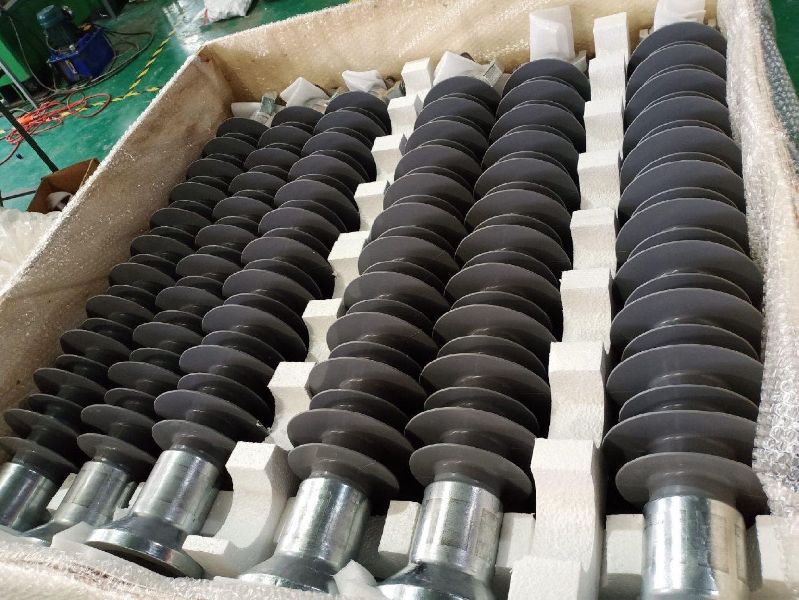
Surface leakage currents rise under contamination conditions. Cleaning schedules reduce accumulation severity effectively. Hydrophobic coatings improve resistance to environmental stress. Engineers must consider regional environmental conditions during design. Pollution control systems help maintain stable operation. Regular washing cycles extend operational lifespan.
Manufacturing defects and quality control issues in post insulators
Production quality directly influences industrial post insulator failure rates in field applications. Internal voids form during improper casting processes. Material impurities reduce dielectric strength significantly. Inconsistent curing leads to structural weakness. Micro-cracks develop during cooling stages. Quality inspection systems detect surface irregularities early. Electrical testing validates insulation performance before deployment. Mechanical stress testing ensures structural durability. Statistical process control improves manufacturing consistency. Defective units often fail under early service conditions. Strict compliance standards reduce defect rates significantly. Manufacturers must maintain traceable quality assurance systems.
| Testing Method | Purpose | Evaluation Result |
|---|---|---|
| Dielectric Withstand Test | Voltage endurance check | Breakdown threshold |
| Mechanical Load Test | Structural strength validation | Load deformation limit |
| Thermal Cycling Test | Heat resistance evaluation | Aging performance index |
The table highlights common validation methods used in industrial quality control. Each test targets specific failure mechanisms. Combined results ensure comprehensive performance assessment. Testing standards improve reliability across production batches.
Testing standards for post insulator reliability in industrial applications
Industrial post insulator failure prevention follows strict international testing standards. IEC 60071 defines insulation coordination for overvoltage stress management in high voltage systems. IEC 60273 specifies electrical properties and performance requirements for post insulators. IEC 60168 establishes mechanical and electrical type test procedures for post insulator strength validation. IEC 60815 provides pollution performance design guidelines for contaminated environments. IEC 60068 governs environmental testing such as thermal cycling, humidity, and vibration exposure. IEEE Std 4 regulates high voltage testing techniques and measurement accuracy under laboratory conditions. IEEE Std 1313 defines insulation coordination principles for transmission and distribution networks. NEMA C29.1 and NEMA C29.7 specify mechanical and electrical requirements for porcelain and composite insulators used in outdoor installations. Compliance ensures consistent performance across global installations. Certification processes follow ISO 9001 quality management and ISO/IEC 17025 laboratory testing standards. Standardized protocols improve interoperability across electrical networks. Engineers depend on these benchmarks for system design accuracy. Adherence to standards significantly reduces operational risks in industrial environments.
Maintenance strategies to reduce insulator failure risk in industry
Preventive maintenance reduces industrial post insulator failure occurrence in long term operations. Regular inspection identifies early surface degradation signs. Cleaning procedures remove conductive contamination layers. Infrared scanning detects abnormal heat zones effectively. Vibration analysis identifies mechanical instability early. Predictive maintenance tools improve decision accuracy. Scheduled replacement cycles reduce unexpected breakdowns. Maintenance records support reliability analysis. Field technicians follow standardized inspection procedures. Digital monitoring systems enhance real time visibility. Maintenance optimization improves system lifespan significantly. Proper upkeep ensures stable industrial performance.
Economic impact of post insulator failure in industrial systems
Industrial post insulator failure generates significant financial consequences in power systems. Equipment downtime interrupts production cycles immediately. Repair costs increase when cascading failures occur. Grid instability affects downstream industrial processes. Emergency maintenance requires additional labor resources. Asset replacement costs escalate under severe damage conditions. Indirect losses include production delays and contractual penalties. Risk management strategies reduce financial exposure. Reliability engineering improves cost efficiency. Insurance claims often rise after major failures. Preventive investment reduces long term operational expenses. Financial planning must include reliability considerations.
Future materials and design improvements in post insulator technology
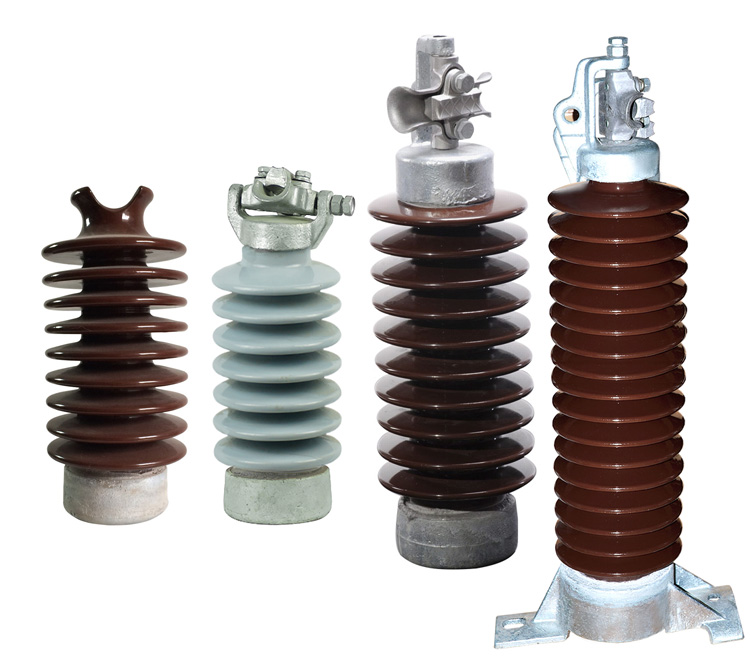
Material innovation reduces industrial post insulator failure risks in modern systems. Composite polymers improve mechanical flexibility and dielectric strength. Nano-coatings enhance surface hydrophobic properties significantly. Advanced ceramics increase thermal resistance capacity. Structural optimization reduces stress concentration zones. Lightweight designs improve installation efficiency. Smart monitoring integration enables real time diagnostics. Research focuses on self-healing insulation materials. Environmental resistance improves through material engineering. Future designs prioritize multi-stress resilience. Digital simulation tools support optimized development. Innovation drives higher reliability standards.