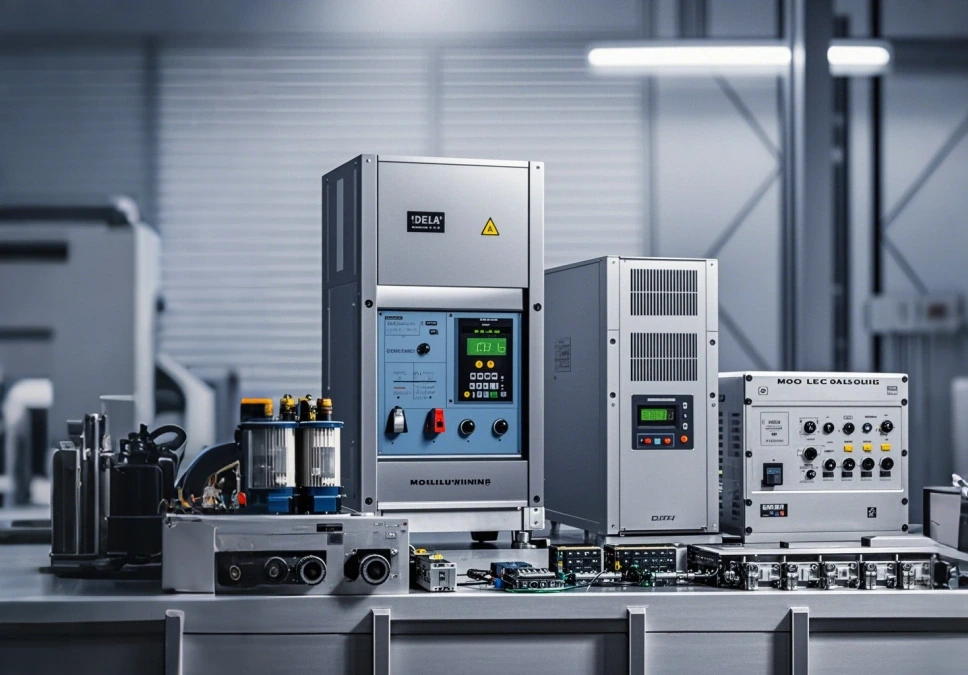
What Are The Benefits Of Advanced Humidity Control Systems?
Advanced humidity control protects electrical equipment, prevents condensation, and improves cabinet reliability with accurate monitoring.
Advanced Humidity Control Systems Improve Industrial Environmental Stability
Electrical equipment requires stable surrounding conditions to maintain safe and reliable operation. Advanced humidity control systems help protect electrical cabinets, switchgear units, and automation enclosures from moisture-related risks. Excess humidity may cause condensation, insulation reduction, corrosion, and circuit failures. Low moisture levels may increase static electricity and affect sensitive electronic components. Modern controllers combine sensors, control modules, and switching functions to maintain suitable conditions inside electrical spaces. Electrical engineers and purchasing teams evaluate these devices based on accuracy, response speed, installation method, and compatibility. Proper moisture regulation improves equipment reliability and reduces unexpected failures. These solutions support safer power distribution environments and help extend the service life of electrical components.
How Moisture Regulation Protects Electrical Equipment Performance
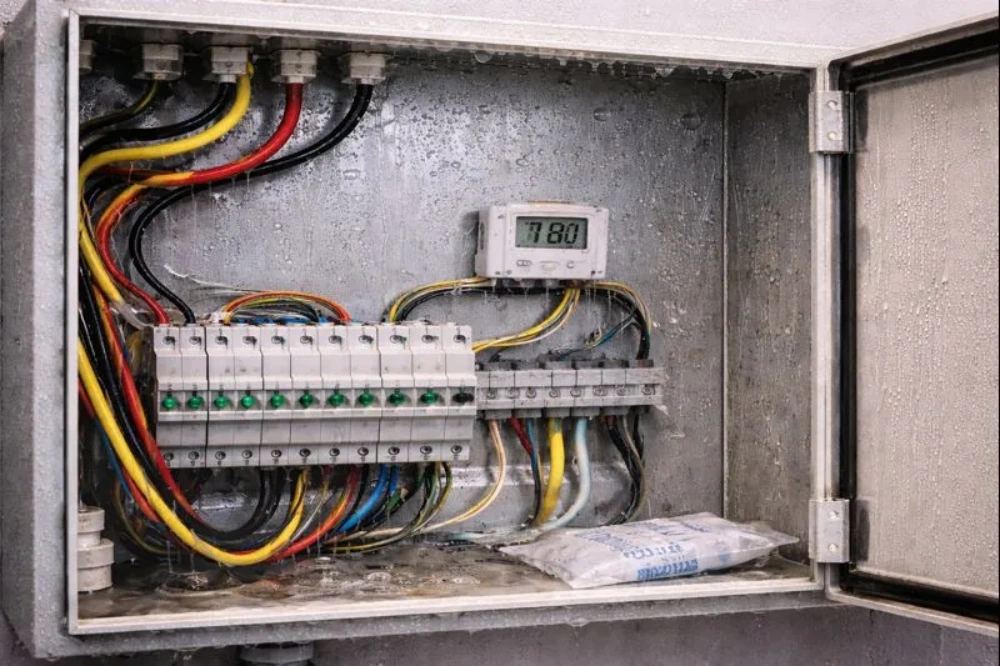
Electrical cabinets and control enclosures often operate in environments with temperature changes and moisture fluctuations. Condensation remains one of the most common threats because water droplets may appear on terminals, circuit boards, and metal surfaces. Effective moisture regulation helps prevent these conditions by activating connected heating or ventilation devices when humidity levels increase. Sensors continuously detect internal environmental changes and transfer signals to control units. The controller then manages output devices according to preset parameters. This process protects breakers, relays, contactors, and other electrical components from corrosion and insulation problems. Reliable moisture management reduces maintenance requirements and supports continuous operation in substations, industrial control rooms, and automation systems.
Smart Technologies Improve Energy Efficiency In Electrical Protection
Modern electrical protection solutions focus on precise operation and reduced energy consumption. Intelligent controllers monitor internal cabinet conditions instead of allowing heating devices or ventilation systems to operate continuously. Digital measurement technology enables accurate detection of environmental changes and supports automatic adjustments. These features prevent unnecessary power usage while maintaining suitable protection levels. Communication functions in advanced devices allow operators to integrate monitoring systems with industrial automation platforms. Real-time information helps maintenance teams identify abnormal conditions before equipment damage occurs. Efficient control methods improve operational performance and reduce long-term costs. Electrical facilities benefit from smarter management because protection equipment responds according to actual environmental requirements rather than fixed operating schedules.
Key Components Behind Reliable Moisture Management Solutions
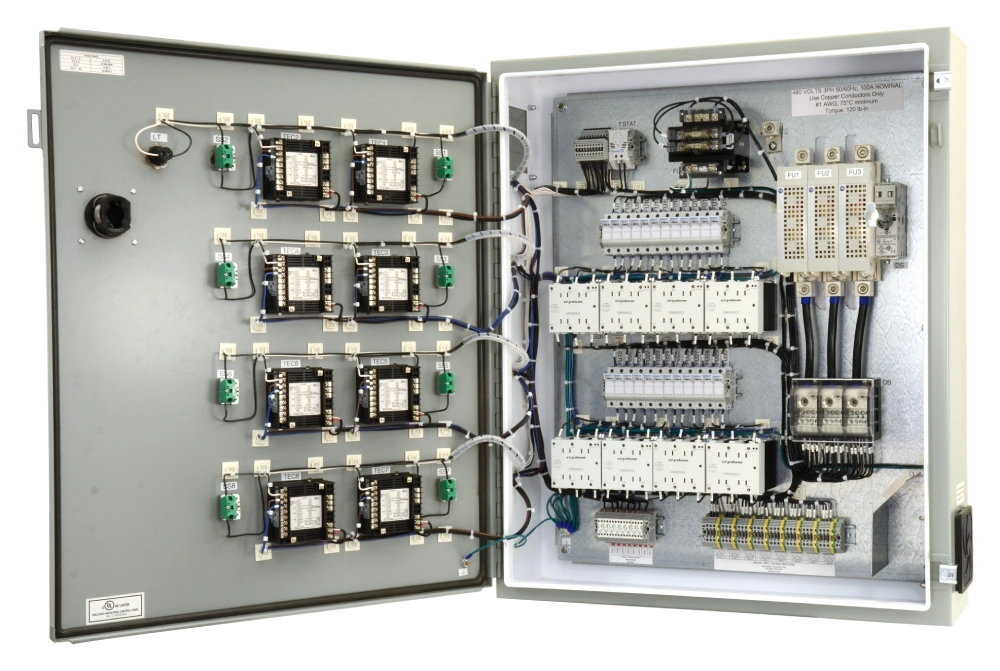
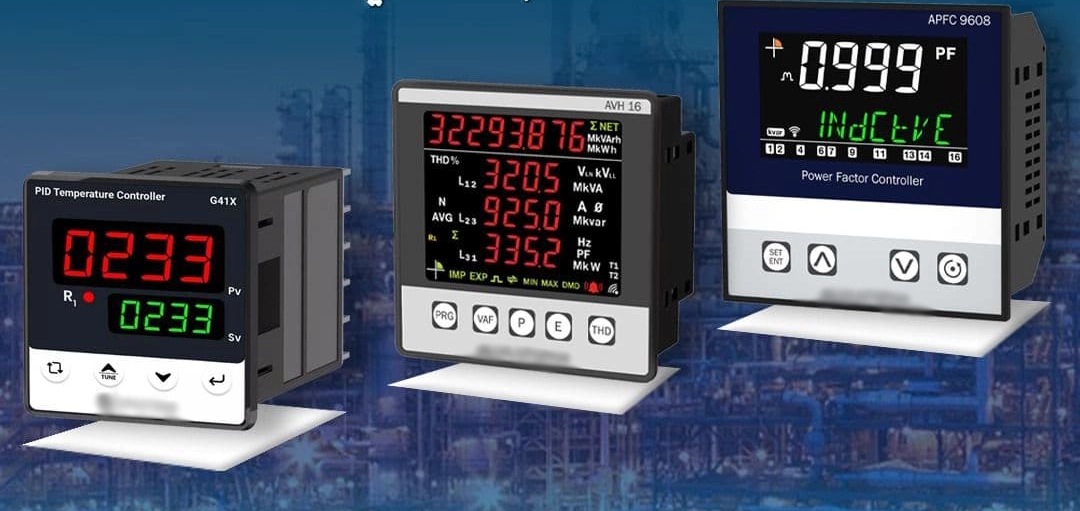
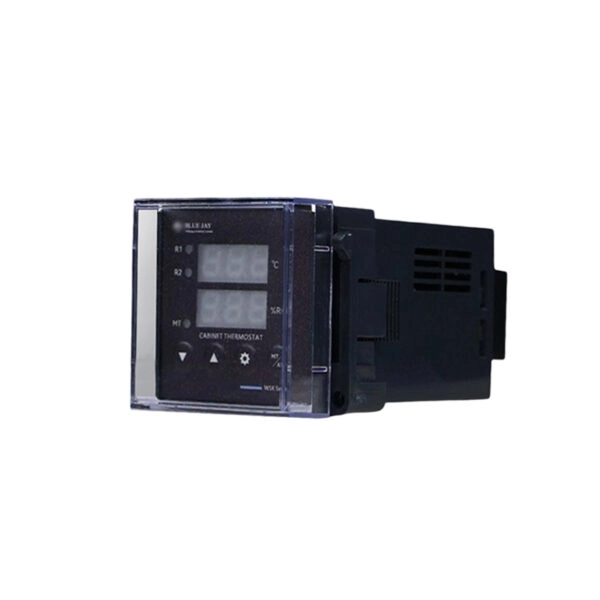
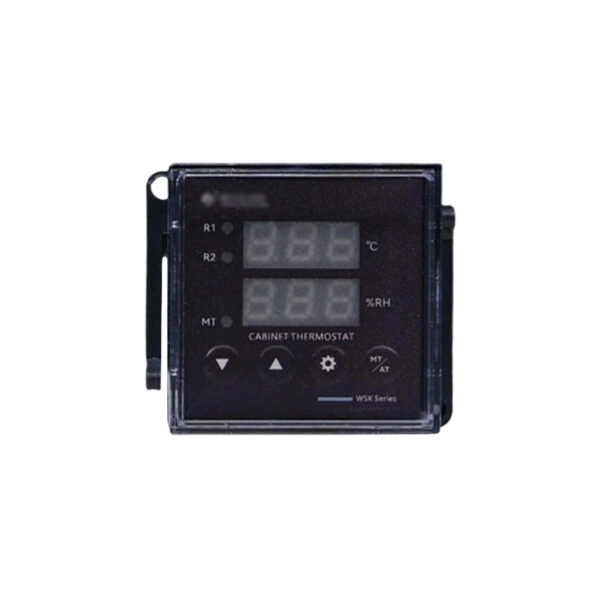
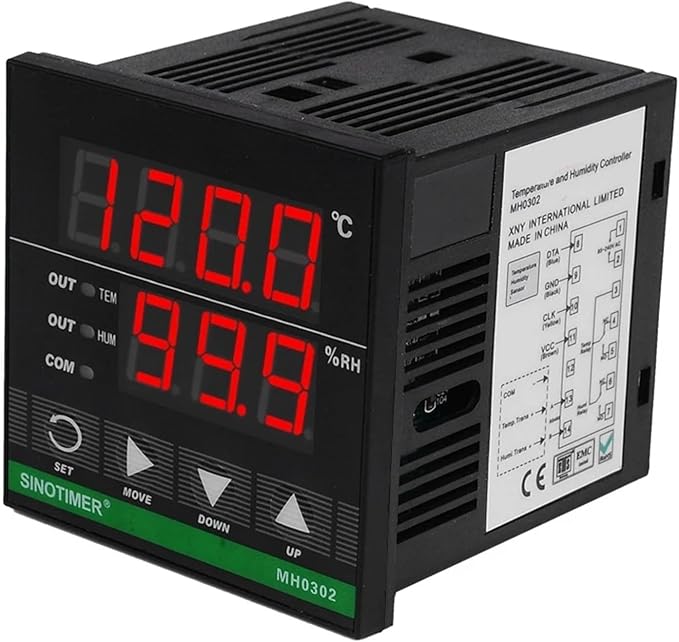
A reliable electrical moisture protection system depends on several technical components working together. Humidity sensors measure moisture levels inside cabinets and provide accurate environmental information. Control modules process sensor signals and activate connected devices when conditions exceed preset values. Heating elements remove condensation risks by increasing internal temperature slightly. Cooling or ventilation devices may support applications with different environmental requirements. Installation accessories ensure stable connection and convenient maintenance. The WSK Dial-Type Temperature and Humidity Controller provides direct adjustment functions with clear readings for electrical enclosure applications. Buyers should evaluate sensor accuracy, operating range, mounting structure, and compatibility before selecting equipment. Proper component matching improves protection performance and supports long-term electrical system reliability.
Electrical Applications That Require Precise Humidity Regulation
Electrical equipment requires moisture protection across many demanding environments. Switchgear cabinets in substations need stable internal conditions to protect insulation systems and control devices. Distribution cabinets use controllers to reduce condensation risks caused by temperature differences. Industrial automation panels require protection because programmable controllers, relays, and communication modules can be affected by moisture exposure. Outdoor electrical enclosures face additional challenges from weather changes and seasonal humidity variations. Railway control cabinets, energy storage systems, and communication cabinets also require reliable environmental management. Purchasing teams usually consider cabinet structure, installation location, operating temperature, and protection requirements. Proper controller selection improves equipment safety and reduces failures caused by unstable internal conditions.
| Electrical Equipment Application | Main Moisture Risk | Protection Requirement |
|---|---|---|
| Switchgear Cabinets | Condensation affecting insulation performance | Accurate moisture monitoring and control |
| Distribution Panels | Corrosion on terminals and connections | Stable internal environmental conditions |
| Automation Enclosures | Electronic component malfunction | Fast response environmental adjustment |
| Outdoor Control Cabinets | Weather-related moisture changes | Reliable protection under variable conditions |
Why Advanced Humidity Control Systems Deliver Better Equipment Reliability
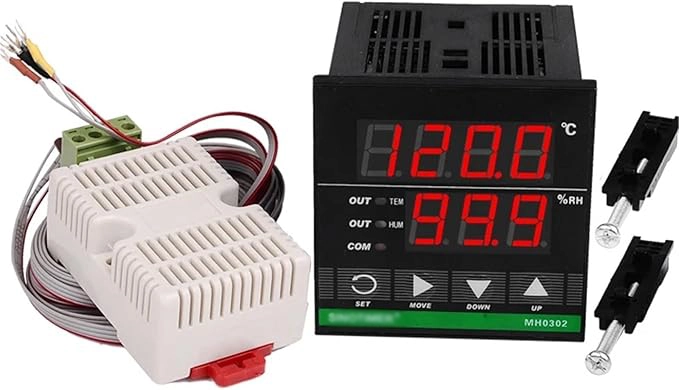
Electrical facilities require consistent protection because small environmental changes may affect critical components. Advanced humidity control systems improve cabinet safety by maintaining suitable internal conditions. Stable moisture levels reduce corrosion risks and protect insulation materials from deterioration.
| Evaluation Factor | Technical Consideration | Purchasing Benefit |
|---|---|---|
| Measurement Accuracy | Sensor precision and calibration stability | Improves protection reliability |
| Response Speed | Fast detection and control activation | Reduces condensation risks |
| Installation Method | Panel mounting or enclosure integration | Simplifies deployment process |
| Operating Range | Suitable temperature and moisture parameters | Matches application requirements |
- Reduced condensation risks inside electrical enclosures
- Improved protection for terminals, relays, and circuit components
- Lower maintenance requirements through automatic monitoring
- Better equipment reliability in changing environments
- Enhanced safety for power distribution systems
Maintenance Practices Improve Controller Reliability And Service Life
Regular maintenance ensures controllers continue providing accurate protection performance. Electrical teams should inspect sensors, wiring connections, and control settings according to operating conditions. Calibration checks help maintain measurement accuracy and prevent incorrect responses. Dust removal and connection inspections improve system stability over time. Operators should review alarm information and operating records to identify possible issues. Preventive maintenance reduces sudden failures because technicians can solve minor problems before they affect equipment. Companies should also consider spare parts availability and technical support when selecting suppliers. Proper maintenance practices extend equipment service life and maintain reliable protection for electrical systems.
FAQ
What industries benefit most from electrical humidity protection systems?
Electrical humidity protection systems provide value in industries using sensitive electrical equipment. Power distribution facilities rely on these solutions to protect switchgear and control cabinets. Manufacturing plants use them to protect automation panels and electrical enclosures. Renewable energy systems require moisture protection for control units and power equipment. Transportation infrastructure also benefits because railway and communication cabinets often operate in changing environments. Data centers and industrial facilities use environmental controllers to reduce risks affecting electronic components. These applications require stable internal conditions because moisture-related failures may interrupt important operations and increase maintenance costs.
How does moisture management improve electrical equipment lifespan?
Moisture management improves electrical equipment lifespan by reducing environmental damage. Excess moisture may create corrosion on terminals, connectors, and metal structures. Condensation can also affect insulation materials and electronic components. Controllers monitor internal conditions and activate protection devices when necessary. This process helps maintain suitable environments around sensitive electrical parts. Reduced moisture exposure lowers failure risks and decreases maintenance frequency. Electrical facilities can extend the service period of important equipment by preventing common environmental problems. Reliable protection methods improve system stability and help companies reduce replacement costs caused by premature component damage.
What factors should companies consider when selecting electrical moisture controllers?
Companies should evaluate several technical factors when selecting electrical moisture controllers. Sensor accuracy affects measurement reliability and control performance. Response speed determines how quickly the device reacts to changing conditions. Installation design should match cabinet structure and available space. Buyers should also review operating temperature ranges, connection methods, and compatibility with heating or ventilation devices. Product quality, supplier experience, and technical support influence long-term value. Electrical applications often require reliable operation under continuous conditions, so purchasing decisions should consider both performance and maintenance requirements. Careful evaluation helps companies select suitable controllers for their specific equipment environments.