What Are The Benefits Of An Aluminum Alloy Heater?
Aluminum alloy heater offers fast heat transfer, efficient temperature control, corrosion resistance, durability, and flexible installation.
Aluminum Alloy Heater Design and Heat Transfer Principles
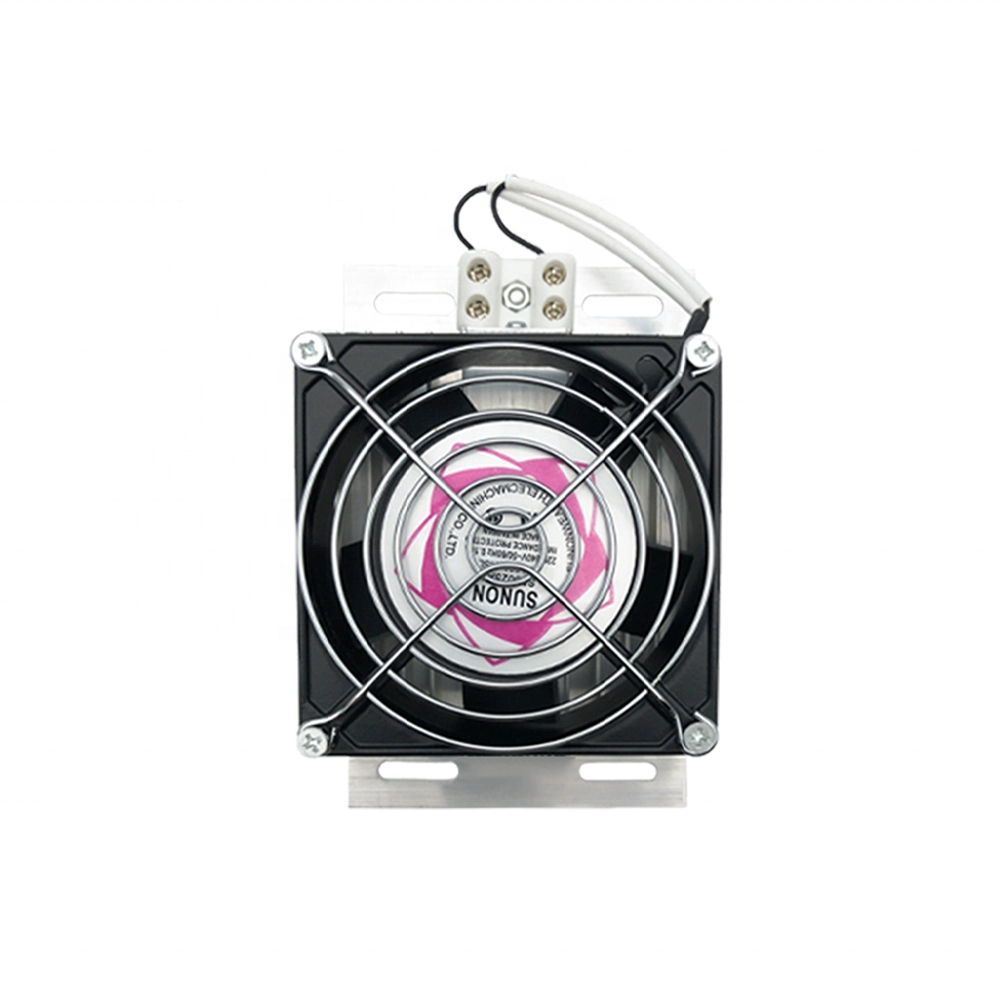
An aluminum alloy heater combines an electric heating element with a thermally conductive aluminum structure. The structure transfers heat from the element toward the surrounding equipment or air. Aluminum offers strong thermal conductivity compared with many common structural metals. This property helps distribute heat across a larger surface area. Manufacturers can also shape aluminum into compact profiles, fins, blocks, or custom housings. Such designs support different installation spaces and thermal requirements. The heating element typically uses resistance wire, etched circuits, or other electrical heating technologies. Engineers select the element according to voltage, wattage, temperature range, and application conditions. Proper contact between the element and aluminum body reduces thermal resistance. Consequently, the complete assembly can deliver stable heating while maintaining a compact mechanical footprint.
Key Thermal Benefits of Aluminum Construction
An aluminum alloy heater can deliver rapid thermal transfer because aluminum moves heat efficiently through its structure. Rapid transfer helps reduce the time required to reach a target temperature. Uniform heat distribution also limits excessive temperature differences across the heating surface. Engineers often consider thermal conductivity, density, thickness, and surface area together. A thinner aluminum section can transfer heat quickly, while thicker sections may provide greater mechanical support. Alloy selection also influences strength, corrosion resistance, machinability, and thermal performance. Common aluminum alloys offer different balances between these characteristics. Therefore, designers should avoid selecting material solely by conductivity values. The heating element, mounting method, ambient conditions, and required temperature range also affect performance. A properly engineered assembly can combine fast heating with predictable temperature behavior.
How Aluminum Alloy Heater Improves Temperature Distribution
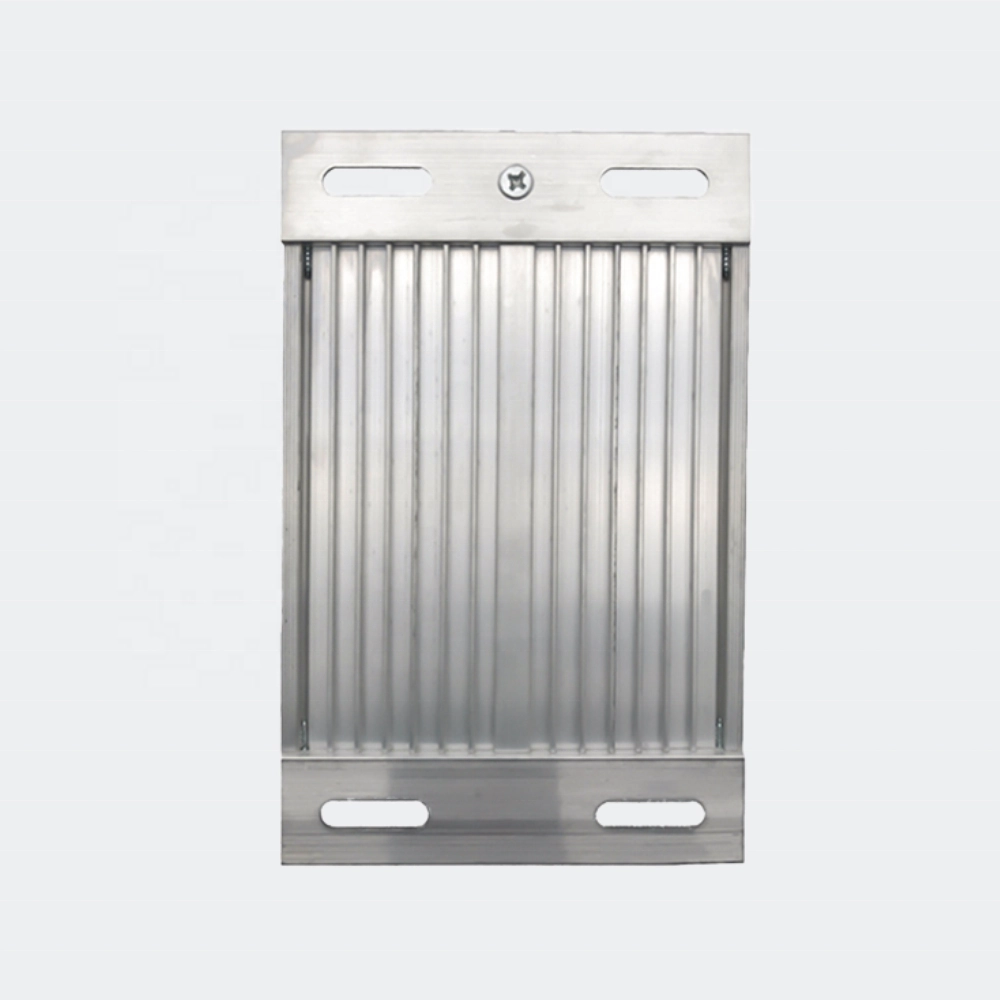
Temperature distribution depends on more than the electrical power rating. Heat must move efficiently from the resistance element through the aluminum body. The body then spreads thermal energy across its available surface. Designers can increase surface area through fins, ribs, channels, or shaped profiles. These structures encourage heat transfer without requiring a substantial increase in overall volume. Thermal interface materials may also reduce contact resistance between separate components. Uneven mounting pressure can create localized thermal resistance and produce temperature variations. Engineers should therefore evaluate contact surfaces, fastening methods, and component tolerances during development. Temperature sensors can identify hot spots during prototype testing. Infrared measurements can also reveal differences across accessible surfaces. These checks help confirm whether the heating structure provides adequate thermal uniformity under realistic operating conditions.
Lightweight Structure for Flexible Equipment Integration
Aluminum provides a useful combination of low density and practical mechanical strength. Its lower weight can simplify installation when equipment has strict structural limits. Lightweight components also reduce handling effort during assembly, maintenance, and replacement. Designers can create thin walls while retaining sufficient structural support for many applications. Extrusion processes allow manufacturers to produce long profiles with consistent cross-sectional geometry. Machining can then create mounting holes, slots, channels, and connection features. This flexibility supports compact electrical cabinets and industrial equipment with limited internal space. Weight reduction can also benefit systems that require frequent transportation or modular installation. However, designers still need to evaluate vibration, fastening loads, thermal expansion, and mechanical stress. Proper alloy selection ensures the lightweight structure remains suitable for the intended operating environment.
Corrosion Resistance in Demanding Operating Environments
Aluminum naturally forms a thin oxide layer when exposed to air. This layer helps protect the underlying metal from further oxidation. However, corrosion performance varies according to alloy composition and environmental conditions. Moisture, salts, chemicals, temperature, and electrical contact can influence long-term behavior. Certain industrial environments may require additional surface protection. Anodizing can increase surface hardness and provide a controlled protective layer. Coatings can offer additional resistance when the operating environment presents aggressive contaminants. Engineers should also consider galvanic corrosion when aluminum contacts copper, steel, or other dissimilar metals. Suitable isolation materials can reduce unwanted electrochemical reactions. Drainage and ventilation also matter in equipment exposed to condensation. These measures can improve reliability and reduce maintenance requirements during extended operation.
Durability and Mechanical Performance
Heating equipment experiences repeated thermal expansion and contraction during normal operation. Every heating cycle can create mechanical stress between materials with different expansion coefficients. Aluminum expands more than many steels as temperature rises. Engineers therefore need to account for dimensional movement during component design. Flexible mounting points can accommodate controlled expansion without excessive mechanical stress. High-quality heating elements also require stable electrical connections throughout repeated cycles. Loose terminals can increase resistance and create localized heating at connection points. Mechanical tolerances influence how components fit together after thermal cycling. Manufacturers should inspect dimensions, mounting interfaces, insulation, terminals, and surface quality. Production testing can identify abnormal resistance, temperature behavior, or electrical leakage. These controls support consistent performance across repeated manufacturing batches.
| Performance Factor | Aluminum Structure Advantage | Design Consideration |
|---|---|---|
| Thermal conductivity | Rapid heat spreading | Match alloy and thickness to thermal demand |
| Weight | Lower structural mass | Check mechanical loading and vibration |
| Corrosion resistance | Natural oxide protection | Consider coating and environmental exposure |
| Machinability | Supports precise custom features | Control dimensions and surface finish |
| Thermal expansion | Predictable dimensional movement | Allow suitable expansion clearance |
Energy Efficiency and Thermal Response
Heating efficiency depends on how effectively electrical energy becomes useful thermal energy. Fast thermal response can reduce unnecessary heating periods during temperature changes. Accurate control also prevents excessive temperature overshoot and repeated high-power operation. A suitable thermostat, temperature sensor, or controller can regulate the heating cycle. Engineers should calculate heat loss from the enclosure, surrounding air, equipment surfaces, and ventilation paths. Ambient temperature creates another important variable during heater selection. Higher heat losses require greater output capacity to maintain the same target temperature. Excessive power can create unstable control and unnecessary energy consumption. Insufficient power may cause continuous operation without reaching the required temperature. Proper sizing therefore requires both thermal calculations and practical operating data. Real-world testing remains valuable when environmental conditions vary significantly.
Manufacturing Methods and Surface Treatment Options
Manufacturing processes directly influence dimensional accuracy, thermal contact, and production consistency. Extrusion can produce long aluminum profiles with repeatable geometry and efficient material utilization. Die casting supports more complex shapes with integrated mounting features and thermal structures. CNC machining can create precise holes, grooves, interfaces, and electrical mounting areas. Manufacturers may combine these processes to balance performance and production cost. Surface treatments can further improve corrosion resistance, appearance, or surface hardness. Anodizing creates a controlled oxide layer and can support demanding environmental conditions. Coatings provide another option when specific chemical or mechanical resistance matters. Quality control should verify alloy specifications before production begins. Dimensional inspection should then confirm critical mounting and contact surfaces. Electrical testing should verify resistance, insulation, and operating performance before shipment.
Key Selection Factors for Different Applications
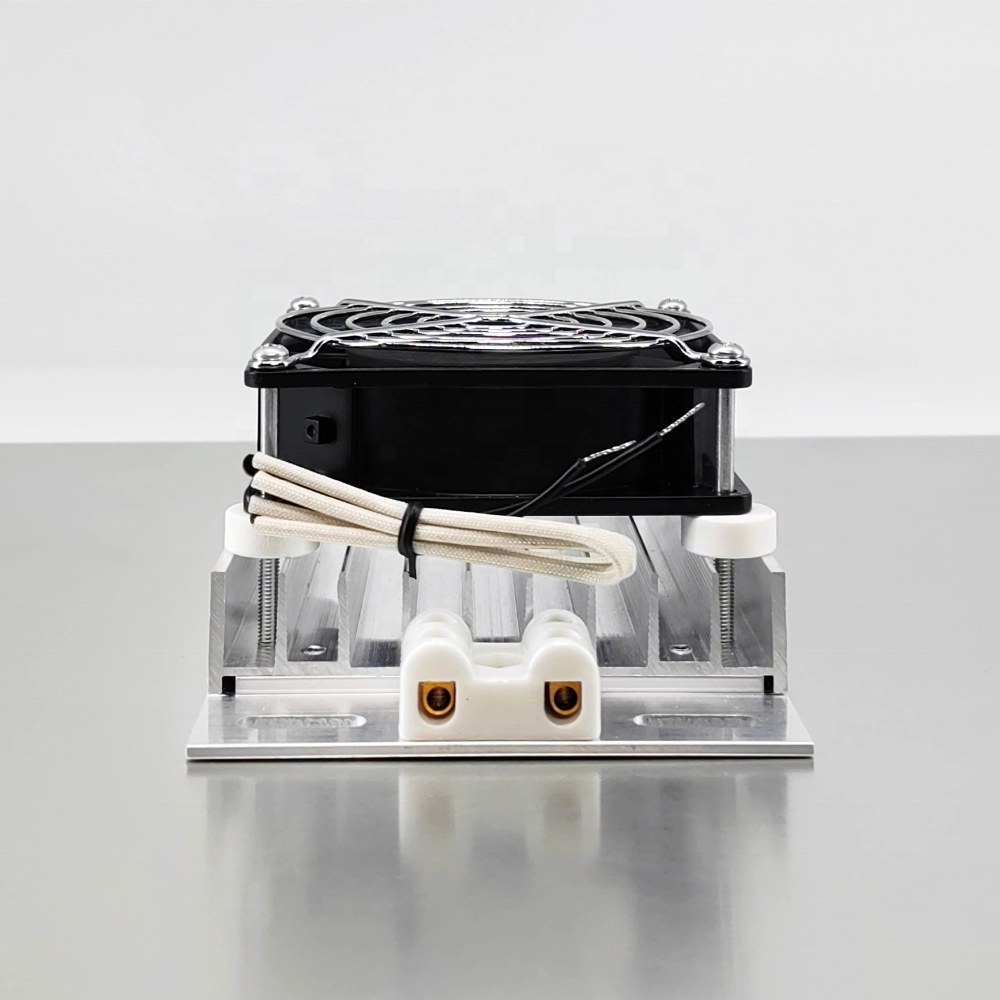
Choosing the right heating assembly requires more than comparing wattage. Engineers should first identify the target temperature and surrounding environmental conditions. Voltage compatibility must match the equipment power system and control architecture. Rated power should reflect actual heat loss rather than relying on nominal cabinet dimensions. Installation space determines the acceptable length, width, thickness, and mounting configuration. Surface temperature limits may also affect nearby electronic components and insulation materials. Environmental exposure determines whether additional corrosion protection becomes necessary. Control requirements influence the choice of sensors, thermostats, relays, or electronic controllers. Buyers should also verify production consistency when ordering repeated quantities. The DJR-S Aluminum Alloy Heater Series can represent one design approach for applications requiring compact heating structures. Specification review should confirm dimensions, electrical ratings, operating temperatures, connection details, and installation requirements before final selection.
| Application | Primary Heating Requirement | Important Selection Parameter |
|---|---|---|
| Electrical cabinets | Prevent condensation and maintain suitable internal temperature | Power, thermostat compatibility, mounting space |
| Industrial enclosures | Maintain stable internal conditions | Environmental resistance and thermal output |
| Control equipment | Protect sensitive components from low temperatures | Temperature range and compact dimensions |
| Outdoor electrical systems | Counteract cold conditions and condensation | Corrosion protection and insulation |
Installation and Maintenance Considerations
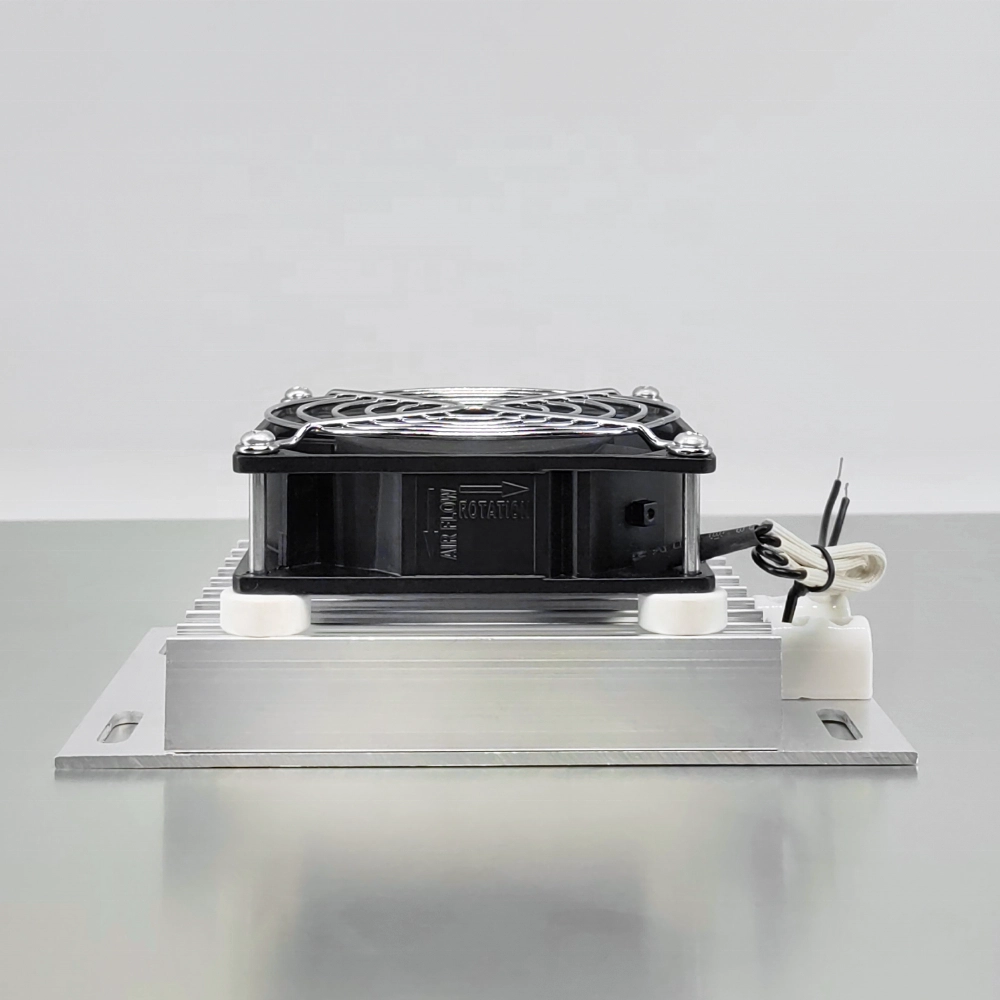
Correct installation directly affects heating performance and operating reliability. Installers should maintain sufficient clearance around surfaces that need effective heat dissipation. Mounting hardware must provide stable contact without imposing excessive mechanical stress. Electrical terminals require secure connections that match the specified wire size and current rating. Controllers should position temperature sensors where readings accurately represent the protected area. Poor sensor placement can trigger premature shutdown or unnecessary heating cycles. Ventilation paths must remain unobstructed when controlled air movement supports thermal management. An aluminum alloy heater should also receive periodic inspection for terminal condition, mounting stability, surface damage, and overheating signs. Dust and contamination may reduce heat transfer around exposed surfaces. Periodic resistance measurements can reveal electrical changes before they develop into serious faults. A consistent maintenance schedule supports reliable operation and can extend service life.
Practical Evaluation Checklist Before Purchase
A structured purchasing process can reduce performance risks and specification mismatches. Buyers should compare technical documentation rather than relying only on product appearance. The following points deserve particular attention before placing an order:
- Confirm rated voltage and power against the equipment supply.
- Check operating temperature and allowable surface temperature.
- Verify dimensions, mounting holes, terminals, and installation clearances.
- Review aluminum alloy grade and surface treatment specifications.
- Check resistance tolerance and electrical insulation requirements.
- Evaluate corrosion exposure and required environmental protection.
- Request production inspection and performance testing information.
- Confirm packaging, delivery consistency, and replacement support.
These checks create a practical framework for comparing different heating solutions. They also help buyers identify specifications that could affect installation or long-term operation. Technical drawings should receive careful review before production approval. Samples can verify dimensions, connection positions, surface quality, and thermal behavior. Testing under representative conditions provides stronger evidence than visual inspection alone. Buyers should also confirm whether suppliers can maintain consistent specifications across repeated orders. The DJR-S Alloy Heater may suit systems where compact construction and controlled thermal output are important. However, final selection should always follow the actual equipment requirements. A suitable heater balances thermal performance, mechanical fit, electrical compatibility, environmental resistance, and maintenance needs.
Why Aluminum Alloy Heater Can Support Long-Term Performance
Long-term performance comes from coordinated material selection, thermal design, electrical control, and manufacturing quality. Aluminum provides efficient heat spreading while keeping structural weight relatively low. Its machinability also supports precise mounting and customized thermal geometries. Engineers can improve reliability further through appropriate surface treatment and controlled thermal expansion. Electrical connections require equal attention because poor terminals can create localized resistance and overheating. Temperature control protects the heating assembly from unnecessary thermal stress. Correct power sizing also prevents continuous overload or ineffective heating cycles. Production inspection ensures critical dimensions and electrical characteristics remain consistent.
Field maintenance then helps identify contamination, loose connections, corrosion, and mechanical changes. These factors work together rather than functioning independently. A well-selected heating assembly can therefore provide stable thermal management across demanding equipment applications. Buyers should evaluate the complete system instead of focusing on one material characteristic.
FAQ
What makes aluminum suitable for heating applications?
Aluminum offers strong thermal conductivity, low density, and practical manufacturing flexibility. These properties help heating assemblies transfer thermal energy efficiently. The material spreads heat from an internal element across a broader surface. This behavior can support faster temperature response and more uniform heating. Aluminum also supports extrusion, machining, and casting processes for different equipment designs. Its natural oxide layer provides useful protection against ordinary atmospheric exposure. However, harsh environments may require anodizing or additional coatings. Designers must also account for aluminum's relatively high thermal expansion. Proper mounting can accommodate this movement during repeated heating cycles. Overall performance depends on the heating element, aluminum alloy, dimensions, control system, and operating environment.
How should heater power be selected?
Heater power should match the heat loss of the target equipment. Engineers should consider enclosure size, ambient temperature, insulation, ventilation, and desired temperature. Heat loss through metal walls and openings can significantly affect required output. Cold outdoor environments generally require greater heating capacity than controlled indoor spaces. Designers should also consider the desired warm-up time. Higher power can shorten startup time, but excessive capacity may complicate temperature control. A thermostat or electronic controller can regulate output according to measured temperature. Safety limits should also remain within the heater and equipment specifications. Practical testing can validate calculations under representative conditions. Buyers should provide complete application data when requesting a recommended heater specification.
What factors affect heater service life?
Service life depends on temperature, thermal cycling, electrical loading, material quality, and installation conditions. Frequent cycling creates expansion and contraction within the heating structure. Excessive temperatures can accelerate insulation aging and increase mechanical stress. Poor electrical connections may generate localized heat around terminals. Moisture and corrosive contaminants can also damage exposed components over time. Proper surface treatment helps protect aluminum structures in demanding environments. Correct mounting reduces mechanical stress during repeated temperature changes. Regular inspections can identify loose terminals, corrosion, contamination, and abnormal heating. Stable temperature control also prevents unnecessary thermal loading. Selecting suitable materials and maintaining correct operating conditions can significantly improve reliability. Quality production testing provides another important safeguard against premature failures.