What Does An Earth Fault Indicator Do In Power Systems?
Earth fault detection device solutions improve power safety with accurate monitoring, fast response, and reliable electrical protection.
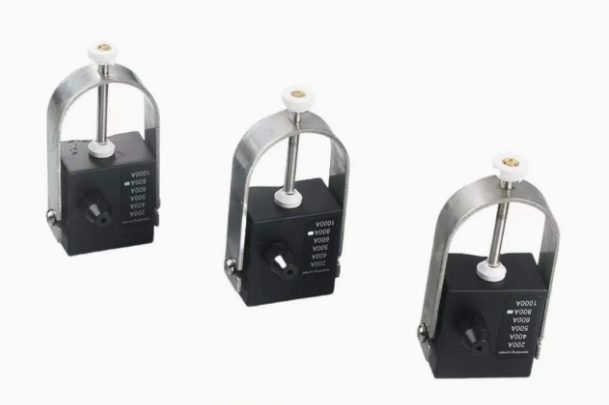
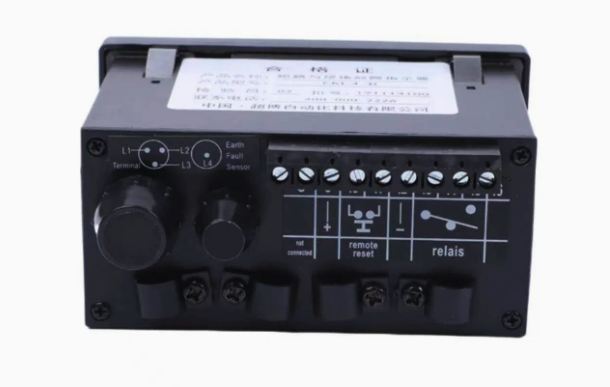
Modern power networks require stable protection methods to prevent unexpected failures. An earth fault detection device helps operators identify abnormal current paths caused by insulation damage or conductor contact with ground. Electrical systems face risks from aging cables, moisture, mechanical stress, and equipment failures. Early fault recognition reduces equipment damage and improves operational safety. These devices monitor electrical conditions continuously and provide clear signals when grounding problems appear. Engineers use them in distribution systems, industrial plants, and substations. Reliable detection supports faster maintenance decisions and reduces long service interruptions. Proper selection also depends on voltage levels, installation conditions, and communication requirements.
How Earth Fault Detection Device Detects Electrical Fault Conditions
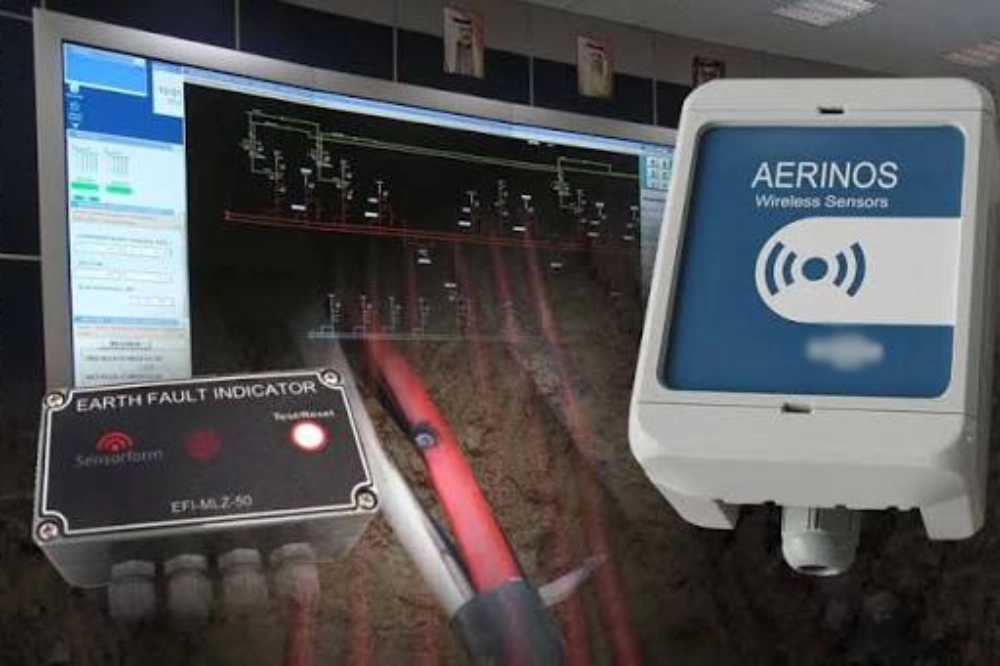
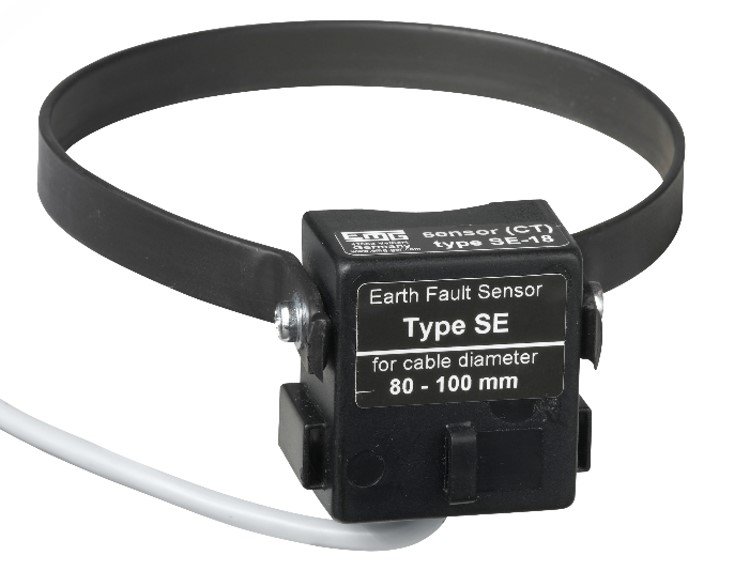
An earth fault detection device uses advanced sensing methods to identify leakage currents and voltage changes inside electrical networks. Current sensors collect electrical signals around conductors and send information to processing units. The internal circuit analyzes abnormal patterns and determines whether a grounding fault exists. Modern designs often combine sensitive detection technology with visual indicators and communication functions. These features allow maintenance teams to locate problems quickly without shutting down entire systems. The detection process depends on accurate sensors, stable signal processing, and suitable response settings. Different applications require different sensitivity levels because industrial systems and utility networks have unique operating conditions.
Key Components That Support Accurate Fault Monitoring Performance
Electrical fault monitoring equipment contains several important components that work together. Each part affects detection accuracy, response speed, and long-term reliability. The main components include sensors, processors, indicators, and communication modules. Their functions determine how effectively the system identifies electrical problems.
| Component | Main Function | Performance Influence |
|---|---|---|
| Current Sensor | Measures abnormal current flow | Improves detection sensitivity |
| Processing Unit | Analyzes electrical signals | Provides accurate fault judgment |
| Indicator Module | Displays fault status | Supports quick maintenance action |
| Communication Interface | Transfers monitoring data | Enables remote supervision |
Component quality directly affects system performance during real operating conditions. Current sensors must maintain accuracy under different loads and environmental changes. Processing units need stable algorithms to separate normal fluctuations from actual faults. Indicator modules should provide clear signals for field workers. Communication interfaces improve management efficiency by connecting devices with control platforms. These technologies create a complete protection structure for modern electrical systems. Engineers evaluate each component carefully because a weak part can reduce overall reliability. Advanced designs focus on durability, fast response, and compatibility with different power applications.
Why Power Systems Need Reliable Ground Fault Monitoring Solutions
Power networks require dependable monitoring because electrical faults can create serious safety concerns. A grounding fault may damage transformers, cables, switchgear, and connected equipment. Industrial facilities often operate continuously, making unexpected shutdowns expensive. Fault monitoring solutions help technicians locate problems before failures become severe. They also improve maintenance planning by providing accurate condition information. Many systems combine visual alarms with digital communication functions. These features allow operators to react faster during abnormal conditions. The use of an Integrated Indicator for Voltage Presence Grounding Fault improves field visibility by combining voltage presence status and grounding fault information. Such solutions support safer inspections and better operational control in complex electrical environments.
Applications Of Earth Fault Detection Device In Electrical Systems
Different industries use earth fault detection device solutions to protect critical electrical infrastructure. Distribution networks, manufacturing plants, renewable energy projects, and transportation systems all require reliable fault monitoring. Medium voltage systems especially need accurate protection because faults can affect large areas. Substations also use these technologies to improve equipment management and reduce outage risks.
Common application factors include:
- System voltage range and electrical structure.
- Required detection sensitivity and response speed.
- Installation location and environmental conditions.
- Communication requirements for monitoring platforms.
Application requirements determine the most suitable device features. Engineers analyze system design before choosing monitoring equipment. Industrial environments may require stronger protection against dust, humidity, and vibration. Renewable energy systems often need flexible communication options because equipment locations vary widely.
Selecting proper specifications improves safety and reduces unnecessary maintenance costs. Accurate fault monitoring also supports better asset management because operators gain clearer information about electrical conditions. These advantages make modern detection solutions valuable across many industries.
Technical Factors Affecting Detection Accuracy And Device Reliability
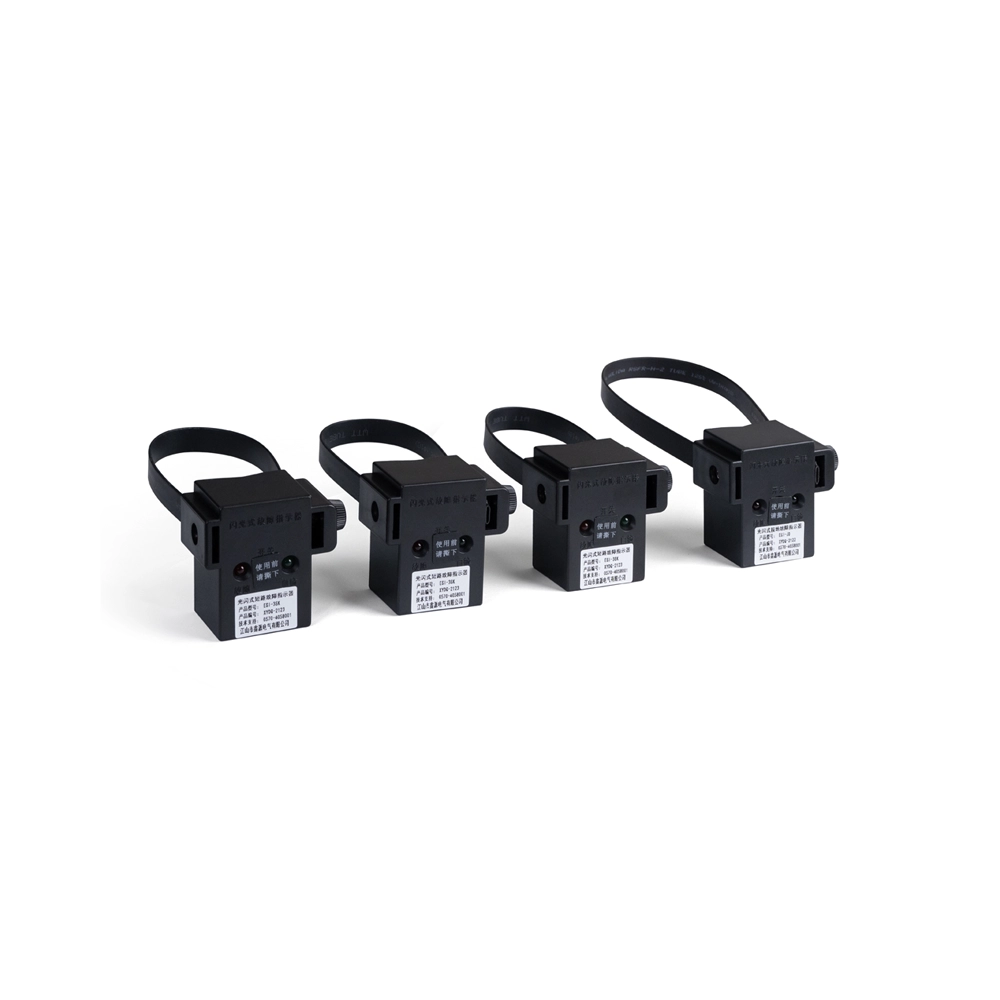
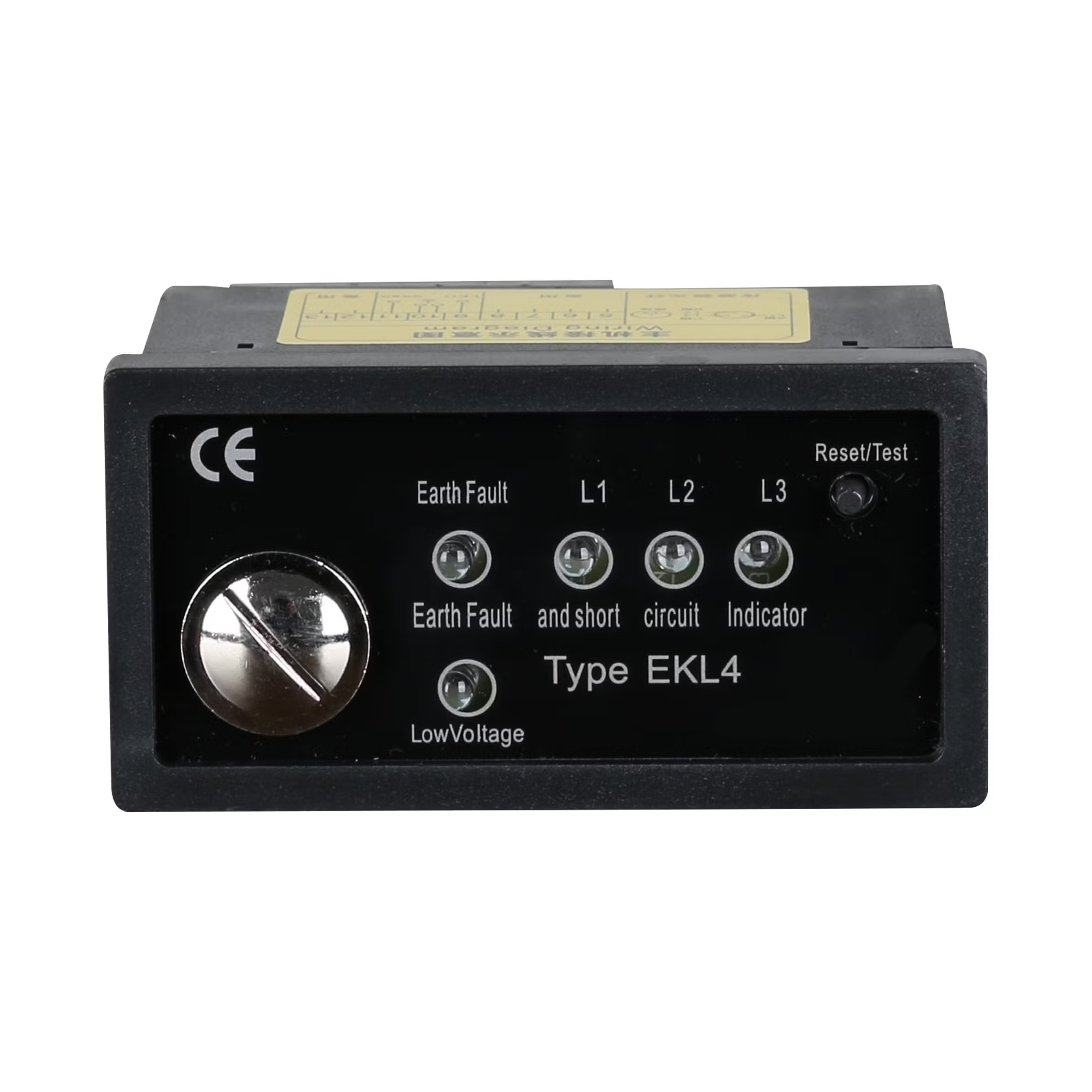
Several technical factors influence the performance of electrical monitoring equipment. Detection sensitivity determines whether the system can recognize small leakage currents. Response time affects how quickly operators receive fault information. Protection ratings show whether devices can operate under harsh environments. Signal interference resistance helps maintain accuracy near complex electrical equipment. Engineers also consider insulation quality, sensor precision, and calibration stability. A Panel Mounted Paddle Type Short Circuit Fault Indicator provides another monitoring option for specific distribution applications. Its design supports visible fault indication and helps maintenance teams identify abnormal circuit conditions. Proper technical evaluation ensures reliable performance throughout the product lifecycle.
Comparison Between Traditional Inspection And Modern Monitoring Methods
Traditional fault inspection usually depends on manual testing and scheduled maintenance activities. These methods require more labor and may delay fault discovery. Modern monitoring systems provide continuous observation and faster information access. Digital technologies allow operators to receive alerts immediately when abnormal conditions appear. The comparison below shows differences between traditional methods and advanced solutions.
| Inspection Method | Traditional Approach | Modern Monitoring Approach |
|---|---|---|
| Detection Timing | Periodic inspection | Continuous monitoring |
| Fault Location | Manual investigation | Fast indication support |
| Data Availability | Limited records | Digital information storage |
| Maintenance Efficiency | Reactive repairs | Planned maintenance |
Modern monitoring methods improve maintenance efficiency through real-time information. Operators can evaluate problems before equipment damage expands. Digital records also help teams analyze repeated faults and optimize system designs. Traditional inspection still has value for verification tasks, but continuous monitoring provides stronger protection. Combining both approaches creates a balanced maintenance strategy. Electrical operators can reduce downtime while improving overall system reliability. Advanced monitoring technologies continue developing with better communication features and smarter analysis capabilities.
Installation Methods And Their Influence On Operating Stability
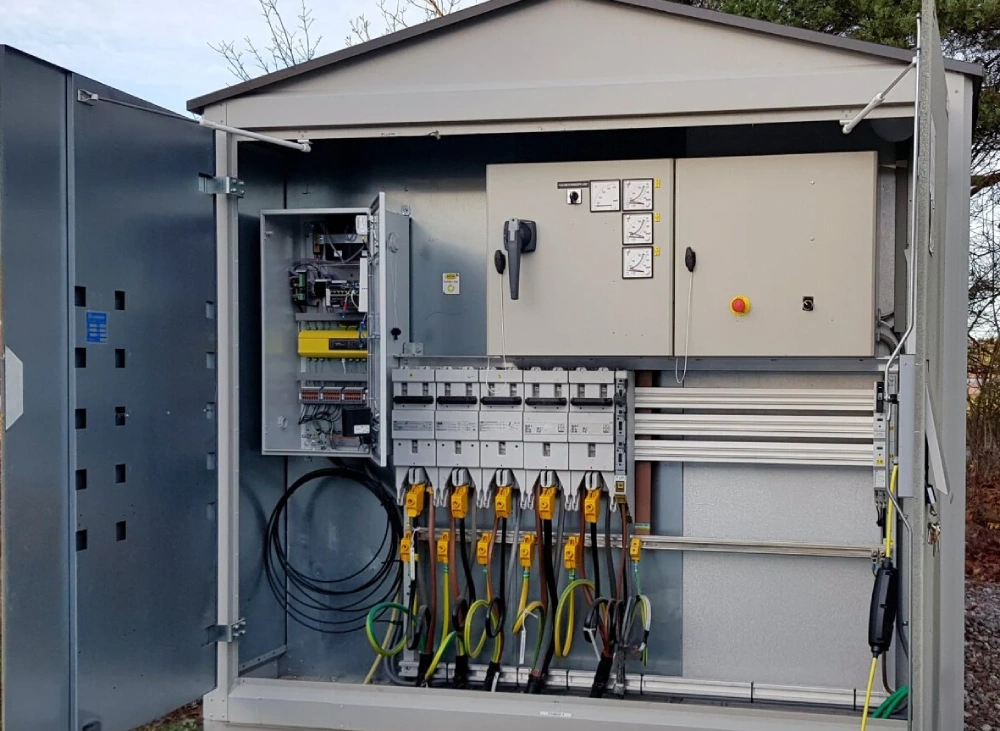
Correct installation plays an important role in long-term equipment performance. Engineers must consider cable routing, sensor placement, and environmental protection before installation. Incorrect positioning may reduce detection accuracy or create unnecessary signal interference. Devices installed inside control cabinets require proper spacing and ventilation. Outdoor applications need suitable protection against temperature changes and moisture exposure. Maintenance accessibility also affects future service efficiency. A well-planned installation process helps devices maintain stable operation for many years. Professional installation teams follow electrical standards and verify system performance after completion. Regular inspections further improve reliability by identifying aging components and connection problems early.
Selecting The Right Earth Fault Detection Device For Different Power Applications
Choosing the right earth fault detection device requires evaluation of system requirements and operating conditions. Buyers should examine voltage compatibility, sensitivity range, communication functions, and product durability. Different industries have different priorities based on equipment structure and safety objectives. Manufacturers with technical experience can provide suitable solutions for complex applications. Reliable products should support stable operation, accurate indication, and convenient maintenance. Selection decisions should focus on long-term value rather than only initial cost. Proper equipment improves electrical safety and supports efficient asset management. Careful comparison helps organizations select solutions that match their power infrastructure and future expansion plans.
Future Development Trends In Electrical Fault Monitoring Technology
Electrical protection technology continues moving toward smarter and more connected solutions. Modern systems increasingly include remote communication, digital analysis, and intelligent diagnostics. These features help operators manage larger electrical networks more efficiently. Artificial intelligence and data analysis may improve fault prediction capabilities in future applications. Wireless communication can simplify installation in difficult locations. Improved sensor technology will also enhance detection accuracy while reducing equipment size. The development direction focuses on safer operation, faster response, and better information management. Power industries continue investing in advanced monitoring systems because reliable protection remains essential for modern infrastructure.