
What Does An Earth Fault Indicator Mean When Yellow?
Earth fault indicator yellow helps detect grounding faults with reliable monitoring, safety features, and efficient power systems.
What Does An Earth Fault Indicator Yellow Signal Represent
Power distribution networks need reliable monitoring equipment to identify abnormal electrical conditions quickly. An earth fault indicator yellow signal usually shows that the device has detected a grounding-related condition requiring inspection. The yellow status does not always mean an immediate system shutdown. Instead, it often provides an early warning before a more serious failure develops. Different manufacturers may assign specific meanings based on product design and detection methods. Therefore, buyers should review technical specifications before selecting equipment. Reliable indicators help maintenance teams locate possible insulation issues, leakage currents, or grounding problems. Proper signal interpretation improves electrical safety and reduces unnecessary downtime in distribution systems.
How Does An Earth Fault Indicator Detect Electrical Fault Conditions
Fault indicators operate through advanced sensing technologies that monitor current changes inside electrical networks. When insulation damage occurs, current may flow through an unintended grounding path. Sensors detect abnormal zero-sequence current changes around cables or conductors. Internal processing circuits analyze these signals and activate visual warnings according to preset parameters. Detection performance depends on sensor sensitivity, response speed, and electronic processing quality. Modern solutions support faster fault identification because they combine accurate sensing with reliable signal analysis. Electrical distributors should evaluate technical performance before purchasing products. Correct equipment selection helps customers maintain stable power systems and improve maintenance efficiency across different applications.
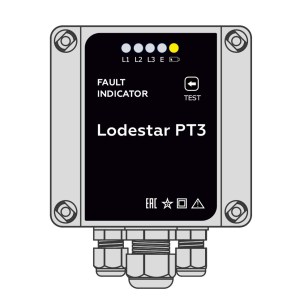
Key Components Affect Indicator Accuracy And Long-Term Performance
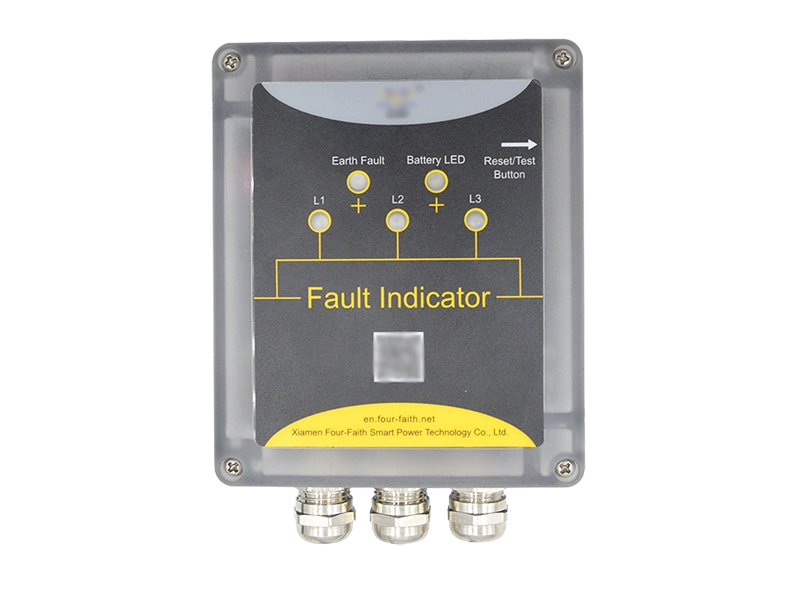
A fault indicator contains several essential components that determine detection reliability and service life. The sensing unit captures electrical changes around conductors and transfers information to the processing module. The electronic section evaluates signal conditions and controls warning responses. The display system provides clear visual information through LED or mechanical indicators. Power components maintain stable operation during different working conditions. Advanced products may combine multiple monitoring functions to improve system visibility. For example, an Integrated Indicator for Voltage Presence Grounding Fault combines voltage detection and grounding fault monitoring. Such designs provide clearer information for technicians during inspection and maintenance activities.
| Component | Function | Performance Influence |
|---|---|---|
| Current Sensor | Detects abnormal electrical changes | Affects sensitivity and measurement accuracy |
| Processing Module | Analyzes fault signals | Controls response speed and reliability |
| Display System | Shows warning information | Improves fault identification efficiency |
| Power Unit | Supports continuous operation | Maintains stable equipment performance |
Component Selection Determines Monitoring Reliability
High-quality internal components directly influence the performance of electrical monitoring equipment. Accurate sensors provide stable measurements during changing load conditions. Advanced circuits reduce false alarms caused by electrical interference. Durable indicator systems maintain visibility in outdoor cabinets and industrial environments. Buyers should review material quality, temperature resistance, and protection levels before ordering. Reliable construction reduces maintenance requirements and improves operational stability. Manufacturers with strict inspection processes usually deliver more consistent products because every component receives quality verification. Careful evaluation allows distributors to provide suitable solutions for different electrical applications and customer requirements.
Why Does The Yellow Indicator Appear In Power Distribution Systems
Power distribution systems may display yellow signals because of various electrical and environmental factors. Cable insulation aging is a common reason because damaged insulation allows leakage current to develop. Moisture penetration can reduce insulation resistance and create unstable electrical conditions. Underground cable networks require additional attention because joints and connections experience long-term environmental exposure.
Industrial facilities may face vibration, temperature changes, and heavy electrical loads.A suitable monitoring device helps operators identify possible risks before major failures occur. Products such as a Panel mounted Paddle Type Short circuit Fault Indicator provide additional monitoring functions for specific installation environments. These solutions improve fault visibility and support faster troubleshooting.
Common causes that may trigger warning indications include:
- Aging insulation materials reducing electrical resistance.
- Moisture affecting cable performance and reliability.
- Loose connections creating unstable current paths.
- Environmental stress influencing equipment operation.
- Improper grounding conditions inside electrical systems.
Environmental Conditions Affect Fault Detection Performance
Installation environments strongly influence indicator accuracy and service life. High humidity may reduce insulation quality and increase leakage risks. Extreme temperatures can affect electronic components and measurement stability. Dust accumulation around electrical cabinets may create additional maintenance needs. Different locations also require different protection levels and installation methods. Outdoor systems usually need stronger environmental resistance, while indoor equipment may focus on compact designs. Buyers should evaluate operating conditions before selecting suitable products. Proper environmental matching improves durability and reduces unnecessary maintenance problems. Regular inspection allows operators to maintain safer and more efficient power distribution networks.
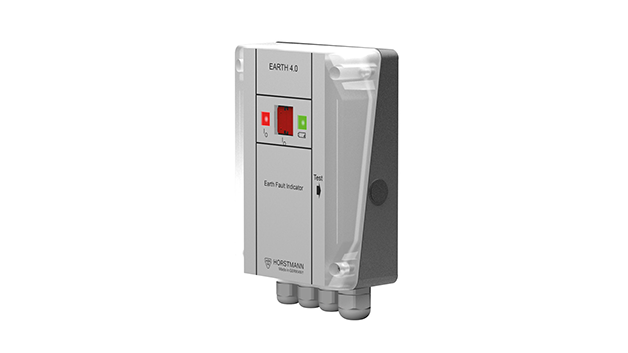
How Can Buyers Select A Reliable Earth Fault Indicator Yellow Solution
Selecting suitable electrical monitoring equipment requires careful review of technical specifications and application requirements. Buyers should consider detection sensitivity, response time, installation structure, and protection rating.A reliable product should match voltage systems, cable designs, and operating environments. Wholesale customers should also evaluate supplier experience, production consistency, and quality management procedures. Technical documents and product samples provide valuable information before large purchases. Products with flexible configurations can support different market demands. Careful comparison helps buyers select solutions that provide stable performance, efficient maintenance, and long-term value. Professional suppliers can also provide technical assistance during selection and installation processes.
| Selection Factor | Technical Requirement | Buyer Evaluation Point |
|---|---|---|
| Detection Sensitivity | Accurate fault recognition | Review testing data and settings |
| Response Speed | Fast warning activation | Compare fault identification efficiency |
| Protection Level | Suitable environmental resistance | Match installation conditions |
| Mounting Method | Compatible equipment structure | Confirm installation requirements |
Technical Evaluation Improves Purchasing Decisions
Technical evaluation helps buyers avoid unsuitable product choices and improves long-term cooperation with suppliers. Electrical equipment requires more than basic appearance comparison. Performance depends on internal design, manufacturing standards, and application compatibility. Buyers should review product specifications, certification records, and quality inspection methods. Reliable suppliers usually provide detailed technical support and customized recommendations. Product consistency becomes especially important for distributors handling large orders. A complete evaluation process includes performance review, quality assessment, and application analysis. These steps help customers obtain dependable equipment and reduce future maintenance concerns.
Installation And Maintenance Practices Improve System Safety
Correct installation directly affects fault detection performance and equipment reliability. Technicians should position sensors according to cable structures and system requirements. Incorrect placement may reduce detection accuracy or create unstable readings. Electrical cabinets, switchgear systems, and underground networks often require different installation approaches. Maintenance teams should regularly inspect connections, indicator displays, and sensor conditions. Functional testing helps confirm whether warning signals operate correctly. Cleaning external surfaces also prevents visibility problems caused by dust accumulation. Consistent maintenance extends equipment lifespan and supports safer power network operation. Professional suppliers can assist customers with installation guidance and maintenance recommendations.
Modern Technology Creates More Efficient Monitoring Solutions
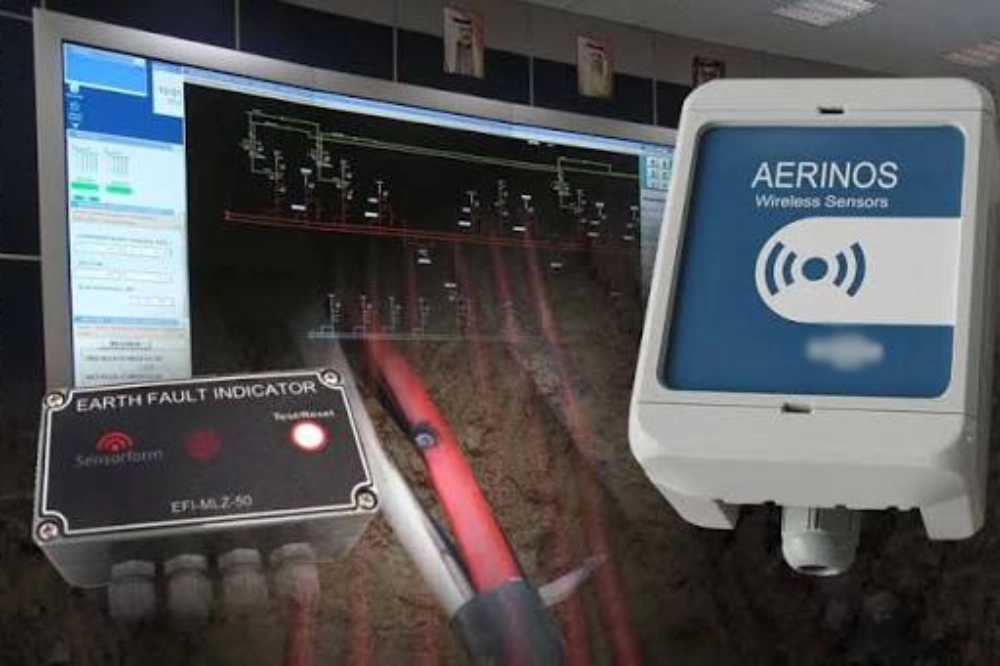
Modern fault indicators continue improving through digital technology and communication functions. Many advanced products include remote monitoring capabilities for centralized system management. Wireless communication can reduce complex wiring requirements in certain applications. Digital processing improves signal analysis and helps reduce unnecessary alarms. Smart grid development increases demand for intelligent monitoring equipment. These improvements allow operators to manage electrical systems more efficiently. Future solutions will focus on faster communication, improved accuracy, and stronger automation integration. Advanced technology provides better support for maintenance teams and helps organizations maintain stable electrical operations.
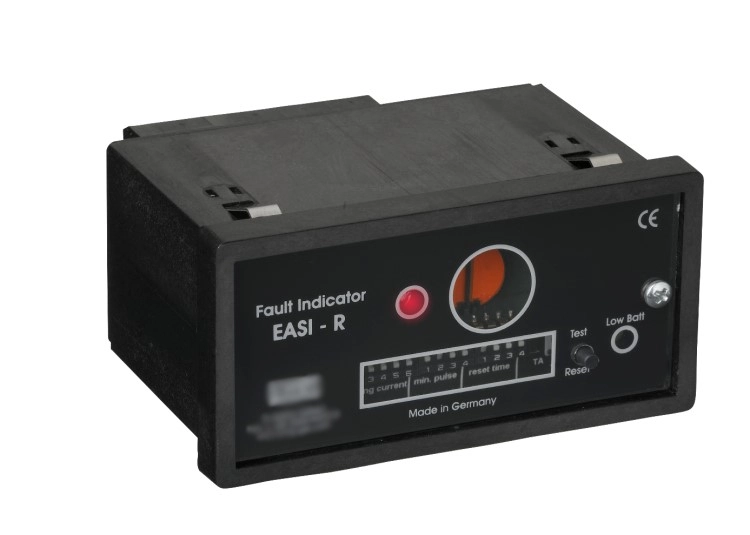
How Does Earth Fault Indicator Yellow Improve Power Safety
Electrical safety depends on early detection and effective maintenance responses. The earth fault indicator yellow status provides visual information that helps operators identify possible abnormal conditions. Clear warnings reduce troubleshooting time and support faster inspection procedures. For distributors, reliable monitoring products create additional value by meeting different customer requirements. Product quality, technical support, and manufacturing consistency remain important purchasing factors. Electrical systems require dependable monitoring because unexpected failures can affect productivity and safety. Selecting suitable indicators helps organizations maintain stable operations while reducing potential risks. Professional suppliers contribute through quality control, customization services, and technical assistance.
Frequently Asked Questions
What Does A Yellow Light Mean On An Earth Fault Indicator?
A yellow light usually shows that the device has detected a condition requiring attention. The exact meaning depends on the manufacturer’s design and monitoring settings. Some products use yellow signals for warning conditions, grounding concerns, or inspection requirements. Operators should check technical documents before making decisions. The signal helps maintenance teams locate possible issues before serious failures appear. Reliable indicators improve troubleshooting efficiency and support safer electrical operations. Buyers should choose products with clear indication systems and accurate technical information for different application environments.
Can A Yellow Earth Fault Indicator Signal A Serious Electrical Problem?
A yellow indication may require inspection, but it does not always represent immediate equipment failure. The severity depends on system conditions, detected parameters, and product settings. Small insulation changes may trigger warnings before major faults occur. Ignoring repeated signals can increase operational risks over time. Maintenance teams should inspect related cables, grounding connections, and electrical equipment when warnings appear. Reliable monitoring devices help identify problems earlier and reduce unexpected shutdown risks. Buyers should select indicators that provide accurate information and support efficient maintenance decisions.
How Should Buyers Check An Earth Fault Indicator With Yellow Status?
When a yellow status appears, buyers and operators should follow a proper inspection process. First, they should confirm the signal meaning through product documentation. Next, they should check cable conditions, grounding connections, and nearby equipment. Professional testing tools may verify whether abnormal current exists. Electrical inspections require qualified technicians because safety procedures are essential. Buyers should also consider supplier support when selecting products. Reliable suppliers can provide technical assistance and application recommendations. Proper inspection methods improve equipment reliability and help maintain stable power distribution performance.