What Does The Green Light Mean On An Earth Fault Indicator?
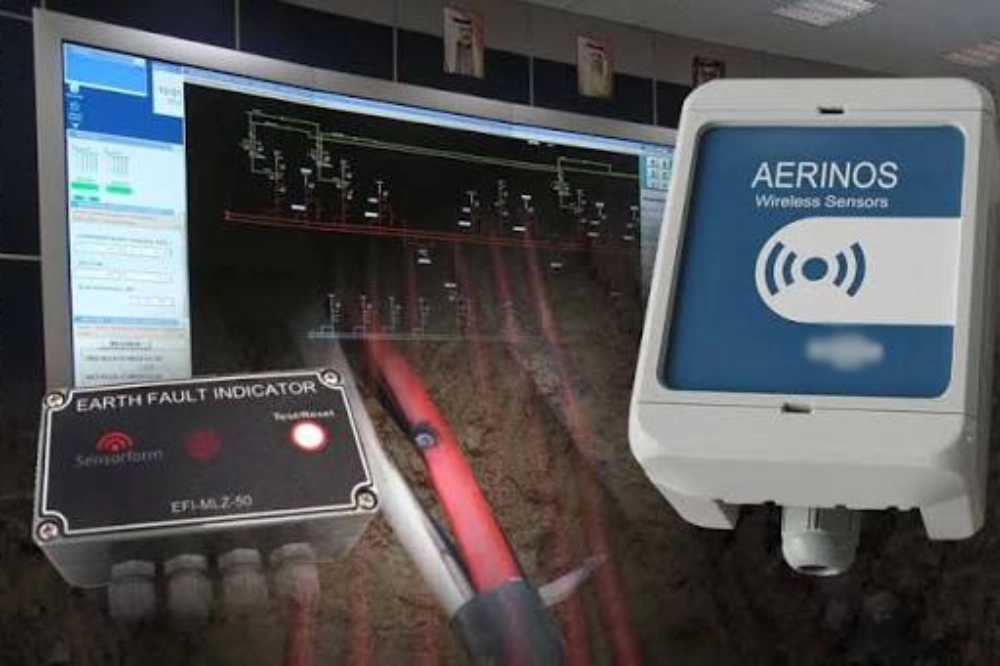
Earth fault indicator green provides clear status monitoring, fault detection, and reliable protection for modern electrical power systems.
What Does Earth Fault Indicator Green Show In Daily Operations
The earth fault indicator green status usually represents a normal electrical condition without detected grounding problems. Power distribution systems rely on visual signals to help operators monitor network safety. A green light allows maintenance teams to confirm that monitoring devices remain active during routine operation. These indicators check leakage conditions by measuring abnormal current flow between conductors and ground paths. Industrial buyers often select these devices because they provide quick status recognition. Reliable visual feedback reduces inspection time and supports safer electrical management. Proper application requires knowledge of indicator functions, installation requirements, and system compatibility. Manufacturers design these products for substations, factories, and commercial electrical networks.
How Does An Earth Fault Indicator Work In Electrical Distribution Networks
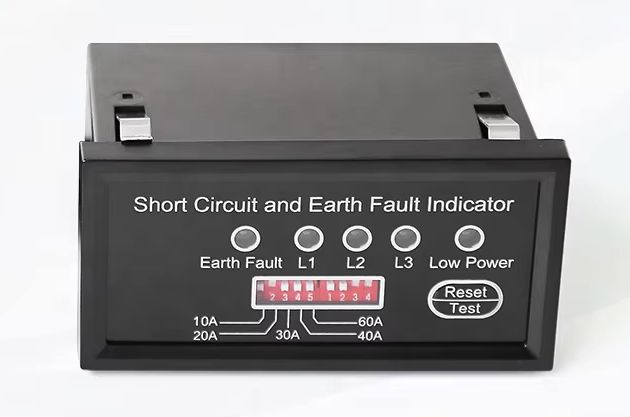
Electrical distribution networks use fault indicators to detect unusual current movement through grounding paths. Sensors inside the device measure current imbalance around power conductors. When leakage exceeds a preset threshold, the detection module processes the signal. The indicator then changes its visual status according to programmed settings. Current transformers, electronic circuits, and display units work together during monitoring operations. Engineers consider sensitivity levels because different systems require different detection ranges. Medium voltage networks often need precise monitoring because faults can create equipment damage. Industrial users select suitable devices by reviewing voltage ratings, sensor types, and environmental conditions. These factors influence long-term performance and operational reliability.
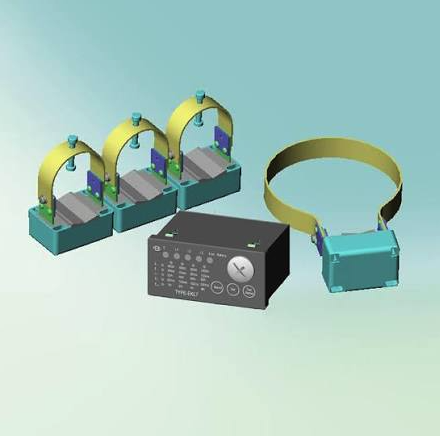
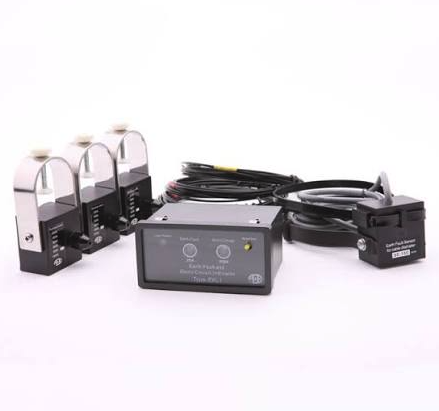
Earth Fault Indicator Green Signals Normal Operating Conditions
The green signal provides a simple method for checking system stability during normal electrical operation. Many manufacturers configure green indicators to show that no earth fault condition exists. Operators can quickly inspect equipment panels without complex measurement tools. However, users should always verify manufacturer specifications because signal meanings may differ between models. Some devices combine green signals with additional warning colors for broader monitoring functions. The indicator does not replace professional testing equipment during maintenance procedures. Instead, it supports daily observation and early condition recognition. Electrical teams can use visual information to organize inspections and reduce unnecessary shutdowns. Clear status displays improve workflow efficiency across many industrial environments.
Key Components That Control Indicator Light Signals
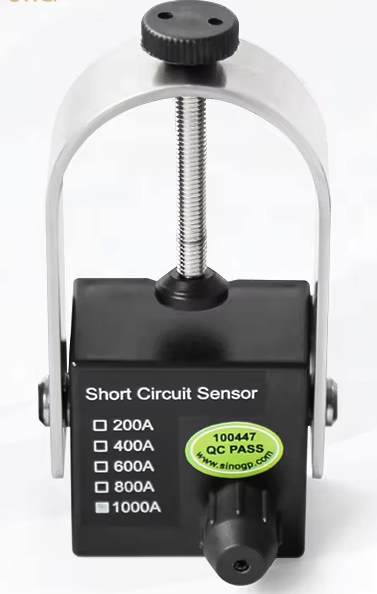
Fault indicator performance depends on several internal components that manage detection and visual output. The current sensor identifies electrical changes around monitored cables. The electronic detection module evaluates measured values and compares them with preset limits. The LED display system provides immediate status communication for operators. A stable power supply unit ensures consistent operation during different electrical conditions.
| Component | Main Function | Importance |
|---|---|---|
| Current Sensor | Measures abnormal current flow | Provides accurate fault detection data |
| Detection Module | Processes electrical signals | Controls indicator responses |
| LED Display | Shows operating status | Allows quick visual inspection |
| Power Unit | Maintains device operation | Supports continuous monitoring |
Technical Factors Affecting Indicator Accuracy And Reliability
Selection decisions should consider technical conditions that influence detection accuracy. Electrical environments may include temperature changes, vibration, moisture, and electromagnetic interference. Quality devices use protective designs to maintain stable measurements. Buyers should review product specifications before purchasing monitoring equipment.
Selecting a reliable earth fault monitoring device requires attention to:
- Aging insulation materials reducing electrical resistance.
- Moisture affecting cable performance and reliability.
- Loose connections creating unstable current paths.
- Environmental stress influencing equipment operation.
- Improper grounding conditions inside electrical systems.
These factors help purchasing teams compare different solutions. Accurate specifications support better system integration. Equipment suppliers with strong engineering experience can provide suitable recommendations. Proper selection improves safety performance and reduces future maintenance difficulties.
Why Earth Fault Indicator Green Status Matters For Safety Management
The earth fault indicator green signal helps maintenance personnel confirm normal system conditions quickly. It supports preventive inspection strategies by providing immediate visual information. Operators can identify possible changes before serious failures occur. A stable indicator status reduces unnecessary troubleshooting activities. Industrial facilities benefit from faster decision-making because electrical teams can review equipment conditions efficiently. The signal also supports scheduled maintenance programs by showing whether monitoring devices operate correctly. Companies that manage large power systems often require reliable indicators for continuous observation. The right equipment improves workplace safety and helps protect expensive electrical assets. Regular inspections remain important because visual indicators work best when combined with professional testing methods.
| Application Area | Monitoring Requirement | Typical Benefit |
|---|---|---|
| Industrial Plants | Continuous electrical supervision | Reduced production interruptions |
| Substations | Reliable fault identification | Improved network protection |
| Commercial Buildings | Simple status checking | Easier maintenance planning |
| Renewable Systems | Stable grounding monitoring | Enhanced equipment protection |
Installation Practices Improve Fault Indicator Performance
Correct installation directly affects measurement accuracy and service life. Technicians must position sensors properly around target conductors. Incorrect placement may create inaccurate readings or delayed responses. Cable arrangement also influences electromagnetic conditions near detection components. Grounding connections require careful inspection because poor installation can reduce monitoring effectiveness. The device enclosure should match environmental requirements, especially in outdoor locations. Some industrial facilities need stronger protection against dust and moisture. Products with suitable protection ratings maintain stable operation under challenging conditions. Installation teams should complete functional tests after mounting equipment. Testing confirms signal responses and verifies communication between sensors and display systems. Proper procedures create dependable monitoring performance throughout the equipment lifecycle.
Industrial Applications Using Advanced Fault Monitoring Equipment
Power companies and industrial facilities use fault indicators in various electrical environments. Substations depend on monitoring equipment to maintain distribution reliability. Manufacturing plants require fast fault recognition because unexpected failures can interrupt production schedules. Renewable energy systems also need grounding protection because complex electrical structures create unique monitoring demands. A specialized product such as Integrated Indicator for Voltage Presence Grounding Fault provides combined status information for voltage presence and grounding conditions. Another solution, Panel mounted Paddle Type Short circuit Fault Indicator, supports panel applications where visible fault signals improve maintenance efficiency. These products demonstrate how different designs meet specific operational needs. Buyers should match equipment features with application requirements before selecting suppliers.
How Earth Fault Indicator Green Supports Safe Power Management
The earth fault indicator green function supports organized electrical management by offering clear visual confirmation. Modern facilities need efficient monitoring because power systems become increasingly complex. Operators use indicator information to prioritize inspections and maintenance tasks. Digital improvements also allow some devices to connect with remote monitoring platforms. Communication functions help teams collect operational data and analyze equipment conditions. Smart monitoring systems combine sensors, software, and warning signals to improve reliability. Industrial buyers often consider scalability because future expansion may require additional monitoring points. Choosing flexible equipment helps companies manage changing electrical requirements. Effective power management depends on accurate detection, suitable installation, and regular maintenance practices.
How To Select A Reliable Fault Indicator Supplier
Supplier evaluation plays an important role in purchasing electrical monitoring equipment. Buyers should review manufacturing capability, quality procedures, and technical support services. Experienced suppliers usually provide detailed product information and testing documentation. Certification records can demonstrate commitment to product reliability and safety standards. Production consistency also matters because electrical devices require precise assembly. Customers should check whether suppliers can support customization requirements. Communication between engineering teams helps solve installation challenges. Product samples and technical documents provide valuable information before large orders. Reliable partners focus on long-term cooperation rather than simple transactions. Careful supplier assessment reduces purchasing risks and improves equipment performance after installation.
Maintenance Methods Keep Monitoring Systems Reliable
Regular maintenance helps fault indicators maintain accurate performance over extended periods. Technicians should inspect sensor connections, display conditions, and enclosure protection. Cleaning procedures prevent dust accumulation from affecting equipment operation. Functional testing confirms whether signals appear correctly during simulated conditions. Maintenance schedules depend on operating environments and manufacturer recommendations. Facilities with heavy electrical loads may require more frequent inspections. Records should include testing dates, observed conditions, and replacement activities. Detailed documentation helps teams identify performance trends. A structured maintenance approach supports equipment reliability and reduces unexpected failures. Proper care also protects investment value by extending the usable life of monitoring devices.
Future Development Trends Of Smart Fault Monitoring Devices
Smart electrical monitoring technology continues developing through digital communication and automation features. New systems combine traditional sensors with intelligent analysis functions. Remote access allows operators to review equipment status from centralized platforms. Data collection supports predictive maintenance strategies and improves decision accuracy. Wireless communication options also create easier installation possibilities. Manufacturers continue improving detection speed, accuracy, and energy efficiency. Future devices may provide more detailed information about electrical conditions. These developments support safer and more efficient power distribution networks. Companies investing in advanced monitoring solutions can improve operational visibility. Technology progress will continue changing how industries manage electrical safety and maintenance activities.
FAQ
What Does A Green Light Indicate On An Earth Fault Indicator?
A green light normally shows that the monitoring device detects no earth fault condition. It indicates that the electrical system operates within expected parameters. Operators use this signal for quick visual confirmation during routine checks. However, color meanings can vary between manufacturers and product models. Users should review technical manuals before making decisions based only on light colors. Proper testing remains necessary for detailed fault analysis. Green signals provide useful information, but they work as part of a complete maintenance strategy. Industrial facilities combine visual indicators with professional inspections to maintain reliable electrical systems.
Can Earth Fault Indicator Green Status Change During Electrical Faults?
The green status can change when the device detects abnormal grounding conditions. Detection circuits continuously monitor electrical values and compare measurements with preset limits. When a fault exceeds the configured threshold, the indicator may display another warning signal. Response speed depends on sensor design, system settings, and electrical conditions. Different manufacturers use various color combinations and alarm methods. Operators should check product documentation for specific responses. Regular testing helps confirm that indicator changes occur correctly. Reliable devices provide clear signals that support faster maintenance actions. Proper installation also ensures accurate communication between detection components and visual displays.
How Should Buyers Choose An Earth Fault Indicator For Industrial Applications?
Buyers should evaluate electrical requirements, installation conditions, and supplier capabilities before purchasing. Important factors include voltage compatibility, detection sensitivity, protection ratings, and maintenance needs. Product quality depends on accurate manufacturing processes and reliable components. Suppliers with technical support can assist with system integration and application questions. Certification documents and testing reports provide additional purchasing confidence. Companies should also consider future expansion because monitoring requirements may increase over time. Selecting suitable equipment improves operational safety and reduces long-term costs. A complete evaluation process helps buyers choose solutions that match industrial power management requirements.