What Factors Affect Fault Passage Indicator Performance and Life?
Fault passage indicator performance relies on sensor accuracy, materials, communication, and design factors for extended service life.
What Factors Influence Device Reliability and Service Life
Fault passage indicator performance plays a critical role in modern electrical distribution networks. These devices help operators identify abnormal current conditions and reduce fault location time. Utilities rely on stable monitoring equipment to improve maintenance efficiency and system safety. Multiple technical elements affect operational results, including sensor quality, enclosure protection, communication stability, and power management. Engineers evaluate these factors before selecting suitable devices for different environments. Outdoor applications require stronger resistance against moisture, dust, and temperature changes. Industrial projects also need reliable signal transmission and accurate detection functions. A complete evaluation process helps buyers achieve better reliability and longer service cycles.
Material Quality Determines Long-Term Equipment Reliability
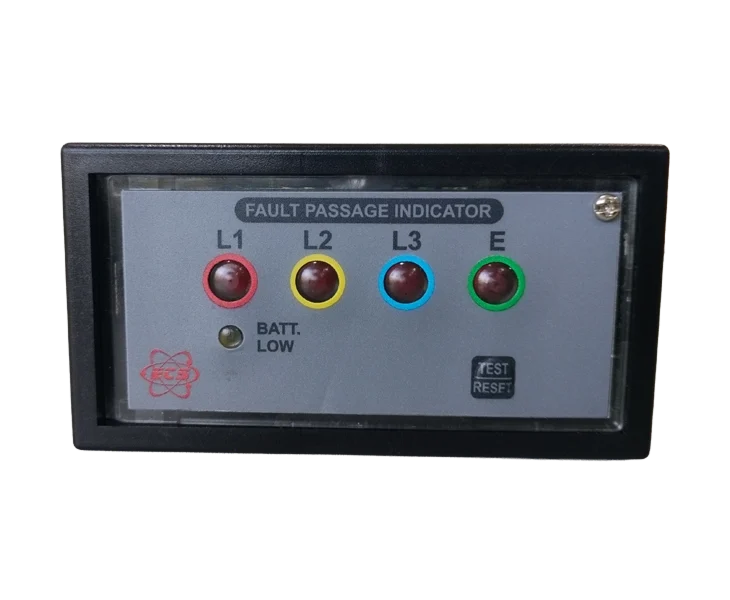
Material selection directly affects the durability of electrical monitoring devices. Manufacturers choose engineering plastics, metal alloys, and sealing materials according to installation conditions. High-performance housing materials protect internal components from rain, dust, ultraviolet exposure, and corrosion. The enclosure structure usually includes sealing rings and protective layers that prevent external damage. Sensor materials also require stable electrical characteristics because aging components may reduce detection accuracy. Production teams test materials under simulated environmental conditions before mass production. These tests evaluate resistance against vibration, temperature variation, and humidity. Strong material selection creates a stable foundation for long-term operation and reduces unexpected maintenance requirements.
How Does Sensor Design Affect Fault Passage Indicator Performance
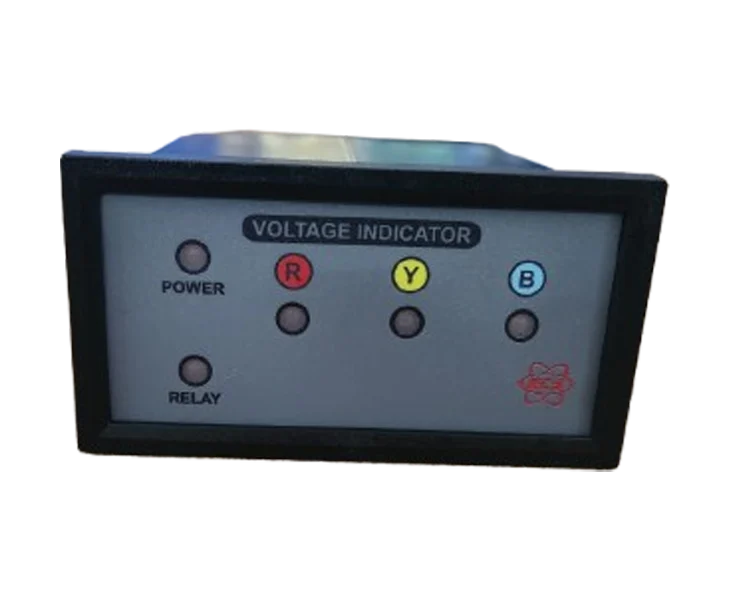
Sensor design determines how quickly equipment recognizes abnormal electrical events. Modern devices often use magnetic sensing components, current detection modules, and electronic processing units. Each component requires accurate calibration to maintain consistent responses. Engineers set detection thresholds based on network conditions and expected fault levels. Excessive sensitivity may create unnecessary alarms, while insufficient sensitivity may delay fault identification. A balanced design improves monitoring reliability and supports faster maintenance decisions. The Integrated Indicator for Voltage Presence Grounding Fault combines voltage presence indication and grounding fault monitoring functions for specific electrical applications. Proper sensor development improves device accuracy and supports stable field operation.
Environmental Conditions Influence Operational Stability
Electrical equipment installed outdoors faces continuous environmental challenges. Temperature changes, humidity, dust, and electromagnetic interference can affect internal components. Protective structures with suitable IP ratings help prevent moisture and particle penetration. Manufacturers also apply temperature compensation methods to maintain stable detection performance during seasonal changes. Coastal environments require stronger corrosion resistance because salt exposure accelerates material degradation. Industrial locations may require enhanced protection against chemical pollution and mechanical stress. Installation planning should consider local conditions before equipment selection. Suitable environmental protection improves reliability and extends service life. These factors directly contribute to better fault passage indicator performance during long-term operation.
Key Factors Buyers Should Evaluate
- Detection range compatibility with electrical networks
- Housing protection level for outdoor conditions
- Communication stability for remote monitoring
- Battery capacity and energy management efficiency
- Maintenance requirements and replacement convenience
These evaluation points help project teams compare different monitoring solutions. Each factor affects daily operation, maintenance planning, and overall investment value. Buyers should review technical specifications together with actual application requirements. A device that performs well in laboratory conditions may require additional protection in complex environments. Professional selection focuses on both current project needs and future expansion possibilities. Careful assessment reduces operational risks and supports safer power distribution management.
Communication Technology Enhances Remote Monitoring Efficiency
Communication capability has become an important factor in modern electrical systems. Remote monitoring requires stable data transmission between field devices and control platforms. Wireless communication, radio systems, and wired networks each provide different advantages. Engineers consider signal distance, interference levels, and network compatibility during system design. Reliable communication allows operators to receive fault information without visiting every installation point. Advanced communication modules improve response speed and reduce manual inspection workload. Data accuracy depends not only on sensing technology but also on transmission quality. Stable communication architecture helps utilities manage large distribution networks more effectively.
Communication and Power Supply Factors Affecting System Performance
| Factor | Technical Consideration | Operational Impact |
|---|---|---|
| Wireless Communication | Signal distance and interference resistance | Improves remote monitoring efficiency |
| Battery System | Low power consumption and capacity design | Extends maintenance intervals |
| Auxiliary Power Supply | Continuous energy availability | Supports stable operation |
| Data Transmission | Reliable communication protocols | Provides accurate fault information |
Power supply design directly affects maintenance frequency and operating continuity. Battery-powered devices require efficient energy management systems to reduce consumption during standby periods. Engineers select battery types according to operating temperature, communication frequency, and expected service duration. Auxiliary power solutions provide continuous energy for permanent installations. Low-power electronic components also reduce internal heat generation and improve component stability. Proper power management supports consistent monitoring functions in remote locations. Buyers should review energy requirements before project deployment because unsuitable power systems may increase maintenance costs. Efficient designs create better reliability and support long-term network management.
Manufacturing Processes Ensure Consistent Product Quality
Manufacturing quality determines whether equipment can maintain stable operation after installation. Professional production facilities use controlled processes for assembly, inspection, and functional testing. Electronic components require accurate placement because small assembly errors may influence signal processing. Quality teams check electrical parameters, mechanical strength, and communication functions before shipment. Production inspections often include temperature testing, insulation verification, and operational simulations. These procedures help identify potential issues before products enter field applications. Reliable manufacturing systems improve consistency between different production batches. Suppliers with strong quality control processes provide better confidence for large-scale electrical projects. Careful manufacturing management supports stable operation and reduces replacement requirements.
Technical Evaluation Standards for Buyers
| Evaluation Category | Important Requirement | Project Benefit |
|---|---|---|
| Detection Capability | Accurate current threshold settings | Faster fault identification |
| Protection Design | Resistance against environmental damage | Longer equipment service life |
| Communication Function | Stable signal transmission | Improved remote management |
| Quality Verification | Complete factory testing procedures | Lower operational risks |
Technical evaluation helps buyers select suitable solutions for different electrical applications. Project teams should compare detection capability, protection structures, and communication functions before purchasing. Product documents, testing records, and certification information provide useful references during supplier assessment. A complete evaluation process reduces the possibility of choosing unsuitable equipment. Large distribution projects require stable products because maintenance interruptions may affect many users. Engineers often consider lifecycle costs instead of focusing only on initial purchase prices. Reliable solutions provide stronger operational value through reduced maintenance demands and improved system availability.
Installation Methods Affect Field Operation Results
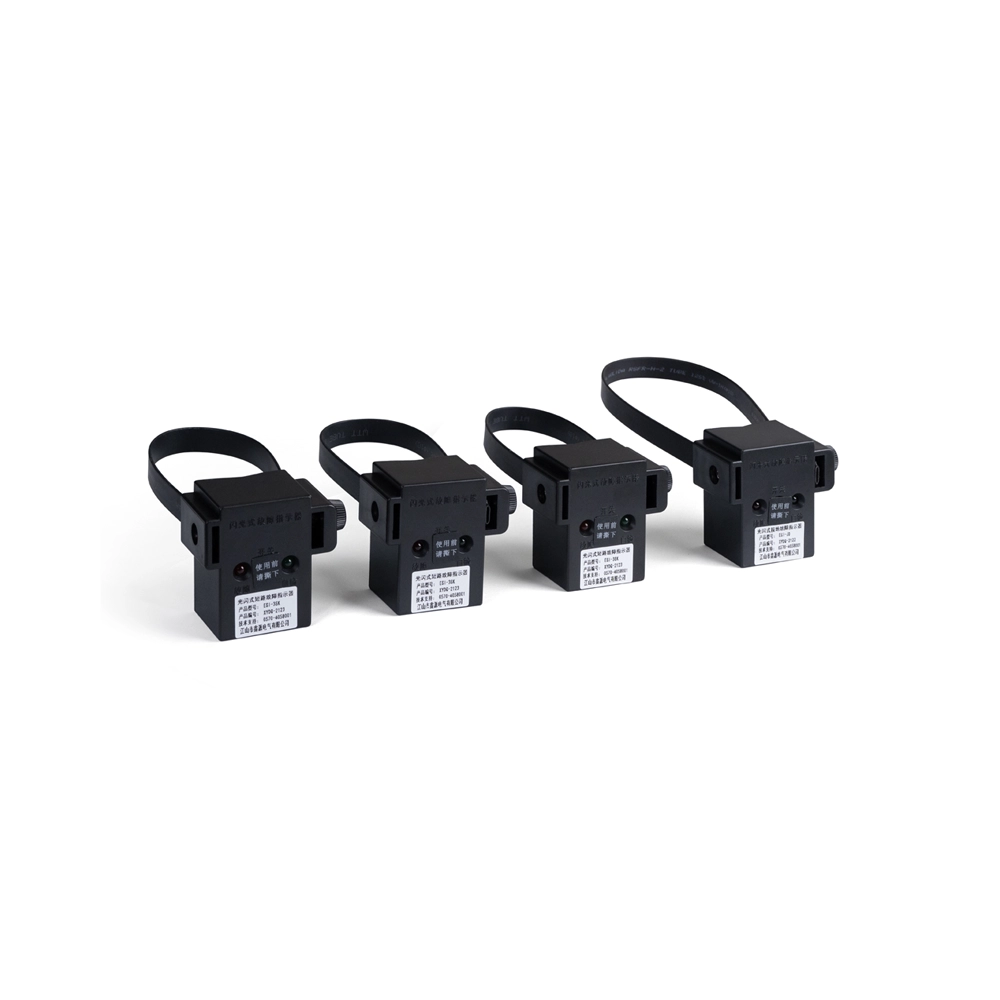
Correct installation practices influence actual equipment performance after deployment. Technicians must select suitable mounting positions according to network structures and operating conditions. Incorrect placement may reduce detection sensitivity or create communication problems. Cable arrangement, grounding methods, and equipment spacing require careful planning. Maintenance accessibility also affects future inspection efficiency because difficult locations increase service complexity. The Cable Type Short Circuit Grounding Flash Fault Indicator provides specialized monitoring functions for cable-related fault conditions. Proper installation combines technical knowledge with field experience. When installation procedures match product specifications, electrical monitoring systems can achieve better stability and longer operating periods.
How Does Product Design Improve Fault Passage Indicator Performance
Product design combines mechanical structures, electronic systems, and communication technologies. Engineers optimize internal layouts to improve signal processing and reduce interference risks. Modern solutions often include intelligent monitoring functions that provide faster information delivery. Design teams evaluate application environments before developing product structures. They consider temperature resistance, power efficiency, and communication requirements during development stages. A balanced design improves accuracy while maintaining operational durability. Advanced testing methods verify whether products meet expected working conditions. Continuous improvement in hardware and software technologies helps create more reliable monitoring solutions. Strong design practices contribute to improved fault passage indicator performance across different electrical networks.
Selecting Reliable Solutions for Long-Term Electrical Applications
Choosing suitable monitoring equipment requires a detailed evaluation of technical features, supplier capabilities, and project requirements. Buyers should review detection accuracy, environmental protection, communication options, and maintenance needs before making decisions. Reliable suppliers provide testing information and technical support throughout the purchasing process. Lifecycle cost analysis also helps compare different solutions because initial prices do not represent total ownership expenses. Equipment with stable operation can reduce service interruptions and improve maintenance efficiency. Large electrical projects need products that maintain consistent performance under changing conditions. Careful selection supports safer distribution networks and creates better long-term investment value for operators.
Future Development Trends in Electrical Monitoring Technology
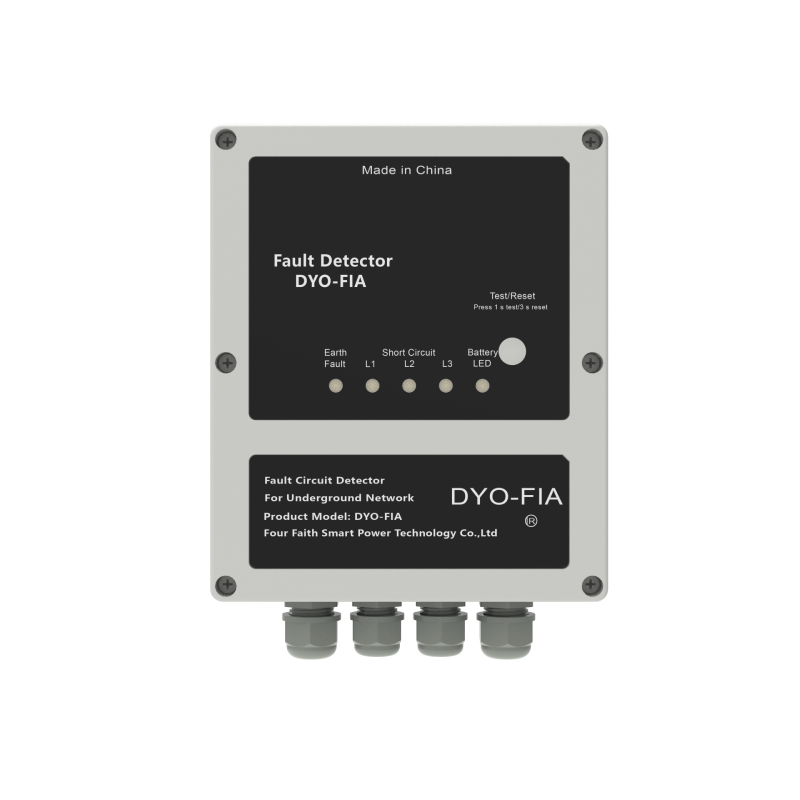
Electrical monitoring technology continues to improve through intelligent functions and advanced communication systems. Manufacturers are developing devices with stronger data processing abilities and improved remote management features. Digital platforms allow operators to collect operational information and optimize maintenance schedules. New sensor technologies provide better accuracy while reducing energy consumption. Enhanced materials also improve resistance against harsh environments. These developments support more efficient power distribution management and increase equipment reliability. As electrical networks become more complex, monitoring devices require stronger integration capabilities. Future solutions will focus on automation, connectivity, and sustainable operation to meet changing industry demands.