What Is A Wall Bushing And How Does It Work?
Wall bushing insulation in high voltage networks ensures safe conductor passage through structural barriers and stable power transmission.
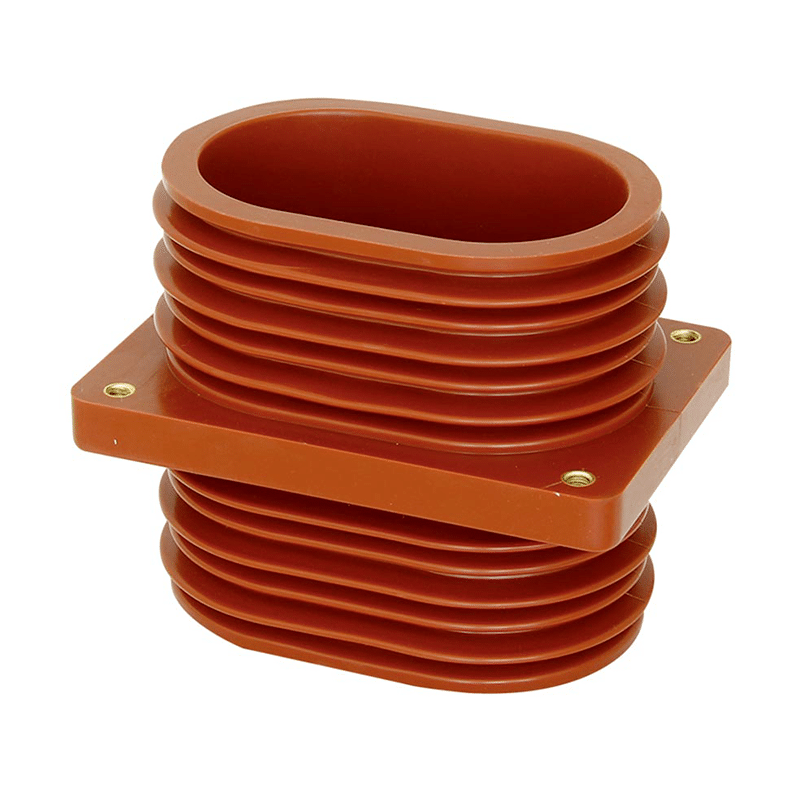
High voltage substations require reliable insulation when conductors pass through grounded structures. Wall bushing serves as a controlled interface between energized conductors and structural barriers. Its design prevents electrical discharge while maintaining stable current flow. Engineers integrate layered insulation to manage electric field stress effectively. Ceramic and composite housings provide both mechanical support and dielectric protection. System designers focus on minimizing leakage currents under high load conditions. Electrical safety depends on stable separation between live and grounded components. Industrial installations rely on this component for long term operational stability. Without proper insulation design, flashover risks increase significantly in confined environments. Careful engineering ensures safe energy transfer across physical boundaries.
Wall bushing role in high voltage transmission systems
Power transmission infrastructure depends on stable insulation across structural interfaces. Wall bushing enables safe conductor routing through walls in substations. High voltage systems require precise control of voltage gradients.
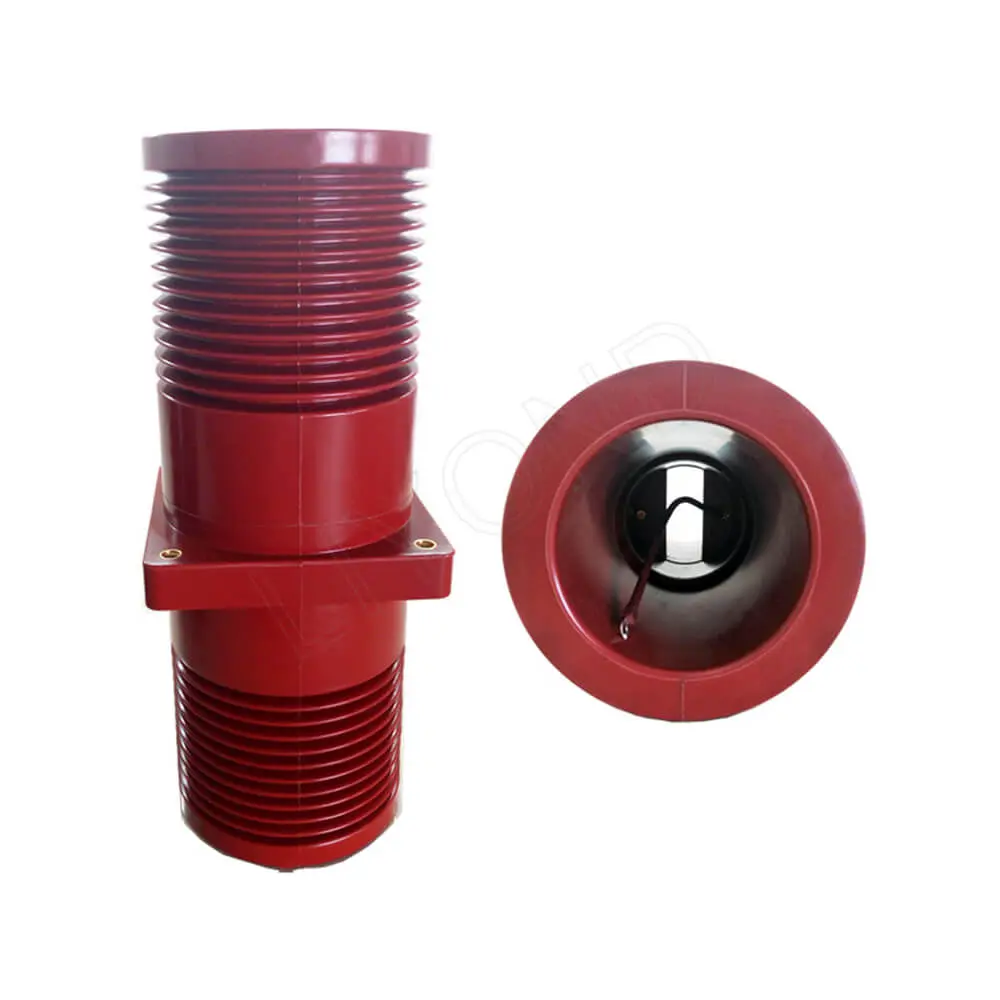
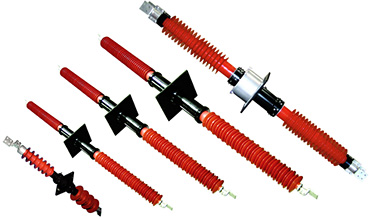
Engineers design layouts to avoid electrical stress concentration points. Insulation coordination standards define acceptable operating limits. Equipment reliability depends on stable dielectric performance under load variation. Mechanical strength also supports long service life in demanding environments. Proper grounding systems reduce risk of accidental discharge. Field engineers evaluate installation geometry before deployment. Energy flow remains stable when insulation systems perform correctly. Operational safety improves when electrical separation is consistently maintained.
Electrical field distribution behavior in insulation systems
Electric field control is essential for preventing breakdown events in high voltage equipment. Wall bushing uses graded insulation layers to distribute voltage evenly. Capacitive design techniques reduce stress near conductor surfaces. Without proper grading, localized discharge may occur under peak voltage. Simulation tools help predict field intensity during system design. Engineers optimize geometry to ensure uniform potential distribution. Surface smoothness reduces corona discharge risks significantly. Insulation layering improves long term stability under continuous load. Grounded structures require careful separation from energized conductors. Testing validates performance under transient voltage conditions. Proper design ensures reliable operation in industrial environments.
Current transfer mechanism and conductive core structure
Electrical current flows through a central conductor embedded in insulation layers. Wall bushing maintains isolation between conductive path and external structures. Copper and aluminum materials are commonly used for efficiency. Low resistance design reduces energy loss during transmission. Mechanical supports stabilize conductor position during operation. Terminal connections ensure secure integration with external bus systems. Thermal expansion is managed through engineered structural flexibility. Heat generation is controlled by optimized conductor geometry. Engineers calculate current capacity based on load demand. Stable conduction depends on precise manufacturing quality. Reliable performance ensures uninterrupted power delivery across systems.
Thermal and mechanical stress management in operation
High voltage environments generate continuous thermal cycling effects. Wall bushing must withstand expansion and contraction during load variation. Material selection plays a critical role in durability. Mechanical reinforcement prevents deformation under structural pressure. Vibration from surrounding equipment influences long term stability. Engineers model stress distribution during design validation stages. Cooling behavior affects insulation aging rate significantly. Heat dissipation pathways improve operational safety. Structural housing maintains rigidity under extreme conditions. Monitoring systems detect early signs of thermal imbalance. Proper design reduces risk of premature material degradation.
Insulation system types and structural configurations
Different insulation technologies are applied based on voltage requirements. Wall bushing designs include oil impregnated and resin based systems. Oil impregnated systems offer high dielectric strength under extreme stress. Resin systems provide strong environmental resistance and reduced maintenance. Composite structures combine flexibility with mechanical durability. Engineers select configurations based on installation conditions. Moisture resistance is critical in outdoor environments. Internal layering ensures uniform voltage grading. Manufacturing precision directly impacts system reliability. Material selection influences long term operational safety. Proper configuration improves overall electrical performance.
Insulation system comparison table
| Insulation Type | Main Material | Application Environment |
|---|---|---|
| Oil impregnated paper | Cellulose and mineral oil | High voltage substations |
| Epoxy resin system | Thermoset resin | Indoor electrical rooms |
| Composite insulation | Silicone rubber layers | Outdoor transmission systems |
Different insulation structures provide unique performance advantages. Oil based systems deliver strong dielectric strength. Resin systems improve resistance to humidity and contamination. Composite designs enhance mechanical flexibility and durability. Selection depends on environmental and voltage conditions. Engineers evaluate safety and cost efficiency carefully. Testing ensures compliance with international standards before deployment.
Material properties and dielectric performance analysis
Porcelain, epoxy resin, and composite polymers are widely used materials. Wall bushing performance depends heavily on dielectric strength. Porcelain offers excellent compressive strength and thermal resistance. Epoxy resin provides superior moisture protection in harsh environments. Composite materials reduce weight while maintaining insulation capability. Engineers test materials under extreme electrical stress conditions. Aging resistance determines long term operational stability. Surface treatments improve tracking resistance in polluted environments. Thermal stability ensures consistent performance under load cycles. Manufacturing quality directly influences insulation reliability. Material selection is critical for system safety.
Material dielectric comparison table
| Material | Dielectric Strength | Key Advantage |
|---|---|---|
| Porcelain | High | Mechanical strength |
| Epoxy resin | Very high | Moisture resistance |
| Composite polymer | High | Lightweight structure |
Material selection influences both performance and maintenance cycles. Engineers balance dielectric strength with environmental resistance. Each material undergoes strict testing procedures before application. Proper selection improves system reliability and operational lifespan.
Installation process and system integration requirements
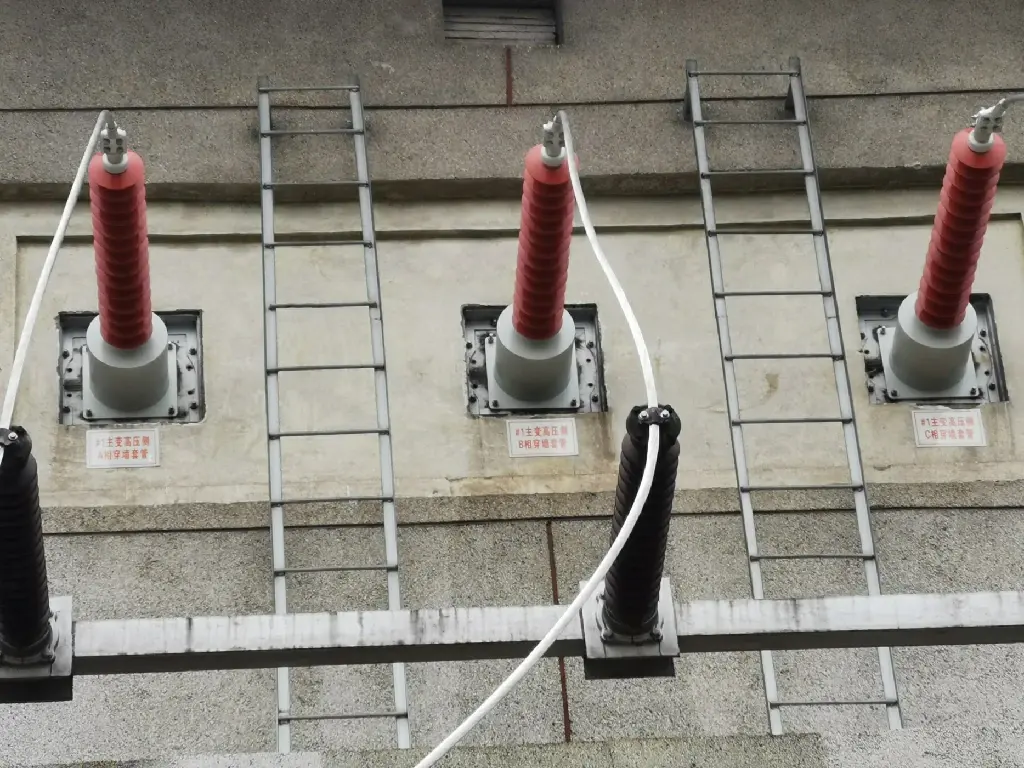
Substation installation requires precise alignment and sealing techniques. Wall bushing must fit securely within structural openings. Engineers ensure correct positioning to avoid field distortion. Mechanical supports distribute load evenly across mounting points.Electrical connections require stable contact resistance levels. Alignment errors can increase insulation stress significantly. Installation teams follow strict engineering drawings and procedures. Grounding systems protect surrounding infrastructure from fault currents. Environmental sealing prevents moisture ingress into insulation layers. Post installation testing verifies operational stability. Proper integration ensures compatibility with connected equipment.
Safety design and operational protection measures
Safety considerations focus on preventing insulation failure events. Clearance distances reduce risk of arcing between conductors. Environmental pollution affects surface tracking behavior. Humidity levels influence dielectric performance stability. Protective coatings enhance outdoor durability. Monitoring systems detect early degradation signals. Regular inspections improve long term reliability. Mechanical protection reduces accidental damage risks. Thermal control prevents overheating during operation. Compliance with safety standards ensures system integrity. Proper safety design reduces operational hazards significantly.
Testing standards and compliance validation systems
International standards define strict performance requirements for insulation equipment. Wall bushing must comply with IEC 60137 for high-voltage alternating current bushings, IEEE C57.19.01 for general bushings performance, and IEC 60060 for high-voltage test techniques. These norms define insulation coordination, dielectric strength, and safety margins. High voltage impulse tests simulate lightning conditions. Partial discharge tests identify internal insulation defects. Thermal cycling tests evaluate environmental stability. Mechanical load tests confirm structural integrity. Factory acceptance testing ensures production quality. Field testing verifies installation performance. Documentation supports traceability and compliance records. Certification confirms suitability for industrial deployment. Testing ensures long term operational reliability in power systems.
Routine testing and maintenance procedures
Regular maintenance ensures stable long term operation. Surface inspection identifies contamination and cracks. Electrical resistance testing evaluates insulation condition. Thermal imaging detects abnormal heating patterns. Cleaning prevents surface tracking issues. Connection tightness is checked periodically. Partial discharge monitoring identifies early faults. Predictive maintenance improves system reliability. Environmental conditions influence inspection frequency. Engineers record performance data for analysis. Proper maintenance extends service life significantly. Continuous monitoring ensures safe energy transmission.
FAQ
What is the main function of a Wall bushing in power systems?
The main function is to provide insulated passage for conductors through grounded barriers in high voltage environments. It ensures safe electrical transfer while preventing discharge or flashover risks. Engineers design insulation layers to control electric field distribution effectively. Stable dielectric separation is essential for system safety. Mechanical structure also supports conductor alignment under load conditions. Without this component, safe routing through structural walls would not be possible. Reliable insulation performance is critical for substations and industrial installations requiring continuous power delivery.
How does insulation failure affect performance in high voltage systems?
Insulation failure leads to severe electrical hazards and system instability. Partial discharge often appears before full breakdown occurs. Electrical arcing may damage surrounding equipment and structures. Moisture ingress reduces dielectric strength significantly over time. Thermal stress accelerates material degradation under load cycles. Contamination on surfaces increases leakage current risk. Early detection through monitoring systems helps prevent catastrophic failure. Replacement becomes necessary when insulation integrity is compromised. System downtime and repair costs increase significantly after failure events.
What maintenance is required for insulation components?
Maintenance includes regular inspection, cleaning, and diagnostic testing. Surface contamination must be removed to prevent tracking effects. Electrical resistance tests verify insulation condition over time. Thermal imaging identifies abnormal temperature zones in operation. Mechanical connections are checked for stability and tightness. Partial discharge monitoring helps detect internal defects early. Environmental protection coatings may require periodic renewal. Maintenance schedules depend on voltage level and operating conditions. Proper maintenance improves system reliability and extends operational lifespan. Engineers document all findings for future performance optimization.