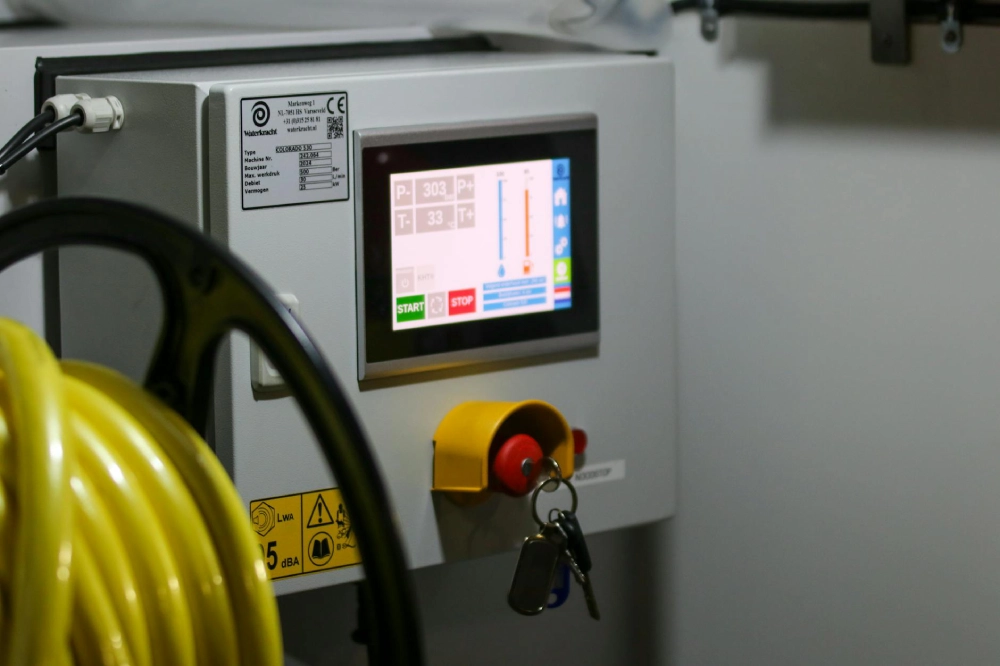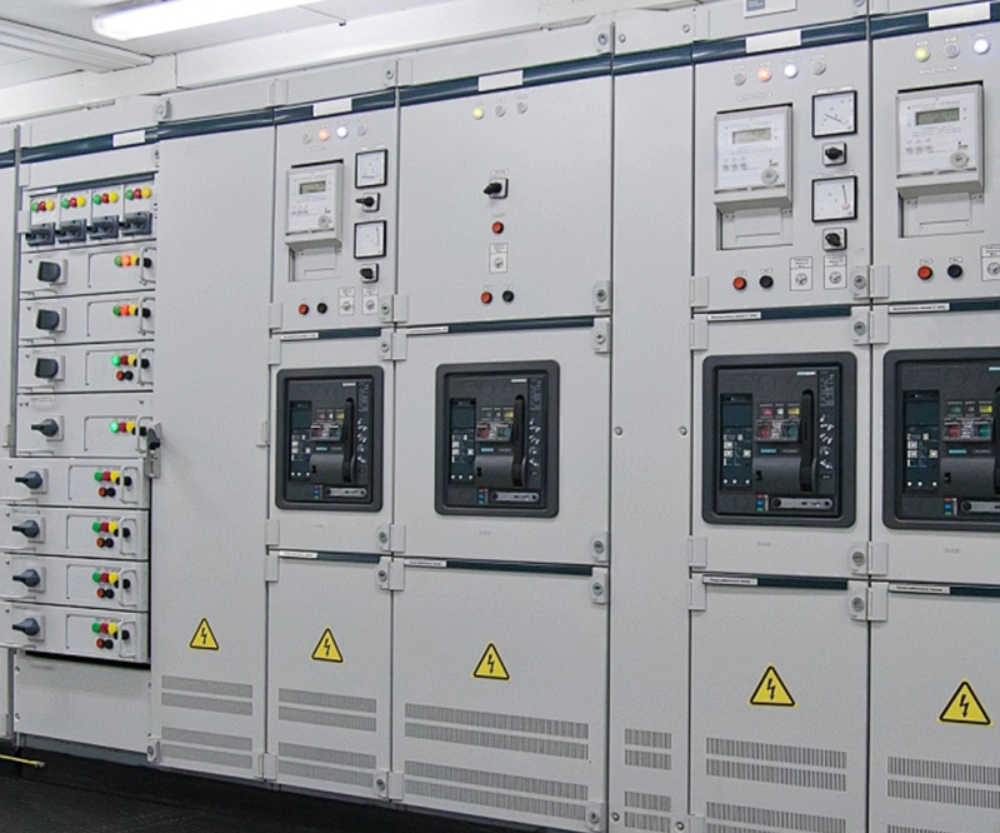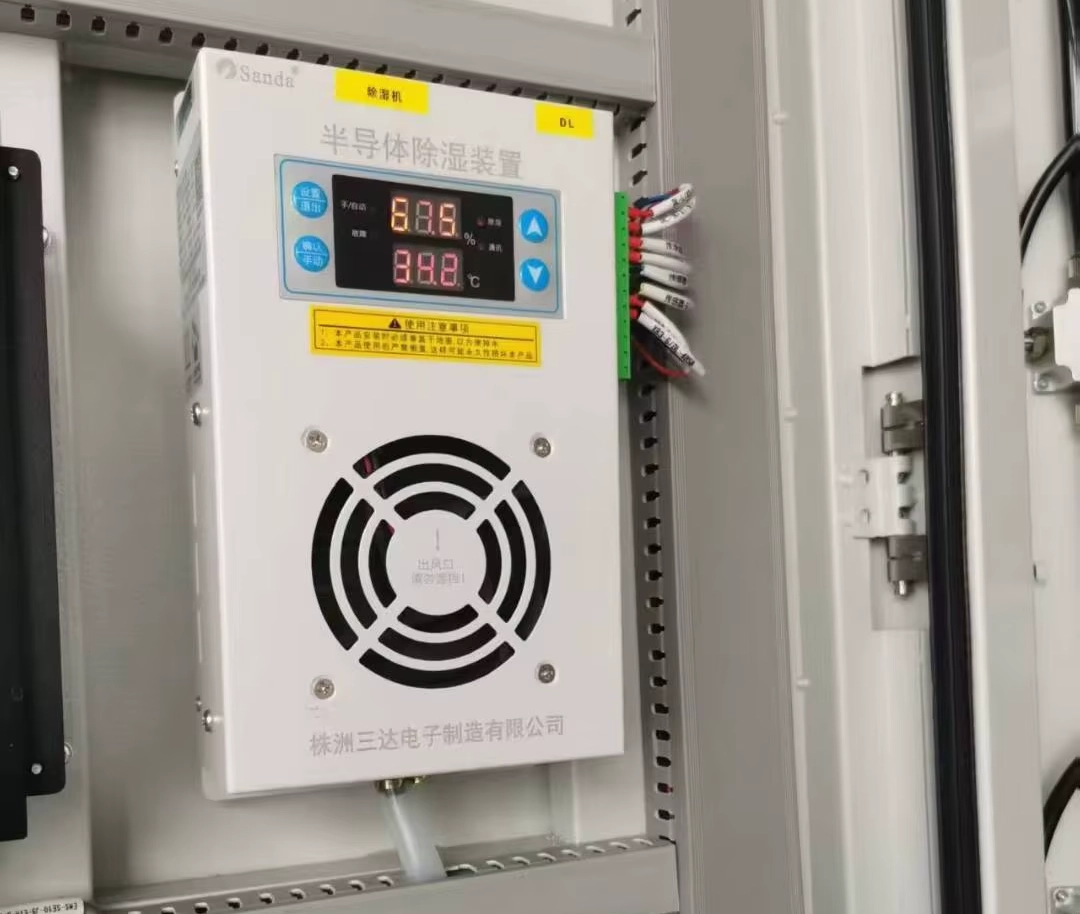
What Makes A Dehumidifier For Electrical Panel Effective?
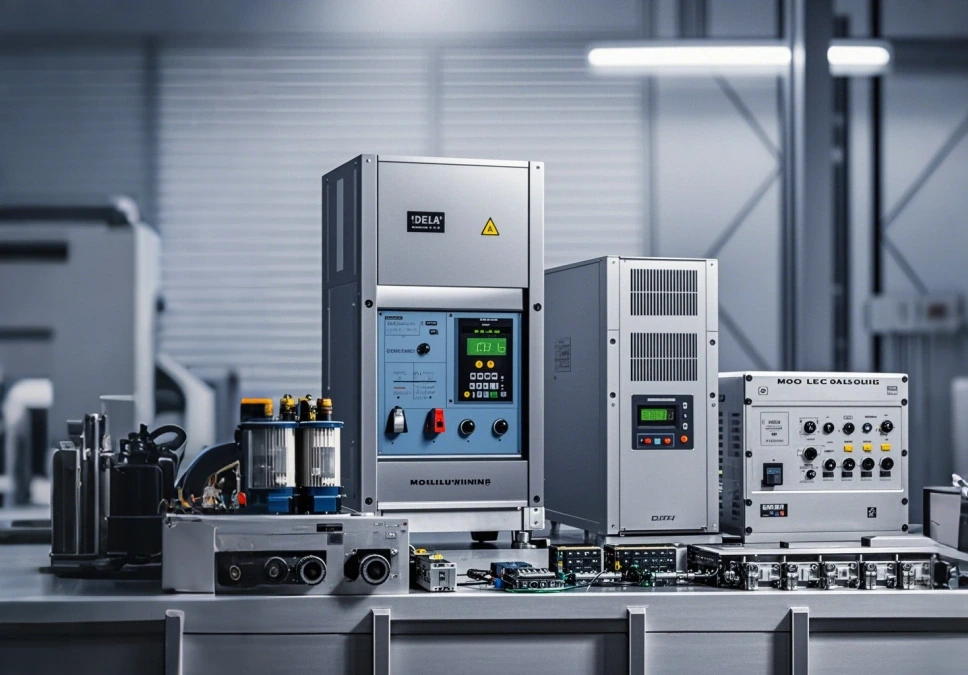
A dehumidifier for electrical panel controls moisture, limits condensation, and protects wiring, terminals, insulation, and key components.
Why Moisture Control Matters Inside Electrical Panels
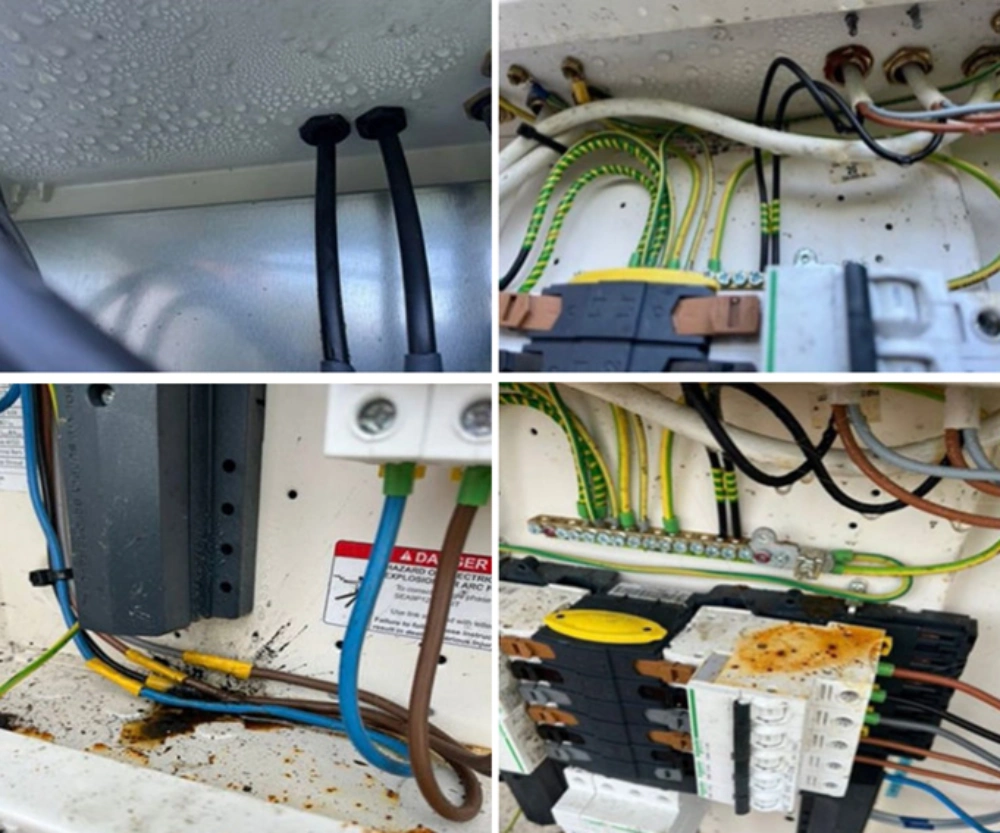
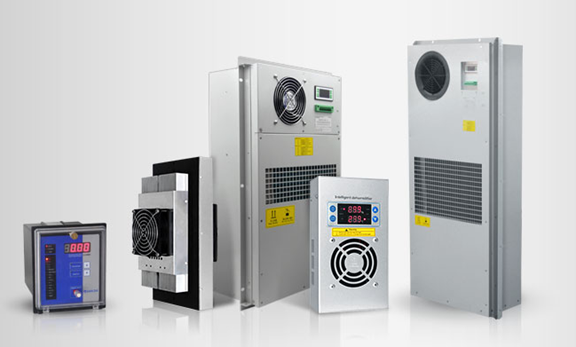
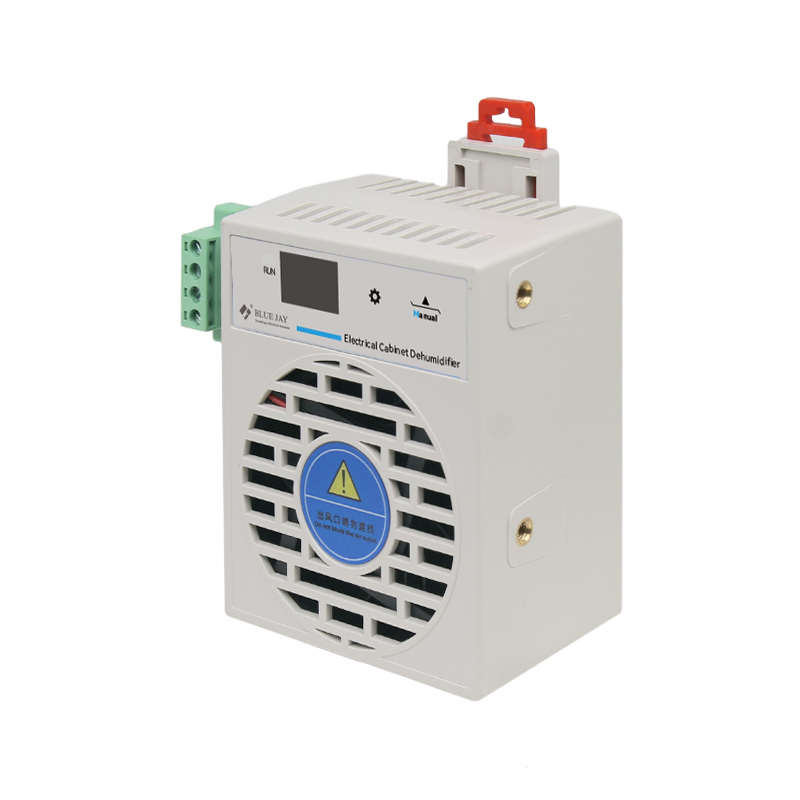
Moisture creates significant risks inside electrical panels when temperature and humidity fluctuate. The dehumidifier for electrical panel plays an important role in controlling excessive water vapor. Humid air can enter through cable glands, door gaps, and ventilation openings. Temperature drops may then push internal surfaces below the surrounding air's dew point. Condensation can form on terminals, busbars, circuit boards, and metal hardware. Persistent moisture can accelerate corrosion on conductive surfaces and mechanical connections. Insulation materials may also experience declining electrical resistance under prolonged exposure. Outdoor cabinets face additional risks from rain, fog, and rapid weather changes. Indoor equipment can encounter similar problems near cooling systems or humid production areas. Effective moisture control therefore requires coordinated enclosure sealing, airflow, temperature management, and humidity removal.
How Does A Dehumidifier For Electrical Panel Control Condensation?
Condensation occurs when a surface temperature falls below the air's dew point. The dehumidifier for electrical panel reduces available water vapor inside the enclosure. Lower vapor concentration creates a wider margin between actual humidity and condensation conditions. Relative humidity describes the amount of water vapor compared with the air's maximum capacity. However, relative humidity changes as temperature changes, even without additional moisture entering the cabinet. Dew point therefore provides valuable information when assessing condensation risks. A humidity sensor can monitor internal conditions and trigger automatic operation. Temperature sensing can further improve control because surface temperature affects condensation formation. Proper control logic prevents unnecessary operation during stable conditions. This approach supports energy efficiency while maintaining a more consistent cabinet environment.
Which Dehumidification Technology Fits Electrical Enclosures?
Electrical enclosures can use several moisture control technologies depending on operating conditions. Heating elements increase internal temperature and can keep cabinet surfaces above the dew point. However, heating does not physically remove water vapor from the enclosure. Semiconductor dehumidification uses thermoelectric cooling to condense moisture from circulating air. This design can provide compact dimensions and relatively simple mechanical construction. Refrigeration-based systems can provide stronger moisture removal under suitable temperature conditions. They usually require additional space for heat management and condensate handling. Selection should consider ambient temperature, cabinet volume, humidity exposure, and available mounting space. Low-temperature environments may require technology designed for reliable operation under cold conditions. High-humidity applications may need greater moisture removal capacity. Matching technology to actual operating conditions produces more reliable long-term performance.
What Technical Specifications Determine Moisture Removal Performance?
Technical specifications provide the foundation for comparing cabinet dehumidification equipment. Rated moisture removal capacity indicates how much water the system can extract under defined conditions. Operating temperature determines whether the unit can perform reliably across seasonal changes. Power consumption affects operating costs and internal heat generation. Excessive heat may influence temperature-sensitive electronic components inside compact cabinets. Control accuracy also affects cycling frequency and overall energy efficiency. Drainage design becomes important when the system produces liquid condensate during operation. Some compact units use evaporation methods, while others require external drainage. Installation dimensions should leave sufficient space around air inlets and outlets. Electrical input must also match the cabinet's available power supply. Protection characteristics should suit the dust, humidity, and environmental exposure at the installation site.
| Specification | Function | Selection Focus |
|---|---|---|
| Moisture Removal Capacity | Controls internal water vapor | Match expected moisture load |
| Operating Temperature | Supports reliable operation | Compare with site conditions |
| Power Consumption | Influences energy usage | Balance capacity and efficiency |
| Humidity Control | Regulates automatic operation | Check sensor accuracy |
| Mounting Dimensions | Determine cabinet compatibility | Measure available space |
How Airflow Affects Moisture Distribution Inside Cabinets
Air circulation strongly influences moisture distribution inside enclosed electrical equipment. Stagnant air can create localized humidity around wiring ducts, terminals, and cooler metal surfaces. A built-in fan can move humid air toward the moisture removal area. Proper circulation also reduces differences between warmer and cooler cabinet zones. Internal components can obstruct airflow when technicians install equipment without considering ventilation paths. Large transformers, cable bundles, and dense terminal assemblies may create significant airflow resistance. Installation should therefore maintain suitable clearance around the unit's intake and outlet. Airflow direction should also match the cabinet's internal layout. Excessive airflow is not always beneficial because it may increase power consumption without improving moisture control. Balanced circulation allows moisture removal equipment to treat more of the cabinet's internal air volume consistently.
How Should A Dehumidifier For Electrical Panel Be Sized?
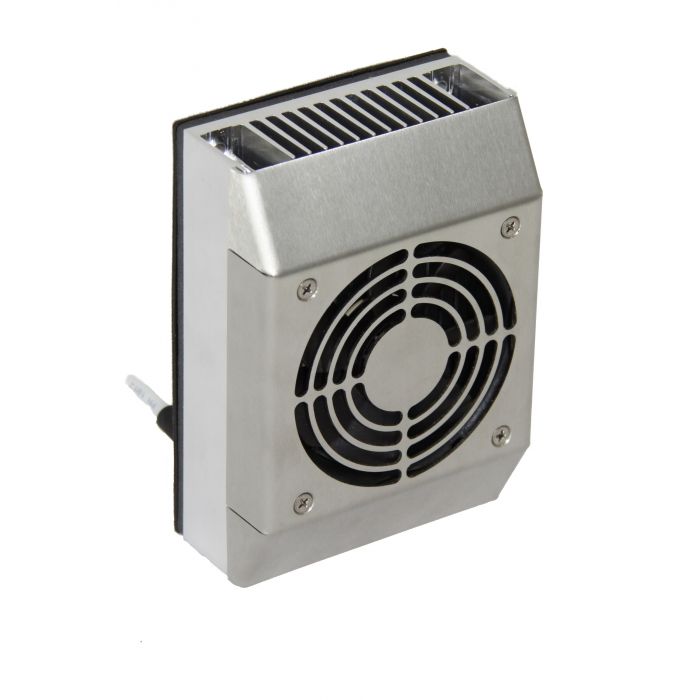
Cabinet volume provides only one factor when selecting dehumidification capacity. The dehumidifier for electrical panel should match the expected moisture load and environmental exposure. Ambient humidity affects how much moisture enters during cabinet opening or air exchange. Frequent maintenance access can introduce humid air repeatedly throughout daily operation. Temperature changes can also increase condensation risk without increasing total cabinet volume. Outdoor cabinets may require greater capacity because weather conditions change continuously. Internal heat sources can create temperature gradients across the enclosure. Cabinet sealing determines how quickly humid external air replaces conditioned internal air. Equipment selection should therefore consider volume, humidity, temperature variation, sealing quality, and opening frequency. Oversized equipment may increase energy use and cycling frequency. Undersized equipment may struggle to maintain stable conditions during high-moisture periods.
| Operating Condition | Moisture Risk | Key Selection Consideration |
|---|---|---|
| Outdoor Installation | High | Temperature tolerance and capacity |
| Humid Industrial Area | High | Moisture removal performance |
| Large Temperature Swings | High | Humidity and temperature sensing |
| Sealed Indoor Cabinet | Moderate | Efficient automatic control |
| Frequent Cabinet Access | Variable | Fast humidity recovery |
- Moisture removal capacity
- Rated operating temperature
- Power consumption
- Humidity control accuracy
- Sensor compatibility
- Airflow direction
- Mounting dimensions
- Electrical input requirements
- Condensate management
- Maintenance accessibility
What Maintenance Keeps Moisture Control Effective?
Regular maintenance helps preserve stable humidity conditions inside electrical cabinets. Technicians should inspect electrical connections for looseness, oxidation, and visible deterioration. Sensor surfaces should remain clean because contamination can affect measurement accuracy. Airflow openings should remain free from dust, wiring, and other obstructions. Condensate systems require inspection when equipment produces collected water during operation. Mounting hardware should remain secure during long operating cycles. Operators can record humidity and temperature readings to identify changing environmental patterns. Unexpected increases may indicate damaged seals or altered operating conditions. Maintenance intervals should reflect cabinet location, operating hours, and exposure levels. High-humidity industrial environments generally require more frequent inspection. A documented maintenance routine helps identify moisture problems before they affect electrical components.
How Can Buyers Evaluate Real-World Dehumidification Performance?
Real-world performance depends on environmental conditions and installation quality. Laboratory ratings provide useful reference points but cannot represent every cabinet application. Buyers should examine the temperature and humidity conditions used during performance testing. Rated capacity without test conditions can make product comparisons misleading. Control behavior also deserves attention because stable operation can matter more than peak capacity. The dehumidifier for electrical panel should maintain suitable internal conditions without excessive cycling. Documentation should clearly state voltage, power consumption, operating temperature, control method, and installation requirements. Manufacturers should also provide dimensional drawings and connection information. These details help technicians plan installation before equipment arrives.
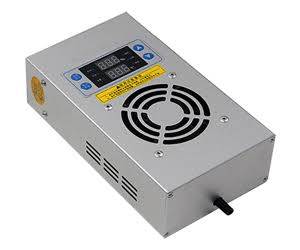
Practical evaluation should combine technical specifications with cabinet construction and operating conditions. A reliable selection process reduces compatibility problems and supports predictable moisture management.
How Proper Moisture Control Reduces Maintenance Risks
Moisture-related failures can create costs beyond the replacement of individual electrical components. Corroded terminals may increase resistance and generate additional heat during operation. Damaged insulation can reduce electrical safety margins and accelerate equipment deterioration. Condensation may also affect relays, sensors, circuit boards, and other sensitive devices. Active humidity management reduces the conditions that support these problems. Proper sealing limits external moisture entry while controlled airflow distributes conditioned air. Temperature monitoring adds another layer of protection against rapid condensation events. Maintenance teams should review humidity readings alongside routine electrical inspections. This combined approach can reveal gradual environmental changes before visible damage becomes extensive. Consistent moisture conditions support more predictable equipment operation. They can also help reduce unexpected maintenance requirements across long operating periods.
FAQ
Can a dehumidifier prevent condensation inside an electrical panel?
A dehumidifier can substantially reduce condensation risk, but it cannot remove every environmental cause. Condensation depends on humidity, temperature, surface temperature, and dew point. Moisture may still appear when a cabinet surface becomes colder than surrounding air. Effective moisture removal lowers water vapor concentration and creates a greater safety margin. Proper enclosure sealing further reduces humid air entering through doors and cable openings. Temperature management can provide additional protection during severe temperature changes. Continuous monitoring allows automatic controls to respond when humidity increases. The best results come from combining moisture removal with sealing and suitable airflow. Equipment selection should also reflect actual ambient temperature and humidity conditions.
What humidity level is suitable for an electrical panel?
A suitable humidity range depends on cabinet temperature, component ratings, and environmental conditions. Relative humidity alone does not fully indicate condensation risk. Dew point provides a more useful reference when cabinet temperatures fluctuate significantly. Moderate and stable humidity generally creates better conditions for electrical equipment. However, sensitive electronic components may have specific environmental requirements from their manufacturers. Operators should compare measured cabinet conditions with those published equipment ratings. Sudden temperature drops deserve special attention because they can rapidly increase condensation risk. Monitoring temperature alongside relative humidity provides more useful information. Stable conditions are preferable to repeated humidity swings. Proper sealing, airflow, and moisture control can help maintain those conditions over changing operating cycles.
Where should an electrical panel dehumidifier be installed?
Installation location depends on cabinet size, internal layout, airflow, and component arrangement. The unit should have sufficient clearance around its air inlet and outlet. Dense wiring should not block circulation around the moisture control equipment. Major heat sources should also remain separate from sensitive humidity sensors. Technicians should select a position that promotes airflow throughout the cabinet. Service access should remain available for cleaning, inspection, and electrical checks. Drainage requirements need attention when the equipment produces condensate. Mounting hardware should provide secure support during continuous operation. Manufacturer installation specifications should determine final positioning and electrical connections. Proper placement allows moisture control equipment to influence the wider cabinet environment. Good installation practice therefore supports both performance and long-term serviceability.