What Makes A Humidity Controller Supplier Trustworthy?
Choose a humidity controller supplier with quality control, customization support, and reliable solutions for industrial applications.
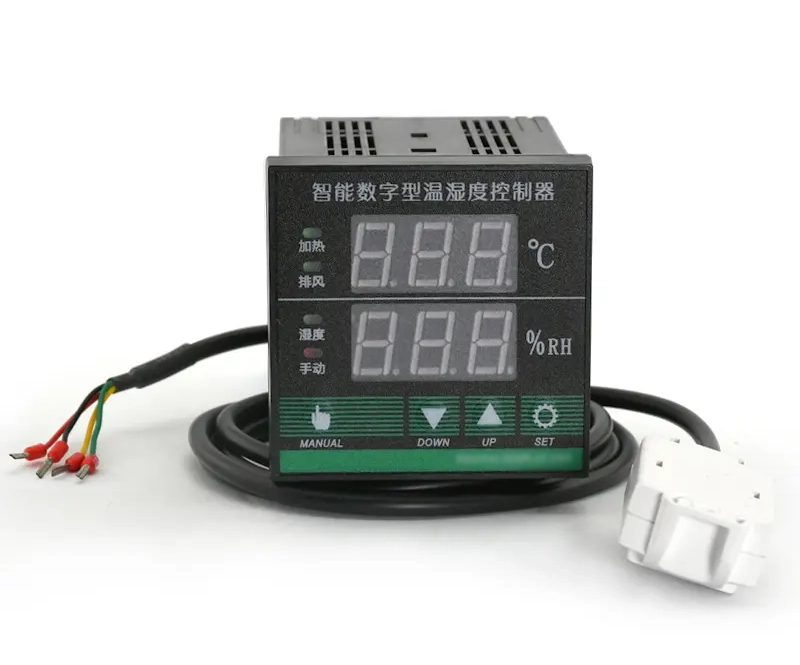
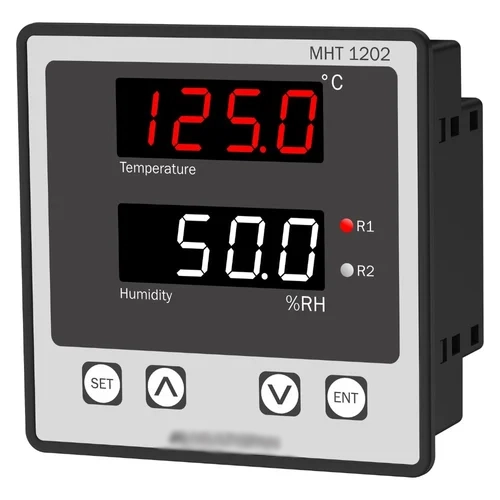
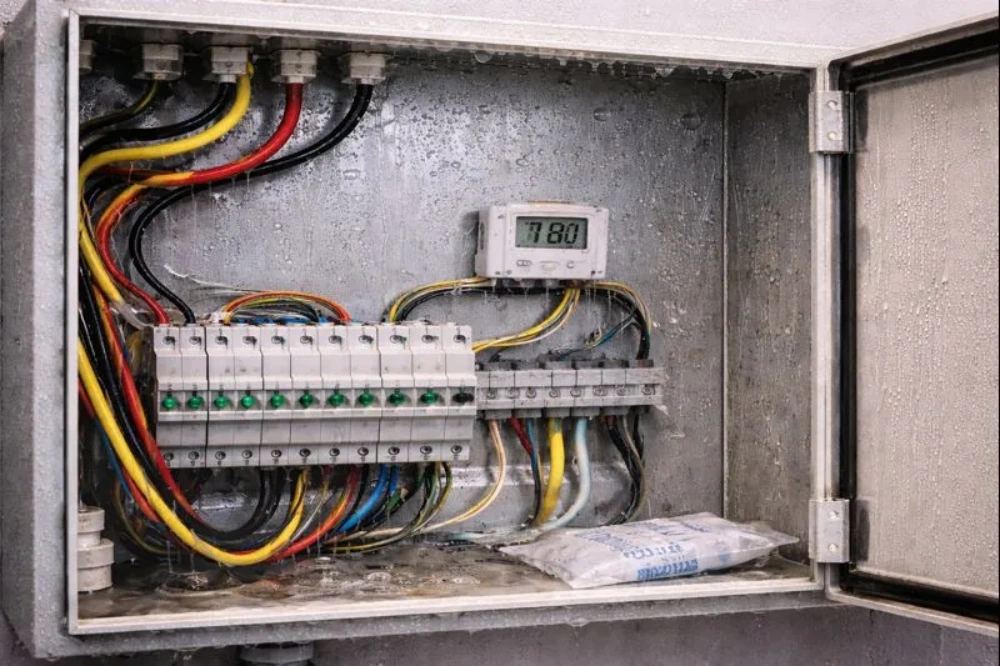
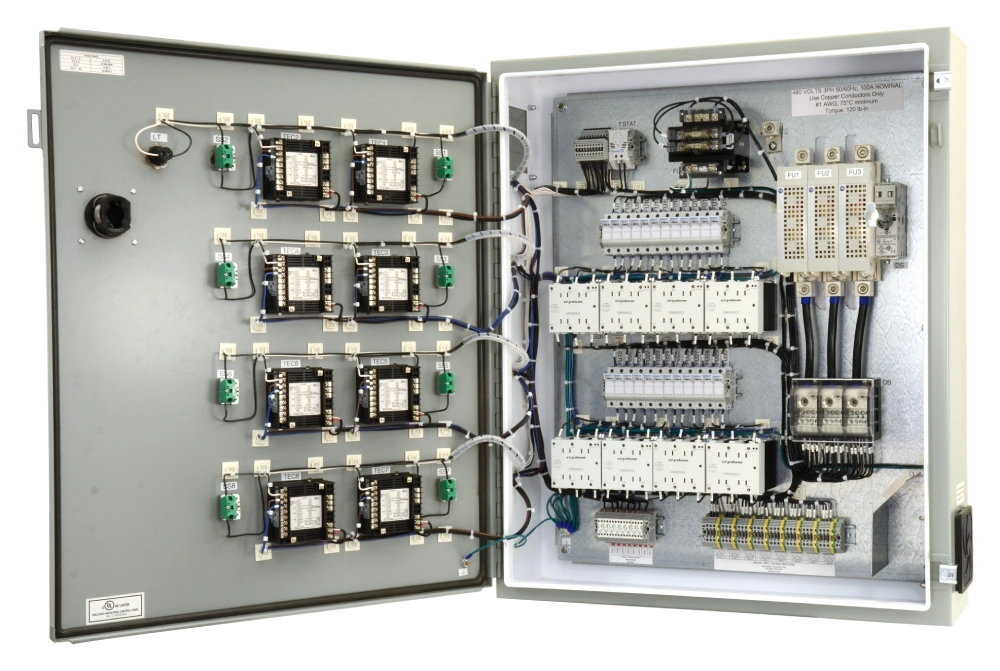
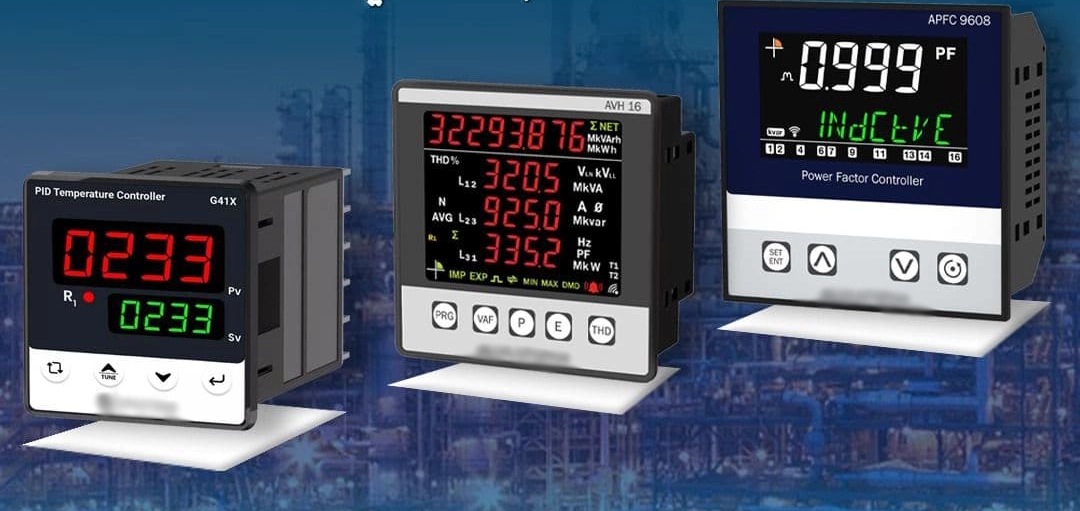
Industrial buyers often evaluate a humidity controller supplier through product consistency, engineering ability, and service performance. Reliable partners provide stable solutions for electrical cabinets, industrial equipment, and environmental control systems. A professional supplier focuses on accurate humidity detection, durable components, and strict production management. Quality begins with component selection, including sensors, circuit boards, protective housings, and control modules. Buyers need partners who can explain technical specifications clearly and recommend suitable models for different applications. Strong production experience also helps suppliers manage customized requirements, improve efficiency, and reduce operational risks. These factors create long-term cooperation opportunities for companies seeking dependable humidity control products.
Product Design Capabilities Behind A Professional Humidity Controller Supplier
Product design directly affects controller accuracy, response speed, and service life. A capable humidity controller supplier develops products based on real industrial conditions. Engineers consider temperature ranges, humidity fluctuations, installation spaces, and power requirements during development. Sensor selection plays a critical role because measurement accuracy depends on sensor sensitivity and stability. High-quality designs also include protection against dust, vibration, and electrical interference. Control interfaces should provide simple operation and clear data display. Manufacturers with strong design teams can adjust functions according to customer requirements. Custom solutions may include different communication methods, alarm settings, mounting structures, and monitoring options. These abilities show deeper technical knowledge beyond basic product manufacturing.
Manufacturing Processes and Quality Control Systems for Stable Performance
Reliable manufacturing requires organized processes, skilled workers, and detailed inspection procedures. Suppliers should manage every production stage, from incoming materials to final testing. Circuit assembly requires precise soldering methods because small defects can affect controller performance. Housing production also matters because protective materials influence durability in harsh environments. Quality teams should perform functional tests before shipment. These tests may include humidity accuracy checks, power stability tests, and continuous operation assessments. Strong process control reduces product failures and improves customer confidence. Experienced manufacturers also maintain production records, allowing faster problem tracking and improvement. Buyers benefit from suppliers that combine efficient manufacturing with strict quality management systems.
Key Technical Features Buyers Should Evaluate Before Choosing A Supplier
Industrial applications require controllers with specific technical characteristics. Buyers should compare product parameters before selecting a suitable partner. Important factors include measurement range, control accuracy, response time, installation method, and operating environment.
- Sensor accuracy for stable humidity monitoring
- Control output options for different equipment connections
- Display quality for convenient operation
- Protection functions for demanding environments
A professional supplier should explain these features with practical examples. Technical communication helps buyers avoid unsuitable product choices. Product documentation, testing reports, and application support also demonstrate professional capability. Careful evaluation reduces maintenance problems and improves system reliability. Suppliers with detailed technical knowledge can provide better recommendations for different industries and equipment conditions.
Comparison Factors For Selecting Reliable Humidity Control Solutions
Different suppliers offer different advantages in production, service, and customization. Buyers can compare several areas before making cooperation decisions.
| Evaluation Area | Important Details | Business Value |
|---|---|---|
| Manufacturing Ability | Equipment, production capacity, process control | Stable supply and consistent output |
| Technical Service | Customization, application advice, product support | Improved project compatibility |
| Quality Management | Inspection systems, testing methods, records | Reduced operational risks |
Professional suppliers create value through complete service systems. They do not focus only on product delivery. They also support application selection, technical questions, and future product adjustments. Buyers should review these areas together because product quality depends on both manufacturing strength and service capability. A supplier with balanced abilities can support projects from initial selection to long-term operation. This approach helps companies maintain stable equipment performance and reduce unnecessary replacement costs.
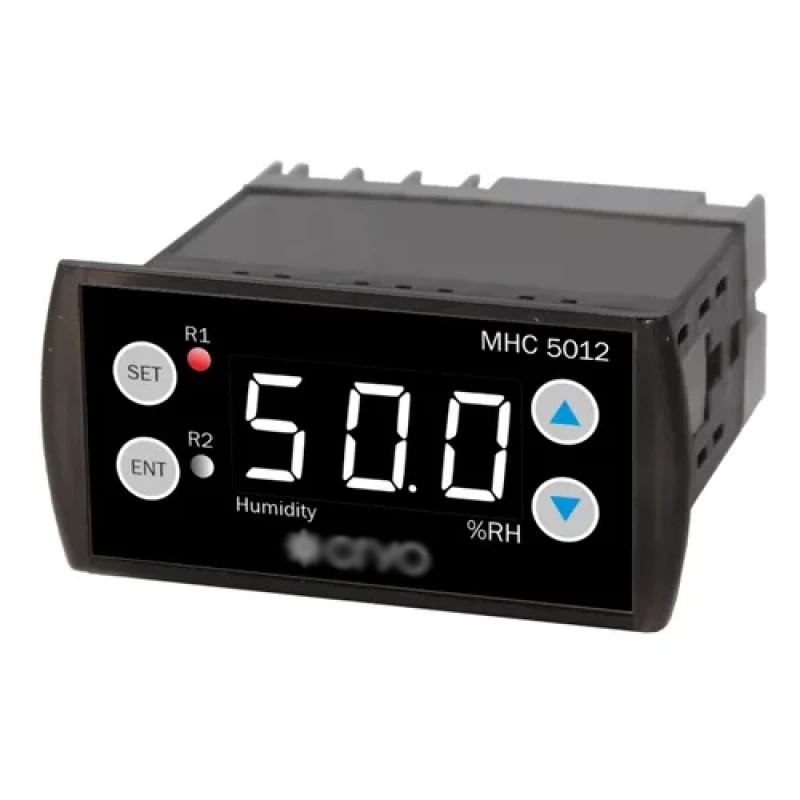
How Professional Testing Methods Improve Humidity Controller Performance
Testing procedures reveal whether products can operate under real conditions. A trusted supplier applies multiple inspection steps before products reach customers. Engineers usually check sensor accuracy, circuit performance, temperature resistance, and long-term stability. Environmental simulation tests can evaluate controller reactions during changing humidity conditions. Electrical safety tests help confirm reliable operation inside cabinets and equipment systems. Professional testing also supports continuous improvement because manufacturers can identify weaknesses during development.
Products such as SK-Z Single-Channel Digital Humidity Controller for Panels demonstrate the importance of accurate monitoring functions and stable control performance. Detailed testing records provide buyers with stronger confidence when selecting industrial control products.
Important Selection Criteria For Industrial Buyers
Choosing the right partner requires evaluation beyond product appearance and price. Industrial buyers should focus on several practical factors that influence cooperation quality.
| Selection Factor | Buyer Consideration | Expected Result |
|---|---|---|
| Experience | Industry applications and production history | Better technical recommendations |
| Customization | Special functions and structural requirements | Suitable solutions for projects |
| Support | Communication speed and after-sales service | Smoother cooperation process |
Industrial purchasing decisions require attention to reliability, communication, and future cooperation. A strong partner provides accurate information instead of only promoting products. Buyers should examine technical documents, response quality, and problem-solving ability. These elements reflect the actual service level of a company. Suppliers that invest in engineering teams and quality systems usually provide stronger support. Careful evaluation creates better outcomes for projects requiring stable humidity management solutions.
Supplier Experience and Application Support Create Long-Term Value
Experience helps companies manage different application environments effectively. A professional humidity controller supplier recognizes challenges from electrical cabinets, automation equipment, and industrial facilities. Experienced teams can recommend suitable products based on humidity ranges, installation conditions, and operating requirements. Application knowledge enables suppliers to deliver practical solutions instead of standard recommendations. Long-term market experience also improves production processes and customer communication. Buyers often need assistance during installation or system upgrades. Responsive technical support can reduce downtime and improve equipment efficiency. Cooperation with experienced companies creates additional value because customers receive both reliable products and professional assistance throughout the product lifecycle.
Customization Services Offered By A Reliable Control Product Partner
Different industries often require different humidity management solutions. Customization becomes important when standard models cannot match specific applications. Suppliers with engineering capabilities can modify display functions, control channels, connection methods, and installation structures. For example, S2K-Z Dual-Channel Digital Humidity Controller for Panels supports applications requiring multiple monitoring points and flexible control management. Customized development requires technical communication between buyers and manufacturers. A capable partner evaluates project requirements before suggesting suitable adjustments. This process improves compatibility and reduces installation difficulties. Custom services also demonstrate a supplier’s ability to manage complex industrial requirements. Buyers should consider customization support when selecting long-term cooperation partners.
Market Reputation, Compliance Standards, and Future Cooperation Potential
A supplier’s reputation reflects production quality, service reliability, and customer experience. Buyers can review certifications, industry records, and customer feedback before cooperation. Compliance with manufacturing standards shows commitment to consistent quality management. Reliable companies maintain transparent communication and provide accurate product information. Future cooperation also depends on innovation ability and market adaptability. Suppliers that improve technology and production systems can support changing customer needs. Strong partnerships develop through trust, communication, and continuous improvement. Companies selecting humidity control products should consider both current requirements and future expansion possibilities. A trustworthy partner helps maintain stable operations and supports long-term business development.
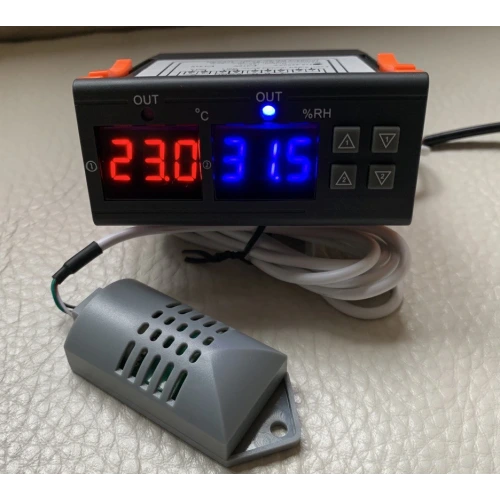
Why Is Customization Important When Working With Humidity Control Solution Providers?
Customization helps companies obtain products that match specific operational requirements. Different industries may need unique installation methods, control functions, or communication options. A flexible supplier can adjust product structures and features based on project conditions. This capability improves compatibility and reduces additional modifications during installation. Custom services also show that a company has strong engineering resources and production flexibility. Buyers working on specialized projects benefit from partners who can provide personalized solutions. Effective customization requires clear communication, technical evaluation, and professional production management. These elements help create reliable humidity control systems for various industrial applications.
FAQ
What Quality Standards Should Buyers Check Before Selecting A Humidity Controller Supplier?
Buyers should check production control systems, inspection methods, and product documentation before choosing a partner. Quality standards should cover component selection, assembly accuracy, functional testing, and reliability evaluation. A strong supplier follows organized procedures for material inspection and finished product verification. Testing should include humidity measurement accuracy, electrical safety, and continuous operation performance. Certifications and quality records can also provide additional confidence. Buyers should review technical information carefully and confirm whether products match application requirements. Reliable suppliers usually provide clear specifications and professional support. These factors help companies select products that deliver stable performance in industrial environments.
How Does Technical Capability Affect Humidity Controller Performance?
Technical capability influences product accuracy, stability, and customization possibilities. Suppliers with experienced engineers can improve sensor selection, circuit design, and control functions. They can also provide better recommendations for different environments. Industrial applications often involve changing temperatures, humidity conditions, and installation limitations. Technical teams help solve these challenges through suitable designs and testing methods. Strong engineering support reduces compatibility problems and improves equipment performance. Buyers should evaluate supplier knowledge through product specifications, application examples, and communication quality. A technically capable company can provide more reliable solutions and support long-term project requirements.