What Makes A Reliable Earth Fault Indicator TNB Supplier?
Reliable earth fault indicator tnb supplier provides quality detection, testing support, and durable electrical solutions.
Choosing an earth fault indicator tnb supplier requires careful evaluation of technical ability and product quality. Electrical networks need accurate fault detection solutions for safer operations. A dependable supplier supports customers with suitable products and professional services. Buyers should check manufacturing experience, engineering capability, and quality management practices. Supplier reliability directly affects system maintenance efficiency and equipment protection. Companies with strong industry experience usually provide better recommendations for different applications. They also maintain stable production processes and consistent product performance. A qualified partner helps reduce operational risks and improves electrical safety across various power distribution environments.
Technical Expertise From An Earth Fault Indicator TNB Supplier
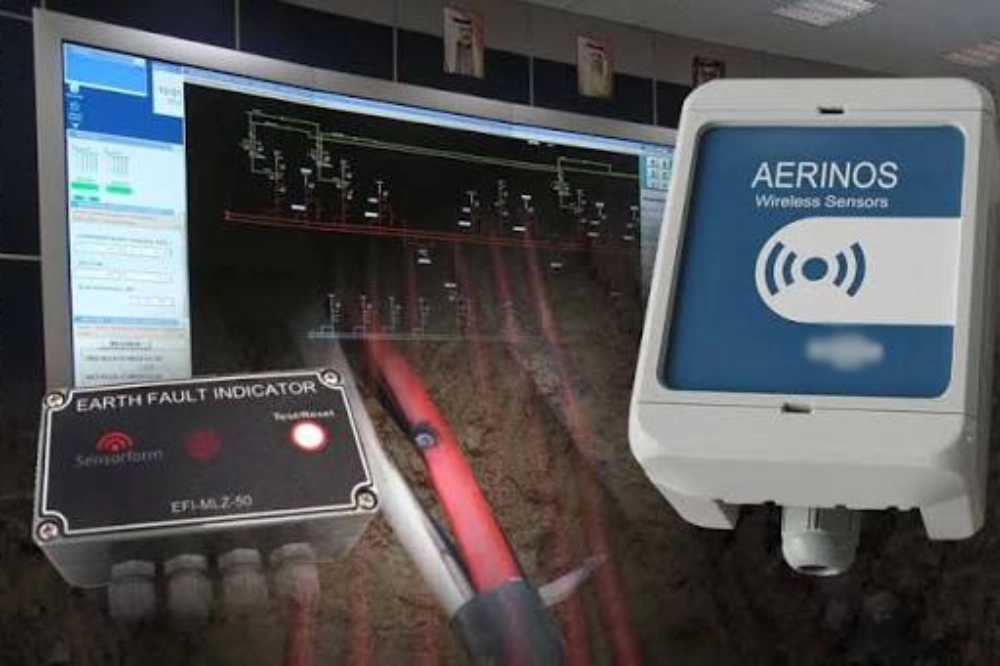
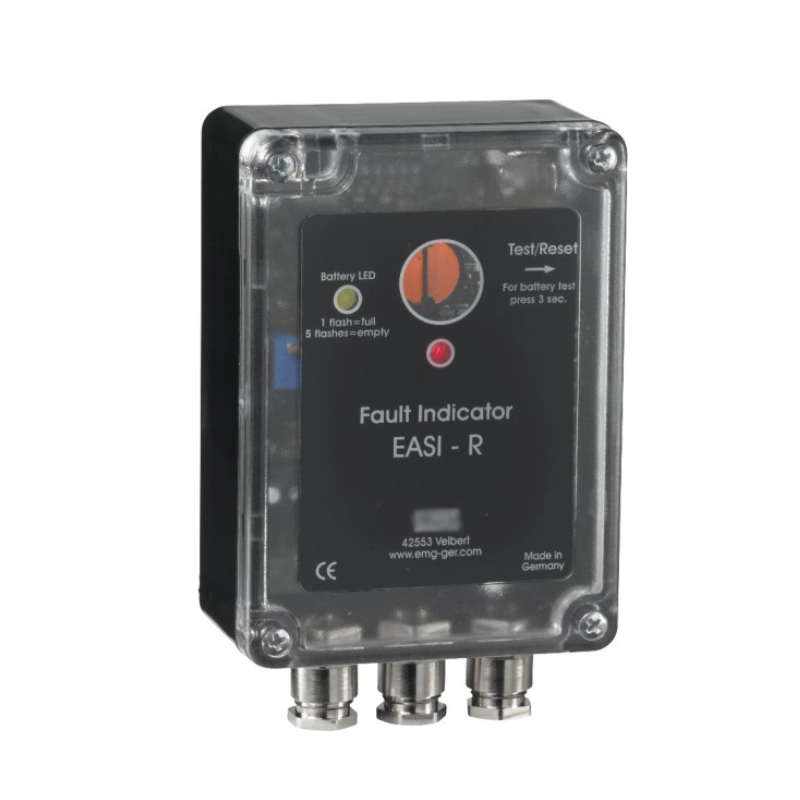
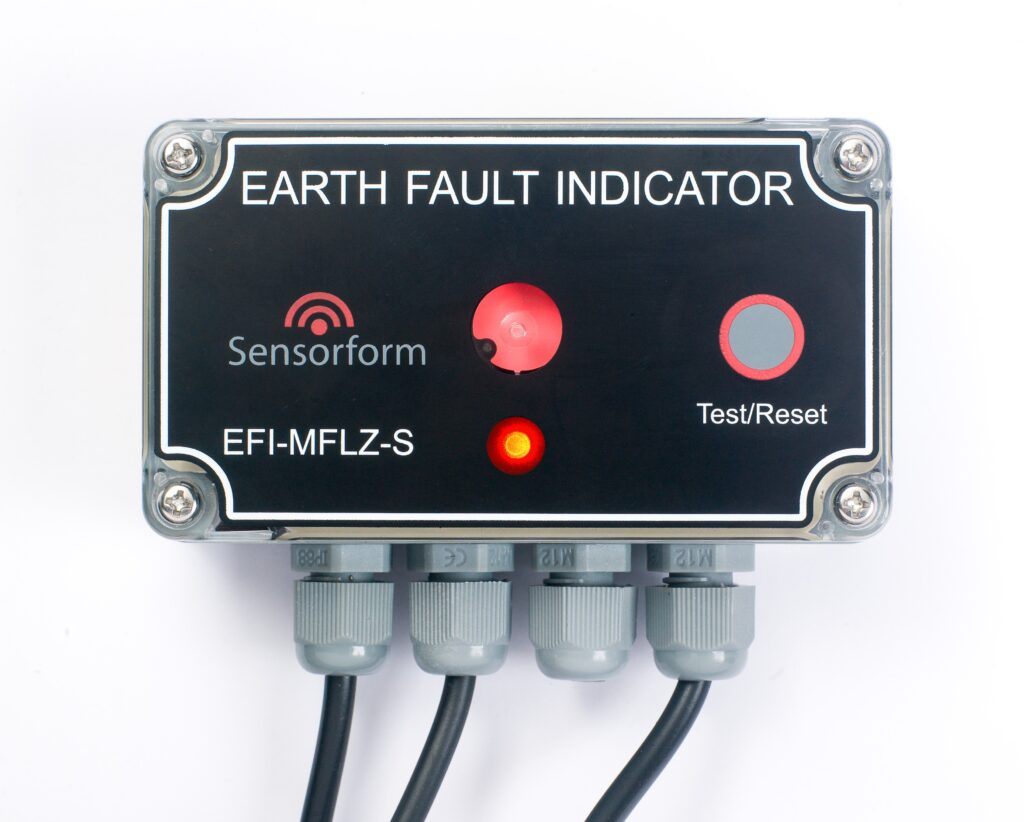
Technical knowledge plays an important role when selecting electrical monitoring equipment. A professional Earth Fault Indicator TNB Supplier should provide products based on network requirements. Fault indicators detect abnormal current conditions and help maintenance teams locate problems quickly. These devices often use sensors, signal processing units, and visual warning systems. Accurate detection depends on component quality and proper engineering design. Suppliers need experience with different switchgear structures and installation environments. They should also offer technical recommendations for voltage levels, cable arrangements, and protection requirements. Strong engineering support helps customers achieve safer and more efficient power system management.
Manufacturing Capability And Quality Control Standards
Production capability determines whether a supplier can deliver stable electrical products. Manufacturers should control raw materials, assembly processes, and final inspections carefully. High quality materials improve product durability and resistance against environmental conditions. Precision manufacturing also reduces performance variations between different batches. A professional supplier applies strict testing procedures before shipment. These procedures may include electrical performance checks, insulation tests, and functional verification. The following table shows important manufacturing factors that buyers should evaluate.
| Evaluation Area | Important Factors | Buyer Benefits |
|---|---|---|
| Material Control | Durable components and stable supply sources | Longer product service life |
| Production Process | Standardized assembly and inspection steps | Consistent product quality |
| Testing System | Electrical and functional verification | Higher operational reliability |
Quality management creates a foundation for dependable electrical protection products. Suppliers with complete production systems can maintain better consistency. They monitor every manufacturing stage from component selection to finished inspection. These practices help prevent defects and improve customer confidence. Professional factories also record testing results for quality tracking. Such records support continuous improvement and faster problem analysis. Buyers should prioritize suppliers that demonstrate transparent production control and technical responsibility.
Product Features That Improve Fault Detection Performance
Modern fault detection products include multiple features that improve maintenance efficiency. Important functions include visible fault signals, remote communication, and environmental protection designs. Some systems provide clear indicators that allow technicians to identify abnormal conditions quickly. Other solutions support integration with monitoring platforms for centralized management. Product selection should consider installation location, operating temperature, and network requirements. Advanced designs often include stronger housing materials and improved sensing accuracy. A suitable device can reduce inspection time and support faster recovery after electrical faults. The following list highlights key product characteristics.
- Manufacturing experience in electrical monitoring products.
- Ability to provide customized specifications.
- Complete quality inspection procedures.
- Technical support during installation.
- Stable delivery capacity for large projects.
Selecting The Right Earth Fault Indicator TNB Supplier
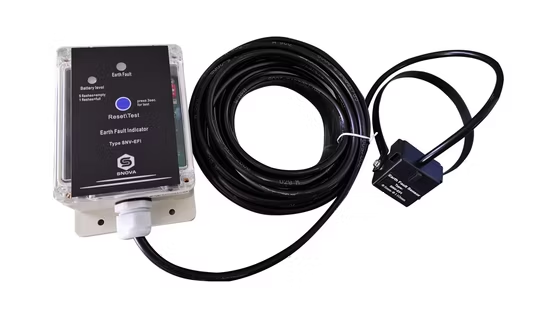
Choosing the right Earth Fault Indicator TNB Supplier involves reviewing several important factors. Buyers should compare technical support, production capacity, and product customization options. Suppliers should provide solutions that match specific electrical network conditions. Experience with different projects can improve product selection accuracy. Reliable companies usually offer detailed specifications and application recommendations. They can also support installation planning and after-sales communication. The table below presents common evaluation points for supplier selection.
| Selection Factor | Supplier Capability | Project Impact |
|---|---|---|
| Technical Service | Professional consultation and application support | Improved equipment matching |
| Customization | Flexible design adjustments | Better installation compatibility |
| Supply Stability | Reliable production capacity | Reduced delivery risks |
Supplier evaluation requires attention after reviewing technical information. Buyers should communicate project details before making purchasing decisions. Clear discussions about specifications prevent unsuitable product choices. A capable supplier can recommend solutions based on actual operating conditions. This approach improves efficiency and reduces future maintenance challenges.
Engineering Support And Customization Services
Professional engineering support adds value during product selection and installation. Suppliers should provide technical documents, drawings, and application suggestions. Customized solutions may involve different installation methods or communication requirements. For example, an Integrated Indicator for Voltage Presence Grounding Fault can combine multiple monitoring functions. Such designs help operators manage electrical conditions more efficiently. Suppliers with engineering teams can adjust solutions according to project demands. They should also provide responsive communication during implementation stages. Strong cooperation between buyers and suppliers improves system performance and long-term reliability.
Quality Certifications And Testing Procedures
Electrical safety products require strict testing and quality verification. A qualified supplier follows recognized production standards and internal inspection procedures. Testing confirms product accuracy, durability, and operational stability. Suppliers should evaluate insulation performance, mechanical strength, and environmental resistance. These checks help ensure equipment performs correctly under different conditions. A professional earth fault indicator tnb supplier normally maintains detailed quality records and testing processes. Reliable documentation provides confidence for industrial projects and large electrical networks. Certification support also helps customers complete technical assessments before installation. Quality assurance remains an essential factor for long-term equipment operation.
Installation And Maintenance Considerations
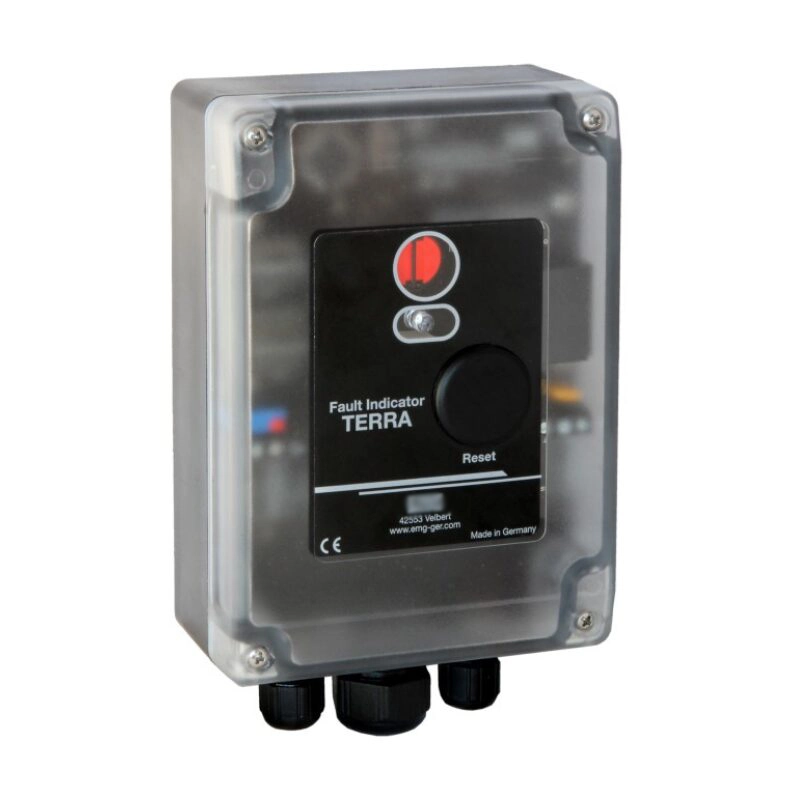
Proper installation directly affects fault indicator performance and service life. Technicians should follow manufacturer specifications during mounting and connection procedures. Incorrect installation may reduce detection accuracy or create operational problems. Regular inspection helps identify aging components and environmental damage. Maintenance teams should check signal functions, connections, and external conditions periodically. Products such as Cable Type Short Circuit Grounding Flash Fault Indicator support clearer fault identification in complex cable systems. Suitable maintenance planning reduces downtime and improves electrical network reliability. Suppliers that provide installation advice create additional value for customers. Long-term performance depends on both product quality and correct operational practices.
Purchasing Decisions Based On Total Value
Selecting electrical protection equipment requires more than comparing purchase prices. Buyers should consider product durability, supplier support, and lifecycle costs. A trusted supplier provides stable products and professional assistance throughout the project. Technical communication before purchase can prevent specification errors. After-sales service also influences long-term satisfaction. Companies should evaluate supplier reputation, production ability, and response efficiency. A complete assessment helps customers choose solutions that deliver consistent performance. Reliable partnerships create better results for electrical safety projects and future expansion needs.
Frequently Asked Questions
What factors should buyers check before selecting a supplier?
Buyers should evaluate several areas before choosing a supplier. Important factors include manufacturing experience, technical resources, quality systems, and service capability. A supplier should provide accurate product information and suitable recommendations. Production stability also affects delivery reliability and project scheduling. Customers should review testing methods and technical documents before purchasing. Strong suppliers usually support installation requirements and provide responsive communication. Careful evaluation helps buyers select products that match electrical system conditions. A professional partner can reduce risks and improve equipment performance during long-term operation.
How does supplier experience affect product performance?
Supplier experience directly affects product design, manufacturing quality, and technical support capabilities. Experienced suppliers have extensive knowledge of electrical environments and various application requirements. They can recommend suitable specifications based on project conditions and operational needs. Their production teams usually maintain stronger quality control practices throughout manufacturing processes. Practical experience also allows suppliers to handle installation challenges more effectively. Customers receive better communication, faster responses, and more professional assistance. Suppliers with proven industry expertise can deliver solutions that fit real operating conditions. This experience improves electrical management safety and enhances fault detection reliability.
Why is technical support important for electrical monitoring products?
Technical support helps customers select, install, and maintain electrical monitoring equipment correctly. Professional suppliers provide application advice, product documentation, and troubleshooting assistance. These services reduce installation errors and improve operational efficiency. Technical teams can also recommend suitable configurations for different network structures. Continuous support becomes valuable when projects require adjustments or expansion. Customers gain better confidence when suppliers provide clear communication and practical solutions. Strong technical assistance improves the overall value of electrical protection products and supports stable system operation.