What Makes An Aluminum Alloy Panel Heater Efficient?
Secure high voltage panels with a reliable electromagnetic lock to prevent fatal accidents and ensure strict industrial compliance.
How Does an Aluminum Alloy Panel Heater Transfer Heat?
An aluminum alloy panel heater transfers electrical energy into usable indoor heat. Its heating element creates thermal energy after receiving electrical current. The aluminum panel then spreads this heat across its surface. Conduction moves heat from the element into the surrounding metal. Convection transfers surface heat into moving room air. Radiation also sends thermal energy toward nearby surfaces and occupants. Aluminum works well because it distributes heat rapidly across large areas. Uniform distribution helps reduce concentrated hot spots on the panel. Efficient heat transfer also depends on element placement and contact quality. Poor contact can create thermal resistance between the element and panel. Therefore, material selection alone cannot determine overall heating performance. A balanced design must coordinate materials, geometry, electrical power, and airflow.
Why Does Aluminum Alloy Improve Heating Performance?
Aluminum alloy offers high thermal conductivity compared with many common engineering materials. This property allows heat to spread quickly from concentrated heating zones. Faster spreading can create a more consistent surface temperature across the panel. Aluminum also provides relatively low weight for large surface structures. Lower mass can support easier handling during installation and maintenance. Meanwhile, suitable alloy compositions can provide strength and corrosion resistance. Manufacturers often balance thermal performance with mechanical stability during material selection. Panel thickness also affects heat spreading and structural behavior. Excessive thickness can increase material usage without proportional thermal benefits. Extremely thin panels may reduce rigidity or create unwanted temperature variation. Good engineering therefore considers conductivity, thickness, alloy composition, and geometry together. These factors influence both immediate heating response and long-term operating stability.
How Does Panel Surface Design Affect Heat Output?
Surface geometry directly affects how efficiently a heating panel releases thermal energy. A larger exposed area generally provides more space for heat exchange. Flat surfaces can provide predictable temperature distribution and straightforward manufacturing. Textured surfaces may increase effective area under suitable airflow conditions. Some designs use fins or formed sections to improve natural convection. However, complex geometry can also increase manufacturing costs and cleaning requirements. Surface coatings may further influence emissivity, corrosion resistance, and appearance. High-emissivity finishes can support stronger radiant heat transfer. Coating durability matters because repeated heating cycles can stress surface finishes. Designers must also consider dust accumulation around textured structures. Excessive deposits can restrict airflow and reduce effective heat release. Consequently, surface design should balance thermal performance, maintenance requirements, manufacturing complexity, and durability.
What Role Does Heating Element Design Play?
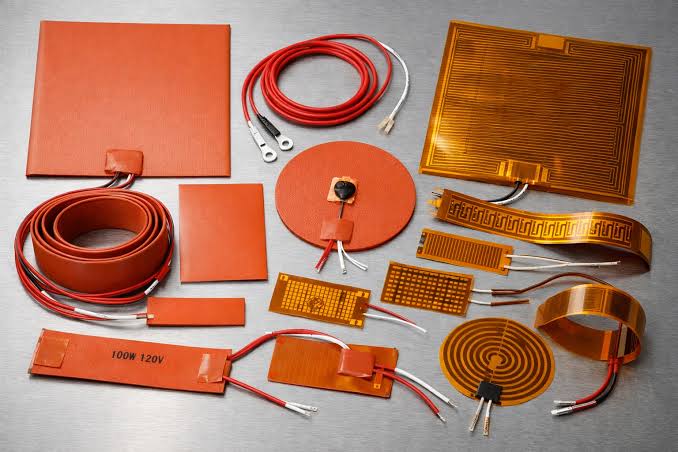
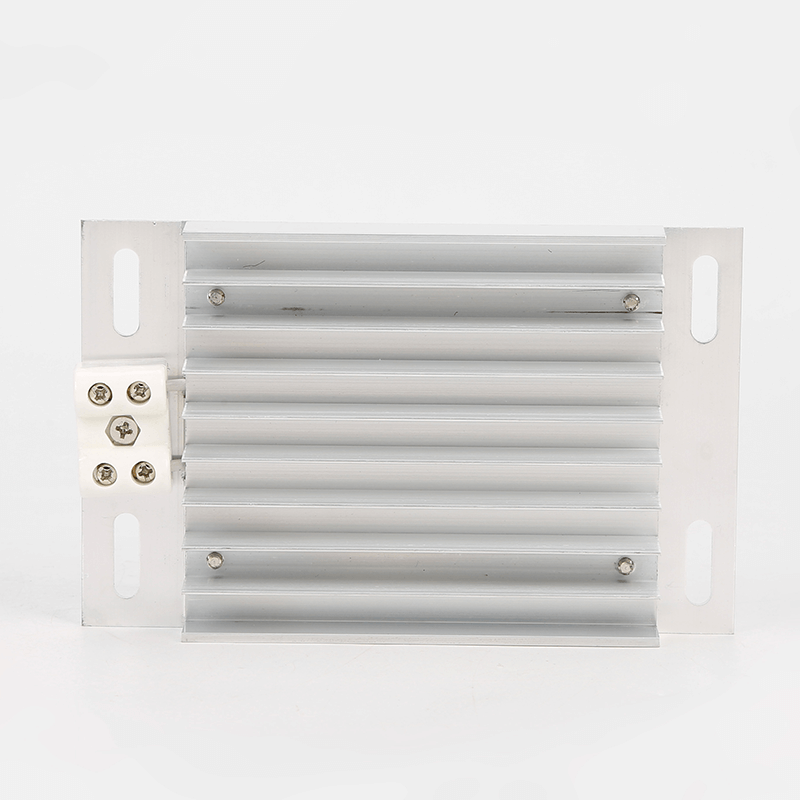
The heating element determines how efficiently electrical power becomes thermal energy. Resistance elements commonly use conductive alloys that generate heat under electrical resistance. Their configuration affects power density, temperature distribution, and response time. A well-positioned element spreads heat across the panel more evenly. Poor placement can create hot zones near concentrated heating sections. Element contact with the aluminum structure also affects thermal resistance. Strong mechanical contact helps transfer heat into the panel efficiently. Insulating layers may provide electrical protection while still allowing thermal transfer. Their thickness and material properties therefore require careful engineering. Electrical connections must also tolerate repeated temperature changes during normal operation. Reliable terminals reduce the risk of unstable electrical performance over time. The DJR-S Aluminum Alloy Heater Series illustrates how an aluminum alloy panel heater can support consistent thermal distribution through integrated construction. Such designs combine heating elements, metal structures, and control components as one system.
How Does Temperature Control Improve Energy Efficiency?
Temperature control determines how frequently the heating element operates after reaching the desired room condition. A thermostat can interrupt power when the measured temperature reaches its set point. Electronic controllers can provide tighter control through sensors and programmed switching. Accurate sensing reduces unnecessary heating caused by excessive temperature overshoot. Sensor placement matters because local heat can distort temperature readings. A sensor located too close to the heating surface may detect artificial peaks. Remote or properly positioned sensors can provide more representative room measurements. Control hysteresis also affects cycling frequency and temperature stability. Smaller hysteresis can maintain tighter temperatures but may increase switching frequency. Larger hysteresis can reduce switching activity but create wider temperature changes. Efficient control therefore requires a suitable balance between comfort, energy use, and component durability.
Which Installation Factors Influence Heating Efficiency?
Installation conditions strongly influence how effectively heat reaches the occupied room. Wall position affects airflow patterns around the heating surface. Adequate clearance allows warm air to rise naturally through convection. Furniture placed directly against the panel can restrict this airflow. Curtains may also trap heat near the wall instead of allowing room circulation. Mounting height influences both airflow and perceived comfort. Room insulation determines how quickly generated heat escapes through walls and windows. Exterior walls with poor insulation can create significantly higher heating demand. Window area, drafts, ceiling height, and outdoor temperature also affect performance. Correct electrical voltage must match the heater's rated operating conditions. Undersized wiring can create safety risks and unstable operation. Installation should therefore consider thermal conditions, electrical requirements, airflow, clearances, and room heat loss together.
What Specifications Should Buyers Compare?
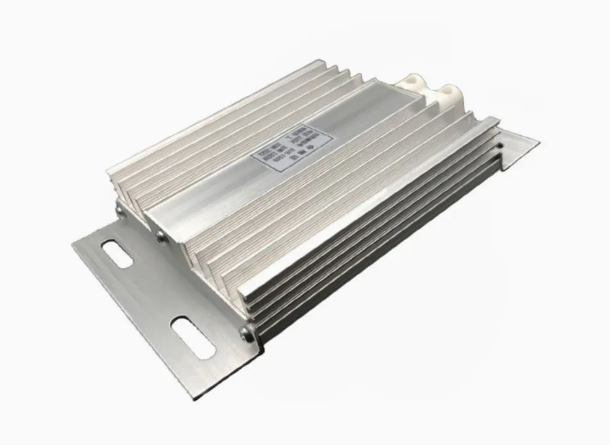
Buyers should compare technical specifications instead of relying on wattage alone. Rated power indicates electrical consumption under specified operating conditions. Voltage must match the available electrical supply for safe operation. Dimensions determine whether the panel suits the available installation area. Material grade can indicate expected thermal and mechanical characteristics.
- Rated power and operating voltage
- Panel dimensions and thickness
- Aluminum alloy composition
- Heating element configuration
- Temperature control method
- Surface temperature range
- Protection rating
- Mounting configuration
| Design Factor | Primary Thermal Effect | Efficiency Consideration | Buyer Priority |
|---|---|---|---|
| Aluminum Alloy | Rapid heat spreading | Supports uniform surface temperature | High |
| Panel Area | Increases heat exchange surface | Supports convection and radiation | High |
| Heating Element Layout | Controls heat distribution | Reduces localized hot spots | High |
| Temperature Control | Regulates operating cycles | Limits unnecessary energy use | High |
How Should Heating Efficiency Be Evaluated in Real Applications?
Real-world efficiency should combine thermal output, control behavior, and operating conditions. Initial warm-up time can indicate how quickly useful heat reaches the room. Temperature uniformity reveals whether the panel distributes energy consistently. Cycling frequency shows how often the controller activates the heating element. Excessive cycling may indicate unsuitable capacity or control settings. Long operating periods provide additional information about energy consumption. Room insulation should remain consistent when comparing different heating systems. Measurement equipment can record surface temperature, room temperature, and electrical consumption. Testing should also account for ambient temperature and airflow conditions. A controlled comparison produces more useful results than relying on rated wattage alone. Buyers should evaluate comfort and operating stability alongside electrical consumption. Evaluating an aluminum alloy panel heater under consistent conditions provides a more realistic view of heating performance.
What Makes an Aluminum Alloy Panel Heater a Practical Choice?
Efficient heating requires more than a conductive metal surface. Material selection, element design, panel geometry, control accuracy, and installation all contribute to performance. Aluminum provides rapid thermal spreading and supports lightweight panel construction. Proper element placement helps maintain consistent heat distribution across the surface. Effective thermostatic control limits unnecessary operation after reaching the target temperature. Suitable installation allows natural convection to circulate warm air throughout the room. Durable construction helps maintain these characteristics through repeated heating cycles. Buyers should also match electrical specifications with local supply requirements. Room size and insulation should influence the selected heating capacity. Maintenance requirements can further affect long-term operating value.
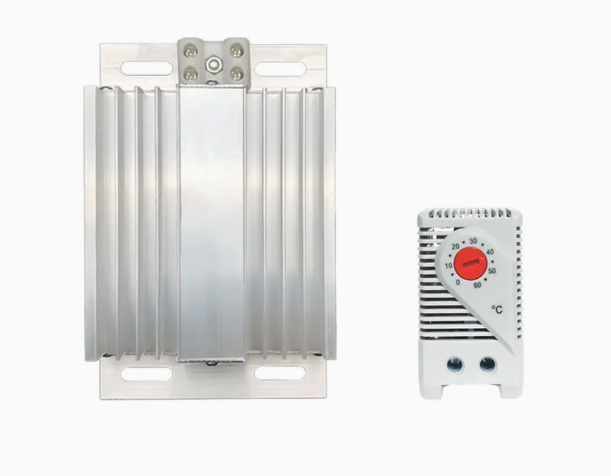
A well-designed heating system combines these factors into one coordinated solution. That balance supports reliable comfort, controlled energy use, and consistent thermal performance.
Frequently Asked Questions
Does aluminum alloy improve panel heater efficiency?
Aluminum alloy can improve thermal distribution because it conducts heat efficiently across the panel. Rapid heat spreading helps reduce concentrated hot spots around the heating element. A more uniform surface can support consistent convection and radiant heat transfer. However, material conductivity alone does not determine total efficiency. Element design, electrical power, panel geometry, temperature control, and installation conditions also matter. Aluminum's low weight can simplify handling during installation. Suitable alloy selection can additionally provide useful strength and corrosion resistance. Buyers should therefore evaluate the complete heater construction rather than focusing only on the panel material. Proper integration between the heating element and aluminum surface remains especially important for effective heat transfer.
What affects the energy consumption of a panel heater?
Energy consumption mainly depends on heating demand, rated power, operating time, and temperature control. Room insulation strongly affects how quickly generated heat escapes. Poorly insulated walls and windows can increase required operating time. Incorrect heater sizing can also cause inefficient cycling or inadequate heating. Temperature settings influence the amount of heat the system must maintain. Accurate thermostatic control can reduce unnecessary electrical operation after reaching the target temperature. Installation conditions also affect performance because blocked airflow can limit heat distribution. Electrical voltage should match the specified operating requirements. Buyers should compare measured consumption under similar room conditions. Looking at operating patterns provides more useful information than comparing wattage alone.
How can buyers choose an efficient panel heater?
Buyers should begin by estimating the room's heating requirement. Room size, insulation, outdoor temperature, and window area all influence required output. Next, compare rated power with available electrical voltage. Panel dimensions should fit the intended mounting location while allowing adequate airflow. Material construction deserves attention because thermal conductivity affects heat distribution. Heating element layout also influences surface temperature uniformity. Temperature control should provide suitable accuracy for the intended application. Protection ratings and installation requirements should match the operating environment. Product documentation should clearly specify electrical and mounting conditions. Buyers should also consider durability and maintenance requirements. A balanced specification usually provides better results than selecting the highest wattage available.