What Makes High Voltage Indicator Display Supplier Reliable?
Reliable high voltage indicator display supplier offers quality control, advanced technology, and custom electrical safety solutions.
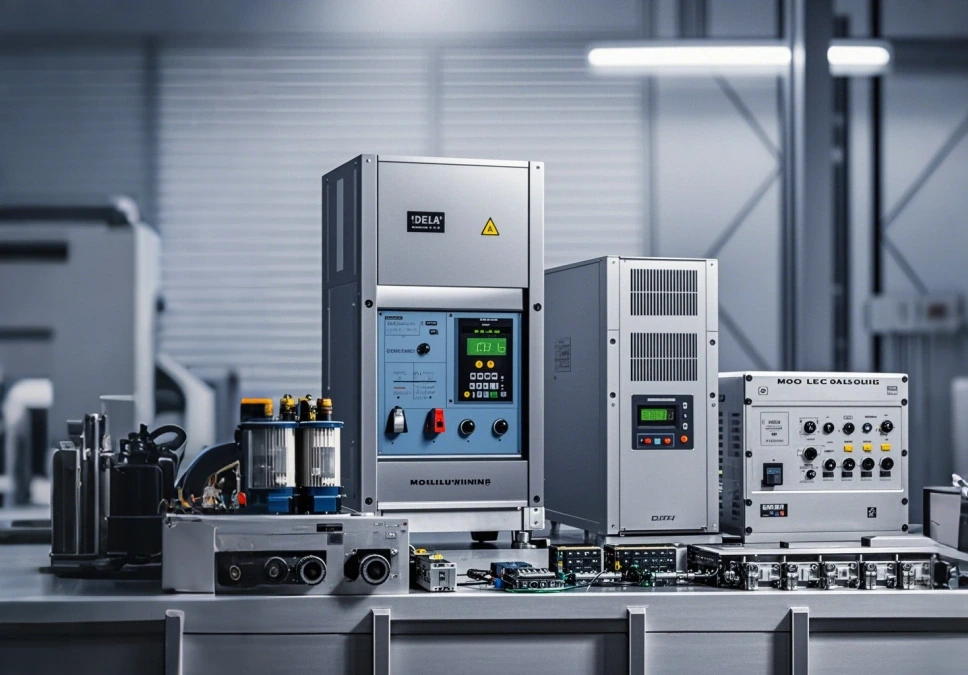
High voltage indicator display supplier selection directly affects electrical safety, equipment stability, and long-term operation efficiency. Buyers often evaluate suppliers through product quality, technical capability, and manufacturing consistency. High voltage indicator displays support power distribution systems, switchgear assemblies, and industrial electrical networks. Reliable suppliers focus on accurate voltage presence indication, strong insulation performance, and durable construction. They also maintain strict production controls to reduce operational risks. Professional suppliers provide solutions that match different voltage levels, installation environments, and customer requirements. Careful evaluation helps buyers choose partners with stable performance, dependable delivery, and practical engineering experience for complex electrical applications.
Technical Features That Define Professional Electrical Indicator Manufacturing
Professional electrical indicator products require precise engineering and carefully selected components. A reliable manufacturer focuses on sensor accuracy, signal transmission stability, and display visibility under different conditions.
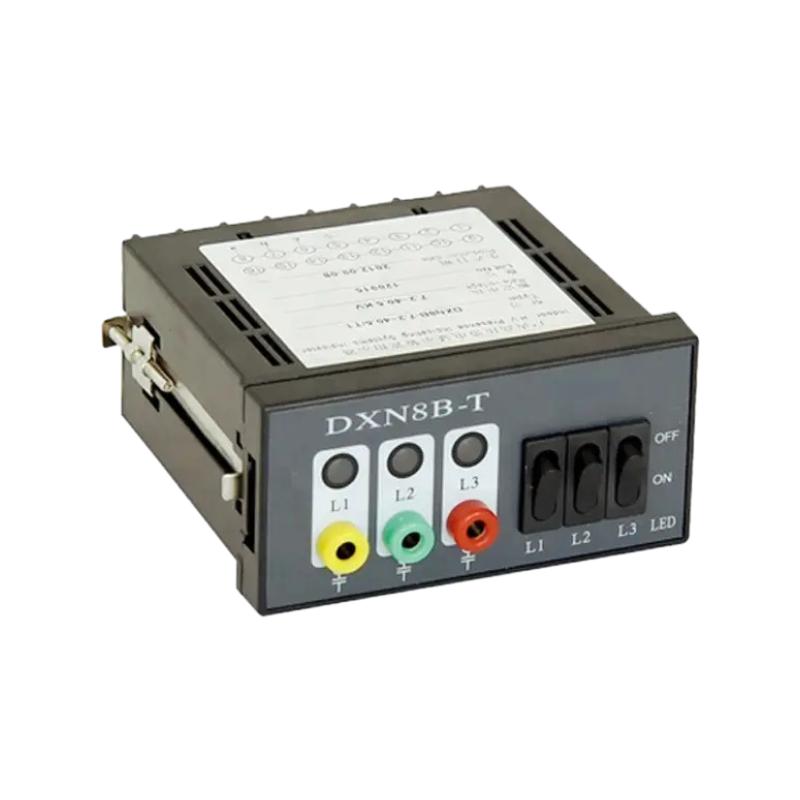
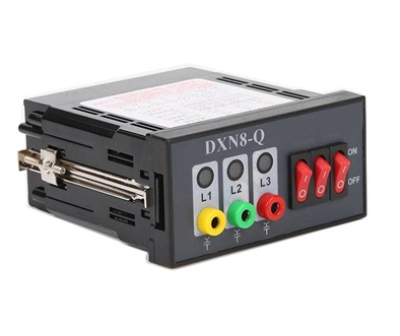
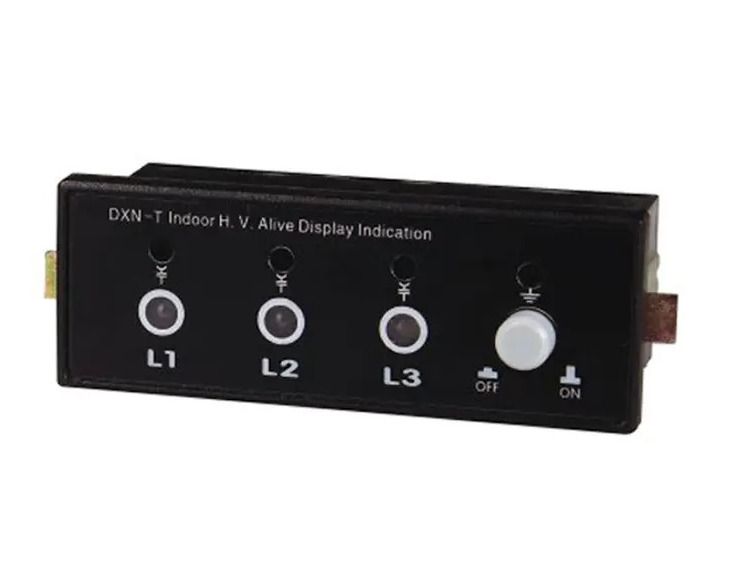
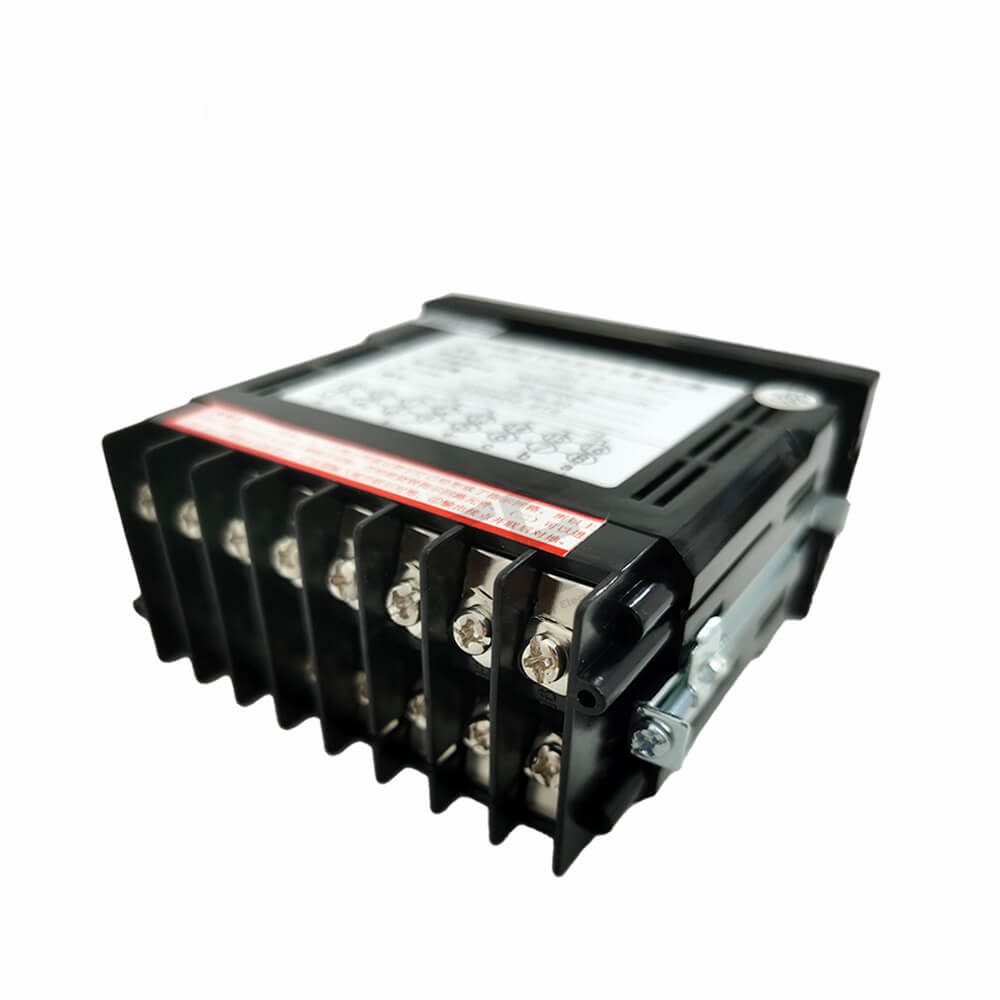
Core parts usually include voltage sensing elements, indicator circuits, protective housings, and connection terminals. High-quality insulation materials improve safety by reducing electrical leakage risks. Durable plastic or composite shells protect internal circuits from dust, moisture, and mechanical impact. Advanced designs may include LED indication systems that provide clear status recognition in dark control cabinets. These technical features help electrical operators identify voltage conditions quickly and improve maintenance efficiency across various industrial environments.
How Does a High Voltage Indicator Display Supplier Ensure Product Reliability
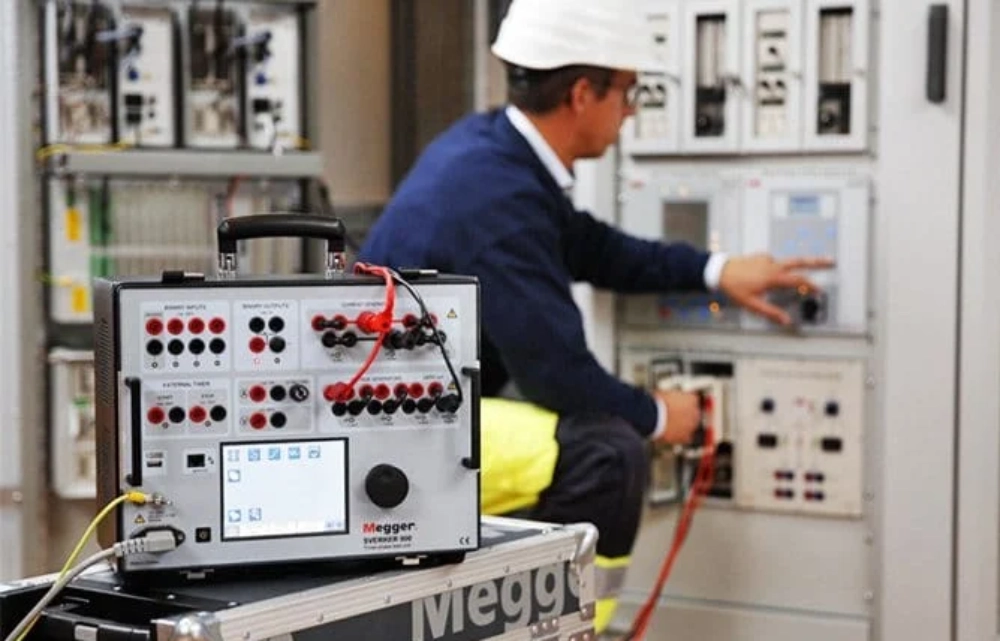
A high voltage indicator display supplier ensures reliability through systematic testing and controlled manufacturing procedures. Production teams usually inspect incoming materials before assembly begins. Each component must meet electrical and mechanical requirements. Testing procedures may include insulation resistance checks, voltage response verification, temperature endurance testing, and operational stability evaluation. Manufacturers with professional laboratories can identify potential issues before shipment. Quality records also support traceability during future maintenance activities. Reliable production methods reduce failure rates and improve customer confidence. Suppliers that invest in testing equipment and skilled engineers create stronger product value for electrical contractors and equipment manufacturers.
Material Selection and Structural Design Influence Product Performance
Electrical indicator performance depends heavily on material quality and structural design. Housing materials must provide excellent insulation while maintaining mechanical strength. Engineering plastics with flame resistance properties are commonly used for protective enclosures. Internal components require stable conductivity and resistance against environmental changes. Connection terminals need corrosion resistance to maintain reliable electrical contact. A carefully designed structure prevents loose connections and reduces installation difficulties. Manufacturers also consider heat dissipation, vibration resistance, and space limitations inside switchgear systems. These factors influence service life and operational reliability. Professional suppliers combine material science with practical application experience to create products suitable for demanding electrical environments.
Quality Control Methods Used During Electrical Product Manufacturing
Quality management plays an important role in electrical product manufacturing. Suppliers normally establish inspection procedures throughout production stages. Raw materials receive verification before entering assembly lines. Finished products undergo functional testing before packaging. These processes help maintain consistent performance between different production batches.
| Quality Stage | Main Inspection Items | Purpose |
|---|---|---|
| Material Check | Insulation, durability, specifications | Confirm component reliability |
| Assembly Testing | Circuit connection, indicator response | Prevent manufacturing defects |
| Final Inspection | Electrical performance, appearance | Ensure shipment quality |
Manufacturing teams use inspection data to improve processes and maintain stable product standards. This approach supports consistent supply performance and reduces unexpected failures during field operation.
Why Manufacturing Experience Matters for Electrical Safety Products
Manufacturing experience strongly influences product reliability and customer satisfaction. Experienced suppliers recognize common challenges in electrical applications. They can recommend suitable designs based on voltage levels, cabinet structures, and environmental conditions. Long-term production experience also improves process efficiency and technical problem-solving ability. For example, companies with specialized knowledge can optimize circuit layouts, strengthen insulation structures, and minimize assembly errors. A supplier with mature manufacturing practices can support customized requirements while maintaining strict quality control. Selecting a high voltage indicator display supplier with strong industrial experience helps buyers receive dependable products and professional technical assistance. Practical experience creates advantages during product development, testing, and large-scale production.
Key Evaluation Factors Before Selecting an Electrical Product Partner
Buyers should review several factors before establishing cooperation with electrical product manufacturers. A detailed evaluation reduces purchasing risks and improves project outcomes. Important factors include:
- Manufacturing capability and production capacity
- Product testing procedures and quality documentation
- Technical support and customization services
- Delivery reliability and communication efficiency
- Experience with different electrical applications
| Evaluation Factor | Important Consideration | Buyer Benefit |
|---|---|---|
| Production Ability | Equipment, workforce, process control | Stable supply capacity |
| Technical Service | Engineering support and customization | Better application matching |
| Quality System | Testing standards and inspection records | Lower operational risk |
These evaluation points help buyers compare suppliers more effectively. A professional partner should provide clear information about production methods, testing procedures, and application experience.
Advanced Testing Standards Improve Electrical Product Safety
Testing standards provide important protection for electrical equipment users. Manufacturers often perform electrical tests to verify insulation strength, response accuracy, and environmental durability. Common evaluations include dielectric strength testing, temperature cycling tests, and operational lifetime checks. These procedures confirm whether products can perform under challenging conditions. Voltage indication devices must provide accurate signals because incorrect information may create safety concerns during maintenance work. Companies that maintain strict testing systems demonstrate stronger technical responsibility. Quality verification also helps suppliers meet customer expectations for industrial projects. Reliable electrical products require both advanced design and continuous inspection throughout manufacturing operations.
Customization Services Support Different Application Requirements
Different electrical systems may require customized indicator solutions. Switchgear manufacturers, power equipment companies, and industrial users often have specific installation requirements. Custom options may include display colors, mounting structures, connector types, and voltage ranges. Some projects require special communication interfaces or compact designs for limited cabinet spaces. Professional suppliers analyze technical requirements before creating suitable solutions. For example, Voltage Detecting Indicating System with Lock Function OEM/ODM services can support specialized safety applications with customized configurations. This type of cooperation allows customers to achieve better compatibility between indicator products and electrical systems. Flexible engineering support increases supplier value and improves project efficiency.
Supply Capability and Delivery Management Affect Long-Term Cooperation
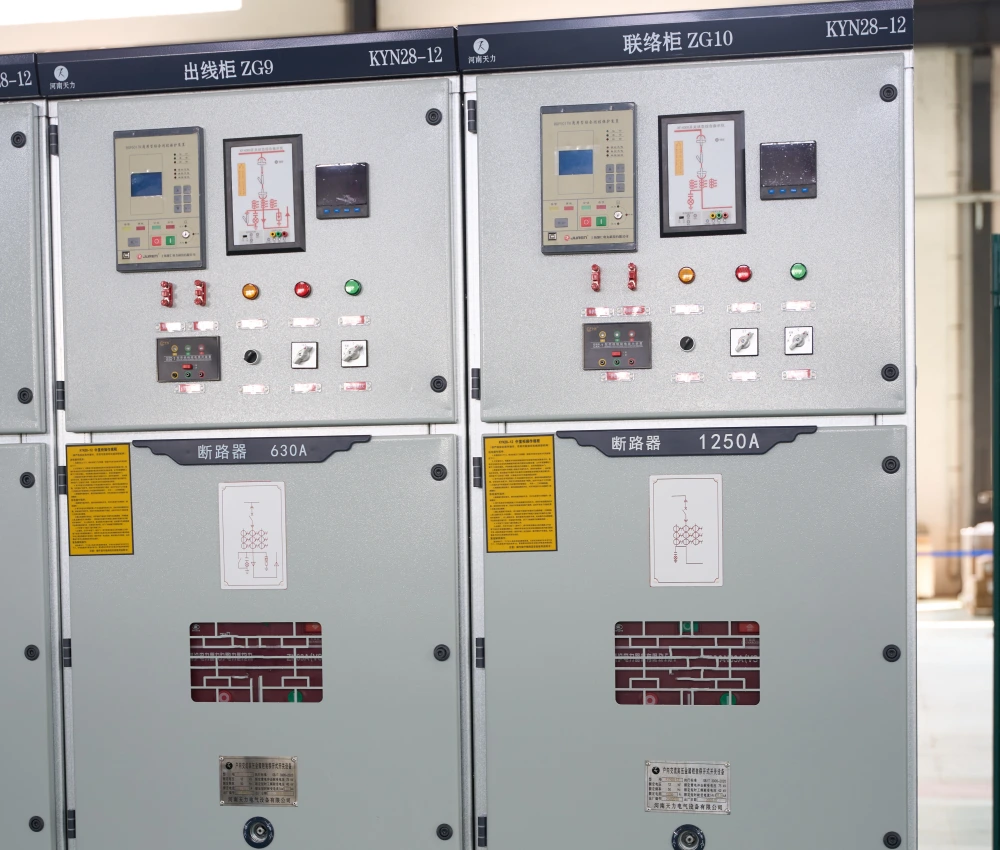
Stable supply capability influences project schedules and business continuity. Manufacturers with organized production systems can manage large orders while maintaining consistent quality. Inventory planning, production scheduling, and logistics coordination all affect delivery performance. Buyers should review supplier communication methods and order management processes before cooperation. Strong supply management reduces delays and supports continuous project development. Companies serving international markets need efficient documentation, packaging standards, and shipment coordination. A dependable partner provides accurate production updates and responds quickly to technical questions. KSG 12 High Voltage Indicator Display OEM/ODM solutions demonstrate how specialized product development can support different customer requirements through flexible manufacturing capabilities and engineering cooperation.
How to Identify a Trusted High Voltage Indicator Display Supplier
Identifying a trusted high voltage indicator display supplier requires careful evaluation of technical ability, product quality, and service performance. Buyers should review product samples, factory capabilities, testing records, and customer support systems. A professional supplier should provide clear technical specifications and practical application information. Factory visits or production audits can reveal manufacturing standards and process management quality. Communication efficiency also reflects supplier reliability during cooperation. Companies with strong engineering teams can solve application challenges more effectively. Long-term partnerships usually develop when suppliers provide stable products, transparent processes, and responsive service. Careful assessment helps buyers select partners that support safe and efficient electrical system operation.
Future Trends in Electrical Indicator Technology and Supplier Development
Electrical indicator technology continues evolving with smarter monitoring functions and improved safety features. Modern products increasingly focus on compact structures, energy efficiency, and clearer visual signals. Digital integration may provide better monitoring possibilities for advanced power systems. Suppliers need continuous innovation to meet changing market requirements. Manufacturers investing in research, testing equipment, and engineering talent can provide stronger solutions. Future development may combine traditional voltage indication with intelligent control systems. Buyers should consider suppliers that maintain technical improvement and market adaptability. Companies with forward-looking strategies can deliver products that meet current demands while supporting future electrical infrastructure development.